
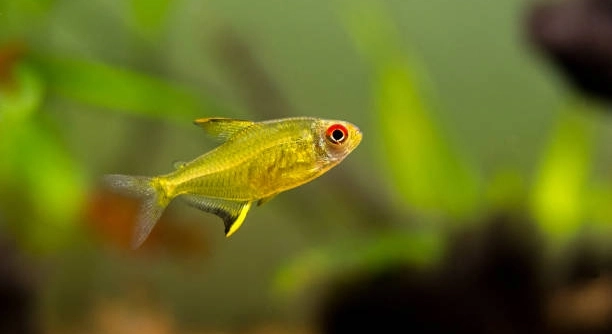
Lemon tetras are small, vibrant fish that brighten home aquariums with their gentle movements and striking color. Many owners enjoy watching their activity and interactions, appreciating the calming presence these fish bring to a well-kept tank.
Research indicates that lemon tetras can respond to routine through conditioned behaviors. Regular feeding times and consistent environmental cues can influence their swimming patterns, social interactions, and general activity levels, demonstrating a capacity for simple behavioral adaptation within a controlled aquatic setting.
Observing these subtle behaviors can enhance your understanding of their needs and improve the overall well-being of your fish community.
Understanding Lemon Tetra Behavior
Lemon tetras are naturally active and social fish. They thrive in groups, moving together with synchronized patterns that help them feel secure. Observing their daily routines, such as feeding or exploring decorations, reveals subtle reactions to changes in their environment. Over time, they can recognize consistent signals, like approaching hands or aquarium lights turning on, and respond predictably. Routine plays a significant role in maintaining their health and minimizing stress. Stress can manifest in hiding, decreased appetite, or unusual aggression, so a stable environment is essential. Lighting, water temperature, and feeding times all contribute to creating a dependable habitat. Even minor adjustments, such as slight changes in water flow or rearranging decorations, can temporarily confuse them. Paying attention to these behaviors allows for adjustments that support their comfort and longevity. Proper care ensures lemon tetras remain lively, colorful, and interactive members of the tank, creating a pleasant and engaging aquarium experience.
Routine in the tank helps lemon tetras feel secure, reducing stress and supporting predictable behavior patterns.
Consistency in daily care not only encourages natural movement but also strengthens their overall health. Regular feeding, clean water, and stable environmental conditions allow them to develop subtle anticipatory behaviors. They may swim to the feeding area when lights change or move together during familiar events. This predictability benefits both the fish and the caretaker, making interactions smoother and more enjoyable. Recognizing and supporting these patterns enhances their well-being and ensures they continue to display their bright colors and active personalities. Adjustments should be minimal and gradual, avoiding sudden disruptions. By observing and reinforcing routine, caretakers foster an environment where lemon tetras can thrive and exhibit natural social behaviors, contributing to a balanced, harmonious tank.
Creating a Routine-Friendly Environment
A stable setup encourages lemon tetras to adapt to patterns and feel comfortable in their habitat.
Structured feeding schedules, consistent light cycles, and thoughtful placement of decorations create predictability. Gradual introduction of new elements allows them to acclimate without stress. Observing their reactions helps fine-tune daily routines to match their behavior. Regular cleaning and monitoring water quality are equally crucial. A stable environment not only improves their health but also enhances their responses to daily cues, making the aquarium experience more engaging.
Feeding Patterns and Response
Lemon tetras quickly learn feeding routines and can anticipate meal times. They often swim toward the feeding area when they recognize signals, such as light changes or movement near the tank. Regular schedules help reinforce these behaviors.
Consistent feeding times support their natural rhythms and encourage active behavior. Over time, they may respond to subtle cues, like the sound of food being poured or the approach of a hand. Observing these responses allows for better care, as caretakers can predict their activity levels and maintain a stable environment. Feeding patterns also reduce stress, keeping the fish healthy and engaged in social interactions. Proper nutrition combined with routine enhances their color, vitality, and overall behavior.
Lemon tetras respond best to small, frequent meals rather than large, irregular feedings. This approach aligns with their natural tendencies and prevents overeating. They tend to remember where food appears, forming simple habits that influence movement and social dynamics within the group. Observing these behaviors can guide caretakers in adjusting schedules or quantities, ensuring each fish receives proper nutrition. Routine feedings also support consistent activity levels, allowing lemon tetras to display their natural schooling and playful behaviors, which contributes to a lively aquarium environment.
Environmental Cues
Stable water conditions are critical for predictable behavior. Temperature, pH, and clarity should be monitored regularly to maintain consistency.
Lemon tetras respond to environmental cues, such as lighting schedules or gentle water flow, by adjusting their activity levels. Changes in these factors can influence feeding, swimming patterns, and interactions with other fish. Consistent cues encourage them to anticipate daily events, reducing stress. A carefully maintained environment allows caretakers to observe predictable behaviors, which supports better care. Monitoring water quality and maintaining stable conditions ensures fish remain active and healthy, displaying their natural colors and movement patterns. Adjustments should be gradual to avoid startling the group.
Social Interactions
Lemon tetras show clear responses to routine within their social groups. They swim together in coordinated patterns, often mirroring each other’s movements during feeding or light changes. Predictable daily events strengthen these interactions.
Consistent routines reduce tension and support harmonious group behavior. Fish that recognize patterns are less likely to hide or display aggression.
Light and Activity Cycles
Lemon tetras adjust their activity levels according to light schedules. Gradual changes in lighting help them maintain regular swimming and resting periods. They often become more active when lights turn on, and settle calmly when lights dim, reflecting natural rhythms and contributing to overall well-being.
Handling and Observation
Minimal, gentle handling encourages trust without causing stress. Observing their behavior regularly allows caretakers to notice subtle changes and respond quickly to potential issues, maintaining a healthy, routine-friendly environment.
FAQ
Can lemon tetras recognize feeding routines?
Yes, lemon tetras can quickly learn and respond to feeding routines. They often swim to the feeding area at familiar times or when they notice cues like movement near the tank or the sound of food being poured. Regular schedules reinforce this behavior and reduce stress.
How do lemon tetras respond to changes in lighting?
They adjust their activity according to light schedules. Gradual lighting changes help them maintain regular swimming and resting patterns. Sudden shifts can startle them, causing temporary hiding or erratic swimming. Consistent light cycles encourage predictable behavior and support overall well-being.
Do lemon tetras notice environmental changes?
Yes, they are sensitive to water temperature, pH, and clarity. Even minor changes can affect swimming patterns, feeding behavior, and social interactions. Maintaining stable conditions allows them to develop predictable routines and reduces stress, keeping the group healthy and active.
Can routine improve their social behavior?
Absolutely. Lemon tetras are schooling fish, and routine helps them coordinate movements and interact harmoniously. Regular feeding, consistent light, and stable water conditions allow them to swim together confidently, reducing aggression or hiding and promoting a balanced group dynamic.
How long does it take for lemon tetras to adapt to a new routine?
Adaptation varies depending on the individual fish and the stability of the environment. Generally, consistent daily cues for one to two weeks allow them to form predictable behaviors, such as swimming toward feeding spots or responding to lighting changes. Gradual adjustments help them adapt more smoothly.
Will lemon tetras become stressed with irregular routines?
Yes, irregular feeding times, sudden light changes, or fluctuating water conditions can increase stress. Stress may appear as hiding, decreased appetite, or unusual aggression. Keeping predictable routines minimizes these issues and promotes a calm, active aquarium environment.
Can they anticipate feeding without direct cues?
Lemon tetras can learn to anticipate feeding based on the passage of time if routines are consistent. They may swim to familiar spots before feeding even if no external cues are present. This demonstrates their capacity for simple behavioral adaptation.
Do routine changes affect their health?
Frequent or abrupt changes can impact appetite, immune response, and social interactions. Maintaining a predictable routine helps support their overall health, vibrant color, and active behavior. Gradual changes are more manageable and allow them to adjust without stress.
Is it beneficial to vary feeding times occasionally?
Minor variations can be tolerated but should remain within a consistent framework. Complete unpredictability can cause stress, while small changes can encourage activity and natural foraging behavior. The goal is balance between routine and minor environmental enrichment.
Can observing routines improve care?
Yes, regular observation allows caretakers to notice patterns, detect health concerns early, and adjust care routines effectively. Understanding how lemon tetras respond to consistent schedules helps maintain a stable, healthy aquarium environment, ensuring they remain active and vibrant.
Do they respond differently to weekdays versus weekends routines?
They respond mainly to the consistency of events rather than the specific day. If feeding and light schedules are maintained without large deviations, lemon tetras continue to exhibit predictable behavior regardless of human routines. Minor differences are less impactful if environmental stability is preserved.
How important is water quality in routine response?
Water quality is critical. Even with consistent feeding and light, poor water conditions can overshadow the benefits of routine. Maintaining proper temperature, pH, and cleanliness ensures that predictable patterns are effective and that the fish remain healthy, active, and stress-free.
Can routine influence breeding behavior?
Yes, stable routines can encourage natural breeding behaviors. Consistent light, feeding, and water conditions create a secure environment, allowing lemon tetras to engage in courtship and spawning activities with less stress, supporting healthy reproduction within the tank.
Do all lemon tetras respond the same way to routines?
Responses can vary slightly between individuals. While most will show predictable behaviors with consistent schedules, some may adapt more quickly or display subtle differences in activity. Observing each fish allows for better understanding and individualized care.
Is it helpful to pair routine with enrichment?
Combining routine with environmental enrichment, like plants or decorations, encourages natural behavior while keeping predictability. Fish can explore safely while remaining in a structured environment, supporting mental stimulation and overall well-being without introducing stress.
How can I tell if a routine is working?
Signs include active swimming, synchronized schooling, anticipation of feeding, and calm behavior during light transitions. Reduced hiding, consistent appetite, and visible bright colors also indicate the routine supports their health and comfort in the tank.
Can young lemon tetras adapt to routines faster than adults?
Juveniles often adapt more quickly due to higher activity levels and increased learning capacity. Adults may take longer but still respond well to consistent cues. Gradual introduction of routines supports both age groups effectively.
Does tank size impact routine response?
Tank size influences movement and social behavior but not the ability to respond to routine. In larger tanks, clear signals and consistent environmental cues help fish establish predictable patterns across more space, supporting group cohesion.
Are routines more important for single-species tanks?
Routine benefits all setups but is especially important in single-species tanks where social interactions are constant. Predictable events reduce stress and encourage natural behaviors, making the tank more harmonious and easier to manage.
Can routine reduce aggression in mixed tanks?
Yes, predictable feeding times and consistent light cycles help minimize conflicts. When fish know when and where to expect resources, competition decreases, and social interactions become smoother, creating a calmer environment for all species.
Is it necessary to track routines in a journal?
Tracking routines can be helpful, especially when adjusting schedules or monitoring behavior changes. Recording feeding times, light cycles, and water conditions allows for better understanding of patterns and helps ensure consistent care.
Do lemon tetras react to human presence as part of their routine?
Yes, they often associate human presence with feeding or maintenance. Over time, they may swim closer during routine activities, reflecting simple learning and recognition, which can enhance interactions without causing stress.
How long can they maintain routine behavior without reinforcement?
They can retain simple behavioral patterns for short periods without reinforcement, but regular cues are necessary to maintain predictable activity. Extended gaps in routine may reduce responsiveness and increase stress temporarily.
Can routine help identify health issues early?
Absolutely. Changes in normal responses to feeding, lighting, or social cues often indicate illness or stress. Maintaining consistent routines allows caretakers to spot deviations quickly and address problems before they worsen.
Is routine more effective than environmental enrichment alone?
Both are important, but routine provides structure that helps fish predict daily events. Enrichment without consistency may cause stress or confusion, while combining stable routines with enrichment supports both health and natural behavior.
Do lemon tetras show signs of memory when following routines?
Yes, their anticipation of feeding or recognition of light changes reflects short-term memory and simple learning. These behaviors indicate they can remember repeated patterns and respond predictably, demonstrating basic cognitive abilities.
Can routines influence lifespan?
Indirectly, yes. Reduced stress, consistent feeding, and stable environmental conditions foster health, immunity, and activity levels, contributing to longevity. Fish in well-maintained, predictable environments often display stronger vitality and resilience over time.
Are routines important for nocturnal behavior?
Yes, consistent light and dark cycles regulate resting periods. Lemon tetras settle during dim periods and become active when lights turn on, aligning their natural rhythm with the tank environment, reducing stress and supporting healthy sleep-wake cycles.
Do they respond to visual cues as part of routine?
They do. Movement, decoration placement, or light patterns serve as visual signals that trigger predictable behaviors. Fish often associate these cues with feeding or activity, reinforcing routine-based responses.
Is it beneficial to combine sound and visual cues?
Yes, combining subtle sound cues with visual cues can strengthen routine recognition. For example, the sound of food combined with hand movement encourages anticipation and supports behavioral consistency without causing stress.
How does routine impact group dynamics?
Predictable routines encourage coordinated swimming, reduce aggression, and help maintain social hierarchy. Fish become more synchronized and confident, enhancing overall group stability and making interactions smoother and less stressful.
Do routines need to be daily to be effective?
Daily routines are most effective, as irregular schedules can confuse fish and increase stress. Consistency reinforces behaviors and ensures stable responses, promoting healthy patterns for feeding, swimming, and resting.
Can routines prevent boredom in a tank?
Yes, predictable events combined with minor environmental changes keep fish engaged without causing stress. Routine provides structure, while slight variation encourages exploration, supporting mental stimulation and natural behaviors.
Are routines useful for new tank setups?
Establishing routines early helps fish acclimate quickly. Feeding schedules, consistent light cycles, and stable water conditions provide security, reducing stress and promoting healthy adaptation to the new environment.
Can routines replace social interaction for these fish?
No, social interaction is essential for lemon tetras. Routine supports predictable group behavior, but active engagement within the school remains necessary for well-being, stress reduction, and natural swimming patterns.
Do routines influence their response to other species?
Yes, predictable behavior can reduce tension in mixed-species tanks. Fish that follow routines are less likely to react aggressively, helping maintain harmony and minimizing stress across different species sharing the same space.
Can I use routines to train them for observation purposes?
Yes, consistent cues help fish anticipate certain activities, making it easier to observe specific behaviors like feeding or social interactions. Over time, they respond reliably, aiding monitoring and care.
How precise does the timing need to be?
Exact timing is less critical than consistency. Small variations are tolerable, but maintaining general predictability in feeding, lighting, and maintenance ensures behaviors remain stable and stress is minimized.
Do lemon tetras ever ignore routines?
Occasionally, individual fish may show temporary changes in behavior due to illness, stress, or environmental disruption. However, most return to predictable patterns once stability is restored, highlighting their adaptability and memory of routine cues.
Can routines improve overall tank management?
Yes, predictable behavior makes feeding, cleaning, and monitoring easier. Understanding how lemon tetras respond to daily events allows caretakers to plan care efficiently and maintain a healthier, calmer aquarium.
Are routines more effective in community tanks or single-species tanks?
Routines benefit both. In community tanks, they reduce interspecies stress and competition. In single-species tanks, routines support social coordination and natural schooling behavior, enhancing overall harmony and fish health.
Do lemon tetras respond differently during breeding season?
During breeding, predictable routines can reduce stress and encourage natural courtship. Stable feeding, lighting, and water conditions create a secure environment, supporting successful reproduction and healthy offspring development.
How do routines affect feeding aggression?
Regular feeding schedules reduce competition by setting expectations. Fish anticipate food availability, limiting sudden bursts of aggression and helping maintain calm social interactions during feeding periods.
Can routines influence their swimming patterns?
Yes, predictable daily cues shape movement. Fish swim toward feeding areas, school together, or adjust activity based on light schedules. Consistent routines encourage natural, coordinated swimming behaviors and group cohesion.
Is it helpful to document responses to routines?
Recording observations helps identify patterns, detect deviations, and adjust care strategies. Documentation ensures routines are effective, supports health monitoring, and improves overall management of the tank environment.
Do lemon tetras respond to feeding routines even without visible cues?
Yes, they can learn to anticipate feeding based on timing alone. They may approach feeding areas before food appears, demonstrating memory and simple behavioral adaptation to regular schedules.
Are there signs routines are not working?
Signs include hiding, decreased appetite, erratic swimming, aggression, or dull coloration. Such changes indicate stress or environmental issues that may require adjusting schedules, water quality, or tank conditions to restore balance.
How can routine help with long-term health?
Stable routines reduce stress, support consistent nutrition, and encourage natural behavior. This helps maintain immune function, coloration, activity, and social harmony, ultimately contributing to a longer, healthier life for lemon tetras.
Do they respond to caretaker habits over time?
Yes, they often associate specific actions with feeding or maintenance. Over time, predictable caretaker behaviors reinforce routine, allowing fish to anticipate events, which enhances interactions and supports stress-free care.
Can routines be combined with seasonal adjustments?
Minor seasonal changes, like lighting or temperature adjustments, can be incorporated gradually. Maintaining predictability during transitions helps fish adapt while retaining the benefits of consistent routines for health and behavior.
Are routines more effective in smaller or larger tanks?
Routines are effective in all tank sizes. In larger tanks, clear cues for feeding and activity help maintain group cohesion, while smaller tanks benefit from predictability to reduce stress and encourage natural schooling patterns.
Do lemon tetras benefit from routine even in low-light conditions?
Yes, consistent feeding and environmental cues still support predictable behavior. Fish adjust activity levels according to subtle light changes, maintaining routines for swimming, feeding, and social interactions regardless of overall light intensity.
How often should routine assessments occur?
Regular observation, at least daily, ensures routines are effective. Monitoring responses to feeding, lighting, and environmental cues allows timely adjustments, supports health, and keeps behavior predictable.
Can routines support stress recovery?
Yes, stable routines help fish regain confidence and reduce anxiety after disturbances. Predictable cues reinforce security, allowing lemon tetras to recover normal behavior, activity, and social interactions efficiently.
Do lemon tetras respond better to human interaction when routines are stable?
Yes, predictable routines allow them to associate caretakers with positive experiences like feeding, reducing stress and encouraging calm, responsive behavior during observation or maintenance activities.
Can routine help prevent disease outbreaks?
Indirectly, yes. Reduced stress and consistent care improve immune function. Healthy, well-fed, and low-stress fish are less susceptible to illness, and early detection of behavioral changes helps address issues before spreading occurs.
Do all routines need to be daily to be effective?
Daily routines are most effective, but minor deviations are acceptable if overall predictability is maintained. Fish rely on consistent cues for feeding, lighting, and maintenance to remain active and stress-free.
How does routine affect interaction with other species in mixed tanks?
Predictable feeding and environmental cues reduce competition and aggression. Fish can anticipate resource availability, which supports calmer interactions, maintains social balance, and reduces stress for all species present.
Can routine help with acclimating new fish?
Yes, introducing consistent feeding and environmental schedules helps new lemon tetras adjust. Predictable cues reduce stress, encourage exploration, and support integration into existing social groups.
Are routines more effective than irregular enrichment activities?
Yes, while enrichment is important, predictability ensures fish feel secure. Structured routines combined with minor enrichment allow for stimulation without causing stress, supporting health and natural behavior.
Can routine influence color vibrancy?
Indirectly, yes. Reduced stress, consistent nutrition, and stable environmental conditions promote bright coloration. Fish that follow predictable routines tend to display more vivid colors and healthier appearances.
Do lemon tetras remember routines after a break?
Short breaks in routine are tolerated, but long interruptions can reduce responsiveness. They generally return to predictable patterns once regular schedules are reinstated.
Can routines help with tank maintenance planning?
Yes, predictable behavior allows caretakers to schedule cleaning, feeding, and observation efficiently. Fish respond better when activities occur consistently, reducing stress and supporting overall tank management.
Do lemon tetras respond to multiple cues simultaneously?
Yes, combining visual, auditory, and timing cues strengthens their ability to anticipate events. Multiple consistent signals reinforce routine and encourage predictable responses, supporting health and natural behavior patterns.
Is routine necessary for single lemon tetras?
Even a single lemon tetra benefits from predictable feeding and environmental cues. While social interactions are limited, routine reduces stress, encourages activity, and supports health and well-being.
Do routines affect resting behavior?
Yes, predictable light cycles and environmental stability help regulate resting periods. Fish settle during dim periods and remain active during light, supporting natural rhythms and overall health.
Can routines support long-term tank harmony?
Yes, consistent cues reduce stress, coordinate group behavior, and minimize conflict. Predictable routines maintain social balance and help create a stable, healthy environment for lemon tetras and other species.
Are routines more critical during developmental stages?
Yes, juveniles adapt faster and rely on predictable cues to develop healthy behaviors. Early routines support growth, social integration, and acclimation to tank conditions.
How do routines affect feeding efficiency?
Predictable feeding schedules reduce competition and stress, allowing each fish to consume food effectively. Fish anticipate meal times, improving appetite and overall nutrition.
Can routines help identify personality differences?
Observing responses to consistent routines reveals individual tendencies. Some fish may be more active, shy, or aggressive. Recognizing these differences aids in tailored care and maintaining group harmony.
Do lemon tetras prefer visual or auditory cues?
Both are effective. Visual cues like hand movement or decoration changes and auditory cues such as food sounds help fish anticipate routine events. Combining them reinforces predictable behavior.
How important is timing precision in routines?
Exact timing is less important than consistency. Small variations are acceptable, but maintaining predictable sequences supports fish behavior, reduces stress, and encourages natural activity patterns.
Can routines influence schooling distance?
Yes, consistent cues encourage coordinated swimming and closer group cohesion. Fish learn to anticipate each other’s movement during feeding or light changes, strengthening social behavior and overall harmony.
Are routines beneficial in high-traffic areas?
Yes, stable schedules help fish remain calm despite external activity. Predictable cues reinforce behavior patterns, reducing stress caused by environmental disturbances.
Do routines need to be adjusted seasonally?
Gradual seasonal adjustments, such as slight changes in light duration, are manageable if cues remain predictable. Fish adapt better when routines are consistent, even with minor seasonal changes.
Can routine support observation of natural behaviors?
Yes, predictable feeding, lighting, and environmental cues allow caretakers to observe normal swimming, schooling, and social interactions consistently, providing insights into health and well-being.
Do lemon tetras respond differently to different caretakers?
They respond primarily to consistent cues rather than the individual. Predictable routines establish expectations, making interactions calm and reliable regardless of who performs tank maintenance or feeding.
Is it helpful to pair routine with water testing?
Yes, routine water testing ensures environmental stability and reinforces predictable conditions, supporting health and predictable behavior in lemon tetras.
Do lemon tetras need visual markers to recognize routines?
Visual markers like decorations or feeding areas help reinforce routine. Fish associate these cues with daily events, improving anticipation and reducing stress.
Can routines reduce hiding behavior?
Yes, predictable feeding, lighting, and environmental cues provide security, encouraging active swimming and reducing the need for hiding. Fish feel safe and more confident in their surroundings.
Are routines effective for stressed or sick fish?
Yes, stable routines can reduce additional stress while supporting recovery. Predictable cues help fish regain confidence, normalize behavior, and maintain appetite and activity levels during healing.
**Do lemon tetras respond to combined
Lemon tetras are small, active fish that thrive in stable and predictable environments. Their behavior responds noticeably to routines, from feeding schedules to light cycles and general tank maintenance. When they experience consistent cues, they develop simple anticipatory behaviors, such as swimming toward feeding areas at familiar times or adjusting activity levels when lights change. These responses demonstrate their capacity for learning and adapting to repeated patterns. Consistency in care reduces stress, supports overall health, and encourages natural social behaviors like schooling and coordinated swimming. Fish that experience routine tend to be more vibrant, active, and confident, which not only improves their well-being but also makes maintaining the tank a smoother and more rewarding experience for caretakers. The predictable environment allows lemon tetras to display their natural behaviors fully, contributing to a lively, engaging aquarium.
Maintaining a routine-friendly tank involves more than just feeding at regular times. Water conditions, including temperature, pH, and clarity, need to be stable, as sudden changes can disrupt behavior and cause stress. Lighting schedules are equally important because they regulate activity and resting periods, supporting natural rhythms. Even minor environmental changes, such as repositioning decorations or altering water flow, can temporarily affect their behavior, so adjustments should be made gradually. Social interactions are also influenced by routine; fish in consistent environments coordinate movements more effectively and show reduced aggression or hiding behaviors. Observing how lemon tetras respond to these cues helps caretakers refine care practices, ensuring each fish remains healthy and engaged. Consistency combined with attention to detail creates an environment where lemon tetras can thrive physically and behaviorally, promoting longevity and maintaining the balance of the aquarium ecosystem.
The benefits of routine extend to both the fish and their caretakers. Predictable schedules make feeding, cleaning, and monitoring easier, allowing caretakers to notice changes in behavior or health quickly. Fish that are accustomed to daily cues become easier to observe, which helps identify potential issues early. Routine also supports mental stimulation, as fish anticipate daily events while exploring their environment safely. Even small, subtle behaviors, such as following a familiar path during feeding or responding to light changes, indicate that they are adjusting to patterns and feel secure in their habitat. Ultimately, a structured, stable approach to care not only enhances the life of the lemon tetras but also provides a more manageable, enjoyable aquarium experience. By maintaining consistency, paying attention to environmental cues, and observing their natural behaviors, caretakers can ensure that lemon tetras remain healthy, active, and vibrant, reflecting the positive effects of routine in their everyday life.

Hello,
If you enjoy the content that we create, please consider saying a "Thank You!" by leaving a tip.
Every little bit helps us continue crafting quality advice that supports the health, happiness, and well-being of pets around the world, for pets of all shapes, sizes, and species.
We really appreciate the kindness and support that you show us!