
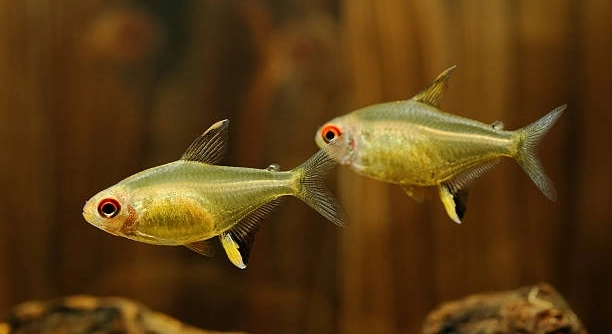
Keeping a Lemon Tetra tank peaceful can sometimes feel tricky. These small, bright fish thrive in calm environments, but small changes or mistakes in their care can quickly disturb their delicate social balance.
Common disruptions in Lemon Tetra tanks often arise from overcrowding, inconsistent water quality, incompatible tank mates, improper feeding, sudden temperature fluctuations, inadequate hiding spaces, and stress-inducing decorations. Addressing these factors systematically helps maintain harmony and promotes the fish’s overall well-being.
Understanding these causes will help you maintain a stable, healthy environment for your fish. The following guide highlights practical ways to prevent conflicts.
Overcrowding the Tank
Having too many Lemon Tetras in a single tank can quickly lead to stress and aggression. These fish need space to swim freely, form schools, and establish their own territories. Overcrowding can cause constant chasing, fin nipping, and erratic behavior. It also strains the filtration system, leading to poor water quality. Maintaining the recommended number of fish per gallon ensures that each tetra has enough room to thrive. Observing their behavior regularly can help identify signs of stress, such as hiding, loss of color, or reduced appetite. Adjusting the number of fish, providing additional decorations for shelter, or increasing the tank size can restore balance and calm.
Reducing the number of fish in an overcrowded tank improves health and social stability. It allows the tetras to interact naturally without constant competition for space or resources.
Keeping the tank population balanced is essential for long-term harmony. Tetras in spacious environments are more active, display brighter colors, and form stronger social bonds. Overcrowding leads to stress-related illnesses, slower growth, and shorter lifespans. Providing ample swimming space and visual barriers can minimize conflicts. Regular water testing is important, as waste accumulates faster in crowded conditions, affecting overall water quality. Observing how tetras interact helps determine if more space or fewer companions are needed. Making these adjustments early prevents long-term aggression and ensures a peaceful, thriving tank where each fish can express natural behaviors.
Incompatible Tank Mates
Choosing tank mates that do not match Lemon Tetras’ temperament can create constant tension and stress. Aggressive or larger fish may intimidate the tetras, causing hiding and fear-based behavior.
Introducing peaceful species with similar size and activity levels helps maintain a calm environment.
Incompatible tank mates disrupt schooling behavior and reduce feeding efficiency. Lemon Tetras rely on group cohesion, and constant harassment from aggressive species can lead to illness or injury. Even slow or shy fish may become stressed if placed with active or territorial species. Researching compatibility before introducing new fish ensures they complement the tetras’ temperament. Providing adequate hiding spots allows timid fish to retreat, reducing stress. Observing interactions during the first few days after introduction is critical. If conflicts persist, separating aggressive fish prevents long-term damage and promotes a balanced, harmonious tank where all species can coexist without unnecessary stress.
Poor Water Quality
Maintaining clean water is essential for Lemon Tetras. Accumulated waste, uneaten food, and improper filtration can lead to harmful ammonia and nitrite levels, stressing the fish and making them susceptible to disease.
Regular water changes and consistent testing prevent toxic buildup. Monitoring pH, temperature, and hardness ensures the environment stays stable. A reliable filter suited for the tank size removes debris efficiently. Overfeeding contributes to water deterioration, so controlling portion sizes is important. Observing the tetras’ behavior can signal water issues; lethargy, gasping at the surface, or faded colors often indicate a problem. Implementing a cleaning routine and maintaining balanced chemical levels supports health, vitality, and peaceful interactions among the school.
Neglecting water quality can cause stress, illness, and shorter lifespans. Even minor fluctuations in chemical levels affect behavior. Proper care ensures tetras remain active, colorful, and harmonious within the tank community.
Consistent water maintenance also supports beneficial bacteria that break down waste naturally. Skipping testing or water changes can quickly create unstable conditions. A stable tank environment allows tetras to school properly, reduces aggression, and promotes feeding efficiency. Adding live plants helps absorb excess nutrients and provides shelter, further improving water quality. Monitoring fish for early stress signs ensures adjustments can be made before serious health issues arise. Clean, stable water is the foundation for a balanced, peaceful Lemon Tetra tank.
Improper Feeding
Feeding too much or too little can disrupt the tank’s balance. Overfeeding leads to uneaten food, water pollution, and excess waste, while underfeeding causes competition and aggression among tetras.
A measured feeding schedule with high-quality flakes, micro pellets, and occasional live foods meets their nutritional needs.
Uneven feeding can lead to dominant fish hoarding food and weaker tetras being deprived. This behavior increases stress, encourages chasing, and can result in malnutrition for some fish. Feeding small amounts multiple times a day prevents excess waste and allows all fish to access food. Observing their eating habits helps identify if adjustments are necessary. Providing variety supports coloration, energy, and overall health. Using feeding tools or spreading food across the tank ensures fair distribution, reducing conflicts. Proper feeding routines directly contribute to maintaining harmony in the tank and sustaining a healthy, active school.
Sudden Temperature Changes
Lemon Tetras are sensitive to rapid fluctuations in water temperature. Sudden drops or spikes can cause stress, weaken their immune system, and trigger erratic behavior. Maintaining a stable, appropriate temperature is essential for their health and overall harmony.
Using a reliable heater and thermometer helps keep the water consistent. Monitoring temperature daily and avoiding placement near drafts or heat sources prevents shocks. Gradual adjustments are necessary when acclimating new fish or making seasonal changes. Even small swings can lead to hiding, lethargy, or aggression within the school. Keeping the water stable supports natural activity levels, coloration, and peaceful interactions among tetras.
Lack of Hiding Spots
A tank without enough hiding spaces leaves Lemon Tetras exposed and anxious. Plants, decorations, and rocks provide shelter and security.
These structures reduce stress and allow timid fish to retreat, helping maintain calm and balance in the tank.
Stress from Overhandling
Frequent or rough handling of fish during tank maintenance can cause stress. Even minor disturbances disrupt their behavior and social interactions, making tetras more prone to aggression and illness.
Aggressive Decorations
Sharp or poorly placed decorations can injure tetras and create conflict zones. Smooth, well-spaced decorations promote swimming freedom and minimize territorial disputes.
FAQ
How many Lemon Tetras should be kept together?
Lemon Tetras are schooling fish, so they need to be in groups of at least six to feel secure. Smaller numbers can lead to stress, hiding, and aggressive behavior. Larger schools of eight to twelve are ideal, as they allow natural schooling patterns and reduce dominance disputes among individuals.
What is the ideal tank size for Lemon Tetras?
A minimum of 20 gallons is recommended for a small school. Bigger tanks provide more swimming space, reduce stress, and help maintain stable water parameters. Overcrowding in smaller tanks often leads to aggression, weakened immune systems, and shortened lifespans. Providing adequate space ensures they can swim freely and interact naturally.
How often should water be changed?
Weekly water changes of 20–30 percent are generally sufficient to maintain water quality. Frequent testing of ammonia, nitrites, and nitrates is important. If levels rise, partial water changes may need to be increased. Clean water prevents stress, disease, and behavioral issues, allowing Lemon Tetras to thrive.
What water temperature is best?
Lemon Tetras prefer a stable temperature between 72–78°F. Sudden changes outside this range can stress the fish and make them more vulnerable to illness. Using a reliable heater and thermometer ensures consistent conditions. Gradual adjustments are necessary when introducing new fish or changing seasons.
Which tank mates are suitable?
Peaceful, small fish are the best companions for Lemon Tetras. Species like guppies, rasboras, and small Corydoras generally coexist well. Avoid large or aggressive fish, as they intimidate tetras and disrupt schooling behavior. Proper tank mate selection supports harmony and reduces stress-related health problems.
How should I feed Lemon Tetras?
Feed high-quality flake food or micro pellets as a staple, supplemented with live or frozen foods like brine shrimp or daphnia. Feed small portions multiple times a day to prevent overfeeding. Uneaten food should be removed promptly to prevent water quality issues and aggression during feeding.
Do decorations affect tank harmony?
Yes. Plants, rocks, and other hiding spots reduce stress and provide security for timid fish. Avoid sharp or overcrowded decorations, as they can cause injury or create territorial disputes. Smooth, spaced decorations allow swimming freedom and support natural behaviors in the tank.
What signs indicate stress in Lemon Tetras?
Common signs include hiding, faded colors, erratic swimming, and loss of appetite. These behaviors can result from poor water quality, overcrowding, temperature changes, or incompatible tank mates. Early recognition helps address the underlying issue before it affects health or social dynamics.
Can I mix Lemon Tetras with other tetras?
Yes, but compatibility depends on size and temperament. Peaceful species like neon or ember tetras usually integrate well. Avoid mixing with aggressive or larger tetras, as they can dominate or injure Lemon Tetras, disrupting schooling and harmony.
How important is a consistent maintenance routine?
Very important. Regular water changes, monitoring temperature and water chemistry, and checking for signs of illness maintain a stable environment. Consistency reduces stress, prevents aggression, and keeps the tetras healthy, ensuring a peaceful and active tank.
What should I do if aggression occurs?
Identify the source: overcrowding, incompatible mates, or lack of hiding spots are common reasons. Adjust the number of fish, separate aggressive individuals, or rearrange decorations to reduce conflict. Continuous observation ensures corrective actions restore balance.
Are live plants beneficial?
Yes, live plants improve water quality, provide hiding spots, and reduce stress. They also create a natural environment that supports swimming, schooling, and feeding behaviors, contributing to overall tank harmony.
How often should I monitor water parameters?
Weekly testing is recommended for ammonia, nitrite, nitrate, pH, and hardness. More frequent testing may be needed in new or heavily stocked tanks. Stable water chemistry minimizes stress and prevents aggression or disease in Lemon Tetras.
Is overfeeding dangerous?
Yes, overfeeding leads to excess waste, poor water quality, and increased aggression. Feeding small, controlled portions multiple times a day helps maintain harmony and ensures all fish receive proper nutrition.
What can cause sudden fish deaths?
Sudden deaths are usually linked to poor water quality, disease, temperature shocks, or aggression. Maintaining stable water conditions, providing proper nutrition, and monitoring tank behavior can prevent losses and keep the school healthy.
Can Lemon Tetras live in a community tank?
Yes, if tank mates are peaceful, similar in size, and the environment is spacious with hiding spots. Proper planning and monitoring ensure tetras remain active, healthy, and harmonious with other species.
How do I know if my tank is too small?
Signs include constant chasing, stress behaviors, faded colors, or slow growth. Providing more swimming space or reducing the number of fish restores natural behavior and social balance.
What is the role of schooling in tank harmony?
Schooling provides security, reduces stress, and supports natural behaviors. A cohesive school helps deter aggression, ensures proper feeding distribution, and allows fish to express natural swimming patterns, contributing to a peaceful tank.
Are there specific lighting needs?
Moderate lighting supports plant growth and natural behavior. Avoid overly bright lights that stress tetras. Providing shaded areas or floating plants creates a comfortable environment and reduces conflicts.
How do I introduce new fish without causing stress?
Acclimate new fish slowly by floating the bag in the tank and gradually mixing water. Rearrange decorations to disrupt territorial claims. Observing interactions for the first few days ensures smooth integration without disrupting existing harmony.
How important is tank cleaning frequency?
Regular cleaning prevents waste buildup, maintains water quality, and reduces stress. Partial water changes, filter maintenance, and substrate vacuuming ensure a stable environment that supports schooling, feeding, and peaceful behavior among Lemon Tetras.
Maintaining a Lemon Tetra tank requires attention to detail, consistency, and observation. These fish are small and active, but their social structure is delicate, and even minor mistakes can upset the balance. From the number of fish to water quality, temperature, feeding routines, and decorations, every element contributes to harmony in the tank. Overcrowding, incompatible tank mates, sudden temperature shifts, and improper feeding can all lead to stress, aggression, and health issues. Paying attention to these factors helps ensure that each tetra can swim freely, feed adequately, and interact naturally with others. A well-planned tank allows fish to form a cohesive school, display vibrant colors, and maintain energy levels, creating a visually pleasing and calm environment.
Consistency is key in maintaining a healthy Lemon Tetra tank. Regular water changes, testing for ammonia, nitrites, nitrates, pH, and hardness, and keeping the tank free of uneaten food all support a stable environment. Monitoring behavior closely can provide early signs of stress or illness, allowing adjustments before problems escalate. Providing adequate hiding spots and smooth decorations helps timid fish feel secure and prevents territorial disputes. Even the placement of plants or ornaments can influence behavior, so spacing them to allow swimming freedom while offering shelter is important. Proper feeding routines, avoiding overfeeding, and ensuring all fish have access to food promote social stability. Combining these practices results in a balanced tank where fish thrive, interactions remain peaceful, and the risk of disease is minimized.
Understanding the specific needs of Lemon Tetras and acting proactively can prevent many common problems. Selecting compatible tank mates, maintaining stable water conditions, and observing the school regularly supports harmony and reduces stress-related behaviors. Over time, these measures build a healthy, active, and visually appealing tank. By maintaining clean water, a consistent temperature, proper nutrition, and secure hiding areas, the tank environment becomes predictable and comfortable for the fish. This attention to detail not only benefits the tetras’ well-being but also enhances the experience of keeping them. Watching a well-maintained school of Lemon Tetras move together in a calm and stable tank is rewarding, reflecting the care and effort invested in creating the right environment. The steps are straightforward, and even small adjustments can have a significant impact on maintaining peace and vitality in the tank.

Hello,
If you enjoy the content that we create, please consider saying a "Thank You!" by leaving a tip.
Every little bit helps us continue crafting quality advice that supports the health, happiness, and well-being of pets around the world, for pets of all shapes, sizes, and species.
We really appreciate the kindness and support that you show us!