
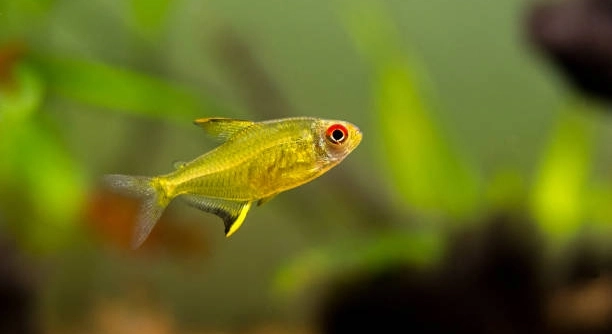
Lemon tetras are small, vibrant fish that often brighten up any home aquarium. Their active movements and shimmering colors make them a delight to watch, though sometimes their behavior can seem unusual or concerning to owners.
Shaking in lemon tetras is commonly caused by stress, poor water quality, or parasites. Fluctuations in temperature, ammonia levels, or the presence of disease can trigger involuntary body movements, which should be monitored and addressed promptly for the fish’s wellbeing.
Observing the reasons behind your tetra’s shaking can help maintain a healthier and more peaceful aquarium environment. Proper care ensures your fish stay vibrant and active.
Common Causes of Shaking in Lemon Tetras
Shaking in lemon tetras can be linked to several environmental factors. Poor water quality is one of the most frequent reasons. High levels of ammonia, nitrites, or nitrates can irritate their gills and stress the fish. Sudden temperature changes also affect their comfort, as lemon tetras prefer stable water conditions. Overcrowding in the tank can increase stress levels, leading to body tremors. In addition, insufficient hiding spaces or strong currents may make them feel insecure, which may trigger shaking. Sometimes, diet plays a role; a lack of essential nutrients can weaken their immune system, leaving them more vulnerable to stress or disease. Parasites and infections can also cause rapid movements or twitching. Observing their behavior and testing water parameters regularly can help identify these problems. Addressing these factors promptly ensures that your lemon tetras remain healthy, active, and vibrant, preventing long-term health issues.
Monitoring tank conditions closely allows you to spot issues before they escalate. Regular water checks are essential for stability.
Keeping lemon tetras healthy requires attention to multiple aspects. Maintaining consistent water temperature, proper filtration, and adequate tank space are critical. Introducing new fish gradually and providing nutritious food helps strengthen their immune system. If shaking persists, inspecting for parasites or infections and isolating affected fish may be necessary. Providing plants or decorations as hiding spots reduces stress, while gentle water flow prevents unnecessary strain. Regular maintenance, combined with careful observation, ensures the fish remain active and comfortable. This proactive approach makes it easier to address problems before they affect their overall health. Understanding these factors helps create a balanced environment that supports both the physical and emotional well-being of your lemon tetras, keeping them lively and thriving.
Preventive Measures to Reduce Shaking
Regular water changes and testing help maintain stable conditions for lemon tetras.
Establishing a consistent tank routine is key. Temperature stability, proper feeding, and avoiding sudden disturbances minimize stress. Introducing new fish slowly and maintaining a clean, well-oxygenated environment reduces the risk of shaking. Observing behavior daily allows for early detection of issues, ensuring timely intervention. Following these practices helps your tetras feel secure, supporting their overall health and activity levels.
Stress and Its Impact on Lemon Tetras
Stress in lemon tetras can come from overcrowding, sudden movements, or loud noises near the tank. Even minor disturbances can trigger shaking. Providing enough space, gentle water flow, and hiding spots helps reduce their stress levels.
Prolonged stress can weaken the immune system of lemon tetras, making them more susceptible to disease and infections. Stressful conditions often result from unstable water parameters, insufficient food, or constant disruption from tankmates. Observing their behavior closely allows you to notice signs early. Simple measures like keeping a consistent feeding schedule, avoiding sudden temperature changes, and ensuring compatible tankmates can help maintain calm, steady behavior in your tetras.
Stress can also affect their appetite and energy levels. A stressed lemon tetra may hide more often, swim erratically, or shake frequently. Reducing stress involves creating a stable, comfortable environment. Providing plants, decorations, and gentle filtration helps them feel secure. Maintaining routine tank care and avoiding sudden changes ensures your tetras remain healthy, active, and less prone to stress-induced shaking.
Water Quality and Temperature Control
Maintaining clean water and a stable temperature is critical for lemon tetras. Fluctuations can cause body tremors and lethargy.
Water parameters directly influence their health. High ammonia, nitrite, or nitrate levels irritate gills and disrupt metabolism. Sudden temperature changes can shock their system. Regular testing and partial water changes help keep the environment stable. Proper filtration ensures oxygen levels remain consistent, and removing uneaten food prevents toxins from building up. Consistent maintenance is essential to prevent stress-related shaking and promote long-term health.
Temperature stability supports metabolism and immune function. Lemon tetras thrive in temperatures between 74–78°F. Keeping the heater and thermometer reliable ensures fluctuations are minimal. Regular observation allows early detection of changes in behavior caused by water quality or temperature stress. Balancing pH levels and avoiding rapid chemical changes reduces irritation and helps your fish maintain steady movements. Combining consistent care, stable water conditions, and proper monitoring creates an environment that minimizes shaking and supports active, healthy lemon tetras.
Parasites and Infections
Parasites and infections can cause lemon tetras to shake their bodies. External parasites like ich or skin flukes irritate the fish, leading to rapid movements. Maintaining quarantine for new fish helps prevent spreading infections.
Bacterial or fungal infections may also trigger body tremors. Early detection is essential. Observing changes in color, fins, or behavior can indicate an underlying problem. Treating infections promptly with appropriate medication prevents worsening health issues and helps the fish recover quickly.
Diet and Nutrition
A poor diet can weaken lemon tetras, making them more prone to shaking. Feeding a balanced mix of flakes, pellets, and occasional live food provides essential nutrients. Proper nutrition supports their immune system, enhances energy, and maintains vibrant colors. Regularly varying their diet reduces stress and promotes overall health.
Tankmates and Social Behavior
Aggressive or incompatible tankmates can stress lemon tetras, causing shaking. Choosing peaceful species and maintaining group dynamics helps reduce conflicts and ensures a calm, secure environment.
FAQ
Why is my lemon tetra shaking constantly?
Constant shaking in lemon tetras is often linked to stress, poor water quality, or illness. High ammonia, nitrite, or nitrate levels irritate the gills, while sudden temperature changes can shock the fish. Overcrowding or aggressive tankmates can also trigger continuous tremors. Observing your fish closely helps identify the source of stress. Maintaining a stable, clean environment, consistent feeding, and proper tankmates reduces the frequency of shaking. If the behavior persists, check for parasites or bacterial infections and treat appropriately.
Can water changes stop my lemon tetra from shaking?
Yes, regular water changes help stabilize water parameters, remove toxins, and reduce stress. Replacing 20–30% of the water weekly keeps ammonia, nitrite, and nitrate levels low. This reduces gill irritation and supports overall health. A consistent schedule combined with proper filtration ensures the tank environment stays safe and comfortable for your tetras. Sudden large water changes should be avoided, as they can further stress the fish. Gradual adjustments in temperature and chemistry are more effective in calming body tremors.
Could temperature fluctuations be causing shaking?
Temperature instability can definitely cause shaking in lemon tetras. These fish prefer a consistent range between 74–78°F. Even small dips or spikes can stress them, leading to rapid body movements. Using a reliable heater and thermometer helps maintain stable conditions. Avoid placing the tank near windows, vents, or heat sources that cause sudden changes. Gradual acclimation when adjusting the temperature prevents shock and supports stable behavior. Consistency in water temperature is key to preventing stress-induced shaking.
Do parasites make lemon tetras shake?
Yes, parasites such as ich or skin flukes irritate the skin and gills, causing rapid movements or shaking. Other signs may include rubbing against surfaces, white spots, or lethargy. Quarantining new fish and observing changes early helps prevent infestations. Treating with appropriate medication and maintaining clean water reduces recurrence. Early detection and intervention are crucial to prevent worsening health and spread to other tank inhabitants.
Is diet related to body shaking in lemon tetras?
Poor nutrition can weaken their immune system, making them more susceptible to stress and disease, which may appear as shaking. A balanced diet of flakes, pellets, and occasional live or frozen foods supports energy, immune function, and overall health. Regularly varying food types ensures they receive all essential nutrients. Underfeeding or providing low-quality food can reduce vitality and increase vulnerability to infections or stress-related tremors. Feeding small, consistent portions helps maintain a stable metabolism and minimizes sudden behavioral issues.
Can aggressive tankmates cause shaking?
Aggressive or incompatible tankmates can stress lemon tetras, leading to rapid movements or hiding. Territorial fish may chase or nip at them, increasing anxiety. Choosing peaceful species and maintaining a proper group size helps reduce conflict. Providing plants or decorations as hiding spots offers security. Consistent monitoring ensures all fish coexist safely, minimizing stress-induced shaking. Observing social dynamics daily allows timely adjustments, such as separating overly aggressive fish, to maintain a calm environment.
When should I worry about shaking?
Persistent or severe shaking is a concern when it continues despite stable water conditions, proper diet, and compatible tankmates. Additional warning signs include loss of appetite, fin damage, faded color, or lethargy. These can indicate disease, parasites, or other health issues. Prompt attention, testing water parameters, and treating infections or infestations is critical. Early intervention prevents complications and ensures your lemon tetras remain active and healthy.
Can hiding spots reduce shaking?
Yes, hiding spots like plants, caves, or decorations provide security, lowering stress levels and reducing shaking. Lemon tetras feel more comfortable when they have areas to retreat. Strategically placing these spots throughout the tank encourages natural behavior and supports calm, steady swimming. Hiding spaces also help weaker or stressed fish avoid conflicts, allowing them to recover faster.
Are medications safe for shaking caused by illness?
Medications can be safe and effective if used correctly. Identify the specific illness before treatment, follow dosage instructions, and remove activated carbon from filters to prevent absorption. Overuse or incorrect medication can harm fish or disrupt beneficial bacteria. Always monitor the fish during treatment to ensure improvement and adjust as needed. Proper care and medication management help your lemon tetras recover without additional stress.
How can I prevent shaking in the future?
Preventing shaking involves maintaining stable water conditions, feeding a balanced diet, and providing a calm environment. Avoid sudden changes in temperature or water chemistry, minimize stress from aggressive tankmates, and ensure proper tank maintenance. Regular observation allows early detection of issues. Creating a secure, clean, and balanced environment supports long-term health, reduces stress, and keeps your lemon tetras active and comfortable. Consistency in care is the most effective way to prevent shaking.
This FAQ section addresses common concerns and provides practical steps to manage and prevent shaking in lemon tetras, ensuring their long-term health and stability.
Final Thoughts
Lemon tetras are small, lively fish that bring color and movement to any aquarium. Their shaking is often a signal that something in their environment needs attention. It may stem from stress, poor water quality, diet deficiencies, aggressive tankmates, or health issues like parasites or infections. Recognizing these causes is the first step to providing better care. By observing your fish closely, you can identify changes in behavior before they develop into more serious problems. Even small adjustments, such as stabilizing water temperature or adding hiding spots, can significantly reduce stress and improve their overall well-being. Maintaining a calm, stable environment is crucial to ensuring your tetras remain active, vibrant, and comfortable in their home.
Consistent water testing and routine tank maintenance play a major role in preventing shaking. Ammonia, nitrite, and nitrate levels should be monitored regularly, as even minor imbalances can irritate gills and lead to rapid body movements. Temperature stability is equally important, as lemon tetras thrive in a narrow range of 74–78°F. Sudden changes can shock them and trigger tremors. Filtration, partial water changes, and removal of uneaten food all contribute to a clean and safe habitat. Balanced nutrition also supports their immune system, energy levels, and natural coloration. Feeding a mix of high-quality flakes, pellets, and occasional live or frozen foods ensures they receive the essential nutrients needed for overall health. A stable environment combined with proper diet and careful observation minimizes stress and helps prevent shaking over time.
Social dynamics and tank setup are additional factors to consider. Overcrowding or aggressive tankmates can elevate stress levels, causing erratic movements or hiding behavior. Providing plants, caves, and decorations gives lemon tetras secure areas to retreat, making them feel safe. Observing interactions within the tank helps identify incompatible fish early, allowing adjustments before stress becomes harmful. When shaking persists despite proper care, checking for parasites or infections and using appropriate treatment is important. Overall, careful attention to water quality, nutrition, tankmates, and environmental stability creates a supportive habitat for lemon tetras. Maintaining these practices ensures they remain healthy, calm, and visually vibrant, making it easier to enjoy their natural behavior and the liveliness they bring to your aquarium.

Hello,
If you enjoy the content that we create, please consider saying a "Thank You!" by leaving a tip.
Every little bit helps us continue crafting quality advice that supports the health, happiness, and well-being of pets around the world, for pets of all shapes, sizes, and species.
We really appreciate the kindness and support that you show us!