
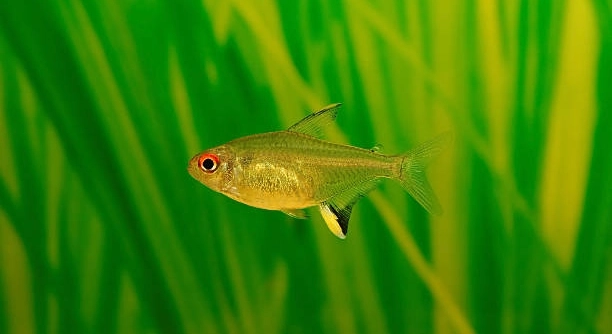
Lemon tetras are small, vibrant freshwater fish often admired for their bright yellow hue and graceful swimming. They live in groups, moving together through the water, creating a dynamic and visually appealing community in home aquariums.
Lemon tetras can develop social hierarchies within their groups. Dominant individuals establish preferred positions, control access to food, and influence the movements of others. These hierarchies are subtle but play a key role in maintaining order and reducing conflict among the fish.
Observing these patterns can reveal how group dynamics shape their daily interactions and overall well-being in a home aquarium.
Understanding Social Structures in Lemon Tetras
Lemon tetras are not just decorative fish; they have a clear social organization. In a small group, you might notice some individuals swimming confidently at the front while others linger near the edges. Dominant tetras often lead the group, guiding movement during feeding or exploring. Subordinate fish usually follow, maintaining a safe distance to avoid conflict. These hierarchies help reduce aggression and maintain harmony within the tank. Over time, roles can shift depending on the health, size, or temperament of the fish. Younger or weaker fish may move down the social ladder, while stronger individuals rise. Observing these interactions closely can reveal subtle signs of dominance, such as who gets the best feeding spots or who initiates group movement. Providing a well-structured environment with hiding spots and enough swimming space helps ensure that social hierarchies remain stable and that all fish coexist peacefully.
Hierarchy patterns influence behavior and interaction, shaping how fish feed, rest, and respond to changes in their environment.
Recognizing these social structures is important for aquarium care. A well-fed and properly arranged tank can minimize stress. When dominant fish are overly aggressive, adding plants or decorations can break lines of sight and give subordinate fish a place to retreat. Maintaining water quality, temperature, and space reduces tension. Regularly observing group interactions allows adjustments before problems escalate. By understanding hierarchy, you can ensure that all tetras feel secure, stay healthy, and display their natural behaviors. Paying attention to subtle cues like chasing, nipping, or displacement helps identify stress points and social imbalance, allowing corrective action to preserve a peaceful aquarium environment.
Signs of Dominance Among Lemon Tetras
Dominant lemon tetras often claim central areas and feed first, while subordinate fish wait their turn.
Aggressive or assertive behaviors can appear subtle, such as chasing, nudging, or briefly taking over a preferred spot. Over time, these signs reveal a hierarchy, with more confident fish leading group movement or establishing priority at feeding times. Subordinate tetras generally avoid confrontation and may swim in peripheral areas, resting in plants or behind decorations. Recognizing these behaviors is crucial for maintaining a calm aquarium. Providing ample hiding spaces and monitoring interactions ensures that no fish becomes overly stressed. Changes in hierarchy can occur if a fish is removed or added, making it important to observe group dynamics continually. Understanding these patterns allows you to support the natural behavior of your lemon tetras while minimizing conflict. Consistent care and a well-arranged tank create an environment where all fish can thrive, showing their colors and swimming freely without persistent stress or tension.
Feeding and Hierarchy
Dominant lemon tetras often eat first, taking the best spots near the surface or food source. Subordinate fish wait, sometimes missing out if food is limited. Feeding patterns reflect social rank and influence overall group behavior. Proper feeding strategies can reduce competition and stress.
Providing multiple feeding points ensures all tetras receive enough nutrition. Using floating flakes and sinking pellets allows different fish to eat at their comfort level. Observing who eats first can help identify dominant individuals, while monitoring shy fish ensures they are not overlooked. Regular feeding at consistent times helps maintain balance, reducing aggressive behaviors and supporting a stable hierarchy among the group.
Hierarchy also impacts growth and health. Dominant fish often access food more quickly, which can lead to faster growth and stronger appearance. Subordinate fish may require extra attention to ensure they are eating enough. Balancing food distribution and tank setup supports all members, helping maintain a peaceful and healthy environment where each tetra thrives.
Tank Setup and Environment
Providing adequate hiding spaces reduces tension and supports subordinate fish. Plants, rocks, and decorations create territories and visual barriers, helping fish feel secure and maintain social balance.
A thoughtfully arranged tank allows each tetra to establish personal space without constant confrontation. Vertical and horizontal territories reduce direct competition and give subordinate fish places to rest. Open swimming areas let dominant fish lead group movement, while hiding spots protect those lower in rank. Adjusting the environment based on observed behaviors can prevent bullying and stress-related illnesses. Proper lighting, water flow, and placement of decorations also influence movement patterns and feeding opportunities. A well-designed tank encourages natural behaviors, supports social hierarchies, and ensures that each fish can display its full coloration and activity without excessive stress.
Monitoring Behavior
Regular observation helps identify dominant and subordinate fish. Watching swimming patterns, feeding order, and interactions reveals social roles within the group.
Changes in behavior, such as increased chasing or hiding, can indicate stress or shifts in hierarchy. Early detection allows timely adjustments to maintain harmony and reduce aggression among lemon tetras.
Adjusting Group Size
Maintaining an appropriate group size minimizes stress and competition. Smaller groups may intensify dominance struggles, while larger groups distribute social pressure more evenly. Observing interactions helps determine if adding or removing fish is necessary to maintain a stable social structure and reduce tension within the aquarium.
Water Quality Impact
Poor water quality increases stress and can worsen conflicts. Clean water, stable temperature, and proper filtration support healthy behavior and reduce the likelihood of aggression or dominance disputes among lemon tetras.
Observing Subtle Cues
Noticing small signs like fin flaring or brief nudges helps track social rank. These cues indicate hierarchy without obvious aggression.
FAQ
How can I tell which lemon tetra is dominant?
Dominant lemon tetras usually swim confidently in the center of the group and take the first turns at feeding. They may chase or gently nudge others to assert position. Subordinate fish tend to stay at the edges or behind plants, avoiding confrontation. Observing these patterns over several days gives a clearer picture of social ranking.
Do subordinate fish ever challenge the dominant fish?
Yes, occasionally a subordinate tetra may test its position, especially if the dominant fish is weak or distracted. These challenges are usually brief, and the original hierarchy quickly reestablishes itself. Changes in dominance are more likely when fish are newly introduced or when group dynamics shift due to size differences or health issues.
Will adding more fish affect hierarchy?
Adding new fish can temporarily disrupt the social structure. Existing dominant fish may become more assertive to maintain control, and newcomers often start as subordinate members. Providing ample space and hiding spots helps minimize stress and allows the group to gradually adjust to the new dynamic.
How does tank size impact social hierarchies?
Smaller tanks can intensify competition and aggression because fish are confined and cannot easily avoid each other. Larger tanks allow more swimming space and create natural separation between dominant and subordinate fish. Proper tank size, combined with decorations, ensures peaceful interactions and stable social hierarchies.
Does feeding method influence dominance?
Yes, feeding can highlight social rank. Dominant fish usually eat first and take preferred areas near the surface. Providing multiple feeding points or sinking and floating foods allows subordinate fish to access food without direct competition, reducing stress and supporting even growth among all tetras.
Can hierarchy affect fish health?
Absolutely. Dominant fish often get more access to food, which may lead to faster growth. Subordinate fish may experience stress, reduced feeding opportunities, or hiding for long periods. Maintaining balanced feeding, proper tank setup, and monitoring interactions can prevent negative effects on health and well-being.
Do lemon tetras ever form permanent hierarchies?
Hierarchies are usually flexible. While dominant and subordinate roles exist, they can change over time due to health, age, or the addition of new fish. The social order is maintained as long as the tank environment supports sufficient space, hiding spots, and consistent care.
How can I reduce aggression in a group?
Introducing plants, rocks, and decorations provides visual barriers and personal space. Feeding at multiple points, maintaining water quality, and keeping a suitable group size all reduce stress and aggressive encounters. Observing behaviors regularly ensures the tank remains balanced and harmonious.
Are there signs that hierarchy is causing stress?
Yes, stressed fish may hide frequently, refuse food, or show fin clamping and unusual swimming patterns. Subordinate fish may avoid open areas, while dominant fish may appear restless or overly aggressive. Prompt adjustments to environment or group size help restore balance and reduce tension.
Do all lemon tetras develop the same type of hierarchy?
Not exactly. Hierarchies depend on group size, individual temperament, and tank conditions. Some groups show clear, stable rankings, while others remain flexible with temporary shifts. Observing each tank individually is important to understand the unique social structure of its lemon tetras.
How long does it take for hierarchy to form?
A clear hierarchy can form within days to weeks, depending on group size and tank conditions. Newly introduced fish may take longer to establish positions, and adjustments continue if new individuals are added or if health or behavior changes occur among existing fish.
Can hierarchy influence breeding behavior?
Yes, dominant males often have priority access to spawning areas and females, which can impact breeding success. Subordinate males may have limited opportunities, so providing multiple hiding spots and spacious environments ensures fair access and reduces competition stress.
Is it necessary to intervene in lemon tetra hierarchies?
Intervention is usually only required if aggression becomes excessive or subordinate fish are unable to feed or hide safely. Adjusting tank layout, feeding methods, or group size can help maintain balance while letting natural social behavior occur without harming any fish.
Do environmental changes affect hierarchy?
Environmental changes like rearranged plants, new decorations, or altered lighting can temporarily disrupt hierarchy. Fish may reassess positions and interactions until the new setup is integrated. Gradual changes are less stressful and help preserve a stable social order.
Can observing hierarchy improve tank management?
Yes, understanding social dynamics helps with feeding, tank layout, and overall care. Recognizing dominant and subordinate behaviors allows adjustments to prevent stress, ensure proper nutrition, and maintain a healthy, peaceful group of lemon tetras.
Do lemon tetras show different hierarchies in captivity versus the wild?
Captivity limits space and resources, often making hierarchies more visible and occasionally more rigid than in the wild. Wild tetras have more room to disperse, which can reduce conflict and allow a more fluid social structure. Tank setups should mimic natural conditions to support healthy behaviors.
How can I encourage a balanced social structure?
Provide sufficient swimming space, multiple feeding areas, and plenty of hiding spots. Keep groups of at least six or more to distribute social pressure. Observe interactions, and intervene only when aggression threatens fish health or access to food. Regular care and monitoring ensure harmony.
Does hierarchy affect activity levels?
Dominant fish may appear more active, leading group movements and exploring first. Subordinate fish may be less visible but remain active in safer areas. Balanced environments help all fish maintain normal activity without stress, ensuring healthy behavior and proper exercise within the tank.
Can hierarchy change suddenly?
Yes, illness, death, or removal of a fish can rapidly alter social order. Subordinate fish may rise in rank, or new conflicts can emerge. Maintaining observation and adjusting tank conditions helps the group adapt smoothly to changes, reducing stress and promoting stability.
Are visual cues important in hierarchy?
Absolutely. Fin displays, color intensity, and body positioning signal dominance or submission. Recognizing these cues allows identification of social roles and helps anticipate behaviors during feeding or group movement. Respecting these signals through proper tank management reduces aggression.
Can hierarchy influence lifespan?
Indirectly, yes. Dominant fish generally have better access to food and less stress, which can support health. Subordinate fish exposed to prolonged stress may be more susceptible to disease or slower growth. Ensuring a balanced environment helps all tetras maintain good health and longevity.
Do lemon tetras remember hierarchy positions?
Fish have short-term and some long-term memory for social interactions. They can recognize and respond to familiar tank mates, maintaining hierarchy consistency. Sudden changes in group composition may require a period of reassessment to reestablish order.
How does hierarchy affect feeding efficiency?
Dominant fish eat quickly and take prime locations, while subordinate fish must wait or find alternative spots. Multiple feeding points and varied food types ensure all fish receive adequate nutrition, supporting overall health and minimizing stress-induced competition.
Is observing hierarchy stressful for the fish?
No, watching fish calmly from outside the tank does not disturb them. Frequent observation helps identify changes in behavior, feeding, and social structure, allowing proactive care to support a peaceful and balanced aquarium environment.
How can I support shy or subordinate fish?
Add hiding places, reduce open space pressure, and provide multiple feeding areas. This allows less confident fish to eat safely and rest without constant intimidation, improving their health and encouraging natural behavior.
Does hierarchy change with age?
Yes, as fish mature, dominant roles may shift. Younger fish may become more confident, and older fish may slow down or lose dominance. Observing these shifts ensures that interventions can maintain harmony and prevent prolonged stress among group members.
Can hierarchy be prevented?
No, social hierarchies are natural for lemon tetras. The goal is not to prevent hierarchy but to manage it with proper tank setup, feeding, and observation to ensure a healthy and stress-free environment.
How often should I monitor hierarchy?
Daily observation is ideal, especially during feeding or after environmental changes. Noticing subtle cues early allows interventions to prevent aggression or stress, ensuring all fish thrive in a stable social environment.
Does hierarchy affect color and appearance?
Dominant fish may display brighter colors and stronger fins, signaling confidence and health. Subordinate fish may appear slightly duller due to stress or limited access to prime feeding areas. Balanced care supports all fish in showing natural coloration.
Can hierarchy affect breeding success?
Yes, dominant males often have priority access to females and spawning areas. Providing enough space and hiding spots ensures that subordinate males also have opportunities, supporting a healthy and diverse breeding environment.
Is hierarchy more noticeable in smaller tanks?
Yes, limited space increases visibility of interactions and potential conflicts. Larger tanks provide separation, reducing direct competition and stress, and allowing more fluid social roles within the group.
What is the best way to support a balanced hierarchy?
Provide sufficient space, hiding spots, multiple feeding points, and observe interactions. Adjust tank conditions as needed to reduce stress and maintain a peaceful, healthy group of lemon tetras.
Can hierarchy affect activity patterns?
Yes, dominant fish often lead movement, while subordinate fish follow or avoid open areas. A well-structured tank encourages all fish to move freely without persistent stress or confrontation, maintaining healthy activity levels.
Are there signs of a well-balanced hierarchy?
Peaceful coexistence, equal access to food, minimal chasing, and active swimming indicate a healthy hierarchy. Subordinate fish can hide and feed without constant stress, while dominant fish exhibit confidence without excessive aggression.
Can environmental enrichment influence hierarchy?
Yes, plants, decorations, and varied terrain provide visual barriers and territories. These features reduce direct competition, allow subordinate fish to retreat safely, and support natural behaviors for all members of the group.
Do all lemon tetras behave the same way socially?
No, individual temperament varies. Some fish are naturally more assertive, while others remain shy. Observing the unique dynamics of your tank helps tailor care to maintain balance and reduce conflict among all fish.
How long should I observe before making changes?
Monitor behavior for at least several days to a week to understand social patterns. Frequent observation allows adjustments to tank layout, feeding, or group size without unnecessary stress or overreaction.
Can hierarchy cause long-term stress?
If dominant behavior limits food or hiding spots, subordinate fish may experience chronic stress. Proper tank management, space, and feeding strategies reduce long-term stress, promoting health and well-being for all lemon tetras.
How does hierarchy influence resting behavior?
Subordinate fish often rest in secluded areas or among plants to avoid dominant individuals. Dominant fish rest openly or in central locations. Observing resting patterns helps assess social balance and ensure all fish have secure spaces for relaxation.
Are aggressive interactions normal?
Yes, mild chasing, nudging, and fin displays are natural ways fish establish rank. Problems arise only if aggression becomes persistent, prevents feeding, or injures fish. Proper observation and environmental adjustments prevent serious conflicts.
Can hierarchy be stressful during feeding times?
Yes, limited food or few feeding points can increase tension. Multiple feeding locations and varied food types help distribute access and reduce competition, allowing all fish to feed safely.
Do subordinate fish ever become dominant over time?
Yes, with changes in size, age, or health, subordinate fish can rise in rank. Newly introduced fish may also shift existing hierarchies. Monitoring these transitions ensures smooth adaptation and maintains tank harmony.
Can hierarchy affect interaction with tank mates?
Yes, dominant fish may dictate group movement and access to resources, while subordinate fish follow or avoid them. Observing these patterns helps identify issues and allows adjustments to tank setup for balanced interactions.
Is hierarchy more visible during certain activities?
Yes, feeding, exploring, or responding to disturbances make social ranks more apparent. Subtle cues like nudging, chasing, or displacement become easier to see during these times, revealing the structure within the group.
How important is hierarchy for overall tank health?
Hierarchy supports natural behavior, reduces random aggression, and helps fish coexist. A well-managed hierarchy ensures all tetras feed properly, remain active, and experience minimal stress, supporting long-term health and vitality.
What is the best way to observe hierarchy?
Watch feeding, swimming patterns, and interactions quietly from outside the tank. Take note of dominant and subordinate behaviors, resting locations, and responses to changes in environment or group composition.
Does hierarchy impact group cohesion?
Yes, clear hierarchy allows coordinated movement, reduces conflicts, and creates stability. When roles are respected, fish swim together harmoniously, eat efficiently, and maintain a balanced social environment.
How do hiding spots influence hierarchy?
Hiding spots give subordinate fish safety and reduce direct encounters with dominant fish. Plants, rocks, and decorations allow all fish to rest, feed, and move without excessive stress, supporting a balanced social structure.
Can hierarchy influence aggression between species?
In community tanks, dominant lemon tetras may assert control over other small fish, especially during feeding. Providing ample space and resources helps reduce cross-species tension and ensures a peaceful environment.
Do tetras remember dominance interactions?
Yes, fish recall past interactions and recognize individuals. Dominant and subordinate roles are reinforced through repeated encounters, helping maintain order without constant conflict.
Is a balanced hierarchy necessary for breeding success?
Yes, dominant males usually access females and spawning sites first. Subordinate males benefit from space and hiding spots, allowing fair opportunities and reducing stress, which improves breeding outcomes.
Can changing tank decor disrupt hierarchy?
Yes, rearranging plants or decorations may temporarily confuse roles. Fish reassess territories and interactions until the new setup is incorporated. Gradual changes reduce stress and help preserve stability within the group.
How do water changes affect hierarchy?
Routine water changes cause minimal disruption if done gradually. Sudden changes can stress fish and temporarily alter interactions, but maintaining stable water parameters supports ongoing hierarchy and healthy behavior.
Does hierarchy influence swimming speed or patterns?
Dominant fish often lead and move confidently. Subordinate fish may swim slower or stay behind, adjusting to avoid conflict. Proper tank setup allows all fish to swim comfortably while respecting social positions.
Can hierarchy affect stress hormone levels?
Subordinate fish may experience elevated stress hormones if they are constantly challenged or blocked from food. Providing space, hiding spots, and multiple feeding points helps reduce physiological stress and supports overall health.
Is it normal for hierarchy to shift daily?
Minor shifts can occur due to mood, health, or environmental changes. Significant changes usually result from new introductions or removal of fish. Regular observation ensures these shifts do not cause prolonged stress.
Do dominant fish bully others?
Dominant fish assert their position but typically do not harm others if the tank is well-managed. Issues arise when space or resources are limited. Adjusting tank conditions prevents bullying and ensures a safe environment for all fish.
Can hierarchy influence lifespan indirectly?
Yes, dominant fish have better access to food and less stress, supporting health. Subordinate fish may experience stress-related health issues if conditions are poor. Balanced care helps all tetras thrive and live longer.
Are visual indicators reliable for tracking hierarchy?
Yes, fin displays, coloration, and positioning provide clear signs of rank. Recognizing these cues allows monitoring and intervention when needed to maintain balance and reduce conflict.
How does hierarchy affect energy levels?
Dominant fish may appear more active, while subordinate fish conserve energy in safer areas. A supportive tank setup ensures all fish maintain healthy activity and avoid exhaustion or stress.
Can hierarchy influence aggression during breeding?
Yes, dominant males often compete for females and spawning sites. Ensuring multiple spaces and hiding spots allows subordinate males opportunities, reducing stress and encouraging successful reproduction.
Does hierarchy require constant management?
Not constantly. Proper tank setup, group size, and feeding minimize problems. Observation and occasional adjustments are usually enough to maintain harmony and support natural behaviors.
Can hierarchy affect tank aesthetics?
Yes, dominant fish may occupy prime swimming areas and be more visible. Subordinate fish may hide, affecting overall display. Providing space and decorations allows all fish to be seen and reduces stress.
Is hierarchy influenced by fish size?
Larger fish often dominate, though temperament plays a role. Smaller fish may challenge if confident. Monitoring size differences helps maintain stable interactions and prevent stress-related conflicts.
Can hierarchy affect health monitoring?
Yes, subordinate fish may hide signs of illness, making early detection harder. Regular observation ensures all fish are eating, active, and showing normal coloration, supporting timely care and treatment.
How does hierarchy affect group swimming patterns?
Dominant fish lead and set direction, while subordinate fish follow or maintain distance. Stable social order ensures coordinated movement and reduces random aggression within the group.
Can hierarchy be influenced by stress from other factors?
Yes, temperature fluctuations, poor water quality, or sudden tank changes can heighten aggression and disrupt social balance. Maintaining stable conditions supports healthy hierarchy and reduces stress.
Do subordinate fish ever recover from stress?
Yes, with proper hiding spots, adequate feeding, and stable environment, stressed fish regain normal behavior. Observing interactions ensures recovery and supports long-term well-being.
How often should I reassess hierarchy?
Periodic observation, especially during feeding or after changes in tank setup or group composition, ensures hierarchy remains stable and prevents prolonged stress among lemon tetras.
Can hierarchy influence interaction with other species in community tanks?
Dominant tetras may assert themselves during feeding or movement. Providing space, multiple feeding areas, and decorations reduces tension and supports peaceful coexistence with other small fish.
Do lemon tetras communicate hierarchy visually or behaviorally?
Both. Fin displays, body posture, nudges, and chasing indicate rank. Subordinate fish show submission through avoidance, staying behind, or using hiding spots. Recognizing these cues helps manage tank dynamics effectively.
Is it normal for hierarchy to shift with environmental changes?
Yes, changes like new decorations, lighting, or plant placement can temporarily disrupt social order. Fish adjust their positions until the new environment is incorporated into their hierarchy.
Can hierarchy affect feeding order permanently?
No, feeding order can change with group composition, fish health, or environmental adjustments. Multiple feeding points help ensure all fish eat adequately regardless of social rank.
Does hierarchy affect color vibrancy?
Dominant fish often display brighter colors due to confidence and better access to resources. Subordinate fish may appear slightly duller, but proper care and balanced feeding can help maintain overall coloration.
Are there long-term benefits to a stable hierarchy?
Yes, a stable hierarchy reduces aggression, ensures access to food, supports natural behaviors, and promotes overall health. Proper tank setup and observation help maintain this balance, benefiting all lemon tetras.
How does hierarchy influence hiding behavior?
Subordinate fish use hiding spots to avoid dominant fish, rest, and feed safely. Providing multiple retreats ensures all fish can manage stress and maintain natural behaviors without constant confrontation.
Can hierarchy be reinforced through observation?
Yes, watching interactions reinforces understanding of social roles. Recognizing dominant and subordinate behaviors allows adjustments in feeding, tank layout, or group composition to maintain a peaceful and healthy environment.
Does hierarchy affect compatibility with other species?
Yes, dominant tetras may assert control over
Final Thoughts
Lemon tetras are small but complex fish, displaying social behaviors that are often overlooked in home aquariums. Observing their interactions reveals a clear structure within the group. Dominant fish tend to take leading positions, access food first, and set the pace for movement in the tank. Subordinate fish, in turn, adapt by following, retreating, or finding quieter areas to rest. These patterns are subtle and can vary depending on the size of the group, the individual temperaments of the fish, and the tank environment. Understanding this social structure is important for anyone keeping lemon tetras, as it allows the aquarist to recognize normal behaviors and distinguish them from signs of stress or illness.
A well-maintained tank supports a balanced hierarchy and contributes to the overall health of the group. Providing enough space, multiple feeding points, and areas for hiding allows both dominant and subordinate fish to coexist peacefully. Proper water quality and consistent temperature reduce stress and help maintain stable interactions among the fish. Observing behavior regularly can reveal changes in hierarchy or social tension before it becomes harmful. Even small adjustments, like adding plants or rearranging decorations, can help diffuse conflicts and create a safer environment for all members. These measures ensure that each fish can display natural behaviors, maintain proper feeding, and avoid unnecessary stress caused by constant confrontation.
Hierarchy among lemon tetras is natural and should not be viewed as a problem. It plays a key role in maintaining order within the group and promoting healthy interactions. While dominant fish may appear more confident and colorful, subordinate fish benefit from having defined roles and access to safe spaces. By understanding these dynamics, aquarists can create an environment where every fish thrives. Paying attention to feeding behavior, movement patterns, and social cues helps maintain a peaceful and well-functioning aquarium. Supporting a balanced hierarchy not only promotes the well-being of individual fish but also enhances the overall harmony of the group, ensuring that lemon tetras remain active, healthy, and vibrant for years to come.

Hello,
If you enjoy the content that we create, please consider saying a "Thank You!" by leaving a tip.
Every little bit helps us continue crafting quality advice that supports the health, happiness, and well-being of pets around the world, for pets of all shapes, sizes, and species.
We really appreciate the kindness and support that you show us!