
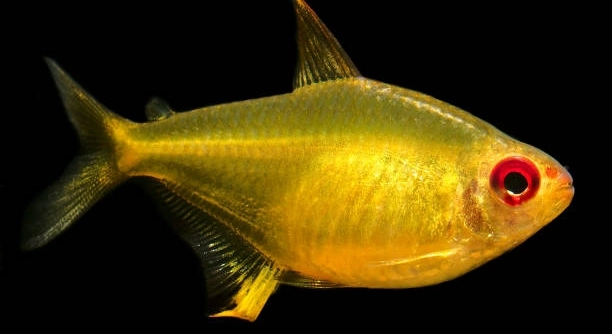
Quarantining a new lemon tetra is an important step before adding it to your main aquarium. This process helps protect both your new fish and existing inhabitants from potential diseases or stress during the transition.
The most effective method to quarantine a lemon tetra involves setting up a separate tank with controlled water conditions, monitoring its health closely for at least two weeks, and gradually acclimating it to the main aquarium to prevent disease transmission.
Following these steps ensures your lemon tetra stays healthy, and your main tank remains safe and balanced for all its inhabitants.
Setting Up the Quarantine Tank
Creating a quarantine tank for your new lemon tetra is the first step to keeping it safe and healthy. Choose a small tank, around 10 gallons, that is easy to monitor and maintain. Add a gentle filter to keep the water clean without creating strong currents. Use a heater if needed to maintain a stable temperature between 75 and 80°F. Add hiding spots like plants or small decorations to reduce stress. Fill the tank with dechlorinated water, and check the water parameters carefully, including pH and ammonia levels. It is important to establish a stable environment before introducing the fish. Place the tank in a quiet area with minimal disturbances to help your tetra adjust. A stable, calm environment reduces stress, prevents illness, and encourages normal behavior. The quarantine period gives you time to observe any signs of disease or unusual behavior before integrating the fish into your main tank.
This setup allows your lemon tetra to adjust safely while you monitor its health.
Once the quarantine tank is ready, slowly introduce the tetra to the new environment. Observe its eating habits, swimming patterns, and coloration. Any sign of lethargy, spots, or abnormal swimming should be addressed immediately. Regular water tests ensure parameters remain optimal. Feeding small portions two to three times a day prevents overfeeding and keeps water clean. Avoid adding other fish during this period. Maintain consistent lighting and avoid sudden changes in temperature. Keep a simple log to track health and behavior over the two-week quarantine.
Acclimating Your Lemon Tetra
Acclimating the tetra gradually prevents shock and reduces stress.
Start by floating the bag in the quarantine tank for 15 to 20 minutes to equalize the temperature. Slowly add small amounts of tank water to the bag every 5 minutes over an hour. After this period, gently release the tetra into the tank using a net, avoiding pouring the bag water directly. Watch its behavior closely for the first few hours to ensure it is swimming normally and exploring its surroundings. Avoid feeding immediately; give the fish time to settle. Maintain the tank’s routine, continue monitoring water parameters, and provide a calm environment. This careful acclimation sets the stage for a healthy adjustment and reduces the risk of stress-induced illness. Over the next few days, observe interactions with any tank mates, if introduced later, and ensure the tetra is eating well. Proper acclimation strengthens its immune system and supports long-term health in the main aquarium.
Monitoring Health During Quarantine
Check your lemon tetra daily for signs of illness, such as clamped fins, spots, or unusual swimming. Early detection helps prevent problems from spreading and keeps the fish healthy throughout the quarantine period.
Maintain a consistent feeding schedule with small portions. Observe whether the tetra eats normally and maintains energy. Note any changes in color, behavior, or interaction with hiding spots. Testing water parameters regularly ensures ammonia, nitrite, and nitrate levels remain safe. Keeping a simple log of these observations allows you to track progress and respond quickly if any issues appear.
Stress can weaken the immune system, so minimize disturbances and loud noises around the tank. Avoid overhandling or frequent water changes unless necessary. Providing plants and hiding spaces allows the fish to feel secure and recover from transport stress. If illness develops, isolate the fish further and treat appropriately according to symptoms. Consistent monitoring and care during quarantine improve chances for a healthy transition to the main aquarium.
Preparing for Transfer to the Main Tank
Ensure the main tank is fully cycled and stable before transfer. Water temperature, pH, and hardness should match quarantine conditions to reduce shock.
Float the tetra in its bag or container for 15 to 20 minutes in the main tank to equalize temperature. Slowly add small amounts of tank water to the container over an hour, allowing gradual acclimation. Afterward, use a net to release the tetra gently, avoiding adding quarantine water to the main tank. Observe the fish closely for the first day to ensure it is swimming normally, exploring, and accepting food.
Continue feeding small amounts and maintain consistent tank maintenance. Provide hiding spots and avoid introducing other fish immediately. Monitor behavior, interactions, and overall health. Proper preparation and careful transfer ensure a smooth integration of the lemon tetra into the main aquarium, promoting long-term wellbeing and minimizing stress during this critical stage.
Observing Behavior After Transfer
Watch your lemon tetra carefully for the first few days in the main tank. Look for normal swimming patterns, active exploration, and healthy interaction with other fish.
Check that it is eating properly and responding to its environment. Any signs of stress, hiding excessively, or refusing food should be addressed quickly to ensure its health and comfort.
Adjusting Water Parameters
Maintain stable water conditions by testing temperature, pH, and ammonia levels regularly. Gradual adjustments help the fish acclimate without stress. Monitor nitrate levels to prevent long-term health issues and keep the environment consistent for all tank inhabitants.
Feeding During Quarantine
Feed small portions two to three times daily to avoid overfeeding. Monitor intake to ensure the tetra is eating and maintaining energy levels. Adjust feeding if necessary to prevent water quality problems.
Keeping Stress Low
Minimize loud noises and sudden movements around the tank. Provide plants and hiding spaces to help the tetra feel secure and comfortable.
FAQ
How long should I quarantine a new lemon tetra?
A quarantine period of at least two weeks is recommended. This allows enough time to monitor for signs of illness, adjust to a new environment, and prevent diseases from spreading to your main tank. Observing behavior, eating habits, and color changes during this period is essential for their health.
Can I use the main tank for quarantine?
It is not recommended. Using the main tank increases the risk of introducing diseases to existing fish. A separate tank with stable conditions allows you to control water quality, observe the new tetra closely, and provide a calm environment without disturbing other tank inhabitants.
What water parameters are best for quarantine?
Maintain a temperature between 75 and 80°F, a pH of 6.5 to 7.5, and soft to moderately hard water. Regularly test ammonia, nitrite, and nitrate levels to ensure they remain safe. Stable conditions reduce stress and help the tetra maintain a strong immune system.
How often should I feed my tetra during quarantine?
Feed small portions two to three times daily. Overfeeding can pollute the water, increasing stress and illness risk. Observe if the tetra is eating consistently and adjust amounts to match its appetite, keeping water quality stable.
What should I do if my tetra shows signs of illness?
Immediately isolate the affected fish in a hospital tank if possible. Observe symptoms closely, such as spots, clamped fins, or lethargy. Use appropriate treatment based on the observed symptoms. Keeping water clean and maintaining stable conditions supports recovery.
Can I add plants and decorations to the quarantine tank?
Yes, adding plants and hiding spots reduces stress and provides security for the tetra. Simple decorations also help the fish feel comfortable while adjusting to the new environment. Avoid overcrowding the tank to ensure enough swimming space.
When can I transfer the tetra to the main tank?
Only transfer after the quarantine period and if the tetra shows no signs of illness. Gradually acclimate the fish by floating its container in the main tank and slowly adding tank water. Release gently using a net to minimize stress.
Do I need to treat the water with medications during quarantine?
Medication is not necessary unless the tetra shows symptoms of disease. Focus on maintaining clean, stable water, proper temperature, and hiding spaces. Only use treatment as needed and follow product instructions carefully to avoid harming the fish.
How can I reduce stress during quarantine?
Keep the tank in a quiet area, avoid sudden movements, and maintain consistent lighting and temperature. Providing plants, hiding spots, and a calm environment helps the tetra feel secure and adjust faster. Minimizing stress supports a stronger immune system.
Is quarantine necessary for all new fish?
Yes, it is a safe practice for all new fish, including lemon tetras. Even healthy-looking fish can carry pathogens. Quarantine protects both new and existing tank inhabitants and ensures the main aquarium remains balanced and disease-free.
How do I monitor the tetra’s health effectively?
Observe daily for normal swimming, appetite, and color. Test water parameters regularly. Keep a simple log of feeding, behavior, and any signs of illness to track changes and respond promptly if needed.
Can I skip quarantine if the fish looks healthy?
Skipping quarantine is risky. Fish can carry hidden diseases that only appear after stress or exposure to other fish. Quarantine is the safest approach to protect the main tank and ensure the long-term health of your tetra.
What is the best way to clean the quarantine tank?
Perform small water changes regularly, removing debris and uneaten food. Avoid overcleaning, which can stress the fish. Test water after each change to ensure parameters remain stable. Proper maintenance keeps the environment safe during quarantine.
How do I know the tetra is ready for the main tank?
The tetra should swim actively, eat consistently, and show no signs of illness. Water parameters in the quarantine tank should match the main tank. Gradual acclimation ensures a smooth transition and reduces stress during transfer.
Can I keep multiple lemon tetras in the same quarantine tank?
Yes, but ensure the tank is large enough to prevent overcrowding. Monitor behavior to prevent bullying or stress. A few compatible tetras can help each other feel secure, but space and hiding spots are crucial.
How long does it take for a tetra to fully adjust after transfer?
Adjustment can take a few days to a week. Monitor behavior, appetite, and interaction with other fish. Continue stable water conditions, consistent feeding, and minimal disturbances to help the tetra settle comfortably in the main tank.
Is quarantine necessary for other types of fish besides tetras?
Yes, quarantine is recommended for all new freshwater fish. Different species can carry diseases or parasites that may harm existing fish. A proper quarantine routine protects all tank inhabitants and supports long-term aquarium health.
Can I add a new tetra to the main tank without observation?
It is not advisable. Observation during quarantine helps detect issues early. Gradual acclimation, monitoring, and a controlled environment prevent stress, illness, and potential problems for both the new and existing fish.
What should I do if the tetra refuses to eat?
Try offering different high-quality foods in small amounts. Monitor closely for stress or illness. Ensure water quality and temperature are stable. If refusal continues beyond a day or two, isolate the fish and consider veterinary guidance or appropriate treatment.
How important is water quality during quarantine?
Water quality is critical. Poor conditions increase stress and disease risk. Regular testing, small water changes, and avoiding overfeeding create a safe environment for the tetra to adjust, stay healthy, and build immunity before entering the main tank.
How do I prevent diseases from spreading during quarantine?
Keep the quarantine tank isolated from the main tank. Avoid sharing equipment without disinfecting it first. Observe the tetra carefully, treat illnesses promptly, and maintain clean water to prevent pathogens from reaching other fish.
What equipment is essential for a quarantine tank?
A small tank with a heater, gentle filter, water test kits, net, and some hiding spots are essential. Optional equipment includes a thermometer, small air pump, and siphon for easy water changes. Proper setup ensures a safe and stress-free environment for the tetra.
How often should I check the tetra during quarantine?
Daily observation is ideal. Watch swimming patterns, eating habits, and coloration. Frequent checks allow early detection of problems and ensure a healthy transition to the main tank.
Can stress affect the tetra’s immune system?
Yes, stress weakens immunity and increases susceptibility to disease. Minimizing noise, sudden movements, and providing hiding spots helps the tetra feel secure and maintain a strong immune system.
How do I know if the quarantine period is complete?
After at least two weeks, the tetra shows no signs of illness, swims actively, eats well, and water parameters have remained stable. Proper observation confirms readiness for safe integration into the main aquarium.
What are common signs of disease in lemon tetras?
Look for clamped fins, faded color, spots, unusual swimming, lethargy, or loss of appetite. Early detection during quarantine allows for faster treatment and prevents spread to other fish.
Can I use medication preventively during quarantine?
Preventive medication is generally not recommended. Focus on clean water, proper feeding, and a calm environment. Use treatments only if the tetra shows symptoms, following instructions carefully to avoid harm.
How do I handle a stressed tetra?
Reduce disturbances, maintain stable water conditions, and provide hiding spots. Observe for improvement in swimming, color, and appetite. Stress management supports immunity and overall health during quarantine.
Is quarantine the same for all freshwater fish?
The basic principles are similar, but specific water parameters, temperature, and duration may vary by species. Adjust the quarantine setup to meet the needs of each fish type while maintaining observation and hygiene standards.
How long should I observe the tetra after transferring to the main tank?
Continue careful monitoring for at least a week. Ensure normal swimming, eating, and interactions with other fish. Gradual adaptation reduces stress and confirms the tetra has fully adjusted.
What if the tetra becomes aggressive after transfer?
Aggression may indicate stress, overcrowding, or incompatible tank mates. Provide more hiding spaces, observe interactions, and separate if necessary. Ensuring sufficient space and stable conditions helps reduce aggression over time.
Can I quarantine more than one fish at a time?
Yes, but ensure enough space to prevent stress and competition. Monitor closely for disease or bullying. Adequate tank size, hiding spots, and careful observation keep all fish safe and healthy during quarantine.
How do I clean the tank without stressing the fish?
Perform small, gentle water changes. Avoid strong currents, rapid temperature changes, or excessive movement. Remove debris carefully and maintain stable conditions. Stress-free cleaning supports the tetra’s adjustment and immune system.
What is the role of hiding spots in quarantine?
Hiding spots reduce stress, provide security, and allow the tetra to feel safe. Plants, small decorations, or caves mimic natural environments and encourage normal behavior during adjustment.
How often should I test water during quarantine?
Test daily for ammonia, nitrite, nitrate, and pH. Regular checks ensure water remains safe, detect problems early, and support the tetra’s health throughout the quarantine period.
Can quarantine prevent parasite transmission?
Yes, isolating new fish reduces the risk of parasites spreading to the main tank. Monitoring for symptoms and maintaining clean water minimizes the chance of infestations.
What if I see no signs of illness but the tetra is shy?
Shyness is normal in a new environment. Provide hiding spots, minimize disturbances, and allow time for the tetra to explore and build confidence. Gradual acclimation encourages natural behavior without stress.
How do I transition feeding habits from quarantine to main tank?
Continue the same diet initially to maintain consistency. Observe appetite and gradually adjust feeding schedules as needed. Consistent nutrition supports health and reduces stress during the transition.
Is quarantine required for every tank setup?
Yes, regardless of tank size or setup. Quarantine protects all fish, maintains water quality, and prevents disease, ensuring a safe and stable environment for both new and existing inhabitants.
How do I know the tetra is fully healthy after quarantine?
Active swimming, normal feeding, bright color, and no signs of illness indicate full health. Stable water parameters and calm behavior confirm the tetra is ready for the main tank.
How do I prevent accidents during quarantine transfer?
Use a net, avoid pouring water from the quarantine tank, and float the container to equalize temperature. Gentle handling reduces stress and ensures a safe transfer.
Can quarantine affect social behavior?
A short quarantine period typically does not affect social behavior. Maintaining calm conditions and gradual acclimation helps the tetra integrate normally into groups after transfer.
What is the most important aspect of quarantine?
Maintaining stable water conditions, monitoring health daily, reducing stress, and observing behavior are critical. These steps prevent disease, support immunity, and ensure a smooth transition to the main tank.
How do I track progress during quarantine?
Keep a simple log of feeding, behavior, color, and water parameters. Consistent tracking helps identify problems early and ensures the tetra remains healthy throughout the quarantine period.
Can quarantine prevent future health problems?
Proper quarantine reduces the risk of introducing disease, helps fish adapt safely, and supports long-term health. It is a preventative measure that benefits both the new tetra and the main tank’s ecosystem.
How important is observation compared to medication?
Observation is more important than preventive medication. Early detection of signs of stress or disease allows for targeted treatment and avoids unnecessary chemical exposure. Daily monitoring ensures a healthy environment and minimizes risks.
What should I do if the quarantine tank develops algae or debris?
Remove debris carefully, perform partial water changes, and maintain proper feeding. Algae growth is normal but should be controlled to keep water quality safe for the tetra.
Can quarantine be shortened if the fish appears healthy?
Shortening quarantine increases the risk of undetected disease spreading. Completing the full two-week period ensures health and protects the main tank. Patience during this period is critical for long-term success.
How do I introduce multiple fish after quarantine?
Acclimate each fish individually, observing for illness and stress. Gradually add them to the main tank while monitoring behavior to prevent aggression or disease transmission. Proper planning ensures a smooth integration.
What are signs of stress besides hiding?
Rapid gill movement, clamped fins, erratic swimming, or loss of appetite indicate stress. Adjusting the environment, reducing disturbances, and providing hiding spots help the tetra recover.
Can I use quarantine techniques for saltwater tetras or other species?
Principles are similar, but water parameters, temperature, and tank setup differ. Adjust quarantine conditions to suit the species while maintaining careful observation and isolation to prevent disease.
How do I know the quarantine was successful?
The tetra exhibits normal behavior, eats consistently, shows bright color, and has no signs of illness. Stable water conditions and smooth acclimation confirm a successful quarantine process.
What is the best way to end quarantine?
Gradually acclimate the tetra to the main tank using floating and water mixing methods. Release gently with a net, monitor closely, and continue standard care practices to ensure a smooth and healthy transition.
How can quarantine benefit long-term aquarium health?
It prevents disease introduction, reduces stress, supports immunity, and ensures new fish adjust safely. Proper quarantine practices contribute to a balanced, healthy, and thriving main tank environment.
How important is patience during quarantine?
Patience is essential. Rushing the process can lead to stress, illness, or disease transmission. Allow the tetra time to adjust, monitor carefully, and only transfer when fully ready to ensure long-term health and stability.
What should I avoid during quarantine?
Avoid overcrowding, sudden water changes, overfeeding, loud noises, and unnecessary handling. These factors increase stress and compromise the tetra’s health. Focus on stable conditions, observation, and calm care.
Can quarantine affect breeding behavior later?
A properly conducted quarantine does not negatively affect breeding. Maintaining stress-free conditions, proper nutrition, and stable water parameters supports normal reproductive behavior once the fish is settled in the main tank.
How do I handle water parameter changes during quarantine?
Make gradual adjustments to avoid shocking the fish. Test water regularly, and only correct parameters slowly if necessary. Stability is key to reducing stress and promoting health during quarantine.
Is quarantine necessary for fish bought online?
Yes, especially for online purchases. Shipping stress and unknown tank conditions increase the risk of hidden illness. Quarantine ensures the fish is healthy before adding it to your main aquarium.
How do I prepare the quarantine tank in advance?
Set up the tank at least a day or two prior, stabilize water temperature, test parameters, and add plants or hiding spots. A prepared environment reduces stress and supports a smooth introduction.
Can quarantine tanks be reused for other fish?
Yes, but clean and disinfect thoroughly between uses. Ensure water parameters are stable before adding new fish to prevent cross-contamination and maintain healthy conditions.
How do I handle fish that refuse to acclimate?
Keep them in a calm, stable environment with hiding spots. Observe for illness or stress, adjust water parameters slowly, and maintain consistent feeding. Patience and careful monitoring usually allow them to acclimate successfully.
What is the biggest mistake during quarantine?
Rushing the process, introducing untreated fish to the main tank, overfeeding, or ignoring signs of stress are common mistakes. Careful observation, patience, and stable conditions are key to successful quarantine.
How long should I keep monitoring after the quarantine period?
Continue watching the fish for at least a week after transfer. Ensure eating, swimming, and interactions remain normal. Ongoing observation helps detect late-onset issues and confirms the tetra is thriving.
Can quarantine improve survival rates for new fish?
Yes, proper quarantine significantly improves survival rates by preventing disease, reducing stress, and allowing adjustment before joining the main aquarium. It is a crucial step for healthy, long-lasting fish.
What are essential supplies for a successful quarantine?
A small tank, heater, filter, thermometer, water test kits, net, siphon, and hiding spots are essential. Optional items include an air pump and water conditioner. Proper equipment ensures a stable, safe environment for the tetra.
How do I avoid contamination during quarantine?
Use separate nets, siphons, and other tools. Wash hands and equipment thoroughly before contact with other tanks. Isolation and hygiene prevent diseases from spreading to new or existing fish.
How long does the entire quarantine process take?
Typically, two weeks for observation, acclimation, and monitoring. Some issues may require longer, but the standard period provides a safe timeframe to detect illness and adjust to the new environment.
Can quarantine affect social behavior negatively?
Short-term isolation may make a fish cautious, but normal social behavior returns once integrated into a proper tank with compatible fish. Hiding spots and calm conditions reduce stress during adjustment.
What is the best way to observe subtle signs of illness?
Check color, fin condition, swimming patterns, gill movement, and appetite daily. Small changes often indicate stress or disease, allowing early intervention before serious problems develop.
How do I deal with aggressive tank mates after quarantine?
Provide more hiding spots, increase space, or separate temporarily. Monitor interactions closely. Gradual introduction and observation reduce aggression and promote a stable, peaceful aquarium environment.
Is quarantine more important for tropical fish?
Yes, tropical fish are sensitive to stress and water changes. Quarantine ensures stable conditions, reduces disease risk, and allows for careful observation before joining the main tank.
How do I know if my quarantine methods are effective?
Healthy behavior, normal feeding, bright color, and absence of disease are indicators. Regular monitoring, stable water, and calm conditions confirm that quarantine is successful.
Can quarantine help with long-term tank stability?
Yes, preventing disease, reducing stress, and ensuring healthy new fish supports overall tank stability. It minimizes disruptions to water quality, fish interactions, and the overall ecosystem.
What should I do if the tetra shows signs of parasites?
Isolate the fish in a hospital tank and treat according to symptoms. Maintain clean water and stable conditions. Early detection and treatment prevent spread and protect other fish in the main tank.
Can quarantine prevent tank crashes?
Yes, introducing healthy fish reduces the risk of disease outbreaks and stress-related problems that can destabilize a tank. Proper quarantine supports long-term aquarium health.
How do I keep records during quarantine?
Use a notebook or digital log to record feeding, behavior, water parameters, and any signs of illness. Tracking changes ensures timely action and maintains a healthy environment.
Can quarantine be skipped for fish from trusted sources?
Even fish from reputable sources should be quarantined. Hidden illnesses or stress during transport can affect their health and the main tank. Quarantine is always the safest practice.
How do I know if quarantine has reduced disease risk?
If the tetra shows consistent health, normal behavior, and no signs of infection after two
Quarantining a new lemon tetra is an essential step that protects both the new fish and the existing tank inhabitants. Taking the time to set up a separate tank, monitor water parameters, and observe the fish closely can prevent the spread of disease and reduce stress. Many fish owners overlook this process because it seems unnecessary or time-consuming, but the benefits far outweigh the effort. A proper quarantine period allows the fish to adjust to a new environment, regain strength after transportation, and establish healthy behavior patterns before joining the main tank. This step also gives you the opportunity to detect early signs of illness, which can save you from costly treatments or losses later on. By following a consistent routine and maintaining stable water conditions, you are creating a safe and supportive environment that encourages long-term health.
The quarantine process is not complicated, but it does require attention to detail and patience. Ensuring the tank has stable temperature, appropriate pH, and clean water is critical. Feeding small portions several times a day helps maintain water quality and allows you to monitor the tetra’s appetite. Observing behavior, such as swimming patterns, hiding tendencies, and color changes, provides valuable information about the fish’s overall well-being. Gradual acclimation when transferring to the main tank helps reduce stress and prevents shock, which is a common cause of illness in newly introduced fish. Even minor changes in the environment or water parameters can affect sensitive species like lemon tetras, so careful handling and monitoring are essential. Taking small, consistent steps during quarantine ultimately contributes to a smoother integration into the main tank and promotes a more balanced and healthy aquarium environment for all fish.
Beyond the immediate benefits, quarantine fosters long-term stability and resilience in the aquarium. By isolating new fish and giving them time to adapt, you minimize the risk of introducing pathogens, parasites, or other health issues. This practice also strengthens your ability to notice subtle changes in behavior or physical condition, which can prevent problems before they escalate. Maintaining a calm, stress-free environment with hiding spots and minimal disturbances supports the tetra’s immune system and encourages natural behavior. Once the quarantine period is complete, the fish is more likely to thrive, interact well with tank mates, and establish regular feeding and activity patterns. Ultimately, following proper quarantine procedures is a responsible and effective approach that benefits both the individual fish and the overall health of the aquarium. It is a practical, preventive measure that saves time, reduces potential risks, and ensures your lemon tetra has the best chance to live a healthy, active life in its new home.

Hello,
If you enjoy the content that we create, please consider saying a "Thank You!" by leaving a tip.
Every little bit helps us continue crafting quality advice that supports the health, happiness, and well-being of pets around the world, for pets of all shapes, sizes, and species.
We really appreciate the kindness and support that you show us!