
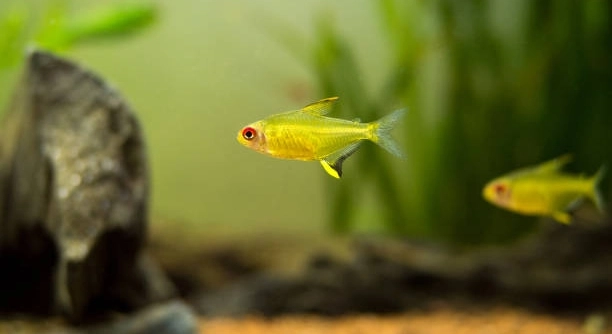
Do you ever notice your lemon tetra swimming to the corner of the tank and staying there for long periods? Observing their unusual behavior can be concerning, especially when they usually swim energetically around the aquarium.
Lemon tetras often swim to the corner and remain there due to stress, poor water quality, illness, or lack of proper hiding spots. These conditions can cause lethargy, making the fish seek a safe and quiet area.
Understanding why your fish exhibit this behavior can help you maintain a healthier environment. Proper care and observation are essential to ensure your lemon tetras thrive in their aquarium.
Common Reasons Lemon Tetras Hide in Corners
Lemon tetras may retreat to corners for several reasons, usually linked to their environment or health. Poor water quality is a frequent cause, as high ammonia, nitrite, or nitrate levels can stress fish. Temperature fluctuations or inappropriate pH can also make them uncomfortable, prompting them to seek a stable spot. Stress from aggressive tank mates or overcrowding may lead to hiding, as tetras prefer calm spaces to feel safe. In some cases, illness or internal parasites can reduce their energy levels, causing them to remain in one area. Lack of sufficient hiding spots, such as plants or decorations, may also push fish into corners. Even subtle changes, like moving the tank or adjusting lighting, can affect behavior. Observing water parameters, monitoring tank mates, and checking for signs of disease are key steps. Consistent care helps reduce these behaviors and keeps your tetras active and healthy.
Maintaining stable water conditions and providing enough cover encourages lemon tetras to swim freely rather than hiding.
Monitoring your tank regularly, adjusting water quality, and observing behavior closely allows you to identify potential issues early. Correcting problems promptly prevents long-term stress and health decline, ensuring a thriving aquarium for your tetras.
Environmental Adjustments to Encourage Active Swimming
Proper tank setup plays a vital role in promoting active lemon tetra behavior.
Ensuring the tank has sufficient plants, gentle water flow, and hiding spaces helps tetras feel secure and reduces corner-hugging behavior.
Tetras are small, sensitive fish that thrive in well-structured aquariums. Adding live or artificial plants gives them areas to explore while offering refuge when stressed. Gentle filtration avoids strong currents that can tire them out, while maintaining stable water temperature and pH prevents sudden stress responses. Providing an appropriate number of tank mates prevents bullying or overcrowding, which often drives fish into corners. Regular observation allows you to notice subtle behavioral changes, helping detect early signs of illness or discomfort. Feeding high-quality food on a consistent schedule ensures proper nutrition, supporting energy levels and natural activity. Even lighting can influence behavior, so using a balanced day-night cycle encourages regular swimming patterns. These environmental adjustments collectively promote a healthier, more natural lifestyle, keeping lemon tetras engaged and reducing prolonged corner-hugging behavior.
Signs of Stress in Lemon Tetras
Stress in lemon tetras often shows through changes in swimming patterns or appetite. Fish may hide, swim erratically, or lose interest in food. Physical signs like faded color, clamped fins, or rapid gill movement also indicate stress, signaling that the environment needs attention.
Observing stress early is important to prevent serious health problems. Stress can weaken the immune system, making tetras more vulnerable to infections. Overcrowding, aggressive tank mates, poor water quality, and sudden environmental changes are common triggers. Noticing subtle behaviors, such as unusual hiding or lethargy, can help address issues before they worsen. Regular monitoring and prompt action improve overall well-being, keeping fish more active and vibrant in their habitat.
Long-term stress can lead to chronic illness or even death if not addressed promptly. Adjusting water conditions, providing hiding spots, and ensuring compatible tank mates are effective ways to reduce stress. A stable environment supports natural behavior, encouraging swimming, exploration, and healthy feeding habits. Careful observation and consistent tank maintenance are essential to maintain stress-free conditions.
Health Issues That Cause Corner-Hugging
Certain illnesses can make lemon tetras remain in corners for extended periods.
Diseases such as ich, fin rot, or internal parasites often reduce energy levels and cause discomfort. Affected fish may avoid swimming and isolate themselves. Timely identification, proper treatment, and clean water are crucial for recovery.
Signs of illness include faded colors, torn fins, bloating, and rapid gill movement. Corner-hugging often accompanies these symptoms as the fish attempts to conserve energy or avoid stress. Water quality plays a major role in preventing disease, with regular testing for ammonia, nitrite, nitrate, and pH essential. Quarantining new fish prevents the spread of pathogens. Providing balanced nutrition strengthens immunity and helps fish recover faster. Observing behavior daily allows early intervention, improving survival rates and overall health. Ensuring a clean, stable, and well-structured environment minimizes the risk of disease recurrence.
Water Quality Concerns
Poor water quality is a common reason lemon tetras stay in corners. High levels of ammonia, nitrite, or nitrate create stress, making fish seek safe, quiet areas. Regular testing and maintenance are essential to prevent these issues.
Temperature fluctuations and incorrect pH levels also contribute to hiding behavior. Maintaining stable water conditions supports natural swimming and overall health, keeping tetras active and comfortable in their environment.
Overcrowding and Tank Mates
Overcrowding and aggressive tank mates can force lemon tetras to hide. Fish need space to swim freely and establish their own territory. Too many or overly aggressive fish increase stress, causing corner-hugging behavior. Proper stocking and observing compatibility are essential for a balanced aquarium.
Nutrition and Feeding Habits
Inadequate nutrition may reduce energy levels, causing tetras to remain inactive in corners. High-quality, varied diets ensure fish stay healthy and energetic, promoting natural swimming and social interaction in the tank.
Light and Environmental Factors
Excessive or harsh lighting can make lemon tetras uncomfortable. Providing balanced light and shaded areas encourages natural behavior and reduces prolonged corner-hugging.
Why does my lemon tetra stay in the corner all the time?
Lemon tetras often stay in corners due to stress, illness, poor water quality, or lack of hiding spaces. Stress from aggressive tank mates, overcrowding, or sudden changes in their environment can make them seek safety. Illness or parasites also reduce energy, prompting corner-hugging behavior.
How can I tell if my tetra is stressed or sick?
Signs of stress and illness include faded colors, clamped fins, rapid gill movement, loss of appetite, and unusual swimming patterns. Corner-hugging is often a visible symptom. Monitoring daily behavior and physical appearance helps identify problems early before they worsen.
What water conditions do lemon tetras need?
Lemon tetras thrive in stable water conditions with a temperature of 72–78°F, pH between 6.0–7.5, and low levels of ammonia, nitrite, and nitrate. Regular water testing and changes are essential. Sudden fluctuations in temperature or pH can stress them, causing them to hide.
Can tank mates cause corner-hugging behavior?
Yes. Aggressive or overly active fish may intimidate lemon tetras. Overcrowding also increases stress. Providing compatible species, maintaining proper stocking levels, and offering sufficient hiding spaces encourage safe swimming and reduce the need to hide.
Does diet affect activity levels in lemon tetras?
Nutrition directly influences energy and behavior. A diet lacking variety or essential nutrients can make tetras lethargic, leading them to stay in corners. Feeding high-quality flakes, small live or frozen foods, and occasional supplements helps maintain energy and active swimming.
How important are hiding spots and decorations?
Hiding spots reduce stress and allow fish to feel secure. Plants, rocks, and other aquarium decorations give lemon tetras areas to retreat without forcing them into corners. A well-decorated tank balances exploration and safety, supporting natural behavior.
Can lighting affect their swimming patterns?
Excessive or harsh lighting may make lemon tetras uncomfortable. Dim or balanced lighting encourages natural activity, while shaded areas provide refuge. Abrupt changes in light intensity can stress fish, prompting corner-hugging behavior until they adjust.
How do I prevent my lemon tetra from staying in corners?
Maintaining stable water quality, proper temperature, compatible tank mates, and a balanced diet are key. Adding decorations and plants for hiding while ensuring enough open swimming space helps tetras feel secure. Observation and prompt action on behavioral changes are essential.
When should I see a veterinarian or specialist?
If corner-hugging persists despite stable water, proper diet, and a safe environment, or if other illness signs appear, a veterinarian or aquatic specialist should be consulted. Early intervention improves recovery and reduces long-term stress.
Is occasional corner-hugging normal?
Yes. Short periods in corners can be normal, especially when fish rest or explore. Persistent hiding accompanied by other symptoms indicates stress, illness, or environmental issues that need attention.
Can frequent water changes help reduce this behavior?
Yes. Regular water changes remove toxins and maintain chemical balance, reducing stress. Clean water improves overall health and encourages natural swimming behavior, minimizing corner-hugging tendencies in lemon tetras.
Does tank size influence this behavior?
Smaller or overcrowded tanks increase stress, causing tetras to hide. Adequate tank size allows proper swimming space, reduces territorial disputes, and promotes active and healthy behavior. Proper stocking ratios are essential for a balanced environment.
Are lemon tetras social fish?
Yes. Lemon tetras are schooling fish and feel safer in groups of six or more. Isolation can increase stress and corner-hugging behavior. Keeping them in a proper-sized group encourages natural swimming and reduces anxiety.
How can I monitor their behavior effectively?
Observe your fish daily for swimming patterns, appetite, color, and fin condition. Subtle changes, like staying in corners, clamped fins, or lethargy, indicate potential issues. Keeping a log of observations helps track progress and spot problems early.
What are the most common mistakes that cause corner-hugging?
Common mistakes include poor water maintenance, overfeeding or underfeeding, overcrowding, aggressive tank mates, lack of hiding spots, sudden environmental changes, and improper lighting. Correcting these factors encourages natural behavior and reduces prolonged corner-hugging.
Can stress from new fish introductions cause this behavior?
Yes. Adding new fish can create temporary stress, especially in small tanks. Lemon tetras may retreat to corners until they adjust. Providing hiding spots and gradual acclimation helps reduce stress and promotes smoother integration of new fish.
Does temperature fluctuation affect lemon tetra activity?
Sudden changes in temperature can stress fish, making them lethargic and corner-hugging. Maintaining a stable temperature within the recommended range prevents stress and supports normal swimming patterns and social interactions.
How long does it take for lemon tetras to recover from stress?
Recovery depends on the cause and severity of stress. Minor stress from environmental changes may resolve within hours or days. Chronic stress from illness or poor conditions may require weeks and intervention. Consistent care accelerates recovery.
Can disease prevention reduce corner-hugging behavior?
Preventing disease through clean water, proper nutrition, compatible tank mates, and quarantine practices reduces the likelihood of corner-hugging caused by illness. Healthy fish are more active and display natural swimming patterns consistently.
Is corner-hugging more common in certain tank setups?
Yes. Tanks with poor water flow, minimal hiding spots, overcrowding, or aggressive fish often see more corner-hugging behavior. Optimizing tank layout and maintaining stable conditions reduces this behavior and promotes healthy activity.
Can regular observation improve their behavior?
Yes. Frequent monitoring allows early detection of stress, illness, or environmental issues. Promptly addressing problems ensures fish remain active, healthy, and less likely to spend extended periods in corners.
Lemon tetras are small, lively fish that add color and movement to any freshwater aquarium. When they start staying in corners for long periods, it usually signals that something in their environment or health needs attention. Understanding the reasons behind this behavior is key to maintaining a healthy and active tank. Stress, poor water quality, illness, overcrowding, or inappropriate tank conditions are often the main factors causing corner-hugging. Observing your fish closely and addressing changes in their behavior can prevent long-term problems and ensure they remain energetic and vibrant. Consistent care is not only beneficial for their physical health but also encourages natural swimming and social interactions, which are essential for their well-being.
Proper water maintenance is one of the most important steps in preventing lemon tetras from hiding. Regular testing for ammonia, nitrite, nitrate, and pH levels ensures that the water remains safe and stable. Even small fluctuations in temperature or water chemistry can stress the fish and cause them to isolate themselves. Beyond water quality, tank setup plays a significant role. Providing enough swimming space, plants, decorations, and gentle lighting creates a balanced environment where fish feel secure yet free to explore. Overcrowding and aggressive tank mates should also be avoided, as these conditions increase stress and push fish into corners. Balanced nutrition supports their energy and health, making them more likely to swim actively instead of remaining stationary.
Behavioral observation is equally important. Noticing subtle signs such as faded colors, clamped fins, or a lack of appetite allows early intervention before stress or illness worsens. Some corner-hugging may be temporary, especially when fish are resting or adjusting to minor changes, but prolonged or frequent hiding requires attention. Providing a stable environment, proper nutrition, compatible tank mates, and clean water creates the conditions lemon tetras need to thrive. By maintaining these factors consistently, you can reduce corner-hugging behavior, promote natural activity, and ensure your fish live healthier, more comfortable lives in the aquarium.

Hello,
If you enjoy the content that we create, please consider saying a "Thank You!" by leaving a tip.
Every little bit helps us continue crafting quality advice that supports the health, happiness, and well-being of pets around the world, for pets of all shapes, sizes, and species.
We really appreciate the kindness and support that you show us!