
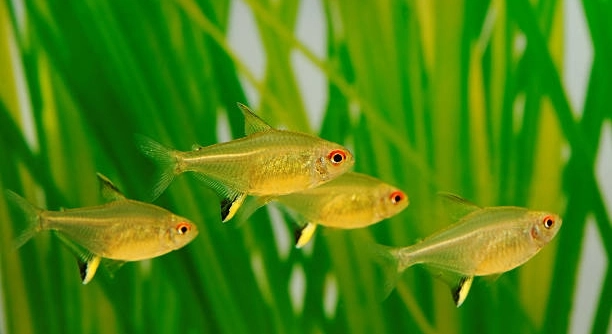
Do you ever find yourself watching your lemon tetra swim and wonder if it feels safe in its tank? Creating a secure environment is essential for these small, vibrant fish to thrive happily and healthily.
Ensuring lemon tetras feel secure involves providing adequate hiding spots, maintaining proper water conditions, keeping consistent tank mates, and establishing stable routines. These measures reduce stress, encourage natural behavior, and support their overall health and well-being.
From choosing the right plants to monitoring water quality, there are practical steps that can make a significant difference in their comfort. Implementing these strategies will help your tetras flourish in their environment.
Provide Hiding Spots
Lemon tetras feel safer when they have places to hide. Adding plants, rocks, or small caves in the tank allows them to retreat when stressed. Dense vegetation or decorations help mimic their natural habitat, which reduces fear and promotes natural swimming patterns. Floating plants also give them cover near the surface. It is important to arrange the tank so that there are multiple hiding areas accessible from different spots. Tetras are schooling fish, so having hiding spots that accommodate small groups encourages social comfort. Overcrowding or placing decorations randomly can make them stressed rather than secure. Clean and stable decorations reduce the risk of injuries. Observing their swimming patterns helps determine if they are using the spaces properly. Some tetras prefer mid-water hiding, so varied heights of plants and caves are recommended. Keeping some open swimming space ensures they can move freely while still feeling protected.
Hiding spots decrease stress and create a sense of security, allowing lemon tetras to exhibit natural behavior confidently.
Properly positioned shelters and plants not only provide comfort but also enhance the aesthetic of the tank. Monitoring usage ensures the setup meets their needs.
Maintain Stable Water Conditions
Water stability is critical for lemon tetras’ well-being. Frequent fluctuations in temperature, pH, or hardness cause stress and can lead to illness. Maintaining a consistent temperature between 72°F and 78°F is ideal, using reliable heaters and thermometers. Regular water testing ensures pH remains in the slightly acidic to neutral range. Avoid sudden changes during water changes by gradually acclimating the fish to new water. Filtration and regular cleaning prevent toxins from accumulating, which also contributes to a stable environment. Stress from unstable conditions can manifest in lethargy, loss of color, or reduced appetite. Using dechlorinated water and keeping ammonia and nitrate levels low is essential. Monitoring and adjusting water hardness supports their natural physiology and swimming comfort. Observing their behavior after water changes helps identify if conditions are suitable. Stability promotes immune strength and encourages active schooling, making lemon tetras feel safe and secure in their habitat.
Stable water conditions prevent stress and support overall health, helping lemon tetras maintain natural activity and vibrant color.
Consistency in temperature, pH, and cleanliness directly influences fish behavior. Gradual adjustments during water changes and attentive monitoring create a secure environment where tetras thrive naturally.
Keep Consistent Tank Mates
Choosing compatible tank mates reduces stress for lemon tetras. Aggressive or larger fish can intimidate them, causing hiding and erratic swimming. Peaceful species of similar size work best, allowing tetras to swim freely and school comfortably.
Keeping a stable group of peaceful fish ensures lemon tetras feel secure. Avoid sudden additions of new species, as this can disrupt their social structure and provoke stress. Observing interactions helps identify compatibility issues early. It is also important to maintain a proper ratio, so tetras are not outnumbered or crowded by other fish. Stress from incompatible tank mates can weaken immune response, reduce color vibrancy, and hinder natural schooling behavior. Providing ample space, plants, and hiding spots further supports harmonious interaction among species. Over time, stable tank mates foster confidence and normal activity, allowing lemon tetras to swim without fear and maintain a calm environment. Monitoring their behavior during feeding and general activity confirms they are comfortable with the community setup.
Maintaining compatible companions ensures a balanced tank ecosystem, reduces stress, and allows lemon tetras to display natural schooling behavior and social interaction.
Establish a Predictable Routine
Feeding at consistent times helps lemon tetras feel secure and reduces anxiety. Sudden changes in schedule can disturb their rhythm and increase stress.
A predictable routine supports their internal clock, helping them anticipate food and activity in the tank. Regular water changes, timed feeding, and maintenance schedules give them consistency. Avoid overfeeding, as leftover food can degrade water quality and create stress. Observing their response to routine allows adjustment if they seem hesitant or shy. They learn to associate certain cues, such as approaching the tank or turning on lights, with feeding or activity. Consistent environmental cues, like light cycles and temperature, further reinforce security. Sudden changes, like irregular cleaning or moving decorations frequently, can confuse and unsettle them. Over time, routines build trust and a sense of stability, promoting active swimming and interaction with tank mates. Predictable patterns also make monitoring health easier because deviations become more noticeable.
Predictable daily habits reduce stress, encourage natural activity, and reinforce security, giving lemon tetras a stable environment in which to thrive.
Provide Proper Lighting
Lemon tetras feel more comfortable under consistent, moderate lighting. Bright or flickering lights can cause stress, while dim areas help them rest and hide when needed. Maintaining a natural day-night cycle supports their overall well-being.
Avoid sudden changes in lighting intensity, as it can startle fish. Using a timer ensures consistency and reduces anxiety.
Maintain Water Quality
Regular monitoring of ammonia, nitrite, and nitrate levels is essential. Poor water quality directly affects lemon tetras’ health and sense of security. Keeping the tank clean prevents disease and allows them to swim actively without fear of toxins.
Use Gentle Filtration
Strong currents can overwhelm lemon tetras. Choosing a gentle filter ensures water moves steadily without creating stressful turbulence. Proper flow allows them to swim naturally and maintain balance.
Offer Live or Artificial Plants
Plants provide shelter, reduce stress, and create hiding spaces. They also improve water quality and mimic natural habitat conditions, making lemon tetras feel safer.
FAQ
How often should I feed my lemon tetras?
Lemon tetras thrive on small, frequent meals rather than large portions. Feeding them two to three times a day with a mix of high-quality flake or micro-pellet food, supplemented occasionally with frozen or live foods, keeps them healthy and active. Overfeeding can lead to poor water quality, which increases stress and reduces their sense of security. Observing how quickly they eat helps gauge proper portions and prevent leftovers from accumulating on the tank floor.
What is the ideal tank size for lemon tetras?
A minimum of 20 gallons is recommended for a small school of lemon tetras, as they are active swimmers and need space to move. Crowded tanks can cause stress, reduce schooling behavior, and make them feel insecure. A larger tank allows for proper hiding spots, plants, and swimming space, all of which contribute to their comfort. Ensuring the tank is long rather than tall gives them more horizontal swimming room, which mimics their natural environment and encourages normal behavior.
Can lemon tetras live with other fish?
Yes, but only with compatible, peaceful species of similar size. Aggressive or larger fish can intimidate them, causing constant hiding and stress. Tank mates like small rasboras, guppies, or other non-aggressive tetras work well. Maintaining a stable community and monitoring interactions ensures they feel safe and can school freely. Sudden introduction of new species should be avoided, as this can disrupt their social structure. Proper hiding spots, plants, and even floating cover help reduce territorial tension and improve overall comfort.
How important are hiding spots in the tank?
Hiding spots are essential for lemon tetras’ sense of security. Plants, rocks, and small caves allow them to retreat when stressed and mimic natural habitats. Providing multiple hiding areas at different heights helps accommodate their preference for mid-water or lower areas. Properly positioned shelters also reduce conflicts with tank mates, give them a place to rest, and improve overall confidence and health. Observing how often they use these spaces indicates whether the tank arrangement meets their needs.
How do I maintain stable water conditions?
Stable water conditions reduce stress and prevent illness. Lemon tetras thrive in slightly acidic to neutral pH and temperatures between 72°F and 78°F. Regular water testing, gradual water changes, and using dechlorinated water help maintain balance. Filtration keeps toxins low, while monitoring ammonia, nitrites, and nitrates ensures the environment remains safe. Sudden fluctuations in temperature or pH can cause erratic behavior, lethargy, or loss of color, so stability is critical. Gradual adjustments when needed prevent stress and maintain a secure habitat.
What role does lighting play in their comfort?
Moderate, consistent lighting helps lemon tetras feel secure. Sudden bright or flickering lights cause stress and erratic swimming, while areas of dim light or shaded plants provide resting spots. Using a timer to maintain a natural day-night cycle reinforces their internal rhythm and reduces anxiety. Observing their behavior under different lighting conditions helps ensure they have enough comfortable spaces to hide and rest.
How can I encourage natural schooling behavior?
Keeping lemon tetras in groups of at least six supports normal schooling behavior, which is critical for their sense of security. Providing open swimming areas and consistent routines helps them maintain coordination and reduces stress. Avoiding aggressive tank mates and ensuring a calm environment promotes regular schooling, improves confidence, and enhances overall health.
Do live plants make a difference compared to artificial ones?
Live plants improve water quality by absorbing nitrates, provide natural hiding spots, and mimic their native habitat, contributing to a sense of security. Artificial plants also offer shelter, but live plants additionally support ecological balance in the tank. Combining both types can enhance safety and create a comfortable environment for lemon tetras.
How do I know if my tetras feel secure?
Indicators include active schooling, bright coloration, regular feeding, and calm swimming without constant hiding. Stress signs, like hiding excessively, darting, or loss of appetite, suggest adjustments in tank mates, water quality, or hiding spots are needed. Observing behavior daily helps maintain a safe, secure environment.
Can sudden changes in the tank harm them?
Yes, sudden alterations in water, temperature, lighting, or tank layout can stress lemon tetras. Gradual introductions and careful adjustments minimize disruption, helping them remain calm and maintain healthy routines. Predictable changes, consistent schedules, and stable conditions are essential for long-term comfort and security.
Final Thoughts
Creating a secure environment for lemon tetras is essential for their health and overall happiness. These small, active fish thrive in conditions that closely mimic their natural habitat. By providing hiding spots such as plants, rocks, and small caves, they have places to retreat when stressed. Properly arranged decorations at different heights allow them to explore while still feeling protected. Floating plants or shaded areas near the surface give them cover, helping reduce anxiety during the day. Observing how they use these spaces is important, as it shows whether the tank setup meets their comfort needs. A tank that balances open swimming space with shelters encourages natural behavior, promotes confidence, and allows the tetras to display their vibrant colors. Small adjustments in placement or density of plants can make a noticeable difference in how safe they feel in the aquarium.
Maintaining stable water conditions is another critical factor. Lemon tetras are sensitive to sudden changes in temperature, pH, and water hardness. Keeping water within the recommended ranges and monitoring it regularly helps prevent stress and potential illness. Consistent water changes using dechlorinated water, along with proper filtration, keep ammonia and nitrates at safe levels. Avoiding drastic fluctuations during cleaning or water replacement ensures the tetras remain calm and healthy. Gentle water flow is also important, as strong currents can overwhelm them, while moderate movement supports swimming activity without causing stress. Monitoring their behavior after changes or maintenance allows you to see how well the environment supports their sense of security. Stable conditions, combined with proper feeding routines and compatible tank mates, create a harmonious tank that allows lemon tetras to thrive both physically and mentally.
Routine and predictability play a significant role in making lemon tetras feel secure. Feeding at consistent times, maintaining a regular light schedule, and keeping the same cleaning and maintenance patterns help them develop a sense of stability. Predictable routines reduce anxiety and encourage natural schooling, which is a vital aspect of their social behavior. Choosing peaceful, compatible tank mates further supports a calm and secure environment, as aggressive or larger fish can cause constant hiding and stress. Over time, these small but consistent practices build a healthy, stable environment where lemon tetras can display normal activity, coloration, and behavior. By paying attention to tank layout, water quality, and daily routines, you can provide a secure and nurturing habitat that supports their overall well-being. Creating such an environment not only ensures their comfort but also allows you to enjoy watching lively, confident, and healthy lemon tetras in a peaceful aquarium setting.

Hello,
If you enjoy the content that we create, please consider saying a "Thank You!" by leaving a tip.
Every little bit helps us continue crafting quality advice that supports the health, happiness, and well-being of pets around the world, for pets of all shapes, sizes, and species.
We really appreciate the kindness and support that you show us!