
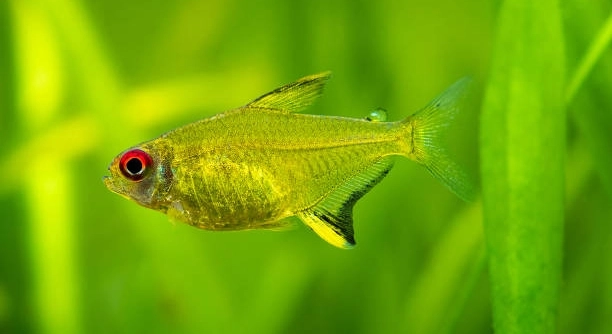
Do you enjoy keeping a vibrant aquarium filled with colorful fish but find yourself unsure about temperature requirements? Lemon tetras are popular for their striking appearance and peaceful nature, making them a favorite among hobbyists.
Lemon tetras can survive without a heater in stable, room-temperature environments, though consistent temperatures between 72-78°F are ideal. Fluctuations or cooler conditions can stress the fish, affecting health, growth, and longevity. Providing proper care is essential.
Maintaining a comfortable and safe environment for your lemon tetras is more than just avoiding extremes. Understanding their needs ensures they thrive and remain active in your aquarium.
Understanding Lemon Tetra Temperature Needs
Lemon tetras are small, tropical fish that originate from warm waters. They naturally thrive in stable temperatures, usually between 72 and 78°F. Without a heater, they can tolerate slightly lower room temperatures, but fluctuations can cause stress. Stress in fish can weaken their immune system, making them more prone to disease. Observing their behavior is essential. If they appear sluggish, hide frequently, or lose color, the water may be too cold. Filtration and aeration also play a role in maintaining a healthy tank. Even in an unheated tank, keeping water clean and oxygen-rich helps the tetras stay active and healthy. Plants and decorations provide hiding spots, which reduce stress. Adjusting tank placement to avoid drafts or cold walls can further stabilize temperature. Small adjustments can make a noticeable difference in their comfort and overall well-being. Consistency matters more than exact degrees.
Keeping your tank stable reduces the risk of illness and ensures your fish remain active and healthy.
Room temperature tanks require careful observation. Some lemon tetras adapt better than others. Slow acclimation and monitoring help prevent shock and promote long-term survival.
Signs Your Lemon Tetra Needs a Heater
Sudden color loss, lethargy, or unusual swimming patterns indicate the fish may be uncomfortable. These are early signs they need a warmer environment.
If your lemon tetras show signs of stress in cooler conditions, adding a heater is recommended. Heaters maintain a consistent temperature, reducing stress and disease risk. Fish in unstable temperatures may experience slower growth and weaker immunity. Monitoring water temperature with a reliable thermometer ensures it stays within the ideal range. Heaters with adjustable settings allow precise control, especially useful in rooms with variable temperatures. Even minor drops can impact fish over time, so consistent warmth is vital. Using a heater also supports breeding if that is a goal, as stable temperatures encourage natural behavior. Always check the heater’s placement to prevent hot spots or uneven heating. Combined with proper filtration, regular water changes, and balanced feeding, a heater helps create a safer and more comfortable environment. Small investments in equipment lead to healthier, more vibrant lemon tetras that display their best colors and behavior.
Acclimating Lemon Tetras to Cooler Water
Gradual adjustment helps lemon tetras tolerate lower temperatures. Sudden changes can shock them, affecting appetite and activity. Monitoring behavior during acclimation is important to prevent stress.
Start by placing the bagged fish in the tank for 15-20 minutes, allowing temperatures to equalize. Slowly add small amounts of tank water to the bag every 5 minutes. Repeat until the bag is full of tank water. This process typically takes 30-45 minutes. Avoid rushing; even small temperature differences can create stress. Once fully acclimated, release the fish gently into the tank, ensuring minimal disturbance. Observing them for the first few hours helps confirm they are adjusting well.
Maintaining consistent feeding during acclimation supports health. Feed smaller amounts and monitor activity. Adjusting gradually to the tank conditions helps lemon tetras remain active and reduces the risk of illness.
Alternative Ways to Maintain Comfort Without a Heater
Insulation and tank placement can help maintain stable temperatures. Avoid cold drafts and direct sunlight, which create fluctuations.
Adding live plants provides natural shading and reduces rapid temperature swings. Thick plants, floating greenery, and dense decorations help create microenvironments that buffer sudden changes. Using a lid reduces heat loss, especially in cooler rooms. Performing partial water changes with water at room temperature prevents sudden drops. Supplementing with gentle aeration ensures oxygen levels remain high, as colder water can hold oxygen but may reduce activity. Observing fish daily allows early detection of stress. Small, consistent adjustments make a noticeable difference. These methods do not replace a heater but can support the fish during cooler periods. Consistency in tank conditions is key to maintaining lemon tetra health.
Observing Behavior in Cooler Tanks
Lemon tetras may become less active in cooler water. They might stay near the surface or hide among plants more often, conserving energy.
Watch for signs of stress such as clamped fins or erratic swimming. Early observation helps prevent health issues before they worsen.
Feeding Considerations Without a Heater
Fish metabolism slows in cooler water, affecting appetite. Feed smaller, more frequent portions to prevent uneaten food from polluting the tank. Choose high-quality flakes or micro-pellets that are easy to digest, supporting energy without overloading their system.
Adjust feeding based on activity levels. If the tetras show reduced movement, reduce portion size to avoid waste. Maintaining water quality through regular cleaning becomes even more critical, as leftover food can degrade quickly. Supplementing with occasional live or frozen foods provides protein while encouraging natural foraging behaviors. Observing how the fish respond to different feeding routines helps ensure they remain healthy and active.
Water Quality Checks
Cold water can mask ammonia buildup. Regular testing ensures a safe environment for lemon tetras.
FAQ
Can lemon tetras survive in unheated tanks year-round?
Yes, lemon tetras can survive in unheated tanks if the room temperature stays stable and within a reasonable range, generally between 68-75°F. Sudden drops or prolonged exposure to temperatures below this range can stress the fish and increase susceptibility to disease. Monitoring their behavior is crucial, as lethargy, loss of color, or hiding can indicate discomfort. Tanks with proper filtration, aeration, and regular water changes support their health even without a heater. Insulating the tank or placing it away from drafts can further help maintain consistent conditions.
How do I know if my lemon tetras are stressed due to cold water?
Signs of stress in cooler water include clamped fins, sluggish swimming, reduced appetite, and hiding more than usual. Sudden color fading or erratic swimming can also indicate temperature-related stress. Observing the fish daily helps detect issues early. Providing hiding spots and gentle water flow reduces stress while maintaining stable conditions. Adjusting feeding habits, such as offering smaller, more frequent meals, can help fish cope with slower metabolism in cooler water. Maintaining clean water and stable temperatures is essential to prevent long-term health problems.
Is it safe to mix lemon tetras with other fish in a cooler tank?
Compatibility depends on the other species’ tolerance to cooler water. Peaceful, small tropical fish with similar temperature needs can coexist safely. Avoid species that require consistently warmer water or are more aggressive. Mixing incompatible species can lead to stress, aggression, or disease outbreaks. Observing interactions during the first few weeks is important to ensure all fish adapt. Providing adequate hiding spaces, plants, and decorations helps reduce stress and allows fish to establish territory. Even without a heater, careful planning ensures a balanced and harmonious community tank.
Do I need to adjust feeding in an unheated tank?
Yes, metabolism slows in cooler water, so feeding should be reduced accordingly. Offer smaller, more frequent portions to prevent uneaten food from fouling the water. High-quality, easily digestible flakes or micro-pellets are ideal. Occasional frozen or live food supplements provide protein and encourage natural foraging behavior. Observing how fish respond helps fine-tune feeding schedules. Maintaining consistent feeding routines supports overall health. Overfeeding in a cooler tank can lead to water quality issues and stress the fish, so adjusting portion size is crucial.
Can lemon tetras breed without a heater?
Breeding is possible in slightly cooler water, but it may be slower or less successful than in warmer conditions. Stable temperature and optimal water quality are critical. Providing fine-leaved plants or spawning mops encourages egg-laying. Monitor water parameters carefully, as ammonia spikes or temperature fluctuations can harm eggs or fry. Partial water changes with water at room temperature help maintain stability. Pairing healthy adults and ensuring consistent nutrition supports breeding success. While cooler water may reduce spawning frequency, careful attention to environmental conditions can still yield viable fry.
How can I maintain water quality in a cooler tank?
Regular testing for ammonia, nitrite, and nitrate is essential. Cold water slows biological filtration, so monitoring parameters more frequently helps prevent toxic buildup. Partial water changes, vacuuming the substrate, and removing uneaten food are key practices. Adequate aeration ensures oxygen levels remain stable. Using live plants helps absorb excess nutrients and reduces algae growth. Cleaning filters regularly maintains proper flow without disturbing beneficial bacteria. Observing fish behavior provides additional clues about water quality. Consistency in maintenance routines is more important than the tank temperature itself.
Are there risks to keeping lemon tetras in a room with seasonal temperature changes?
Yes, sudden shifts in temperature can stress lemon tetras, leading to illness or weakened immunity. Using insulation, avoiding drafty locations, and monitoring temperature fluctuations are essential. In colder months, consider temporary solutions like tank covers or a small heater during extreme drops. Observing fish closely helps detect stress early. Seasonal adjustments to feeding and maintenance routines also support their health. Stability is key to ensuring they remain active and vibrant throughout the year.
What is the ideal environment for lemon tetras without a heater?
A stable, room-temperature tank with moderate lighting, live plants, hiding spots, and gentle water flow is ideal. Regular maintenance, proper feeding, and observation of fish behavior help ensure health and well-being. Avoid locations near air conditioners, windows, or drafty areas. Even without a heater, small environmental adjustments maintain comfort. Consistency in tank care, water quality, and feeding routines allows lemon tetras to thrive in cooler conditions, displaying natural colors and active behavior. Proper planning creates a safe, stress-free home for these fish.
Can unheated tanks support a community of lemon tetras long-term?
Yes, a well-maintained unheated tank with stable temperature, good filtration, and compatible species can support lemon tetras long-term. Consistent observation, proper feeding, and maintaining water quality are key. Hiding spots, plants, and controlled lighting enhance stability. Regular checks for signs of stress ensure they remain healthy. Avoid overcrowding and monitor interactions, as competition can increase stress. With careful planning and attention to environmental details, unheated tanks can provide a thriving habitat for lemon tetras, allowing them to live active, healthy lives while minimizing temperature-related risks.
How do I make temperature adjustments without a heater?
Insulating the tank, placing it away from windows or drafty areas, and using thick covers help reduce heat loss. Partial water changes with slightly warmer water maintain moderate temperatures. Live plants and dense decorations create microenvironments that buffer temperature swings. Monitoring daily ensures stability.
Lemon tetras are small, hardy fish that can adapt to cooler, unheated tanks if the environment is stable. Their natural habitats experience some temperature variation, which makes them more flexible than other tropical species. However, this does not mean they thrive in cold water. Maintaining a consistent room temperature is essential to prevent stress and health problems. Even minor fluctuations can cause changes in behavior, appetite, and immune response. By observing how the fish behave, you can identify whether they are comfortable or if adjustments are needed. Providing plants, hiding spots, and gentle water flow helps create a supportive environment that compensates for the absence of a heater. Stability in the tank is more important than precise temperature numbers, as lemon tetras respond best to gradual, consistent conditions.
Proper feeding is another key factor in their long-term health. In cooler water, their metabolism slows, so smaller, more frequent meals are ideal. Overfeeding in a low-temperature tank can lead to uneaten food, which pollutes the water and increases stress on the fish. Choosing high-quality flakes or micro-pellets ensures the fish get the nutrients they need without overwhelming the tank ecosystem. Supplementing with occasional live or frozen foods adds protein and encourages natural foraging behavior. Observing their reactions to different feeding routines allows for adjustments that support activity and overall well-being. Alongside feeding, regular water maintenance, including partial water changes and monitoring ammonia and nitrate levels, is critical to keeping the tank environment safe. Attention to these details helps prevent illness and supports healthy growth.
Finally, making small environmental adjustments can make a big difference in the comfort and longevity of lemon tetras. Using insulation, avoiding drafts, and placing the tank in a stable location helps reduce sudden temperature shifts. Live plants and dense decorations provide natural shading, buffering minor fluctuations and giving fish places to retreat if they feel stressed. Even without a heater, consistent care, observation, and attention to feeding and water quality create a safe and supportive habitat. Lemon tetras may not require heated water to survive, but their health and activity depend on stability and careful management. By prioritizing consistency and closely monitoring the fish, it is possible to maintain a thriving community of lemon tetras in a cooler, unheated tank.

Hello,
If you enjoy the content that we create, please consider saying a "Thank You!" by leaving a tip.
Every little bit helps us continue crafting quality advice that supports the health, happiness, and well-being of pets around the world, for pets of all shapes, sizes, and species.
We really appreciate the kindness and support that you show us!