
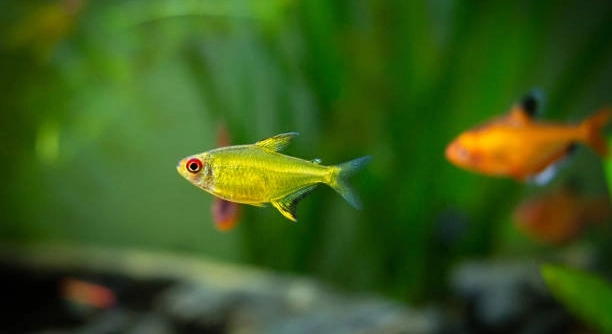
Many aquarium enthusiasts enjoy keeping lemon tetras for their bright colors and peaceful nature. These small fish can be sensitive to their environment, and small mistakes often cause stress without owners realizing the impact.
Lemon tetras become scared due to sudden movements, poor water quality, overcrowding, lack of hiding spaces, improper lighting, incompatible tank mates, and sudden temperature changes. Addressing these issues ensures a calm and healthy environment for the fish.
Recognizing these stressors early helps maintain a harmonious aquarium and supports the well-being of your lemon tetras over time.
Sudden Movements in the Tank
Lemon tetras are small, sensitive fish that can be easily startled by quick movements. When hands hover over the tank or objects are dropped nearby, these fish perceive it as a threat. Even loud noises or tapping on the glass can trigger stress responses. Over time, frequent disturbances can affect their health, leading to reduced appetite and hiding behavior. It is important to approach the tank calmly and avoid abrupt actions near the water. Observing the fish from a distance allows them to remain comfortable and feel secure. Providing consistent routines for feeding and maintenance also reduces stress. By minimizing sudden movements, lemon tetras are more likely to swim openly, interact naturally, and display their vibrant colors. The tank environment should feel stable and predictable, giving them confidence to explore. Paying attention to their reactions helps maintain their well-being and prevents chronic stress from building up.
Minimizing sudden disturbances in the aquarium keeps lemon tetras relaxed and encourages normal swimming and social behaviors.
Keeping movements slow around the tank helps the fish trust their surroundings. Over time, calm handling becomes a habit that supports their overall health. Small adjustments, like approaching the tank from the side rather than from above, can make a noticeable difference. By combining patience with careful observation, the fish become less fearful and display natural behavior, making the aquarium more enjoyable to watch.
Poor Water Quality
Maintaining clean, stable water is essential for lemon tetras to thrive.
Dirty water, high ammonia levels, and improper pH can cause stress, illness, and erratic behavior. Regular testing and partial water changes prevent these problems.
Lemon tetras are sensitive to changes in water chemistry, including temperature, pH, and hardness. Contaminants such as leftover food, waste, or decaying plants quickly degrade water quality, affecting the fish’s health. Regular water testing helps identify dangerous levels of ammonia, nitrites, and nitrates, which can harm the fish. Partial water changes, ideally 20–25% weekly, maintain a stable environment. Filtration is also crucial to remove particles and toxins while circulating water. When cleaning the tank, avoid harsh chemicals or drastic changes that could shock the fish. Adding live plants can help absorb excess nutrients and provide natural shelter. Observing the fish regularly will reveal early signs of stress or illness, such as lethargy or clamped fins. Maintaining stable water conditions allows lemon tetras to feel secure, swim actively, and enjoy a long, healthy life.
Overcrowding in the Tank
Overcrowded tanks create stress for lemon tetras, reducing swimming space and increasing competition for food. Each fish needs room to move freely, and too many fish can lead to aggression and hiding behavior.
Overcrowding increases waste production, which directly impacts water quality and can raise ammonia levels quickly. Lemon tetras are small but social, needing space to form stable groups. When space is limited, dominant fish may chase weaker ones, causing fear and injury. Reduced swimming areas also limit their ability to establish territories and exercise naturally, affecting overall health. Ensuring the tank has enough volume for the number of fish prevents stress and allows them to thrive. Observing their behavior daily helps detect early signs of overcrowding, such as constant hiding or frantic swimming.
Providing adequate space and avoiding overstocking promotes calm and healthy lemon tetras. Each fish can move comfortably, interact naturally, and maintain good health, which reduces stress significantly.
Lack of Hiding Spaces
Lemon tetras feel vulnerable without plants or structures to hide behind.
A tank with minimal cover increases stress levels and prevents natural behavior. Plants, rocks, and decorations give them places to retreat.
Lemon tetras are small, prey-oriented fish that instinctively seek shelter when they feel threatened. Open, bare tanks leave them exposed, causing constant anxiety and erratic swimming. By adding live or artificial plants, driftwood, or small caves, the fish can find safe spots to rest or escape perceived dangers. Hiding spaces reduce stress, allowing lemon tetras to focus on feeding and socializing within the group. Dense plant clusters also encourage natural schooling behavior, making the fish more comfortable and active. Regularly rearranging or adding new structures can stimulate curiosity while still offering security. Maintaining a balance between open swimming areas and sheltered zones ensures the fish feel safe while promoting healthy activity. The combination of cover and visibility helps them thrive in their environment.
Improper Lighting
Too bright or flickering lights can make lemon tetras nervous. Consistent, moderate lighting helps them feel secure and supports natural activity.
Sudden changes in lighting, especially at night, can startle fish and disrupt their sleep patterns. Gradual adjustments and a proper day-night cycle reduce stress.
Incompatible Tank Mates
Some fish are naturally aggressive or too large, which scares lemon tetras. Choosing peaceful species of similar size prevents intimidation and injury.
Sudden Temperature Changes
Lemon tetras are sensitive to water temperature fluctuations. Even small shifts can stress them, weakening their immune system and affecting behavior. Regular monitoring and stable heating help maintain a safe, comfortable environment for the fish.
How can I tell if my lemon tetras are stressed?
Stress in lemon tetras can show through several behaviors. They may hide frequently, swim frantically, or cling to the bottom of the tank. Faded colors, clamped fins, and reduced appetite are also signs. Monitoring these behaviors helps identify issues early and prevent long-term health problems.
What is the ideal tank size for lemon tetras?
Lemon tetras need space to swim freely. A minimum 20-gallon tank is recommended for a small school of 6–8 fish. Larger tanks are better if you plan to keep more fish or include other peaceful species. Adequate space reduces aggression and stress.
How often should I change the water?
Partial water changes should be done weekly, around 20–25% of the tank volume. This helps maintain water quality by reducing nitrates and removing leftover food or waste. Regular changes keep the fish healthy and active.
Can I keep lemon tetras with other fish?
Yes, but tank mates must be peaceful and similar in size. Avoid aggressive or large fish that could chase or harm them. Suitable companions include small tetras, rasboras, and Corydoras catfish, which coexist without causing stress.
How do I prevent sudden temperature fluctuations?
Use a reliable heater with a thermostat and monitor the temperature regularly. Avoid placing the tank near drafts, windows, or vents. Gradual adjustments are important to maintain a stable, comfortable environment for lemon tetras.
What kind of plants and decorations are best?
Dense plants, driftwood, and small caves provide hiding spaces that help lemon tetras feel safe. Both live and artificial plants work, but live plants also improve water quality. Arrange decorations to create a mix of open swimming areas and sheltered zones.
How bright should the lighting be?
Moderate lighting is best. Too bright or flickering lights can scare lemon tetras and disrupt their natural behavior. Use a timer to maintain a consistent day-night cycle, which supports normal activity and reduces stress.
Why do my lemon tetras hide so much?
Hiding often indicates fear or stress. Common causes include overcrowding, sudden movements, incompatible tank mates, or lack of cover. Providing shelter, maintaining good water quality, and reducing disturbances help them feel secure.
Is it normal for lemon tetras to school tightly?
Yes, schooling is natural. When they feel threatened or stressed, tight schooling increases. Observing their schooling patterns can help detect stressors early and adjust the tank environment.
Can poor water quality cause disease?
Absolutely. High ammonia, nitrite, or nitrate levels weaken immune systems, making lemon tetras susceptible to infections. Regular testing, partial water changes, and proper filtration prevent diseases and maintain healthy fish.
How often should I feed lemon tetras?
Feed small amounts once or twice daily. Avoid overfeeding, as leftover food pollutes water and causes stress. A balanced diet of flakes, micro-pellets, and occasional live or frozen food ensures proper nutrition and vibrant colors.
What should I do if my fish are stressed?
Identify the cause first, whether it’s poor water quality, tank mates, or lack of hiding spaces. Address the issue quickly by cleaning the tank, adjusting conditions, or rearranging decorations. Monitor the fish for improvement over the following days.
Are lemon tetras sensitive to noise?
Yes, loud noises and vibrations can scare them. Keep the tank in a quiet area and avoid tapping the glass. Minimizing disturbances helps them stay calm and swim naturally.
Can rearranging the tank upset them?
Sudden changes can stress lemon tetras. Rearrange gradually if needed, keeping some familiar hiding spots. This allows the fish to adapt without panic, maintaining a stable environment.
Do lemon tetras react to human presence?
They notice movement outside the tank but are generally cautious. Approaching slowly and consistently helps them recognize humans as non-threatening, reducing fear and promoting normal behavior.
How long do lemon tetras live?
With proper care, lemon tetras can live 3–5 years. Stable water conditions, a balanced diet, and a stress-free environment contribute to longevity and overall health.
What are the signs of illness in lemon tetras?
Look for faded colors, torn fins, abnormal swimming, or loss of appetite. Early detection allows prompt treatment, preventing serious health issues and supporting recovery.
Can overcrowding affect behavior?
Yes, too many fish in a tank leads to competition, hiding, and aggression. Maintaining an appropriate number of lemon tetras and compatible species reduces stress and supports normal behavior.
Are live plants better than artificial ones?
Both provide shelter, but live plants improve water quality by absorbing nitrates. They also create a more natural environment, encouraging natural behaviors and making the fish feel secure.
How do I maintain consistent water parameters?
Test water regularly for pH, hardness, and ammonia levels. Use a stable heater and avoid sudden changes in temperature or chemistry. Consistency reduces stress and supports healthy lemon tetras.
What should I avoid near the tank?
Keep the tank away from drafts, vents, loud appliances, and high-traffic areas. Sudden movements, noise, and temperature fluctuations can scare the fish and disrupt their routine.
How can I encourage natural behavior?
Provide hiding spaces, moderate lighting, and stable conditions. Allow them space to school, explore, and interact with tank mates without frequent disturbances. Observing daily helps maintain their comfort and encourages active, healthy behavior.
Why do lemon tetras sometimes dart around the tank?
Darting often indicates stress or fear. Causes include sudden movements, loud noises, or aggressive tank mates. Identifying the source and addressing it reduces panic swimming and promotes calm behavior.
Can lemon tetras tolerate changes in diet?
They adapt slowly. Sudden diet changes can stress them. Introduce new foods gradually, ensuring variety and balance. Combining flakes, pellets, and occasional live or frozen options keeps them healthy and active.
How important is tank maintenance?
Regular cleaning, partial water changes, and filter checks are essential. Neglecting maintenance causes poor water quality, stress, and disease. Consistent care ensures a safe, comfortable home for lemon tetras.
Are lemon tetras compatible with snails or shrimp?
Yes, small snails and shrimp are peaceful and generally ignored. They do not compete for space aggressively and can coexist without causing stress to the fish.
What is the best way to introduce new fish?
Quarantine new fish for at least two weeks. Slowly acclimate them to the tank’s temperature and water chemistry before adding them. This reduces stress and prevents disease transmission to lemon tetras.
How do I know if my lemon tetras are comfortable?
Signs of comfort include normal schooling, active swimming, bright colors, and regular feeding. Calm behavior and occasional exploration of hiding spots indicate they feel secure in their environment.
What common mistakes stress lemon tetras?
Sudden movements, overcrowding, poor water quality, incompatible tank mates, lack of hiding spots, improper lighting, and temperature fluctuations are frequent stressors. Identifying and correcting these issues helps maintain healthy, active, and stress-free fish.
Can stress affect reproduction?
Yes, stressed lemon tetras may not breed or may show reduced egg production. A calm, stable environment with proper water quality and hiding spots encourages natural reproductive behavior.
How can I make my aquarium more natural?
Include plants, driftwood, and substrate for hiding spaces. Moderate lighting, gentle water flow, and compatible tank mates replicate natural conditions, reducing stress and encouraging normal behavior.
Are lemon tetras prone to specific diseases?
They are susceptible to common freshwater fish illnesses like fin rot, ich, and bacterial infections. Stress, poor water quality, and overcrowding increase risk. Early detection and treatment are critical for recovery.
What is the best feeding routine?
Feed small portions once or twice daily. Remove leftover food to prevent water contamination. A consistent routine supports health, reduces stress, and promotes natural activity.
Do lemon tetras need a heater year-round?
Yes, maintaining stable temperatures between 72–78°F supports metabolism and immune function. Fluctuating temperatures can stress the fish and cause illness.
Can they recognize their owner?
They may recognize movement patterns and approach during feeding, but recognition is limited. Consistent care helps them associate humans with safety and food rather than stress.
How important is monitoring fish behavior?
Observing daily swimming, feeding, and social behavior helps detect stress or illness early. Prompt action maintains health, reduces fear, and ensures a stable environment for lemon tetras.
What are signs of a well-maintained tank?
Clear water, active fish, thriving plants, and no unusual smells indicate proper maintenance. Regular checks of temperature, pH, and ammonia ensure a healthy habitat for lemon tetras.
Can sudden changes in decorations harm them?
Yes, abrupt rearrangements can stress fish. Move objects gradually while keeping familiar hiding spots available to minimize anxiety and allow adaptation.
How long do lemon tetras take to adapt to a new tank?
They usually adjust within a few days to a week, provided water quality is stable, hiding spaces are available, and there are no aggressive tank mates. Observation ensures smooth acclimation.
What lighting schedule works best?
Around 8–10 hours of light per day with gradual transitions supports activity and rest. Using a timer maintains consistency and reduces stress.
How often should I test water parameters?
Weekly testing for ammonia, nitrites, nitrates, and pH is recommended. Frequent monitoring prevents sudden issues and ensures a healthy, comfortable environment for lemon tetras.
Can lemon tetras live alone?
No, they are schooling fish and need groups of at least 6 to feel secure. Isolation causes stress, hiding, and abnormal behavior.
What role do plants play in reducing stress?
Plants provide shelter, absorb excess nutrients, and create a natural environment. Dense foliage allows lemon tetras to retreat and feel safe, reducing fear and promoting calm behavior.
How do I safely clean the tank?
Use aquarium-safe tools, avoid harsh chemicals, and perform partial water changes regularly. Clean substrate and decorations carefully to maintain water quality without shocking the fish.
Can feeding too much stress lemon tetras?
Yes, excess food pollutes water, causing poor conditions and stress. Feeding small portions ensures nutrition without compromising water quality or fish health.
Do lemon tetras interact socially?
Yes, schooling and synchronized swimming are social behaviors. A peaceful group environment encourages natural interactions and reduces stress, making the tank lively and healthy.
Are they sensitive to sudden noises?
Yes, loud bangs, claps, or household vibrations can startle them. Keeping the tank in a quiet area ensures calm, natural behavior and reduces fear responses.
How can I prevent illness in lemon tetras?
Maintain clean water, stable temperature, appropriate tank mates, and a balanced diet. Observing behavior regularly helps catch early signs of stress or disease, ensuring long-term health.
Why is consistency important for lemon tetras?
Stable conditions, feeding schedules, and lighting reduce stress and promote normal activity. Consistency builds a secure environment, encouraging healthy growth, behavior, and longevity.
What should I do if one fish shows signs of stress?
Isolate the fish if necessary, check water parameters, provide hiding spaces, and reduce disturbances. Prompt action prevents illness and helps the fish recover quickly.
Can lemon tetras live with other tetra species?
Yes, most small, peaceful tetras coexist well. Mixing similar species maintains calm schooling behavior without aggression. Compatibility depends on size, temperament, and water requirements.
Are decorations purely aesthetic or functional?
They serve both purposes. Plants, rocks, and caves offer shelter and hiding spots while enhancing the visual appeal of the tank. Functional décor reduces stress and supports natural behavior.
What is the main reason lemon tetras hide frequently?
Fear from sudden movements, poor water quality, lack of cover, or aggressive tank mates causes hiding. Addressing these stressors encourages more active, confident behavior.
How do I gradually introduce new tank mates?
Quarantine for two weeks, then slowly acclimate to temperature and water chemistry. Monitor interactions closely to prevent stress or aggression toward lemon tetras.
Can I use artificial plants exclusively?
Yes, they provide shelter and decoration but do not improve water quality. Ensure enough hiding spaces are available for comfort.
How do I maintain a healthy school of lemon tetras?
Keep at least six fish, maintain water quality, provide hiding spots, and ensure compatible tank mates. Observing behavior helps maintain harmony and reduces stress.
Are lemon tetras prone to stress-related diseases?
Yes, chronic stress lowers immunity, increasing risk for infections like fin rot or ich. Reducing stressors and maintaining stable conditions prevents illness.
Can water temperature affect color and behavior?
Yes, improper temperatures can dull colors and slow metabolism. Stable temperatures encourage bright coloration, active swimming, and normal schooling.
How do I know if my fish are happy?
Active swimming, normal schooling, bright colors, and regular feeding indicate comfort. Calm behavior with occasional retreat into shelters shows a secure environment.
What is the most common mistake new owners make?
Overcrowding, sudden movements, poor water quality, and lack of hiding spots are frequent mistakes that stress lemon tetras. Correcting these ensures a calm, healthy aquarium environment.
How can I encourage schooling behavior?
Provide enough space, compatible tank mates, and minimal disturbances. Hiding spots and moderate lighting help fish feel safe to swim together naturally.
Are lemon tetras sensitive to pH changes?
Yes, sudden shifts can stress them. Maintain a stable pH between 6.5–7.5, testing regularly to ensure comfort and health.
How do I make feeding less stressful?
Feed consistently at the same time and in small portions. Avoid sudden movements near the tank to prevent startling the fish.
Can stress affect coloration?
Yes, stressed lemon tetras may lose vibrancy. Stable conditions, good water quality, and reduced disturbances help maintain bright, healthy colors.
How important is tank location?
Place the tank away from high traffic, loud appliances, or direct sunlight. A quiet, stable location reduces stress and supports natural behavior.
Do lemon tetras need a specific substrate?
Fine gravel or sand works best, allowing plants to root and providing a natural environment. Avoid sharp substrates that could injure delicate fins.
How do I keep their environment predictable?
Consistent lighting, feeding, temperature, and minimal disturbances create a secure, stress-free habitat, encouraging healthy behavior and vibrant colors.
Are lemon tetras sensitive to chlorine or chloramine?
Yes, tap water must be treated before use. Chemicals can harm gills, stress the fish, and lead to illness. Using a dechlorinator ensures safe water.
How do I monitor ammonia levels effectively?
Use a reliable test kit weekly. High ammonia causes stress, illness, and abnormal behavior. Maintaining low levels is crucial for a healthy aquarium.
Can overcrowding affect water parameters?
Yes, too many fish increase waste, raising ammonia and nitrate levels. Maintaining proper stocking prevents stress and maintains water quality.
Is it normal for lemon tetras to occasionally hide together?
Yes, schooling fish often seek shelter as a group when stressed or resting. Providing adequate hiding spaces ensures safety and reduces fear.
How do I balance hiding spots with open space?
Arrange plants and decorations to create zones for retreat and swimming. Open areas allow exercise while shelters provide security, maintaining natural behavior.
Are live plants difficult to care for?
Not necessarily. Choose low-maintenance species, provide moderate lighting, and trim when needed. Live plants improve water quality and offer shelter for lemon tetras.
Can stress shorten their lifespan?
Yes, chronic stress weakens immunity, slows growth, and increases susceptibility to disease. Reducing stressors supports long-term health and longevity.
How can I keep lemon tetras calm during maintenance?
Move slowly, avoid sudden movements, and limit loud noises. Perform water changes gradually, keeping some familiar decorations in place to maintain security.
What is the best way to acclimate new fish?
Float the bag in the tank to match temperature, slowly mix tank water, and monitor behavior before release. Gradual acclimation reduces shock and stress.
Can lemon tetras tolerate minor water fluctuations?
They are sensitive, so even small changes in temperature, pH, or hardness can cause stress. Maintaining stable parameters is crucial for comfort.
How often should I observe fish behavior?
Daily observation helps detect stress, illness, or aggression early. Consistent monitoring ensures a healthy, calm environment and prevents long-term problems.
Do lemon tetras benefit from a planted tank?
Yes, plants provide hiding spots, improve water quality, and create a natural environment that reduces stress and encourages schooling behavior.
Can they survive in bare tanks?
Yes, but stress is higher without hiding spots. Bare tanks may result in increased hiding, erratic swimming, and weaker coloration. Adding cover improves comfort.
How do I handle sick fish without stressing others?
Quarantine sick fish in a separate tank, treat with appropriate medication, and monitor water parameters to prevent disease spread and minimize stress.
Are lemon tetras sensitive to light flicker?
Yes, inconsistent or flickering lights can startle them. Use stable lighting and a timer to maintain a calm, predictable environment.
How can I prevent bullying in a school?
Ensure enough space, proper stocking, and compatible species. Avoid aggressive fish and provide hiding spots to allow weaker individuals to retreat safely.
What is the ideal water temperature range?
72–78°F is optimal. Stable temperatures prevent stress, support metabolism, and maintain bright colors. Sudden changes can cause fear and illness.
Can lemon tetras live with bettas?
It depends on the betta’s temperament. Some may be aggressive, causing stress. Observing interactions closely is essential to ensure safety.
How can I encourage natural feeding behavior?
Feed small portions at intervals, provide live or frozen foods occasionally, and avoid sudden movements during feeding. This promotes natural hunting and reduces stress.
Do lemon tetras need a strong filter?
Moderate filtration is sufficient. Too strong currents can stress them, while gentle circulation maintains water quality and oxygen levels.
Can stress lead to fin damage?
Yes, frightened or overcrowded fish may injure fins while darting or hiding. Reducing stressors prevents physical damage and promotes recovery.
How do I prevent nitrate buildup?
Regular partial water changes, live plants, and proper feeding help keep nitrate levels low, reducing stress and maintaining healthy conditions.
Can sudden tapping on the tank scare them?
Yes, any sudden vibration or noise can trigger panic swimming. Keeping noise low and movements slow ensures calmer behavior.
Is it normal for lemon tetras to color fade temporarily?
Lemon tetras are small, colorful fish that can bring a lot of life to a home aquarium. Their natural beauty and peaceful nature make them appealing, but they are sensitive and easily stressed by their environment. Understanding what frightens them and taking steps to reduce stress is essential to keeping them healthy. Factors such as sudden movements, poor water quality, overcrowding, lack of hiding spaces, incompatible tank mates, improper lighting, and sudden temperature changes can all make lemon tetras fearful. By recognizing these common stressors, fish owners can create a more stable and secure environment that encourages natural behavior and healthy development.
Maintaining a calm and consistent environment for lemon tetras requires attention to detail and a steady routine. Regular water testing and partial water changes keep water quality high, preventing toxic buildup that can harm fish. Providing a proper tank size and avoiding overcrowding ensures each fish has enough space to swim freely and interact with its school without fear or competition. Adding plants, decorations, and hiding spots allows the fish to retreat when they feel threatened, reducing anxiety and encouraging natural behavior. Lighting should be moderate and consistent, and temperature should remain stable to avoid shock or stress. Selecting compatible tank mates is also important to prevent aggression and maintain a peaceful community.
Watching lemon tetras closely can provide insights into their comfort and well-being. Calm, active swimming, schooling behavior, bright coloration, and regular feeding are all signs that the fish feel secure. When problems arise, such as hiding, clamped fins, or erratic swimming, taking immediate steps to address the cause can prevent long-term health issues. Over time, maintaining consistent water parameters, a balanced diet, and a safe, quiet environment helps the fish thrive and live longer, healthier lives. Small adjustments in care can make a significant difference, making lemon tetras less fearful and more interactive, resulting in a more enjoyable aquarium experience for both the fish and the caretaker.

Hello,
If you enjoy the content that we create, please consider saying a "Thank You!" by leaving a tip.
Every little bit helps us continue crafting quality advice that supports the health, happiness, and well-being of pets around the world, for pets of all shapes, sizes, and species.
We really appreciate the kindness and support that you show us!