
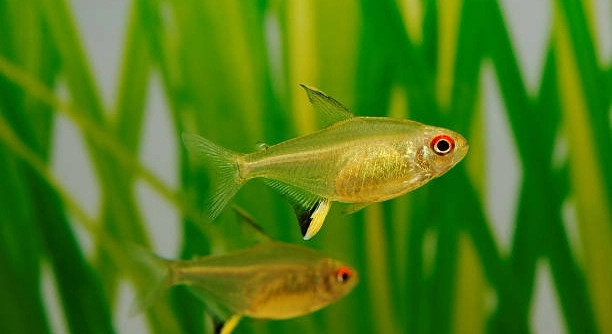
Lemon tetras are small, colorful fish that bring life to any aquarium. Watching them swim can be calming, but their health can change quickly if early signs of illness are missed. Awareness is key to keeping them safe.
A sick lemon tetra often shows subtle changes in behavior and appearance. Signs include faded coloration, clamped fins, lethargy, loss of appetite, or unusual swimming patterns. Early detection and intervention are essential to prevent serious health issues and potential death.
Knowing what to watch for can make a real difference. Small adjustments in care and observation can protect your fish before problems escalate.
Common Signs of Illness in Lemon Tetras
Lemon tetras often show clear changes when they become sick. Their fins may look clamped or frayed, and their colors might fade, making them appear duller than usual. You might notice a lack of movement or unusual swimming patterns, like floating near the surface or hiding at the bottom. Appetite changes are another strong indicator. A healthy tetra will eagerly eat at feeding time, but a sick one may ignore food entirely. Sometimes, the fish may have visible spots, swelling, or bloating. Keeping a close eye on these details during daily observation helps you detect illness early. Environmental stress, like poor water quality or sudden temperature changes, often triggers health issues. Maintaining a stable and clean tank can prevent many common problems. Observing subtle behavior shifts is often the first line of defense in protecting your lemon tetras’ health.
Early detection improves survival rates and reduces the need for serious treatment.
Careful observation, combined with consistent maintenance, allows you to notice minor changes before they escalate. Regular water checks, proper diet, and avoiding overcrowding are practical ways to reduce stress. Tracking behavior and appearance daily helps ensure any illness is caught promptly. Once symptoms are identified, targeted treatment can begin immediately. Some health problems respond well to simple interventions like adjusting water parameters or isolating an affected fish. Others may require medication or professional advice. Understanding the specific needs of lemon tetras, including their preferred temperature and diet, makes managing their health easier. Prevention remains more effective than treatment, but knowing the early warning signs ensures that you can act quickly. Consistency in care, attention to detail, and prompt action when symptoms appear significantly improve the overall well-being of your tetras.
Maintaining a Healthy Environment
Regular tank maintenance is essential to prevent disease. Clean water and proper filtration reduce stress and illness risk.
Water quality is one of the most critical factors for keeping lemon tetras healthy. Regular water changes remove harmful chemicals and waste that accumulate over time. Testing parameters such as pH, ammonia, nitrite, and nitrate ensures the environment remains stable. Overcrowding can increase stress and promote disease, so avoid adding too many fish at once. Temperature consistency is also important, as sudden fluctuations can weaken immune systems. Providing hiding spots and live plants can help reduce stress and mimic natural habitats. Feeding a balanced diet with high-quality flakes or small frozen foods supports their immune system. By creating a stable, clean, and enriched environment, you reduce the chances of illness significantly. Maintaining these habits consistently ensures your lemon tetras stay vibrant and active, giving them the best chance for long-term health and happiness.
Quarantine and Isolation
Separating a sick lemon tetra from the main tank prevents the spread of illness. A small quarantine tank with clean, treated water allows for close monitoring and easier treatment. Isolation reduces stress on other fish and increases recovery chances.
A quarantine tank should have similar water conditions to the main tank, including temperature, pH, and hardness. Adding a gentle filter and minimal decorations helps the fish feel secure without introducing complications. Feeding small, frequent meals can encourage eating. Observing behavior closely allows early detection of improvement or worsening symptoms. Medication, if necessary, is easier to administer in a smaller tank. Quarantine also reduces the risk of exposing healthy fish to potential parasites or bacteria. Overall, isolation provides a controlled environment that supports recovery.
Prompt attention during quarantine is critical. Even minor changes in swimming or appetite should be noted, as they indicate progress or further treatment needs. Treating early increases the likelihood of full recovery.
Common Treatments and Remedies
Salt baths or medicated food can be effective for minor infections. Using treatments according to instructions prevents harm to the fish and tank environment.
Medications vary depending on the type of illness. Bacterial infections may require antibiotics in food or water, while fungal infections respond better to antifungal treatments. Parasites often need specific anti-parasitic medications. Always remove carbon from filters during treatment to prevent absorption of medication. Maintaining stable water parameters during treatment is essential, as fluctuations can stress the fish further. Tracking the fish’s response helps determine if the treatment is effective. Overuse of medication should be avoided to prevent resistance or toxicity. Combining careful observation with proper treatment increases the chances of restoring your lemon tetra to full health.
Diet Adjustments for Recovery
Feeding high-quality, varied foods strengthens a sick lemon tetra’s immune system. Small, frequent meals are easier to digest and encourage eating. Avoid overfeeding, as leftover food can harm water quality and slow recovery.
Including frozen or live foods provides essential nutrients. Flake food alone may not supply everything needed during illness. Maintaining a balanced diet supports energy and healing.
Monitoring Behavior Closely
Observe swimming patterns, appetite, and interaction with other fish. Sudden changes can indicate improvement or worsening health. Keeping notes helps track recovery over days.
Stress Reduction Techniques
Minimizing sudden movements near the tank and maintaining consistent lighting can reduce stress. Stress weakens the immune system and slows recovery, so a calm environment is essential.
Recognizing Early Warning Signs
Changes in color, fin position, or activity levels often appear before severe illness. Early recognition allows prompt intervention, improving survival chances.
FAQ
How can I tell if my lemon tetra is sick?
A sick lemon tetra often shows subtle but noticeable changes. Look for faded or dull colors, clamped or frayed fins, lethargy, or unusual swimming patterns such as floating near the surface or hiding at the bottom. Loss of appetite is also a key sign. Physical changes like swelling, spots, or bloating indicate illness. Daily observation is the easiest way to detect these signs early. Noticing small differences in behavior or appearance can make a big difference in timely treatment and recovery.
What should I do first if I notice a sick tetra?
Immediately consider isolating the affected fish in a quarantine tank. A small tank with similar water conditions reduces stress and prevents the illness from spreading to other fish. Ensure the quarantine tank has a gentle filter, clean water, and minimal decorations. Observe the fish closely for behavior, appetite, and appearance. Administer any necessary treatment in this controlled environment. Frequent but small feedings can help maintain energy during recovery. Early action improves survival chances significantly and reduces complications.
How often should I check water conditions?
Water should be tested regularly, ideally weekly, for ammonia, nitrite, nitrate, and pH levels. Temperature consistency is also important. Sudden changes can weaken a tetra’s immune system, making them more susceptible to disease. Cleaning the tank and performing partial water changes help maintain stability. Using a reliable test kit ensures accuracy. Monitoring water quality is one of the most effective ways to prevent illness before it starts. Healthy water conditions support both recovery and long-term well-being for your tetras.
Can diet affect illness prevention or recovery?
Yes, feeding a balanced, varied diet strengthens the immune system. High-quality flakes alone may not be enough. Supplementing with frozen or live foods provides essential nutrients that support healing. Feeding small, frequent meals encourages eating, especially for sick fish. Avoid overfeeding, as leftover food can reduce water quality, creating stress and promoting disease. A consistent, nutrient-rich diet works alongside clean water and proper care to improve recovery and prevent illness in the future.
Are medications always necessary?
Not every health issue requires medication. Minor stress or temporary illness may improve with isolation, proper diet, and water maintenance. However, bacterial, fungal, or parasitic infections often need targeted treatment. Follow instructions carefully and avoid overuse. Remove carbon from filters when using water medications to ensure effectiveness. Monitoring response to treatment helps determine if further action is needed. Combining observation, environmental control, and medication when required gives the best chance for full recovery.
How long should a sick lemon tetra stay in quarantine?
Quarantine duration depends on the illness and response to treatment. Usually, one to two weeks is sufficient for minor infections, but more severe cases may take longer. Monitor behavior, appetite, and appearance daily. Ensure water conditions remain stable throughout. Only return the fish to the main tank when fully recovered and free of visible symptoms. Proper quarantine prevents the spread of disease and allows safer reintegration with other fish.
Can stress cause illness in lemon tetras?
Yes, stress significantly impacts health. Sudden movements near the tank, changes in lighting, poor water quality, overcrowding, or aggressive tank mates can all stress tetras. Stress weakens the immune system and increases susceptibility to disease. Reducing stress through consistent care, hiding spots, and stable environmental conditions supports recovery and overall health.
What are the most common diseases in lemon tetras?
Bacterial infections, fungal growths, and parasitic infestations are the most frequent problems. Symptoms vary, but often include changes in color, fins, swimming patterns, or appetite. Early detection and proper treatment prevent worsening conditions. Maintaining clean water, proper diet, and stress-free conditions lowers the risk of disease.
How can I prevent future illnesses?
Consistent tank maintenance, balanced diet, stable water conditions, and stress reduction are essential. Avoid overcrowding, quarantine new fish, and monitor behavior daily. Acting on early warning signs ensures problems are managed before they escalate. Preventive care is more effective than treatment and helps keep lemon tetras vibrant and active for years.
Is it safe to mix lemon tetras with other fish?
Yes, but choose compatible species that are peaceful and similar in size. Aggressive or larger fish can stress tetras, increasing illness risk. Always monitor interactions and ensure enough space. Providing hiding spots and plants allows tetras to retreat if needed, reducing stress and maintaining a healthier environment overall.
Final Thoughts
Caring for lemon tetras requires attention to both their environment and their behavior. These small fish are sensitive to changes in water quality, temperature, and tank mates. Even minor fluctuations can cause stress, which makes them more vulnerable to illness. By maintaining a clean and stable tank, you create conditions that allow your tetras to thrive. Regular water testing, partial water changes, and proper filtration are essential practices. Paying attention to tank decorations, hiding spots, and gentle lighting can also reduce stress, making your fish more resilient to potential health issues. When their environment is consistent and supportive, lemon tetras are more likely to remain active, colorful, and healthy over the long term.
Monitoring behavior daily is equally important. Observing swimming patterns, feeding habits, and general appearance helps detect problems before they become severe. Signs like dull coloration, clamped fins, hiding, or loss of appetite often indicate early illness. Promptly isolating affected fish in a quarantine tank prevents the spread of disease and allows focused care. Providing a varied diet of high-quality flakes, frozen, or live foods supports recovery and strengthens the immune system. Small, frequent meals encourage eating, especially for sick fish. Keeping detailed notes on behavior, water quality, and feeding habits helps track progress and informs any adjustments in care. Early detection, combined with proper treatment and a stress-free environment, significantly improves recovery chances.
Consistency in care is the foundation of maintaining healthy lemon tetras. Regular observation, proper feeding, and attentive tank management work together to prevent illness and promote long-term well-being. Stress reduction, appropriate quarantine procedures, and correct use of medications when necessary ensure that minor issues do not turn into serious problems. By understanding the specific needs of lemon tetras and acting promptly when changes occur, you can keep them vibrant and active. Healthy tetras not only enhance the visual appeal of your aquarium but also contribute to a balanced and stable aquatic environment. With careful attention and ongoing care, you create a supportive space where lemon tetras can thrive safely and enjoy a strong, healthy life.

Hello,
If you enjoy the content that we create, please consider saying a "Thank You!" by leaving a tip.
Every little bit helps us continue crafting quality advice that supports the health, happiness, and well-being of pets around the world, for pets of all shapes, sizes, and species.
We really appreciate the kindness and support that you show us!