
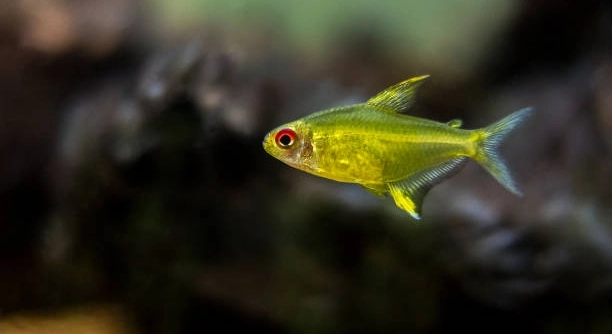
Do you ever find yourself excited to add new Lemon Tetras to your aquarium but worry about potential risks they might bring? Quarantining these small, vibrant fish first can help protect both your existing tank and the newcomers from unseen problems.
Quarantining Lemon Tetras before introducing them to a main tank reduces the risk of disease transmission, allows for monitoring of health and behavior, and ensures the fish acclimate properly. This practice supports overall tank stability and long-term aquatic welfare.
Taking this simple precaution can save time, prevent stress for your fish, and maintain a healthy environment in your aquarium.
Preventing Disease Transmission
Lemon Tetras are small and delicate, making them vulnerable to infections that can spread quickly in a community tank. By keeping them in quarantine, you create a controlled environment where any signs of illness can be spotted early. This prevents diseases from spreading to established fish, which could otherwise result in serious losses. Even minor parasites or bacterial infections that seem harmless at first can escalate, affecting the overall health of the aquarium. Quarantine also gives you the chance to treat the fish with medication if needed, without exposing others. Observing them closely allows you to notice behavioral changes or physical symptoms that may indicate stress or sickness. This precaution is particularly important when buying from stores where fish have been in crowded tanks. A simple quarantine setup with clean water, gentle filtration, and consistent temperature can make a significant difference in keeping your main tank safe and stable.
Quarantining protects your tank’s ecosystem while giving new fish a safe start before mixing with established inhabitants.
This method also allows you to monitor feeding habits and activity levels, which can reveal hidden health issues. Gradually acclimating the fish to the tank’s water parameters reduces stress and strengthens their immunity. Over time, this approach builds a stable, harmonious aquarium where fish thrive and tank management becomes easier.
Observing Behavior and Acclimation
Monitoring Lemon Tetras in quarantine helps you understand their normal behavior and activity patterns.
Spending time observing the fish allows you to identify signs of stress, aggression, or social issues before introducing them to the main tank. You can ensure they are eating properly, swimming actively, and adjusting to water conditions without pressure.
Quarantine provides a calm environment where fish are not competing for food or territory, which helps them settle more easily. During this period, you can introduce minor environmental changes, such as gradual adjustments to water temperature or pH, to match the main tank. This careful acclimation reduces shock and increases the chances of long-term survival. By watching interactions and feeding closely, you also learn which fish are more dominant or timid, which can help in planning their placement in the main aquarium. Overall, observing Lemon Tetras in a separate space ensures they are healthy, balanced, and ready to thrive once introduced to a community tank.
Reducing Stress for New Fish
Quarantine tanks give Lemon Tetras a calm space away from aggressive or territorial fish. They can adjust to new water conditions and feeding routines without pressure.
A separate tank reduces stress significantly. In a busy community tank, new fish often face chasing or competition for food, which can weaken their immune system. In quarantine, they can eat comfortably and explore their environment at their own pace. Stress-free adjustment helps them build strength, making them more resilient when eventually introduced to the main tank. It also allows you to spot early signs of stress, such as hiding or loss of appetite, so you can act before serious issues develop.
Keeping fish in a peaceful quarantine environment also helps them adapt socially. Observing interactions with tank mates of the same species ensures they form proper schooling behavior. Healthy, confident fish are less likely to be bullied or stressed later, supporting long-term tank harmony and minimizing sudden health problems.
Easier Treatment and Observation
Quarantining makes it easier to treat any illnesses without affecting the main tank.
When a Lemon Tetra shows signs of disease, treating them in a small tank is far simpler. Medications are more effective, doses are easier to control, and water quality is easier to maintain. You can observe how the fish respond to treatments daily. This approach minimizes exposure to other fish, preventing potential outbreaks.
Regular observation in quarantine also allows you to monitor subtle changes in behavior or appearance. Small shifts in coloration, swimming patterns, or appetite can indicate health issues that might go unnoticed in a crowded main tank. Early detection improves treatment outcomes. Quarantine ensures that any necessary interventions are safe, targeted, and efficient, reducing risks for both new and established fish. This practice also provides reassurance that the fish is genuinely healthy before permanent introduction.
Preventing Parasite Infestations
Quarantine tanks allow you to identify and treat parasites before they reach the main tank. This step helps maintain the health of all your fish and prevents long-term problems.
Early detection in quarantine makes treatment easier and more effective. You can isolate affected fish and administer medication without risking contamination of the entire aquarium.
Monitoring Feeding Habits
Observing Lemon Tetras in quarantine helps ensure they are eating properly and maintaining good health. Changes in appetite can indicate stress or illness. Feeding in a calm environment allows you to notice which fish are strong eaters and which may need extra care.
Adjusting to Water Parameters
Quarantine gives fish time to acclimate to your tank’s specific temperature, pH, and hardness. Gradual adaptation reduces shock and stress when they are moved to the main tank.
Identifying Behavioral Issues
Quarantine allows you to spot aggression or unusual behavior early. Recognizing these traits helps prevent conflicts once the fish join the community tank.
FAQ
How long should I quarantine Lemon Tetras?
A quarantine period of at least two to four weeks is recommended. This allows enough time to monitor for illnesses, parasites, or stress-related issues. During this period, daily observation is essential to ensure the fish are healthy and eating normally.
What equipment do I need for a quarantine tank?
A simple quarantine setup requires a small tank, a gentle filter, a heater to maintain stable temperature, and a thermometer. Optional items include a sponge filter for soft water flow and hiding spots like plants or small decorations to reduce stress.
Should I use medication during quarantine?
Medication is not always necessary, but it can be helpful if you notice signs of illness, such as white spots, clamped fins, or unusual swimming behavior. Preventive treatments, like a mild antiparasitic or antibacterial soak, can also be used safely if recommended for new fish.
Can I keep multiple Lemon Tetras in one quarantine tank?
Yes, small groups can be quarantined together, ideally in numbers that allow natural schooling behavior without overcrowding. Monitor closely for aggression or competition over food, and make adjustments if stress becomes apparent.
How often should I feed fish in quarantine?
Feed small amounts one to two times per day. Overfeeding can foul water quickly in a small quarantine tank, so only provide what they can consume in a few minutes. Observing feeding habits also helps spot weaker or sick fish.
What water changes are needed during quarantine?
Frequent small water changes, around 25% every few days, keep the water clean and stable. Avoid large changes, as this can stress the fish. Using dechlorinated water at the same temperature as the tank ensures a safe environment.
Can I introduce Lemon Tetras to the main tank immediately after quarantine?
Gradual acclimation is important. Slowly mix small amounts of main tank water into the quarantine tank over a few hours to help the fish adjust to new water conditions. This prevents shock and reduces stress during transfer.
How can I tell if a Lemon Tetra is stressed in quarantine?
Signs of stress include hiding excessively, clamped fins, loss of appetite, erratic swimming, or pale coloration. Address stress by ensuring stable water parameters, providing hiding spots, and reducing sudden disturbances.
Do quarantine tanks need decorations?
Minimal decorations are best. Provide hiding spots with plants or small shelters, but avoid clutter that makes water maintenance difficult. This allows fish to feel secure while keeping observation and cleaning manageable.
What if a fish gets sick during quarantine?
Isolate the sick fish if possible, treat it according to symptoms, and monitor closely. Maintaining good water quality and consistent feeding supports recovery. Once the fish shows no signs of illness and appears strong, it can safely join the main tank.
Is quarantining necessary for all new fish?
While it might seem optional, quarantining is a precaution that protects your established fish population. Even healthy-looking fish can carry pathogens or parasites, so quarantine is the safest approach to prevent widespread issues.
Can quarantine reduce long-term stress in Lemon Tetras?
Yes, by allowing fish to adjust to water conditions, feeding routines, and social interactions in a calm environment, quarantine supports overall health and reduces the likelihood of stress-related illnesses.
How do I maintain stable water temperature in a quarantine tank?
Use a reliable heater and thermometer, adjusting as needed to match the main tank. Avoid sudden temperature fluctuations, as these can weaken the fish and trigger stress-related problems.
Can I use the same filter for quarantine and main tanks?
It’s better to use a separate filter for quarantine. Sharing equipment risks transferring pathogens from one tank to another, which defeats the purpose of quarantine. Clean or replace all equipment before moving fish between tanks.
How do I know when quarantine is complete?
The quarantine period is complete when all fish show normal behavior, healthy coloration, consistent appetite, and no visible signs of disease for at least two weeks. At this point, they can be gradually introduced to the main aquarium.
This FAQ provides a practical guide for keeping Lemon Tetras safe and healthy. Following these steps ensures the new fish adjust well, reduces disease risk, and supports a balanced, thriving tank environment.
Quarantining Lemon Tetras is one of the simplest and most effective steps you can take to maintain a healthy aquarium. Many hobbyists underestimate how quickly diseases and parasites can spread in a community tank. Even fish that appear perfectly healthy at the store may carry hidden infections or stress-related weaknesses. By keeping them in a separate quarantine tank for a few weeks, you can observe their behavior, monitor eating habits, and address any signs of illness before they ever enter the main tank. This practice not only protects your existing fish but also increases the chances that new additions will thrive in a stable environment. A quiet, controlled space allows the fish to adjust to new water conditions and feeding routines without the pressure of competition or potential aggression from established tank mates. Over time, this small investment in effort can prevent significant health issues and stress-related problems that are much harder to correct once the fish are part of the community tank.
During quarantine, it is easier to notice subtle signs of stress or illness that might otherwise go undetected. Lemon Tetras are small, active fish, and changes in appetite, swimming patterns, or coloration can provide early warnings of health issues. Regular observation in a confined space helps hobbyists catch these problems while they are still manageable. Additionally, quarantine allows you to administer treatments safely, without risking contamination of the main tank. Adjusting water parameters gradually and providing hiding spots also helps the fish acclimate more comfortably. Even short periods of stress can impact immune systems, so ensuring a calm environment during quarantine is crucial. Taking the time to monitor fish behavior and physical condition in a quarantine tank ensures they are strong and healthy before joining the main aquarium, supporting long-term stability and reducing the risk of sudden outbreaks.
Quarantine is also beneficial for building confidence and understanding as a fish keeper. It provides an opportunity to observe the individual personalities of Lemon Tetras, their feeding habits, and how they respond to environmental changes. This information can help you make better decisions about their placement in the main tank and ensure harmonious interactions with other species. Overall, the benefits of quarantining outweigh the minimal time and space required. A dedicated quarantine tank protects fish health, reduces stress, supports disease prevention, and creates a smoother transition for new additions. Consistently practicing quarantine strengthens both the tank’s ecosystem and your ability to maintain a thriving aquarium, making it a worthwhile habit for any aquarium hobbyist.

Hello,
If you enjoy the content that we create, please consider saying a "Thank You!" by leaving a tip.
Every little bit helps us continue crafting quality advice that supports the health, happiness, and well-being of pets around the world, for pets of all shapes, sizes, and species.
We really appreciate the kindness and support that you show us!