
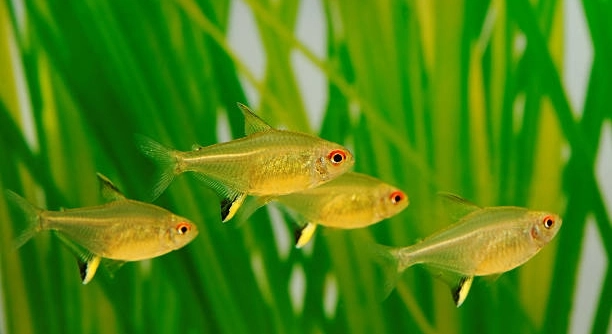
Do you enjoy keeping Lemon Tetra but notice subtle changes in their behavior throughout the year? These small, colorful fish react to shifts in their environment in ways that can be fascinating to observe.
Lemon Tetra exhibit distinct behavioral and physiological responses to seasonal changes. Variations in light, temperature, and water chemistry influence their activity levels, feeding habits, coloration, and breeding patterns, reflecting their natural adaptation strategies in the wild.
Observing these seasonal behaviors can help you provide a healthier, more suitable environment for your fish all year round.
Light and Temperature Shifts
Seasonal changes often bring variations in light and temperature that directly affect Lemon Tetra behavior. In brighter, warmer months, these fish tend to be more active and display vibrant colors. They swim confidently around the tank, exploring corners and interacting with other fish. As days shorten and temperatures drop, their activity may decrease, and their colors can become slightly muted. Adjusting artificial lighting to mimic natural seasonal patterns can help maintain their natural rhythms. Sudden fluctuations in temperature can cause stress, leading to reduced appetite or increased hiding. Consistent water temperature within their preferred range of 22-28°C ensures they stay healthy. Tank heaters or cooling systems may be necessary depending on local climate changes. Observing these subtle shifts allows owners to respond appropriately, providing stable water conditions, regular feeding, and gentle tank maintenance. Even small changes in light and temperature can trigger noticeable reactions, emphasizing the importance of careful observation.
Maintaining seasonal lighting and stable temperatures supports healthy activity and natural behavior.
These environmental cues also influence feeding patterns. Lemon Tetra may eat more during warmer months and slow down in cooler periods. Monitoring their diet closely helps prevent overfeeding or nutrient deficiencies. Providing a mix of high-quality flakes, micro-pellets, and occasional live or frozen foods ensures balanced nutrition year-round. Proper tank cover and strategically placed plants can help simulate natural conditions. Understanding their response to seasonal light and temperature gives you better control over their overall health and appearance, keeping them vibrant and active throughout the year.
Water Chemistry Changes
Water chemistry can shift subtly with seasonal variations, affecting Lemon Tetra health. They are sensitive to pH, hardness, and dissolved oxygen levels, which may change due to rainfall, evaporation, or temperature.
Regular testing of pH, ammonia, nitrites, and nitrates is essential to ensure water remains within optimal parameters. Lemon Tetra thrive in slightly acidic to neutral water, with a pH between 6.0 and 7.5. Seasonal changes may cause fluctuations, so careful observation and small, gradual adjustments are recommended. Soft to moderately hard water is ideal, and sudden shifts in mineral content can stress the fish. Oxygen levels may drop in warmer months, so aeration or additional filtration might be needed to maintain proper dissolved oxygen. Partial water changes help maintain chemical balance, keeping toxins low. Understanding these seasonal shifts allows you to anticipate changes and act before problems arise. Providing a stable, well-monitored environment ensures your Lemon Tetra remain active, colorful, and healthy throughout the year.
Proper monitoring and adjustments prevent stress and support long-term health.
Feeding Behavior Adjustments
Lemon Tetra often change their feeding habits with seasonal shifts. Warmer months usually increase appetite, while cooler months can slow eating. Adjusting food quantity and type helps maintain their health without overfeeding.
During warmer periods, their metabolism rises, and they become more active, consuming more flakes, pellets, or occasional live foods. Offering smaller, frequent meals encourages consistent eating and prevents uneaten food from polluting the tank. In cooler months, they may need less food, and overfeeding can lead to water quality issues. Observing their behavior closely ensures they receive adequate nutrition without stressing the tank environment. Seasonal adjustments in diet help maintain vibrant coloration and energy levels, keeping the fish healthy year-round.
Seasonal changes may also influence social feeding dynamics. Lemon Tetra tend to form tighter schools when temperatures drop, which can affect how quickly individual fish access food. During warmer months, they spread out more and may compete less aggressively. Adjusting feeding routines and placing food in multiple locations helps all fish receive proper nutrition. Paying attention to these subtle behavioral changes ensures a balanced, harmonious tank environment, supporting both health and natural social interaction.
Breeding and Spawning Patterns
Lemon Tetra are sensitive to seasonal cues when it comes to reproduction. Temperature, light, and water conditions directly influence spawning behavior, often triggering periods of increased activity and courtship.
Providing slightly warmer water and longer daylight hours can stimulate breeding activity. Adding fine-leaved plants or spawning mops gives them appropriate surfaces to lay eggs. Maintaining clean, stable water with low nitrate levels encourages successful fertilization. Observing male display behaviors and female readiness ensures timely monitoring of egg development. Seasonal preparation for spawning involves minor adjustments in tank environment rather than drastic changes, promoting natural reproductive cycles without stressing the fish.
During breeding periods, males display more intense colors and perform courtship dances around females. Eggs are usually scattered among plants, and parents may eat them if stressed, so careful observation is necessary. Separating eggs or providing a dedicated breeding tank can improve survival rates. Monitoring water quality, temperature, and light duration helps synchronize breeding cycles with natural seasonal conditions. Consistency in care ensures healthy fry and supports ongoing population stability within the tank, allowing you to witness natural behaviors without compromising fish welfare.
Schooling and Activity Levels
Lemon Tetra often change their schooling patterns with seasonal shifts. Cooler temperatures may cause them to swim closer together, while warmer periods encourage more dispersed movement across the tank.
Activity levels generally rise during warmer months, and fish explore more actively. Slower movement occurs when temperatures drop, reflecting natural energy conservation behaviors.
Coloration Changes
Seasonal light and water conditions can affect Lemon Tetra coloration. Brighter, warmer periods often enhance their yellow and silver tones, while dimmer, cooler months may dull their appearance. Maintaining stable water conditions and proper nutrition helps preserve vibrant colors throughout seasonal changes, allowing their natural beauty to remain consistent.
Stress Responses
Lemon Tetra may exhibit subtle stress signals during seasonal transitions, such as hiding, reduced feeding, or irregular swimming. Recognizing these signs early helps in making adjustments to lighting, temperature, or water quality to minimize discomfort and maintain overall health.
FAQ
How do Lemon Tetra react to sudden temperature changes?
Lemon Tetra are sensitive to abrupt temperature shifts. Sudden drops can cause lethargy, reduced appetite, and hiding, while rapid increases may stress them and affect breathing. Gradual adjustments in tank heaters or coolers help the fish adapt without disrupting their natural activity levels. Consistent monitoring ensures a stable environment.
Can seasonal changes affect their feeding habits?
Yes, Lemon Tetra often eat more in warmer months and less in cooler months. Their metabolism fluctuates with temperature, so feeding smaller portions during slower periods prevents overfeeding and maintains water quality. Using a mix of high-quality flakes, pellets, and occasional live foods ensures balanced nutrition throughout the year.
Do Lemon Tetra change color with the seasons?
Seasonal shifts in light and temperature can subtly influence their coloration. Warmer months with longer light periods often make their yellow and silver tones more vibrant. Cooler or darker months may dull their appearance slightly. Proper diet and stable water conditions help preserve consistent coloration regardless of season.
How does schooling behavior change seasonally?
In cooler months, Lemon Tetra tend to swim closer together, forming tighter schools. This behavior helps conserve energy and provides a sense of security. During warmer periods, they spread out more and explore the tank actively. Adjusting tank layout with plants or hiding spots supports these natural seasonal patterns.
Does water chemistry fluctuate with seasons?
Yes, pH, hardness, and oxygen levels can change seasonally. Rainfall, evaporation, and temperature variations influence these factors. Regular testing and gradual adjustments maintain optimal water conditions, keeping Lemon Tetra healthy. Partial water changes and proper filtration help prevent stress caused by chemical imbalances.
Can seasonal changes trigger breeding behavior?
Yes, Lemon Tetra often respond to warmer temperatures, longer daylight hours, and slightly softer water by showing increased courtship and spawning activity. Males display brighter colors and perform dances, while females become more receptive. Providing plants or spawning mops and monitoring water quality supports successful breeding during these periods.
What signs indicate stress during seasonal transitions?
Signs include hiding, reduced feeding, erratic swimming, or fading color. Observing these behaviors early allows adjustments in lighting, temperature, or water chemistry. Providing stable conditions, proper nutrition, and hiding spots reduces stress and supports overall health.
How can I maintain consistent health throughout seasonal changes?
Monitor temperature, light, and water chemistry closely. Adjust feeding patterns to match metabolism shifts. Provide stable environments with regular partial water changes and maintain a balanced diet. Observing behavior and coloration ensures any issues are addressed promptly, keeping Lemon Tetra active and vibrant year-round.
Are there seasonal risks I should be aware of?
Extreme fluctuations in temperature or water chemistry can increase the risk of disease or stress-related illness. Overfeeding during cooler months or inadequate oxygenation during warmer months are common issues. Consistent monitoring, small adjustments, and proper tank management reduce these risks and maintain a healthy, thriving tank.
How do seasonal changes influence social interactions?
Tighter schooling in cooler months can lead to more synchronized swimming and reduced aggression. Warmer months may see looser groupings, encouraging exploration and minor competition for food. Observing these patterns allows you to provide adequate space, hiding spots, and feeding routines that support natural social behaviors without conflict.
Can artificial lighting mimic seasonal effects?
Yes, adjusting lighting duration and intensity can simulate seasonal changes, influencing activity, feeding, and breeding. Using timers to extend light in cooler months or shorten it in warmer months helps regulate natural behaviors. This consistency supports overall health and encourages natural seasonal cycles within the tank.
Should diet change with seasonal behavior?
Minor adjustments can help. During warmer, more active periods, increasing food quantity and variety supports energy needs. In cooler periods, reducing portions prevents overfeeding and water quality issues. Maintaining a mix of high-quality flakes, pellets, and occasional live or frozen foods ensures balanced nutrition year-round.
How long does it take for Lemon Tetra to adjust to seasonal changes?
Adjustment periods vary depending on water stability and environmental changes. Gradual modifications in temperature, lighting, and feeding typically allow them to adapt within a few days to a week. Rapid changes can cause stress, so slow transitions are always recommended to maintain healthy behavior and coloration.
What is the best way to monitor seasonal impact?
Keep a tank journal noting temperature, light hours, water chemistry, and fish behavior. Record feeding habits, activity levels, and coloration changes. Observing trends over time allows you to identify patterns, anticipate needs, and adjust care routines proactively to support their health during each seasonal shift.
Can seasonal changes affect lifespan or growth?
Indirectly, yes. Stable seasonal simulation supports proper metabolism, feeding, and activity, which are critical for growth and longevity. Frequent stress from fluctuating conditions can reduce immunity, slow growth, and potentially shorten lifespan. Maintaining consistent care throughout seasonal cycles promotes overall vitality and longevity.
Are there preventive measures to avoid stress during seasonal changes?
Gradual temperature adjustments, consistent water chemistry, proper feeding routines, adequate tank cover, and monitoring behavior all help prevent stress. Preparing for seasonal shifts ahead of time, rather than reacting after signs of distress appear, ensures Lemon Tetra remain healthy, active, and vibrant throughout the year.
Lemon Tetra are small, vibrant fish that respond noticeably to seasonal changes. Observing their behavior throughout the year can be both informative and helpful for maintaining a healthy tank environment. They adjust their activity levels, schooling behavior, feeding habits, and even coloration depending on factors like water temperature, light, and water chemistry. Warmer months generally bring increased activity, brighter colors, and higher food intake, while cooler periods often lead to slower movement, more tightly grouped schooling, and subtle changes in appearance. By paying attention to these natural patterns, you can provide conditions that support their well-being year-round. Understanding these responses allows you to anticipate needs before any problems arise, keeping the fish healthy and stress-free.
Maintaining a consistent tank environment is essential for Lemon Tetra to thrive during seasonal transitions. Regular monitoring of water temperature, pH, hardness, and oxygen levels ensures that sudden fluctuations do not disrupt their routine. Small adjustments in lighting to mimic seasonal changes can encourage natural behavior, while careful attention to feeding helps match their metabolism and activity levels throughout the year. Seasonal influences on breeding, social interactions, and coloration are all closely linked to these environmental factors. Providing stable conditions with partial water changes, proper filtration, and adequate nutrition ensures that the fish remain active and display their characteristic colors. Observing even minor shifts in behavior, such as reduced feeding or increased hiding, can indicate when changes are needed. A consistent approach reduces stress, prevents illness, and supports their natural life cycle.
Finally, understanding the seasonal needs of Lemon Tetra helps create a more balanced, healthy tank ecosystem. Adjusting care based on their natural responses fosters long-term health and vitality. Monitoring behavior, providing appropriate feeding, and maintaining stable environmental conditions support not only their survival but also their quality of life. Attention to seasonal shifts also allows you to witness their natural instincts, including schooling patterns and breeding behavior, without unnecessary interference. By combining observation with proactive care, you ensure that Lemon Tetra thrive throughout the year, maintaining their energy, coloration, and overall health. Seasonal awareness ultimately strengthens the bond between the fish and their environment, creating a sustainable, vibrant tank that supports these lively, delicate creatures.

Hello,
If you enjoy the content that we create, please consider saying a "Thank You!" by leaving a tip.
Every little bit helps us continue crafting quality advice that supports the health, happiness, and well-being of pets around the world, for pets of all shapes, sizes, and species.
We really appreciate the kindness and support that you show us!