
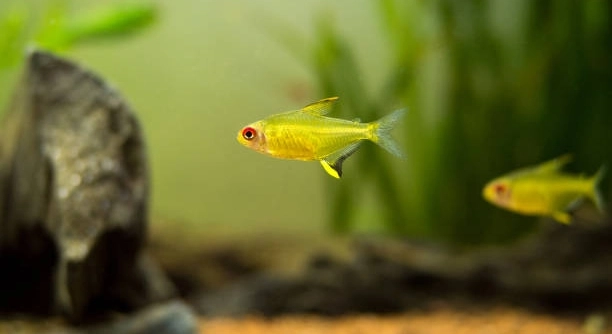
Have you ever noticed your lemon tetras not living as long as expected in your home aquarium? Many fish owners face this issue without realizing several common factors can affect their lifespan. Understanding these can help keep them healthier.
Lemon tetras often experience shortened lifespans due to poor water quality, improper diet, stress, overcrowding, inadequate tank size, lack of hiding spots, and disease. Each factor can independently or collectively compromise their health and reduce their longevity.
Knowing what can harm your lemon tetras is the first step toward creating a stable and safe environment for them to thrive in.
Poor Water Quality
Lemon tetras are sensitive to their environment, and maintaining clean water is essential for their health. Dirty or polluted water can quickly stress them, making them more prone to illness. Regular water changes and testing for ammonia, nitrites, and nitrates are necessary to prevent buildup. Even small fluctuations in pH or temperature can weaken their immune system. Over time, exposure to poor water conditions can stunt growth and reduce lifespan. Using a good filter and avoiding overfeeding can help keep the tank stable. Observing the fish for unusual behavior, like gasping at the surface, is an early warning sign. Tank maintenance may seem repetitive, but it directly impacts how long your lemon tetras live and thrive. Fresh, clean water promotes healthy coloration, active swimming, and proper feeding habits. Neglecting this aspect often leads to chronic stress and vulnerability to infections that could have been avoided.
Maintaining proper water quality involves monitoring chemical levels, performing regular water changes, and ensuring an efficient filtration system is in place. This prevents disease and supports overall health.
Understanding water requirements allows you to set up a tank that feels natural for your lemon tetras. Even small improvements, like stable temperature and clean substrate, contribute to their vitality. With careful attention, you can create a balanced aquatic environment that reduces stress and encourages longer lifespans. Simple practices, such as removing uneaten food and vacuuming the gravel, make a significant difference. Tracking water parameters consistently helps identify issues before they become severe, keeping the tetras active and healthy. Your fish will swim more energetically, show brighter colors, and interact more naturally when the water conditions are stable. Over time, these practices establish a predictable routine that prevents sudden declines in health. Creating a comfortable habitat also reduces the likelihood of aggressive behavior among tank mates, which can be stressful. Ultimately, clean water supports both physical and mental well-being for your tetras, helping them reach their full lifespan potential.
Improper Diet
Feeding lemon tetras the wrong diet can lead to health problems. They need a mix of protein and plant matter for balanced nutrition. Overfeeding or giving only one type of food causes weakness and disease.
A poor diet can affect growth, immune function, and coloration. Variety and portion control are key.
Providing high-quality flakes, frozen or live foods ensures they receive essential nutrients. Occasional vegetables or algae-based foods add fiber. Rotating food types prevents deficiencies and maintains energy levels. Avoid overfeeding, as leftover food pollutes the tank. Monitoring how much they eat and adjusting portions based on size and activity helps maintain their health. Healthy diets contribute to bright colors, active swimming, and proper growth. Fish with balanced nutrition are less likely to develop deformities or digestive issues, which can shorten life. Keeping a feeding schedule and observing their behavior helps catch any issues early. In the long term, proper feeding promotes vitality and extends lifespan. Careful attention to diet is a simple but crucial step in giving lemon tetras a strong, healthy life.
Stress from Overcrowding
Overcrowding in the tank increases aggression and stress among lemon tetras. Too many fish compete for food and space, which weakens their immune systems and shortens lifespan.
When the tank is overfilled, swimming becomes restricted and hiding spots are limited. Stress can make tetras more prone to illness and reduce their activity. Fish may nip at each other or constantly chase, which creates tension. Overcrowding also affects water quality since waste accumulates faster, further harming the fish. Providing enough space per fish and arranging decorations to allow personal territory helps reduce stress. A balanced stocking level ensures your tetras can swim freely, rest, and maintain natural behaviors, which supports longevity and overall health.
Separating aggressive or overly dominant individuals can improve harmony in the tank. Regularly observing the group and adjusting numbers when necessary prevents chronic stress. Maintaining appropriate population density is simple but essential for long-term health and happiness of lemon tetras.
Inadequate Tank Size
Small tanks limit movement and natural behavior, which can stress lemon tetras and affect growth. A cramped environment prevents proper exercise and can cause deformities over time.
A tank that is too small for the number of tetras leads to poor water quality and increased aggression. Fish need space to establish territories, swim freely, and interact normally. Lack of space also concentrates waste, increasing ammonia and nitrite levels, which harms their health. Providing a larger tank helps maintain stability and allows for natural schooling behavior, which is vital for their mental and physical well-being. Proper tank dimensions create a safer, more comfortable habitat.
Larger tanks reduce competition for food and hiding places, lowering stress levels. A spacious setup also allows for plants, decorations, and proper filtration, which improves water quality. Lemon tetras thrive when they have room to explore and exhibit natural behaviors. Over time, a well-sized tank contributes to better immune function, reduced disease risk, and longer lifespan. Choosing an appropriately sized tank is an essential investment in the overall health and happiness of your tetras, helping them flourish for years.
Lack of Hiding Spots
Lemon tetras feel unsafe without adequate hiding places. Exposed fish are more stressed, which affects their health and shortens their lifespan.
Plants, rocks, or small decorations provide shelter and security. Hiding spots help tetras rest and reduce tension from tank mates, promoting a calmer environment.
Disease and Parasites
Lemon tetras are vulnerable to diseases and parasites, which can quickly spread in a tank. Stress, poor water quality, or an improper diet increases susceptibility. Regular observation, quarantining new fish, and maintaining hygiene help prevent outbreaks and ensure healthier, longer-living fish.
Sudden Temperature Changes
Abrupt shifts in water temperature shock lemon tetras, weakening immunity. Consistent, stable temperatures are crucial for their health and survival.
What is the average lifespan of a lemon tetra?
Lemon tetras typically live between three to five years under proper care. Lifespan can vary based on diet, water quality, tank size, and stress levels. Fish kept in stable, clean environments with balanced nutrition usually reach the higher end of this range.
How do I know if my lemon tetra is stressed?
Signs of stress include rapid gill movement, hiding constantly, loss of color, or erratic swimming. Stress can also make tetras more prone to disease. Observing their daily behavior helps catch problems early and allows adjustments in tank conditions.
Can water temperature affect their lifespan?
Yes, lemon tetras thrive in water between 72°F and 78°F. Temperatures outside this range weaken their immune system. Sudden changes in temperature are especially dangerous and can cause shock or illness. Using a reliable heater and thermometer maintains stability.
How often should I clean their tank?
Regular water changes of 20–25% weekly are recommended. Cleaning the substrate, filter, and removing leftover food prevents buildup of harmful chemicals. A consistent maintenance routine keeps tetras healthy and reduces the risk of disease.
What should I feed lemon tetras for optimal health?
They need a varied diet including high-quality flakes, frozen or live foods, and occasional plant matter. Rotating food types ensures proper nutrition and prevents deficiencies. Overfeeding should be avoided, as leftover food can pollute the tank and harm their health.
Do tank mates affect their lifespan?
Yes, aggressive or incompatible fish increase stress levels. Lemon tetras do best with peaceful schooling fish. Maintaining a compatible community reduces bullying, injury, and tension, which directly contributes to longer lifespans.
How many lemon tetras should be kept together?
They are social fish and should be kept in groups of at least six. Small groups can become stressed or lonely, while overcrowding causes competition and aggression. A balanced number ensures natural behavior and a calmer environment.
Can poor water quality shorten their life?
Absolutely. High ammonia, nitrite, or nitrate levels stress tetras and lead to illness. Regular testing and proper filtration prevent dangerous chemical buildup. Consistent water quality is one of the most important factors for long-term health.
Are there common diseases I should watch for?
Lemon tetras can develop fin rot, ich, or bacterial infections, especially when stressed. Early detection is vital. Quarantining new fish and maintaining a clean tank helps prevent outbreaks. Observing for changes in color, appetite, or behavior is essential.
Does tank size really matter?
Yes, a tank smaller than 20 gallons can stress a small school of lemon tetras. Limited space affects swimming, reduces oxygen levels, and concentrates waste. Providing enough room supports exercise, schooling behavior, and overall health, helping them live longer.
How can I prevent parasites in my tank?
Quarantining new fish and avoiding contaminated plants or decorations reduces parasite risks. Maintaining clean water and not overcrowding the tank also lowers chances of infection. Healthy, well-fed tetras are more resistant to parasites.
Is it important to provide hiding spots?
Yes, hiding spots reduce stress and give tetras safe places to rest. Live plants, small caves, or rocks create secure areas, promoting natural behavior and reducing aggression or tension in the tank.
Can sudden changes in light affect lemon tetras?
Yes, abrupt changes in lighting can stress fish. Maintaining a consistent day-night cycle and using gradual adjustments when changing lighting prevents confusion and tension, supporting their health and reducing mortality risk.
How do I know if my tetras are getting enough nutrients?
Healthy tetras show bright coloration, active swimming, and regular appetite. Dull colors, lethargy, or weight loss indicate nutritional deficiencies. Adjusting diet variety and monitoring feeding habits ensures balanced nutrition and stronger immunity.
Is regular observation important for their lifespan?
Yes, monitoring behavior, appetite, and appearance helps detect early signs of stress or illness. Quick action when issues arise prevents complications, promotes health, and directly supports longer lifespans for lemon tetras.
Can stress from handling reduce their life expectancy?
Yes, excessive handling or frequent netting increases stress and weakens immunity. Minimizing unnecessary disturbances while performing maintenance ensures tetras remain healthy and calm.
Are there environmental factors outside the tank that can affect them?
Yes, room temperature, exposure to drafts, or vibrations can stress the fish. Keeping the tank in a quiet, stable environment contributes to long-term health and reduces stress-related illnesses.
How do I maintain a healthy community tank?
Choose compatible species, maintain clean water, and provide sufficient space and hiding spots. Observing interactions ensures minimal aggression, and proper care promotes a stable environment for all fish, supporting their longevity.
Do lemon tetras require supplements or vitamins?
A balanced diet with varied flakes, frozen, or live foods usually provides all necessary nutrients. Supplements are only needed if deficiencies are observed. Overuse of vitamins can harm rather than help, so careful feeding practices are better.
Can long-term stress permanently affect lifespan?
Yes, chronic stress reduces immunity, increases susceptibility to disease, and shortens overall lifespan. Providing stable water conditions, proper diet, enough space, and hiding spots minimizes stress, helping lemon tetras live healthier, longer lives.
Keeping lemon tetras healthy and helping them live a long life requires consistent attention to their environment. These small, vibrant fish are sensitive to water quality, diet, tank size, and stress levels. Even minor issues can affect their health over time. Clean water is essential, so regular testing for ammonia, nitrites, and nitrates, along with weekly water changes, keeps them in good condition. Proper filtration and removing uneaten food prevent harmful buildup. Lemon tetras are especially sensitive to sudden changes, so maintaining stable temperatures and consistent lighting is just as important. Paying attention to these details may feel repetitive, but it ensures they remain active, colorful, and healthy.
Providing the right diet is another crucial factor for longevity. Lemon tetras require a balance of protein and plant-based foods. High-quality flakes, frozen or live foods, and occasional plant matter keep them nourished and energetic. Rotating the types of food helps prevent deficiencies and promotes proper growth. Overfeeding is a common problem that can harm water quality and cause obesity or digestive issues. Feeding in moderation and observing how much they consume helps maintain both their health and the cleanliness of the tank. A well-fed tetra shows bright colors, swims actively, and demonstrates natural behavior. Consistent care in feeding directly contributes to reducing stress and preventing illness, which in turn supports a longer lifespan.
Stress reduction is another key component of maintaining a healthy aquarium. Lemon tetras are social and need a proper group size, generally six or more, to feel secure. Overcrowding or aggressive tank mates can increase stress, weaken their immune system, and lead to disease. Providing hiding spots, such as plants, rocks, or small decorations, allows them to rest and feel safe. Regular observation helps catch early signs of stress, disease, or parasites. Taking these steps may seem small, but together they make a significant difference. A calm, stable environment combined with clean water, a balanced diet, and enough space allows lemon tetras to thrive naturally. Paying attention to these factors ensures that your fish not only survive but remain vibrant and healthy, giving them the best chance for a long and full life.

Hello,
If you enjoy the content that we create, please consider saying a "Thank You!" by leaving a tip.
Every little bit helps us continue crafting quality advice that supports the health, happiness, and well-being of pets around the world, for pets of all shapes, sizes, and species.
We really appreciate the kindness and support that you show us!