
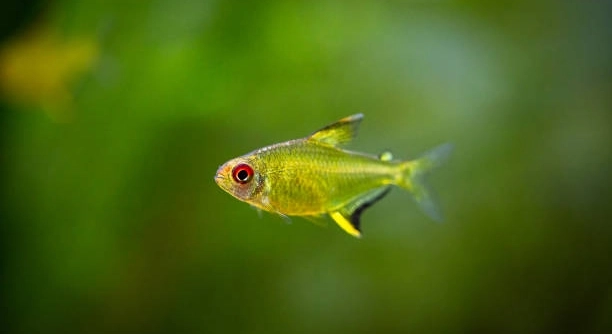
Do you enjoy keeping small, colorful fish in your home aquarium but wonder how long they might brighten your tank with their presence? Lemon tetras are popular for their vibrant yellow hue and lively behavior.
Lemon tetras (Hyphessobrycon pulchripinnis) typically live between three and five years under proper care. Their life expectancy is influenced by water quality, diet, tank conditions, and social environment, with optimal conditions promoting maximum longevity.
Understanding the factors affecting their lifespan will help you maintain a healthy, thriving aquarium and enjoy the beauty of lemon tetras for years.
Factors Affecting Lemon Tetra Lifespan
Lemon tetras rely heavily on stable water conditions to thrive. Poor water quality can stress fish, weaken their immune system, and shorten their lifespan. Ideal water parameters include a temperature between 72–79°F, a pH of 6.0–7.5, and soft to moderately hard water. Consistent partial water changes help maintain these conditions, reducing toxin buildup. Diet also plays a key role. A balanced diet with high-quality flake foods, frozen or live foods like brine shrimp or daphnia, and occasional vegetable matter keeps them healthy. Overfeeding, however, can lead to poor water quality and obesity, both of which can negatively impact life expectancy. Tank size and social structure matter as well. Lemon tetras are schooling fish and should be kept in groups of at least six. Smaller groups can experience stress, leading to illness and a shorter lifespan. Careful attention to all these factors promotes longevity.
Proper care can extend lemon tetras’ lives significantly, sometimes reaching five years or more with ideal conditions.
Observing behavior is also important. Signs of stress, such as hiding, loss of color, or lethargy, can indicate water or dietary issues. Adjusting conditions promptly ensures healthier fish.
Common Health Issues in Lemon Tetras
Lemon tetras can be affected by common aquarium diseases, including fin rot, ich, and fungal infections. Early detection is critical to prevent serious health decline. Maintaining clean water and a balanced diet minimizes the likelihood of disease.
Fin rot is often caused by poor water quality and stress. Infected fins appear frayed or discolored, and the condition can progress rapidly if untreated. Ich presents as white spots on the body and fins, accompanied by scratching against surfaces. Fungal infections often appear as cotton-like patches and usually develop after injury or stress. Preventing these issues requires maintaining stable water parameters, avoiding overstocking, and quarantining new fish before introducing them to the main tank. A balanced diet strengthens the immune system, making lemon tetras more resilient to infections. Regular observation allows for early intervention, including adjusting water conditions, performing partial water changes, or administering appropriate treatments. Addressing health concerns promptly can significantly extend their lifespan. Fish in well-maintained aquariums are more active, display vibrant colors, and have a stronger resistance to disease.
Regular observation of your lemon tetras’ behavior and appearance ensures timely intervention, keeping your aquarium a healthy environment.
Tank Setup for Lemon Tetras
A properly sized tank is essential. Lemon tetras need at least a 20-gallon tank with enough swimming space. Dense plants, hiding spots, and gentle filtration create a comfortable environment. Avoid strong currents that can stress these small fish.
Spacing is important. Lemon tetras are schooling fish and require groups of six or more to feel secure. A larger tank allows for natural swimming patterns and reduces aggression. Adding floating plants softens the lighting, which helps mimic their natural habitat. Substrate should be dark or neutral to enhance their color and reduce stress. Decorations such as driftwood or rocks provide shelter and resting areas. Keeping a consistent cleaning schedule and monitoring water quality ensures they thrive. Proper tank setup directly impacts their lifespan and overall health.
Regular maintenance includes partial water changes, filter cleaning, and monitoring temperature and pH. Observing their behavior helps detect issues early, keeping the fish active and healthy.
Feeding Lemon Tetras
Lemon tetras need a varied diet to stay healthy. High-quality flake food, frozen or live brine shrimp, and occasional vegetable matter are recommended. Feed small amounts two to three times daily.
Overfeeding can harm water quality and lead to obesity. Portion control ensures they eat all food within a few minutes. Mixing different types of food promotes balanced nutrition, supporting strong immune systems, vibrant colors, and overall activity. Fresh or frozen foods are preferable to maintain nutritional value, and occasional supplementation with vegetable matter like blanched spinach or zucchini can provide essential fiber. Avoid feeding solely flakes, as this can cause deficiencies over time. Rotating food types also keeps fish interested and reduces the chance of picky eating. Maintaining a feeding schedule and monitoring their intake helps ensure long-term health and longevity.
A consistent feeding routine, combined with attention to diet quality, directly contributes to their lifespan. Proper nutrition supports growth, resilience to disease, and overall vitality.
Water Conditions for Lemon Tetras
Stable water parameters are crucial for lemon tetras’ health. Keep the temperature between 72–79°F, pH around 6.0–7.5, and soft to moderately hard water. Sudden changes can stress the fish and shorten their lifespan.
Regular testing of ammonia, nitrite, and nitrate levels ensures a safe environment. Partial water changes of 20–30% weekly help maintain cleanliness and reduce toxins. Avoid overstocking the tank, as overcrowding can lead to poor water quality and aggression. Using a gentle filter prevents strong currents while still circulating water. Keeping plants and decorations clean also supports stable conditions. Monitoring these factors consistently allows lemon tetras to thrive, display vibrant colors, and stay active over several years.
Social Behavior and Schooling
Lemon tetras are highly social and need to be kept in groups of six or more. Smaller groups may lead to stress and timid behavior. Schooling provides security, encourages natural swimming patterns, and reduces aggression.
A well-established school improves feeding efficiency and overall activity. Observing their interactions helps detect early signs of illness or stress. In community tanks, ensure tank mates are peaceful and similar in size to prevent bullying. Providing hiding spots and plants helps maintain balance within the group. Social enrichment supports their mental and physical well-being, directly affecting their lifespan and quality of life.
Signs of Aging in Lemon Tetras
Older lemon tetras may show faded colors, slower swimming, and reduced appetite. Monitoring these changes helps identify age-related needs.
FAQ
How long do lemon tetras live in captivity?
Lemon tetras generally live between three and five years when kept under proper conditions. Lifespan depends on water quality, diet, tank size, and social environment. Maintaining stable water parameters and providing a balanced diet are key factors in ensuring they reach their full life expectancy. Stress from overcrowding or sudden changes can shorten their lifespan.
What is the ideal tank size for lemon tetras?
A minimum tank size of 20 gallons is recommended for a small group. Lemon tetras are schooling fish and need space to swim freely. Adding plants, hiding spots, and gentle filtration creates a comfortable environment. Larger tanks are better for groups over six, reducing stress and promoting natural behaviors.
What water conditions do lemon tetras need?
They thrive in temperatures between 72–79°F, a pH of 6.0–7.5, and soft to moderately hard water. Regular testing and partial water changes are essential. Sudden fluctuations in temperature, pH, or hardness can stress fish, making them more susceptible to illness.
How should I feed lemon tetras?
A varied diet is best. Offer high-quality flake food, frozen or live brine shrimp, daphnia, and occasional vegetable matter. Feed small portions two to three times daily, avoiding overfeeding. Overfeeding can pollute the water and harm fish health. Rotate food types to ensure balanced nutrition.
Can lemon tetras live with other fish?
Yes, they do well with peaceful community fish of similar size. Avoid aggressive or large tank mates that might bully or eat them. Providing hiding spaces and plants helps reduce stress and allows all fish to coexist comfortably. Monitoring interactions ensures the group remains balanced.
How do I prevent diseases in lemon tetras?
Maintain stable water conditions and a clean tank. Quarantine new fish before adding them to the main aquarium. Watch for signs like frayed fins, white spots, or lethargy. Early intervention with water adjustments or treatments can prevent serious health problems. Proper nutrition strengthens their immune system.
Do lemon tetras need a lot of maintenance?
They require regular tank care, including partial water changes, filter cleaning, and water testing. Observing their behavior helps detect problems early. Weekly maintenance keeps water quality stable, reduces stress, and supports a long, healthy life for your fish.
What are common signs of aging in lemon tetras?
Older fish may display faded colors, slower swimming, and decreased appetite. These changes are normal but should be monitored. Ensuring gentle conditions, proper diet, and minimal stress helps aging fish remain comfortable in the tank.
Can lemon tetras breed in a home aquarium?
Yes, breeding is possible with proper conditions. They prefer soft, slightly acidic water and dense plants for egg-laying. Remove adults after spawning to prevent them from eating the eggs. Providing a varied diet improves breeding success and healthy fry development.
How can I extend the lifespan of my lemon tetras?
Provide stable water parameters, a balanced diet, a spacious tank, and a proper social group. Monitor health regularly and prevent overcrowding. Avoid sudden changes in environment or temperature, and ensure they are not stressed by aggressive tank mates. These steps promote long-term health and longevity.
Are there any special care tips for lemon tetras?
Yes, keeping them in groups, maintaining soft lighting with floating plants, and providing hiding spots reduces stress. Regular observation for changes in behavior or appearance allows early problem detection. A clean, stable environment and consistent diet are the most important factors for their overall well-being.
Can lemon tetras tolerate fluctuating water conditions?
No, they are sensitive to sudden changes in temperature, pH, and hardness. Consistent water parameters are critical. Gradual adjustments are necessary if changes are unavoidable. Sudden shifts can lead to stress, disease, and shorter lifespan. Maintaining stability ensures healthier, more active fish.
How do I recognize stress in lemon tetras?
Signs include hiding, loss of color, rapid breathing, or erratic swimming. Stress often results from poor water quality, overcrowding, or incompatible tank mates. Addressing these issues promptly by adjusting conditions or separating aggressive fish can restore normal behavior and improve lifespan.
Is it necessary to provide a dark substrate for lemon tetras?
While not strictly required, a dark or neutral substrate enhances their color and reduces stress. It helps them feel secure and display natural behavior. Combined with plants and decorations, this setup mimics their natural environment, supporting comfort and long-term health.
What type of filtration works best for lemon tetras?
Gentle filters that circulate water without creating strong currents are ideal. Sponge filters or low-flow canister filters maintain water quality while keeping the fish comfortable. Proper filtration reduces toxins, supports a healthy tank, and prevents stress-related issues, promoting longer life.
Do lemon tetras need lighting adjustments?
Moderate, consistent lighting is best. Too bright light can stress fish, while too dim may affect activity levels. Floating plants help diffuse lighting and create shaded areas. Adjusting lighting to mimic natural day-night cycles supports their health and natural behavior.
Lemon tetras are small, vibrant fish that bring life and color to a home aquarium. Their yellow tones and active schooling behavior make them appealing for many fish keepers. Understanding their basic care needs is essential for ensuring they thrive. A stable environment, proper diet, and social grouping are key factors that influence their health and longevity. By paying attention to these elements, you can enjoy their presence for several years and witness natural behaviors that reflect their wellbeing. These fish are sensitive to sudden changes, so consistent maintenance and observation are important to prevent stress or illness.
Providing a suitable tank setup is crucial for lemon tetras. A minimum of 20 gallons is recommended for a small group, with plenty of swimming space and hiding areas. Dense plants, driftwood, or rocks help mimic their natural environment and reduce stress. Water conditions must remain stable, including temperature, pH, and hardness. Partial water changes and regular testing maintain water quality and prevent buildup of harmful substances. Feeding them a varied diet with flakes, live or frozen foods, and occasional vegetable matter ensures proper nutrition. A well-balanced diet supports their immune system, vibrant colors, and active behavior. Overfeeding should be avoided, as it can lead to water quality issues and health problems.
Social behavior also plays an important role in their wellbeing. Lemon tetras are schooling fish, and being in groups of at least six helps them feel secure. Smaller groups can become stressed or timid, leading to reduced activity and a shorter lifespan. Observing their interactions can help detect early signs of health problems or stress. Tank mates should be peaceful and similar in size to prevent aggression. Paying attention to all these factors—tank setup, water conditions, diet, and social environment—helps ensure lemon tetras live a full, healthy life. With proper care and regular monitoring, these small fish can remain active, colorful, and enjoyable for several years, offering a rewarding experience in any home aquarium.

Hello,
If you enjoy the content that we create, please consider saying a "Thank You!" by leaving a tip.
Every little bit helps us continue crafting quality advice that supports the health, happiness, and well-being of pets around the world, for pets of all shapes, sizes, and species.
We really appreciate the kindness and support that you show us!