
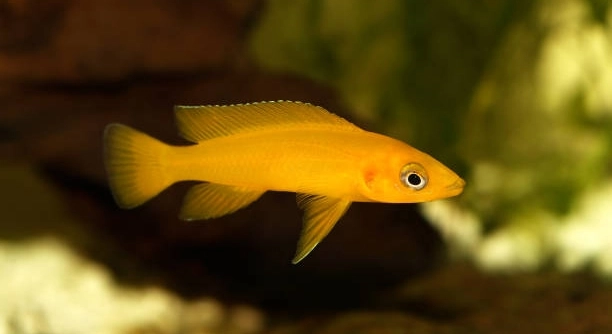
Have you ever noticed your lemon tetra swimming with a cloudy or foggy appearance in your aquarium? This sudden change can be concerning, especially if your fish usually look bright and clear. It often makes you pause and observe.
Lemon tetras sometimes appear foggy due to water quality issues, stress, or mild infections. Cloudy water, fluctuating temperatures, or poor diet can affect their clarity, impacting both their health and overall appearance in the tank.
Keeping your aquarium stable and maintaining proper care routines can help prevent these changes. Understanding the reasons behind the foggy look ensures your fish remain healthy and vibrant.
Common Causes of Foggy Appearance in Lemon Tetras
Lemon tetras can look foggy for several reasons. One major factor is water quality. Even small amounts of ammonia, nitrites, or nitrates can affect their clarity. Sudden changes in pH or temperature can also stress them, making their bodies appear dull. Poor diet contributes too. Fish that lack proper nutrients often lose their bright coloration. Stress from overcrowding or aggressive tank mates can make them hide or swim erratically, which sometimes exaggerates the foggy look. Sometimes, a mild bacterial or parasitic infection is responsible. These infections are not always severe, but they can cause cloudiness in the eyes or body. Observing your tetras’ behavior alongside water conditions is essential to pinpoint the cause. Regular water tests and partial water changes help maintain clarity. Feeding high-quality flakes or frozen foods improves their appearance and overall health. Small adjustments in tank care can make a noticeable difference over time.
Water quality and nutrition are usually the most significant factors for foggy appearance in lemon tetras.
Monitoring water parameters consistently is the best way to prevent issues. Keeping the tank clean, feeding well, and avoiding sudden changes reduces stress. Early action prevents minor problems from becoming serious health concerns.
How to Improve Clarity and Health
Improving water quality quickly helps your lemon tetras regain their brightness.
Regular water changes, around 25 percent weekly, remove harmful chemicals. Using a reliable test kit ensures ammonia, nitrite, and nitrate levels stay safe. Maintaining a stable temperature and proper filtration reduces stress. Avoid overcrowding, and ensure tank mates are compatible. Feeding a varied diet of flakes, frozen, or live foods provides essential nutrients for healthy scales and coloration. Observing behavior and body condition daily helps detect early signs of illness. If mild infections appear, medicated treatments or isolation in a quarantine tank may be necessary. Consistency is key; gradual adjustments prevent further stress. Over time, these measures restore the tetras’ clear appearance and improve their activity levels. A well-maintained tank not only keeps fish healthy but also enhances their natural colors, making them a brighter, more lively addition to your aquarium. Proper care routines support both their appearance and long-term health.
Recognizing Stress in Lemon Tetras
Stress in lemon tetras often shows as clamped fins, hiding, or sluggish swimming. Their colors may fade, and they can lose interest in food. Quick changes in environment or tank conditions are usually the trigger for these behaviors.
Stress can result from sudden temperature changes, poor water quality, or aggressive tank mates. Overcrowding limits swimming space and increases competition for food, which adds pressure. Even frequent rearranging of decorations or introducing new fish without proper acclimation can upset them. Consistent water parameters, a peaceful environment, and proper feeding routines help reduce stress. Observing patterns in behavior and body language allows early identification and intervention, preventing more serious health problems from developing.
Handling stressed tetras carefully is important. Avoid sudden movements or excessive tapping on the tank, which can worsen anxiety. Maintaining a quiet, stable tank environment and sticking to a feeding schedule encourages natural behavior. Using hiding spots and plants provides security, reducing overall stress. Over time, this promotes clear, healthy-looking fish and supports their immune system.
Signs of Illness Affecting Clarity
Foggy appearance can indicate early stages of illness in lemon tetras, such as bacterial or parasitic infections. Lethargy, loss of appetite, or white patches on the body often appear alongside cloudy skin or eyes.
Infections often arise from poor water quality or stress, making fish more vulnerable. Bacterial infections may cause cloudy eyes, fin rot, or body discoloration. Parasites can make scales appear dull or develop a slimy coating. Quarantine or treatment with appropriate medications can stop infections from spreading. Observing multiple fish is essential, as disease often affects more than one in a tank. Early intervention helps prevent serious outcomes and keeps the population healthy. Maintaining cleanliness and stable tank conditions reduces the likelihood of illness, supporting clear, vibrant fish over time.
Water Quality Management
Maintaining clean water is essential for lemon tetras’ clarity and health. Regular testing for ammonia, nitrite, nitrate, and pH keeps conditions safe. Proper filtration ensures debris and waste are removed efficiently.
Partial water changes, around 20–25 percent weekly, help prevent chemical buildup. Avoid overfeeding, as uneaten food can pollute the tank. Consistency in care creates a stable environment that reduces stress and keeps tetras looking vibrant.
Diet and Nutrition
A balanced diet supports bright colors and overall health. High-quality flakes, frozen, or live foods provide necessary nutrients. Supplementing occasionally with vegetables or protein-rich options enhances immune function. Avoid overfeeding to prevent obesity and water pollution, which can affect clarity.
Tank Environment
Providing hiding spots, plants, and decorations reduces stress. Lemon tetras feel secure with adequate swimming space. Avoid overcrowding and ensure tank mates are compatible to prevent aggression and stress. A well-arranged tank contributes to both their behavior and appearance.
Monitoring Behavior
Observe your tetras daily for unusual signs. Changes in swimming, feeding, or social interactions often indicate underlying issues. Early detection allows prompt action and keeps your fish healthy.
FAQ
Why does my lemon tetra look foggy even though the water seems clean?
Even if the water looks clear, chemical levels such as ammonia, nitrites, or nitrates can still be harmful. Sudden changes in pH or temperature can stress your tetras, causing a cloudy or dull appearance. Overfeeding or lack of proper nutrients can also make their scales less bright. Regular testing and partial water changes are important to maintain a stable environment.
Can stress alone make lemon tetras appear foggy?
Yes, stress can directly affect their appearance. Signs include clamped fins, hiding, faded colors, and reduced activity. Causes of stress include overcrowding, aggressive tank mates, sudden environmental changes, or inconsistent feeding routines. Providing hiding spots and stable water conditions can reduce stress, helping fish regain their natural clarity.
How can diet influence the foggy appearance?
A poor diet lacking essential nutrients can dull lemon tetras’ natural colors. Feeding a variety of high-quality flakes, frozen foods, and occasional live foods ensures proper nutrition. Nutrient deficiencies weaken their immune system, making them more prone to infections that cause cloudiness or foggy eyes. Consistent, balanced feeding improves both health and appearance.
Are foggy eyes a sign of illness?
Foggy or cloudy eyes are often one of the first signs of bacterial or parasitic infections. These infections may be mild at first but can spread if untreated. Other signs include lethargy, reduced appetite, or white patches on the body. Prompt isolation and treatment in a quarantine tank help prevent worsening conditions.
Does tank size affect clarity in lemon tetras?
Yes, an overcrowded tank can increase stress and waste accumulation, both of which contribute to a foggy appearance. Lemon tetras need space to swim freely and maintain social behavior. A properly sized tank with adequate filtration and stable water conditions keeps fish healthy and visually vibrant.
Can water temperature changes make them look foggy?
Sudden drops or rises in water temperature can shock lemon tetras, leading to stress and cloudiness. They thrive in stable conditions between 72–78°F (22–26°C). Gradual adjustments during seasonal changes or when setting up a new tank help prevent stress-related fogginess.
Is a foggy appearance always serious?
Not always. Temporary cloudiness can result from minor stress, mild diet issues, or recent water changes. However, persistent fogginess accompanied by lethargy, loss of appetite, or abnormal behavior often indicates a health problem. Observing patterns and taking timely action is important for their long-term well-being.
Can adding live plants help reduce fogginess?
Yes, live plants improve water quality by absorbing nitrates and providing hiding spots. They reduce stress by creating a natural environment, allowing lemon tetras to feel secure. A planted tank with stable conditions promotes clear, healthy-looking fish while supporting overall tank balance.
How often should I test my water to prevent foggy fish?
Testing at least once a week is ideal, especially for ammonia, nitrites, nitrates, and pH. Frequent testing allows you to catch small problems before they affect your tetras. Pairing testing with regular partial water changes keeps the tank stable and minimizes stress-related cloudiness.
Can foggy lemon tetras recover fully?
Yes, if the underlying cause is addressed promptly. Improving water quality, reducing stress, providing proper nutrition, and treating mild infections can restore their clarity. With consistent care, lemon tetras often regain bright colors and normal behavior, making them look healthy and active again.
What is the role of quarantine in preventing foggy appearances?
Quarantining new fish or sick individuals prevents disease spread. It allows you to treat infections or observe behavioral changes without impacting the main tank. This practice reduces stress and illness in the community tank, keeping all lemon tetras healthy and visually clear.
Are there any preventive measures for foggy eyes or body?
Consistent care is the best prevention. Maintain stable water parameters, feed a balanced diet, avoid overcrowding, and reduce stress through proper tank setup. Regular observation helps catch issues early. Preventive measures minimize health problems and support vibrant, clear fish over time.
Do medications always help with foggy fish?
Medications are useful only when infections are confirmed. Overuse or incorrect treatments can stress fish further or disrupt tank balance. Observing symptoms carefully and choosing appropriate treatments ensures effective recovery without causing additional issues in the aquarium.
How long does it take for lemon tetras to clear up after issues?
Recovery time varies depending on the cause. Minor stress or diet issues may show improvement within a few days, while infections or poor water conditions can take weeks. Patience, consistent care, and monitoring progress are essential for full recovery and restored clarity.
Can water hardness affect their clarity?
Yes, extreme hardness or softness can stress lemon tetras, leading to dull scales or cloudy eyes. Maintaining moderate water hardness and stable pH supports both their health and natural coloration, helping them look vibrant and clear in the aquarium.
Final Thoughts
Keeping lemon tetras clear and vibrant takes attention to detail, but it doesn’t have to be complicated. The main factors affecting their appearance are water quality, diet, and stress. Regular water testing, partial water changes, and a reliable filtration system keep the tank safe and stable. Even small shifts in ammonia, nitrites, or nitrates can affect their clarity, so consistency is key. Temperature and pH stability also play an important role, as sudden changes can stress the fish and make them look foggy. Overcrowding or aggressive tank mates increases stress levels, so ensuring the right number of fish and a compatible community makes a noticeable difference in their health. A well-planned tank setup with hiding spots and swimming space creates a secure environment where tetras feel comfortable.
Diet is equally important for maintaining bright colors and overall health. Feeding a mix of high-quality flakes, frozen, or live foods provides essential nutrients, supporting both immune function and appearance. Nutrient deficiencies or overfeeding can cause a dull or cloudy look, and poor nutrition can make fish more prone to infections. Small additions of vegetables or protein-rich foods can improve health and enhance coloration over time. Observing their eating habits is also important, as changes in appetite often signal stress or illness. By maintaining a balanced feeding routine, the tetras remain active, alert, and visually appealing.
Monitoring behavior and health daily allows early detection of problems. Signs like clamped fins, lethargy, or cloudy eyes may indicate stress or infections, which can often be addressed before they worsen. Quarantining new or sick fish prevents the spread of disease, keeping the entire tank healthier. Patience and consistency are key when correcting issues, whether they stem from water conditions, diet, or environmental stressors. Over time, attentive care restores clarity, vibrant colors, and natural behavior, creating a lively and healthy aquarium. Keeping lemon tetras healthy is about steady, thoughtful maintenance rather than quick fixes, and small improvements in routine can have a big impact on how they look and thrive.

Hello,
If you enjoy the content that we create, please consider saying a "Thank You!" by leaving a tip.
Every little bit helps us continue crafting quality advice that supports the health, happiness, and well-being of pets around the world, for pets of all shapes, sizes, and species.
We really appreciate the kindness and support that you show us!