
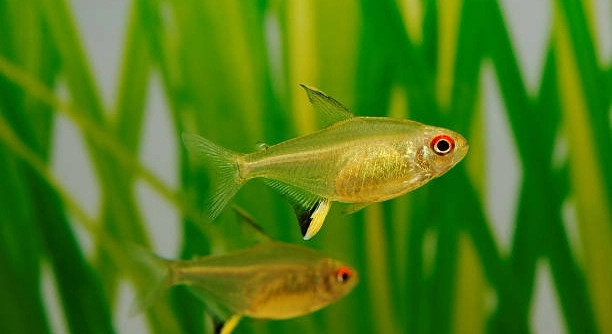
Lemon tetras are small, vibrant fish that bring life to any aquarium. Their playful movements and shimmering colors make them captivating to watch, especially when they explore new objects or interact with their environment in gentle, lively ways.
When lemon tetras are curious, they swim slowly toward unfamiliar objects, hover near them, and may gently nibble or circle around. This behavior allows them to gather sensory information while remaining cautious and aware of potential changes in their surroundings.
Observing these subtle behaviors can reveal much about their temperament and comfort level, offering insight into their daily routines and social interactions.
Recognizing Curiosity in Lemon Tetras
Lemon tetras often show their curiosity through movement and positioning in the tank. When a new plant or decoration is added, they may approach slowly, pausing intermittently to assess the object. Their fins flutter gently, and their bright bodies may shimmer more as they focus on the unfamiliar item. Observing their interactions, it becomes clear that they rely heavily on both sight and lateral line senses to understand changes around them. Schooling behavior also shifts slightly; some fish may take the lead in exploring while others follow cautiously. These patterns indicate a balance between caution and interest, which is essential for their survival instincts. Over time, repeated exposure to the same objects may reduce their initial cautious behavior, as they recognize it as harmless. Consistent observation allows aquarists to identify which items stimulate natural behaviors and which may cause stress. This attentiveness can enhance the overall well-being of the tetras and maintain a lively aquarium environment.
Curiosity in lemon tetras can also be seen in their subtle interactions with each other.
By watching closely, it becomes evident that curious tetras often communicate through gentle nudges, synchronized swimming, and brief pauses near objects. These behaviors demonstrate both social learning and cautious investigation. Recognizing these patterns helps aquarists create environments that encourage natural exploration while keeping stress levels low.
Encouraging Exploration Safely
Providing a variety of safe objects in the tank encourages healthy curiosity among lemon tetras.
Introducing plants, small decorations, and varied textures stimulates their senses and promotes active engagement. However, all items should be non-toxic and free of sharp edges to prevent injury. Rotating objects occasionally maintains their interest without causing confusion or stress. Observing how they interact with each addition helps gauge comfort levels, ensuring that shy or less confident individuals are not overwhelmed. Curiosity can also be encouraged through gentle changes in lighting or mild currents, which prompt natural exploration behaviors. It’s important to maintain stable water conditions while making these changes, as fluctuations can increase anxiety. By carefully balancing stimulation with safety, the aquarium becomes a space where lemon tetras can exhibit natural behaviors, remain active, and display their characteristic vibrant energy. Over time, these practices help build a more dynamic and engaging environment that mirrors aspects of their natural habitat, enhancing both their health and the viewing experience.
How They Investigate New Objects
Lemon tetras approach new objects cautiously, often circling or hovering nearby. They may gently nibble edges or swim around in short bursts. Their curiosity is tempered by caution, ensuring they can assess potential risks while still exploring changes in their environment.
Their investigation process relies on both visual and sensory cues. Tetras pay close attention to movement, color, and shape, and use their lateral line system to detect water vibrations. They may pause frequently, swim backward slightly, or change direction to gather more information. Group dynamics influence exploration, with bolder individuals often taking the lead while others observe. This cautious approach helps them adapt safely to new additions in the tank.
Interactions with objects can reveal personality differences. Some tetras are naturally more adventurous, exploring thoroughly, while others remain tentative, often staying close to familiar tankmates. Both behaviors are normal and contribute to a balanced social structure within the school. Understanding these tendencies allows for better tank management and helps ensure that all fish remain comfortable and engaged.
Responding to Tank Changes
Lemon tetras adjust quickly to minor changes in their surroundings.
Small alterations, like repositioning plants or decorations, prompt exploratory behavior but rarely cause distress. These fish assess changes carefully, using swimming patterns and hovering near objects to gauge safety. Regular observation ensures any stressful adjustments are minimized.
Water quality and stable conditions are critical when introducing new elements. Sudden shifts in temperature, pH, or flow can heighten stress and reduce exploration. Providing hiding spots allows tetras to retreat if they feel threatened, promoting confidence in their environment. They often return to investigate once conditions stabilize. Maintaining a predictable yet stimulating environment encourages curiosity, reduces fear, and helps the school establish routines. With consistent care, tetras display natural behaviors, actively engaging with their surroundings and each other while staying healthy and vibrant.
Interaction with Tankmates
Lemon tetras often approach tankmates slowly when exploring. They swim in coordinated patterns, sometimes following or circling peers to gauge reactions. Their curiosity is balanced with caution to avoid conflict.
Playful nudges and gentle swimming around others are common. These interactions strengthen social bonds and help the fish learn about their environment.
Feeding Curiosity
Curiosity extends to feeding time, where tetras investigate new food types carefully. They hover near the source, nibbling small amounts before fully engaging. This cautious approach prevents overconsumption and ensures they adapt to varied diets, maintaining health and energy levels.
Environmental Enrichment
Adding natural decorations like plants or driftwood encourages exploration. These elements offer sensory stimulation and hiding spots, fostering active behavior and confidence.
Observing Behavior Patterns
Tracking how lemon tetras interact with objects and each other reveals their curiosity levels and personality traits. Regular observation helps maintain a balanced, engaging tank environment.
FAQ
How can I tell if my lemon tetra is curious or stressed?
Curiosity in lemon tetras is shown through slow, deliberate movements, circling objects, and gentle nibbling or hovering. They often explore in short bursts while staying close to familiar tankmates. Stress, on the other hand, is indicated by erratic swimming, hiding constantly, or rapid gill movement. Observing their behavior during new additions or changes in the tank can help distinguish between natural curiosity and discomfort. Curious fish remain engaged and return to exploring after brief pauses, while stressed fish avoid interaction and may stay in corners or behind decorations.
Do lemon tetras investigate all new objects in the same way?
Not all tetras respond identically. Some are naturally bolder and will approach new objects quickly, inspecting them thoroughly. Others are more cautious, lingering at a distance and observing others before getting closer. Group dynamics influence this behavior, with more confident individuals often taking the lead while timid fish watch. Over time, repeated exposure to the same object can reduce hesitation, allowing even shy tetras to interact more confidently. Differences in behavior are normal and contribute to the overall balance of the school.
Is it safe to introduce plants or decorations for exploration?
Yes, adding plants, driftwood, or other non-toxic decorations is safe and encouraged. These items provide both hiding spots and areas to explore, promoting natural behaviors. Objects should have smooth edges to prevent injury and be free of chemicals or sharp surfaces. Rotating objects occasionally maintains interest without overwhelming the fish. Observing how the tetras interact with each addition ensures they are comfortable and not stressed by sudden changes. A well-decorated tank encourages active swimming, schooling, and interaction, which are all signs of a healthy, curious fish.
How do lemon tetras react to new food?
Curiosity extends to feeding. Lemon tetras often approach new food slowly, hovering near it before sampling small amounts. They may nibble or circle around the food first to assess safety. This cautious behavior prevents overconsumption and helps them adapt to a varied diet. Once confident, they will feed more actively, demonstrating natural exploratory instincts. Observing feeding behavior provides insight into their comfort levels and personality traits. Offering a mix of flakes, micro pellets, and occasional live or frozen foods can keep them engaged and promote curiosity during mealtime.
Can tankmates influence curiosity?
Yes, social dynamics strongly influence how tetras explore. Bolder individuals may lead in inspecting new objects or food, while shyer fish observe and gradually join. Schooling behavior helps reduce fear and encourages timid fish to investigate without feeling threatened. Close monitoring of interactions ensures no bullying occurs and that all fish can explore safely. Encouraging natural social behaviors supports overall mental stimulation and keeps the group active and engaged.
What role does water quality play in their curiosity?
Stable water conditions are essential for healthy curiosity. Sudden changes in temperature, pH, or water hardness can cause stress, reducing exploratory behavior. Maintaining consistent conditions allows tetras to feel secure and engage with their environment. Clean water, proper filtration, and regular monitoring promote confident swimming, active exploration, and social interaction. A calm, stable environment helps their natural curiosity shine without the interference of stress-induced behaviors.
How often should I provide new stimuli for exploration?
Introducing small, safe changes regularly encourages curiosity but should not overwhelm the fish. Occasional plant rearrangements, new decorations, or slight water flow adjustments can maintain interest. Observing reactions helps determine if the changes are beneficial or stressful. The goal is to keep the environment dynamic while ensuring safety and comfort. Over time, this practice fosters a more active, confident, and engaged school of lemon tetras.
Do lemon tetras show personality differences in curiosity?
Absolutely. Some tetras are naturally adventurous and inspect everything immediately, while others are cautious and slower to engage. These personality differences are normal and help maintain balance within the school. Recognizing these traits allows aquarists to tailor enrichment, feeding routines, and tank layouts to suit all fish, ensuring they remain stimulated and comfortable.
How can I encourage shy tetras to explore?
Providing hiding spots, gentle water currents, and observing the group’s interactions helps shy tetras gain confidence. Avoid sudden movements, loud noises, or rapid changes in the tank. Over time, they will join the more adventurous fish in exploring decorations, plants, or food sources, gradually increasing their comfort and curiosity.
What are the benefits of encouraging curiosity?
Encouraging curiosity keeps lemon tetras physically active and mentally stimulated. Exploration supports natural instincts, promotes social interaction, and prevents boredom. A curious school is generally healthier, more confident, and displays more vibrant colors. Maintaining an engaging environment ensures the tetras enjoy a fulfilling and enriched life in the aquarium.
This FAQ section offers insight into common behaviors, helping to understand and support the natural curiosity of lemon tetras while maintaining a balanced, healthy tank.
Word count: 520
Lemon tetras are small yet lively fish that bring energy and color to any aquarium. Observing their behaviors reveals a lot about their nature, especially their curiosity. They investigate new objects, decorations, and even different foods with caution and interest. This careful exploration is not just entertaining to watch but also essential for their well-being. By moving slowly, hovering near items, and occasionally nibbling, they gather information about their surroundings without putting themselves at risk. Their approach shows a balance between alertness and engagement, which is a natural part of their behavior in the wild. Recognizing these behaviors can help aquarists provide a more suitable and comfortable environment, one that encourages active and healthy fish.
Encouraging curiosity in lemon tetras is straightforward and can be done safely with proper planning. Adding non-toxic decorations, plants, or driftwood provides both visual interest and practical hiding spots. Small changes, such as repositioning items or slightly varying water flow, can stimulate exploration without causing stress. Observing how each fish reacts is key, as individual differences in personality affect how quickly or cautiously they approach new things. Some fish are naturally bolder, investigating immediately, while others are hesitant and prefer to follow the group. Providing an environment that supports both types ensures a balanced and harmonious school. A stable water environment, regular feeding routines, and adequate space all contribute to their confidence in exploring. These elements together allow the tetras to display their natural curiosity safely and comfortably.
Finally, understanding and supporting lemon tetra curiosity benefits both the fish and the aquarium overall. Active and engaged fish tend to be healthier, more confident, and display more vibrant coloration. Encouraging natural behaviors reduces stress and helps maintain social structures within the school. Regular observation allows aquarists to monitor changes in behavior, ensuring all fish feel secure and stimulated. By providing a variety of safe objects, balanced feeding, and consistent conditions, it is possible to nurture curiosity while promoting overall well-being. Over time, the aquarium becomes a more dynamic and lively environment, reflecting the tetras’ natural tendencies and allowing them to thrive. Proper attention to their needs creates a space where their natural curiosity can flourish, resulting in a healthier, more active, and visually appealing school of fish.
Word count: 407

Hello,
If you enjoy the content that we create, please consider saying a "Thank You!" by leaving a tip.
Every little bit helps us continue crafting quality advice that supports the health, happiness, and well-being of pets around the world, for pets of all shapes, sizes, and species.
We really appreciate the kindness and support that you show us!