
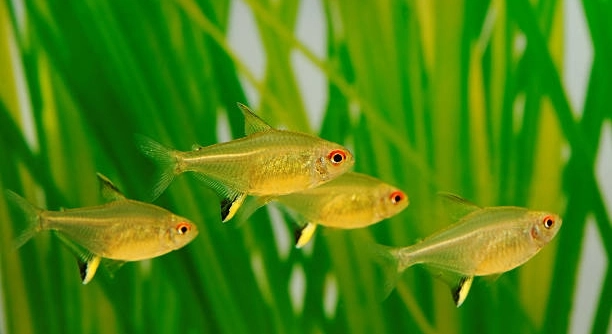
Lemon tetras are lively fish that often brighten up a community tank. They explore their surroundings actively, yet sometimes new plants in the aquarium go unnoticed. Observing their behavior can help understand why they may ignore additions.
Lemon tetras may ignore new plants due to a combination of stress, unfamiliarity, and established territory preferences. Sudden changes in the aquarium environment can make them cautious, and they often require gradual acclimation to interact comfortably with new plant life.
Learning about their natural tendencies can help improve plant introductions and enhance the overall harmony of the aquarium ecosystem.
Understanding Lemon Tetras’ Behavior
Lemon tetras are naturally cautious fish, especially when faced with changes in their environment. New plants can appear threatening because they alter familiar surroundings. Their hesitation is not aggression but a careful assessment of potential risks. Water conditions, lighting, and tank placement all influence their comfort level. Over time, they will investigate and interact with plants when they feel secure. Observing their swimming patterns can reveal their level of adjustment. Some tetras prefer hiding near existing decorations or familiar plants at first. Tank mates also play a role; more confident fish may explore quickly, while shy individuals hang back. Gradual introductions, like floating new plants above the substrate before planting them, can reduce stress. Offering a consistent feeding schedule and maintaining stable water parameters encourages exploration. Patience is key, as forcing interaction can increase stress. Lemon tetras are small but observant, and their reactions reflect careful decision-making, not disinterest or indifference.
Acclimation and stability help tetras accept new plants without stress. Predictable routines improve their interaction with added greenery.
Slowly allowing new plants to settle in and observing tetra responses over days ensures healthier integration and reduces unnecessary stress in the tank.
Tips for Introducing New Plants
Introducing new plants in a tank requires timing and preparation. Healthy plants, rinsed thoroughly, are essential before placement.
Start with small quantities and place them near familiar areas. Gradually adding plants allows tetras to explore at their own pace. Avoid sudden rearrangements, as this can trigger hiding behavior or stress. Observe how tetras react during the first few hours. Some may swim around the new plants out of curiosity, while others stay near the original setup. Lighting should be balanced to prevent startling them. A mix of dense and open areas provides comfort and freedom of movement. Floating plants can offer shelter while tetras adjust to changes below. Monitoring water quality is also important, as plant decay can alter chemical parameters. Using slow-growing, hardy plants minimizes frequent changes, keeping the environment stable. Over time, tetras often begin nibbling on plants or exploring roots, showing acceptance. Consistency, patience, and observation are key to integrating new plants successfully into a tetra-friendly tank.
Common Reasons Lemon Tetras Avoid New Plants
Lemon tetras often ignore new plants due to stress, sudden environmental changes, or unfamiliar textures. Their cautious nature makes them slow to explore additions. Observing their behavior can reveal how comfortable they feel with new elements in the tank.
Shy behavior in lemon tetras can be intensified by overcrowding or aggressive tank mates. When space is limited, they stick to familiar areas, avoiding anything new. Bright lighting, strong currents, or sudden movements can also make them hesitant. Even small differences in plant placement or type can trigger avoidance. Over time, consistent routines and stable water conditions help them feel secure. Allowing plants to settle and giving tetras time to explore gradually encourages interaction without forcing them. Patience and careful observation are essential.
Introducing plants slowly, maintaining stable conditions, and avoiding sudden changes in layout significantly increase the likelihood that lemon tetras will explore and interact naturally. Confidence grows gradually through repeated exposure and comfort in their environment.
Strategies to Encourage Interaction
Floating new plants or placing them near familiar decorations can make exploration less intimidating. Gradual exposure builds confidence.
Adjusting the tank layout in small increments allows tetras to investigate without stress. Consistently feeding in the same areas encourages movement near new plants. Using hardy, slow-growing plant species reduces frequent changes that could unsettle the fish. Observing tetra behavior, such as approaching and circling new plants, signals growing comfort. Avoid removing or rearranging plants immediately if they show avoidance, as this can reinforce fear. Over several days, they often begin swimming among stems, inspecting leaves, or nibbling lightly. Regular monitoring of water quality ensures plants do not negatively impact the tank. Combining stable conditions, gradual introductions, and attention to tetra responses fosters a more harmonious aquarium where fish and plants coexist naturally.
Plant Placement Matters
Placing new plants near hiding spots or existing decorations makes them less intimidating for lemon tetras. Gradual introduction near familiar areas encourages exploration without stress.
Avoid overcrowding or clustering all plants in one corner. Spacing them evenly provides open swimming areas, allowing tetras to approach new plants at their own pace.
Water Conditions and Plant Acceptance
Stable water parameters are essential when adding new plants. Sudden changes in temperature, pH, or hardness can make tetras hesitant. Proper filtration, regular water changes, and consistent temperature create a secure environment. Healthy plants that do not alter water chemistry dramatically are more likely to be explored and accepted by the fish.
Observing Behavioral Cues
Pay attention to how lemon tetras respond to new plants. Hesitation, hiding, or circling indicate cautious interest.
FAQ
Why are my lemon tetras ignoring new plants?
Lemon tetras are naturally cautious and slow to explore unfamiliar objects. New plants may seem threatening because they change their familiar environment. Stress, tank mates, and sudden movements can make them hesitant. Gradually introducing plants and keeping conditions stable encourages them to investigate over time.
How long does it take for lemon tetras to accept new plants?
Acceptance varies by individual and tank conditions. Some tetras may explore within a day, while others take several weeks. Gradual placement, consistent water parameters, and a calm environment help them feel secure and increase the likelihood of interaction with new plants.
Do lemon tetras eat plants?
Generally, lemon tetras do not consume healthy aquarium plants. They might nibble occasionally on soft leaves or algae but usually leave established plants untouched. Providing stable water conditions and high-quality food reduces the likelihood of accidental nibbling.
Can tank size affect their behavior toward plants?
Yes. Smaller or overcrowded tanks can increase stress, causing tetras to avoid new plants. Adequate space, hiding spots, and an even distribution of decorations allow them to explore safely and feel more comfortable approaching unfamiliar additions.
Does lighting impact plant acceptance?
Bright or fluctuating lighting can make lemon tetras wary of new plants. Gradually introducing plants under stable lighting conditions reduces stress. Moderate, consistent lighting allows tetras to explore naturally and encourages them to interact with plants without sudden fear responses.
Should I rearrange the tank when adding new plants?
Avoid sudden rearrangements, as lemon tetras may interpret it as a threat. Incremental changes, like placing plants near familiar decorations, help them acclimate without triggering hiding or avoidance behavior. Patience and careful observation are more effective than drastic moves.
Do plant type or texture matter?
Yes. Hardy, slow-growing plants are less disruptive and easier for tetras to accept. Soft or delicate plants may be avoided at first because unfamiliar textures feel risky. Choosing a mix of dense and open plants creates safe exploration areas.
How can I encourage shy tetras to explore plants?
Maintain stable water conditions and provide hiding spots near new plants. Consistent feeding routines and minimal disturbances encourage confidence. Gradual exposure allows timid individuals to explore at their own pace without feeling threatened.
Can other fish influence plant exploration?
Yes. Confident or active tank mates may explore new plants quickly, which can encourage shy lemon tetras to follow. Conversely, aggressive or territorial species may cause tetras to avoid new additions. Observing fish interactions is key to ensuring harmony during plant introduction.
What are signs my tetras are comfortable with new plants?
Indicators include swimming among stems, inspecting leaves, or nibbling lightly on soft areas. Reduced hiding, consistent movement around new plants, and curiosity are good signs that they have acclimated successfully. Patience and gradual exposure increase these positive behaviors.
Is it necessary to quarantine plants before adding them?
Yes. Quarantining new plants prevents pests, algae, or harmful bacteria from affecting the tank. Rinsing and soaking plants before introduction helps lemon tetras explore without encountering sudden threats, maintaining a healthy and safe environment.
Can water changes affect plant exploration?
Sudden large water changes can make tetras skittish. Small, regular changes maintain water quality without disrupting their comfort level. Stable conditions support curiosity and gradual interaction with new plants.
How do I know if my tetras will ever explore new plants?
With patience, stable conditions, and gradual exposure, most lemon tetras will eventually explore new plants. Observing minor movements toward stems, hovering near leaves, and reduced hiding are all signs that they are beginning to feel secure.
Can plants improve tetra behavior?
Yes. Properly introduced plants provide shelter, reduce stress, and encourage natural behaviors like schooling and exploration. Gradual integration enhances tank aesthetics and creates a healthier, more engaging environment for lemon tetras.
Should I use floating plants for initial introduction?
Floating plants provide temporary cover and reduce stress during introduction. They allow lemon tetras to acclimate while giving them a sense of security. Gradually planting or lowering them to the substrate encourages interaction over time without sudden changes.
How often should I monitor their interaction with new plants?
Regular observation during the first days is essential. Watch for hesitation, hiding, or gradual exploration. Adjust placement, lighting, or feeding routines as needed to encourage natural engagement. Over time, tetras become more comfortable and confident around the new plants.
Are there signs that tetras dislike certain plants?
Avoidance, constant hiding, or refusal to approach specific plants indicates discomfort. It may be due to texture, placement, or environmental changes. Adjusting the location or type of plant can help tetras feel more at ease and encourage eventual exploration.
Can adding decorations alongside plants help?
Yes. Decorations provide familiar landmarks and hiding spots, making new plants less intimidating. Tetras often use decorations as a bridge to explore plants gradually, reducing stress while promoting natural behavior in a structured environment.
Do temperature fluctuations affect plant acceptance?
Yes. Sudden temperature changes increase stress and hesitation. Maintaining a stable, appropriate temperature ensures tetras feel secure and more willing to explore plants without risk or discomfort.
How do I know when it’s safe to add more plants?
Wait until tetras regularly explore existing plants, showing reduced hiding and consistent swimming near additions. Gradual expansion prevents overwhelming them and maintains a calm, stable environment that encourages natural curiosity and interaction.
Lemon tetras are delicate and cautious fish that respond strongly to changes in their environment. Introducing new plants can be a slow process because they take time to adjust to unfamiliar objects. Their hesitation is not a sign of disinterest but rather a natural behavior meant to keep them safe. Sudden changes in tank layout, lighting, or plant types can trigger stress, which often results in avoidance. Observing their behavior carefully provides important clues about how comfortable they feel and how well they are adapting to the new additions. Over time, as they become more familiar with the new plants, their confidence grows, and they begin to explore more actively. Patience is essential when working with lemon tetras, as forcing interaction can increase stress and reduce their willingness to engage with their environment. Creating a stable and predictable environment is the foundation for encouraging natural exploration and interaction with plants.
Gradual introduction of new plants is key to ensuring a smooth adjustment for lemon tetras. Placing plants near familiar decorations, providing hiding spots, and spacing them evenly throughout the tank allows tetras to investigate at their own pace. Floating plants can serve as temporary shelter, giving timid fish the security to move closer to new elements without feeling threatened. Monitoring water conditions is also critical because even healthy plants can alter water chemistry, which may impact the fish’s willingness to explore. Consistent feeding schedules and a calm environment contribute to a sense of security, encouraging tetras to approach and interact with plants. Observing their reactions over several days provides insight into their comfort level and helps guide the next steps in plant placement. By introducing plants gradually and maintaining stable conditions, aquarists can ensure that lemon tetras begin to accept and enjoy the new elements in their tank without stress or hesitation.
Lemon tetras’ interaction with new plants reflects their natural instincts and need for safety. They are more likely to explore when they feel secure and when environmental changes are introduced slowly. Tank size, water quality, lighting, and tank mates all play a role in determining how quickly they accept new plants. Patience, observation, and careful planning are essential for creating a harmonious aquarium where plants and fish coexist. Over time, tetras may swim among stems, inspect leaves, or nibble lightly on soft areas, indicating that they are comfortable and confident in their surroundings. By understanding their cautious nature and providing gradual, thoughtful introductions, aquarists can create a healthy and engaging environment that allows lemon tetras to thrive while enjoying the benefits of a well-planted tank. Stability, consistency, and observation are the keys to ensuring that these small, delicate fish adapt well to changes, making the aquarium a more natural and enriching space.

Hello,
If you enjoy the content that we create, please consider saying a "Thank You!" by leaving a tip.
Every little bit helps us continue crafting quality advice that supports the health, happiness, and well-being of pets around the world, for pets of all shapes, sizes, and species.
We really appreciate the kindness and support that you show us!