
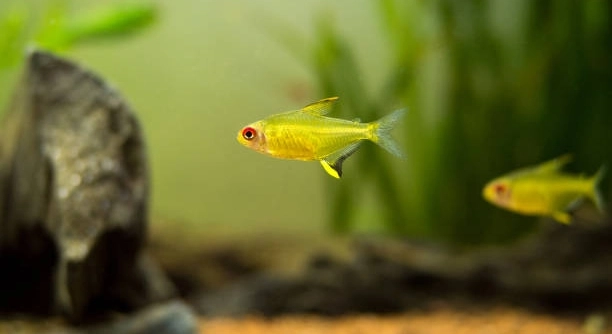
Lemon tetras are small, lively fish that brighten up any aquarium. Keeping them happy requires more than just feeding; their environment needs attention to maintain water quality and overall comfort. Proper care can make a noticeable difference.
Lemon tetras respond positively to consistent cleaning habits, including regular water changes, careful removal of uneaten food, gentle substrate vacuuming, and maintaining stable water parameters. These routines support their health, reduce stress, and encourage natural swimming and social behavior.
Maintaining these habits ensures your lemon tetras thrive, creating a vibrant and healthy aquatic environment that they genuinely appreciate.
Regular Water Changes
Keeping the water clean is one of the most important things you can do for lemon tetras. Performing partial water changes weekly helps remove excess waste, chemicals, and debris that accumulate over time. This prevents harmful substances from building up, which can stress the fish and affect their health. Using a siphon to remove about 20-30% of the water at a time is ideal. Always replace it with water that is properly conditioned and at the same temperature to avoid shocking the fish. Consistent water changes also help maintain clarity, making it easier to monitor fish behavior and tank conditions. Over time, you’ll notice the tetras swimming more actively and interacting more naturally. Even small, regular efforts can make a significant difference in maintaining a stable and healthy environment for them. This habit not only improves their lifespan but also reduces the risk of disease.
Partial water changes help maintain stable water conditions and remove excess waste efficiently, supporting overall tetra health.
Maintaining a clean aquarium requires attention to detail. Dirt and waste can quickly accumulate in the substrate and decorations, even if the water looks clear. Cleaning surfaces gently and removing debris ensures the tank remains a safe space for the tetras. Avoid using harsh chemicals or soaps, as residues can harm the fish. Observing their behavior during cleaning can provide insight into water quality and tank health. Lemon tetras thrive in an environment where water parameters remain stable and free from toxins. Regular monitoring of pH, temperature, and ammonia levels is essential. A well-kept tank encourages natural schooling behavior and reduces stress, making the fish more active and colorful. Simple routines, when done consistently, prevent larger issues and keep the aquarium visually appealing. Small investments of time each week maintain a healthy habitat, creating a reliable and safe space for the tetras to grow.
Gentle Substrate Vacuuming
Vacuuming the substrate removes uneaten food and waste that sinks to the bottom. Doing this weekly prevents the buildup of harmful compounds and keeps the environment safe for the tetras.
Regular substrate cleaning minimizes bacteria growth and ensures cleaner water, allowing the tetras to swim freely without stress or irritation.
Using a siphon or gravel vacuum carefully is important. Focus on areas where debris tends to collect but avoid disturbing plants or decorations too much. Uneaten food can rot and affect water quality, making the fish more prone to illness. A gentle approach preserves beneficial bacteria in the substrate, which is vital for the tank’s natural filtration. Observing the substrate during cleaning also allows you to spot leftover food patterns or areas where waste accumulates. Over time, maintaining this habit creates a cleaner tank and reduces the frequency of major water changes. Lemon tetras are sensitive to sudden shifts in water quality, so gentle and consistent cleaning supports their health and reduces stress, keeping them active and thriving.
Monitor Water Temperature
Lemon tetras prefer stable water temperatures between 75 and 80°F. Sudden changes can stress them, affecting their swimming and feeding habits. A reliable heater and thermometer help maintain consistency and prevent health issues, keeping the fish comfortable and active in their environment.
Using a thermometer daily ensures the water stays within the ideal range. Fluctuations can weaken their immune system, making them more susceptible to illness. If the temperature drops too low, their metabolism slows, and they may become lethargic. Too high, and oxygen levels decrease, causing stress and potential respiratory issues. Keeping the heater well-maintained and checking for malfunctions prevents sudden shocks. Observing the tetras for signs of discomfort, such as hiding or erratic swimming, helps detect problems early. Maintaining a stable temperature encourages natural behavior, proper feeding, and overall vitality.
Consistent monitoring also allows for quick adjustments if needed. Sudden spikes or drops in temperature can be harmful. Gradual corrections minimize stress, and pairing this with regular water changes enhances the overall tank stability. A stable thermal environment supports breeding behaviors, vibrant coloration, and active schooling. Lemon tetras thrive when their surroundings remain predictable, reducing stress-related issues. Even small improvements in temperature management can significantly impact their health, energy levels, and social interactions, making them more lively and visible in the aquarium.
Maintain Proper Filtration
A strong, reliable filter removes debris and toxins while circulating water efficiently. Filtration prevents waste buildup, keeping the water clear and safe for lemon tetras to swim freely.
Cleaning the filter regularly ensures it works effectively. Clogged or dirty filters reduce flow and water quality. Replace or rinse filter media as recommended to maintain consistent performance. Proper filtration balances the tank environment, reducing ammonia spikes and other harmful compounds. It also promotes oxygenation and water movement, which are essential for the fish’s health. Monitoring filter output daily helps detect potential issues before they affect the tetras.
Filters should match the tank size and bioload. Overloaded or undersized filters struggle to maintain water quality, leading to stress or illness. Mechanical, chemical, and biological filtration work together to remove particles, toxins, and promote beneficial bacteria growth. Observing the filter’s performance while feeding or cleaning helps ensure it runs efficiently. Maintaining a functional filter creates a stable, clear environment, supporting the tetras’ energy and coloration. Proper filtration, paired with consistent water changes, keeps the tank balanced, reducing disease risk and encouraging natural behaviors. A well-filtered aquarium simplifies maintenance and provides a healthy, thriving space for lemon tetras.
Remove Uneaten Food
Uneaten food can quickly decay and pollute the water. Removing leftovers after feeding prevents harmful ammonia buildup and keeps the tank clean.
Using a small net or siphon helps collect particles efficiently. Consistent removal supports stable water quality and reduces stress for lemon tetras.
Clean Decorations and Plants
Algae and debris can accumulate on decorations and plants, affecting both appearance and water quality. Gently scrubbing these surfaces with a soft brush prevents excessive buildup. This habit maintains a visually appealing tank while keeping the environment safe. Removing algae regularly ensures lemon tetras have a healthy space to swim and reduces the risk of water quality issues. Even artificial plants benefit from light cleaning, while live plants should be handled carefully to avoid damaging leaves. Consistent attention to all surfaces helps sustain a balanced and stable habitat.
Check Water Parameters
Testing pH, ammonia, nitrite, and nitrate levels regularly ensures the water remains safe. Stable parameters prevent stress and illness in lemon tetras.
Maintain Lighting Schedule
Consistent lighting supports natural behavior and reduces stress. Use a timer to provide a predictable day-night cycle for the tetras.
How often should I change the water in my lemon tetra tank?
Water changes should be performed weekly, replacing about 20-30% of the tank’s water each time. This helps remove excess waste and keeps water quality stable. Using conditioned water at the same temperature prevents shocking the fish and ensures they remain healthy and active.
What temperature is ideal for lemon tetras?
Lemon tetras thrive in water between 75 and 80°F. Consistent temperatures prevent stress, support proper metabolism, and encourage natural swimming and feeding behaviors. A reliable heater and thermometer help maintain stability, while gradual adjustments reduce risks from sudden fluctuations.
How do I clean the substrate without harming my tetras?
Using a siphon or gravel vacuum gently removes uneaten food and waste from the substrate. Focus on areas where debris collects while avoiding plant roots or decorations. This prevents toxins from building up and maintains beneficial bacteria, which support water filtration.
Do lemon tetras need a strong filter?
Yes, a proper filter removes waste, circulates water, and supports oxygenation. Filters should match the tank size and bioload. Cleaning or replacing filter media regularly ensures efficiency and keeps water safe for the fish. Proper filtration reduces stress and helps maintain vibrant coloration.
How often should I clean decorations and plants?
Decorations and plants should be checked weekly for algae and debris. Gently scrubbing artificial plants and surfaces prevents buildup, while live plants should be cleaned carefully to avoid damage. Regular attention maintains a safe and appealing environment for lemon tetras.
How important is removing uneaten food?
Uneaten food decomposes quickly, raising ammonia and nitrite levels. Using a small net or siphon after feeding prevents water pollution, reduces disease risk, and keeps tetras stress-free. Consistent removal supports clear water and a healthy habitat.
What water parameters should I monitor?
Testing pH, ammonia, nitrite, and nitrate levels regularly is essential. Stable parameters prevent stress and illness. Lemon tetras are sensitive to sudden changes, so monitoring allows early detection of potential problems, helping maintain a balanced environment.
Do lemon tetras need a lighting schedule?
Yes, a consistent lighting schedule supports natural behavior and reduces stress. Using a timer provides a predictable day-night cycle, helping the fish maintain regular activity patterns and encouraging proper feeding and swimming habits.
Can I use tap water for my tank?
Tap water must be treated with a conditioner to remove chlorine and chloramines. Untreated water can harm the fish. Matching the water temperature to the tank prevents sudden shocks and supports a stable environment for lemon tetras.
How can I tell if my lemon tetras are stressed?
Signs include hiding, clamped fins, erratic swimming, or loss of color. Stress often results from poor water quality, sudden temperature changes, or overcrowding. Addressing these factors promptly helps the fish regain health and maintain normal behavior.
How often should I test my water?
Testing weekly is recommended, or more frequently if the fish show signs of stress. Regular checks allow you to make timely adjustments to maintain a safe and stable habitat. This practice supports overall health and reduces disease risks.
Is it necessary to clean the filter media?
Yes, cleaning the filter media prevents clogging and maintains water flow. Rinse it in tank water rather than tap water to preserve beneficial bacteria. Proper filter maintenance ensures a stable environment and supports healthy tetras.
Can lemon tetras live with other fish?
They are peaceful and do well in community tanks with similarly sized, non-aggressive fish. Avoid large or aggressive species. Proper tank size, hiding spaces, and compatible companions help maintain harmony and reduce stress.
How can I encourage natural schooling behavior?
Keeping at least six lemon tetras together promotes schooling. Consistent water conditions, ample swimming space, and low-stress environments encourage the group to swim actively and interact naturally. Observing their patterns helps gauge tank health.
Are live plants necessary for lemon tetras?
Live plants are beneficial but not required. They improve water quality, provide hiding spaces, and support natural behavior. If using artificial plants, ensure they are cleaned regularly to prevent debris accumulation and maintain a healthy environment.
How often should I inspect the tank for issues?
Daily observation is ideal. Look for water clarity, fish behavior, leftover food, and algae buildup. Regular inspection allows quick intervention, preventing small problems from becoming serious. This ensures lemon tetras stay healthy and active in their habitat.
Can overfeeding harm lemon tetras?
Yes, overfeeding leads to uneaten food, waste buildup, and water quality issues. Feed small amounts they can consume in a few minutes. Consistent, measured feeding supports health, reduces stress, and maintains clear water conditions.
How can I prevent disease in my lemon tetras?
Maintaining clean water, stable parameters, proper filtration, and regular removal of debris prevents common illnesses. Quarantining new fish and avoiding overfeeding also reduce infection risks. Healthy fish in a well-kept tank are less susceptible to disease.
What is the best way to acclimate new lemon tetras?
Float the sealed bag in the tank for 15-20 minutes to equalize temperature. Gradually mix small amounts of tank water into the bag before releasing the fish. Slow acclimation reduces stress and improves survival in the new environment.
How do I maintain stable pH levels?
Monitor pH regularly and avoid rapid changes. Using a buffer if needed helps maintain consistency. Stable pH supports metabolism, feeding, and schooling behavior, ensuring lemon tetras thrive over the long term.
Maintaining a healthy environment for lemon tetras requires consistent attention to their tank and daily habits. Small, regular efforts like performing water changes, monitoring temperature, and cleaning the substrate can make a significant difference in their overall health. Lemon tetras are sensitive to changes in water quality and stress, so keeping conditions stable supports their natural behavior and vibrant coloration. Even simple actions, such as removing uneaten food promptly or ensuring a consistent lighting schedule, play an important role in creating a safe and comfortable space. Over time, these routines help the tetras thrive and reduce the risk of illness, making the aquarium easier to manage and more enjoyable to watch.
Regular monitoring of water parameters is essential to maintain a balanced habitat. Checking pH, ammonia, nitrite, and nitrate levels allows you to address problems before they affect the fish. A properly maintained filter, combined with gentle substrate cleaning, supports beneficial bacteria and helps maintain clear water. Observing your tetras during these routines also provides valuable insight into their health and behavior, allowing you to detect signs of stress or illness early. Consistency in these habits reduces sudden fluctuations in the environment, which is crucial for small, delicate species like lemon tetras. The more consistent and careful you are with tank maintenance, the healthier and more active the fish will remain.
Creating a stable and well-maintained tank also contributes to the tetras’ natural social behavior. Lemon tetras are schooling fish that enjoy swimming in groups, and a clean, stress-free environment encourages this activity. Decorations, plants, and hiding spots enhance their comfort, but only if they are kept clean and free from debris. Maintaining proper feeding routines, a steady temperature, and stable water chemistry ensures the tetras remain energetic and display their full coloration. These small but consistent efforts combine to provide a safe and stimulating environment where lemon tetras can grow and interact naturally. By committing to these practices, the tank becomes a healthy, balanced space, allowing the fish to flourish and providing a visually appealing aquarium for anyone observing them.

Hello,
If you enjoy the content that we create, please consider saying a "Thank You!" by leaving a tip.
Every little bit helps us continue crafting quality advice that supports the health, happiness, and well-being of pets around the world, for pets of all shapes, sizes, and species.
We really appreciate the kindness and support that you show us!