
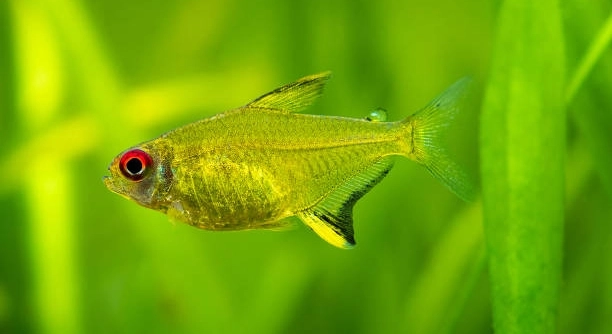
Lemon tetras are small, vibrant fish that bring life to any freshwater aquarium. Observing their behavior can be fascinating, especially when they start forming connections with one another over time in a calm environment.
Lemon tetras form bonds through consistent close swimming, synchronized movements, and gentle nipping or nudging. These behaviors indicate social pairing and mutual recognition within the group, reflecting early stages of bonding that strengthen their interactions and social structure.
Recognizing these patterns can enhance your understanding of your aquarium’s social dynamics and help ensure the fish thrive in a harmonious environment.
Signs of Bonding in Lemon Tetras
Lemon tetras show bonding in ways that can be subtle at first. They often swim close to one another, matching movements almost perfectly. Pairs may follow each other around the tank or linger in the same areas while exploring. Another sign is gentle nudging or brushing against one another, a form of interaction that shows comfort and familiarity. Occasionally, they may share food spots without aggression, signaling trust. Observing them over several days helps confirm these behaviors, as bonded pairs remain consistent in their actions. Changes in lighting or tank setup can slightly alter behavior, but bonded tetras usually stay close regardless. Watching these fish carefully allows you to notice small social cues. Their interactions reflect a natural social hierarchy within the group. Consistent observation makes it easier to differentiate between casual schooling behavior and genuine bonding, providing insight into their daily routines and preferences.
These behaviors indicate social stability and mutual recognition, important for maintaining a balanced and healthy aquarium environment.
Monitoring bonding patterns helps identify which fish interact positively, guiding how to arrange tank mates or spaces for comfort and reduced stress.
Enhancing Bonds Among Lemon Tetras
Bonding among lemon tetras can be encouraged through consistent tank conditions. Maintaining stable water temperature, pH, and proper filtration reduces stress and allows natural social behaviors to emerge. Providing plants, hiding spots, and open swimming areas gives them choices in movement and interaction, supporting comfort. Avoid overcrowding the tank, as this can lead to aggression and prevent bonding. Feeding routines also play a role; offering food in a predictable manner encourages synchronized feeding and strengthens pair interactions. Observing the tetras’ response to these conditions helps you notice which pairs gravitate toward each other naturally. Over time, these efforts lead to stronger bonds and more visible social behaviors. Changes should be gradual to prevent stress, as tetras are sensitive to sudden shifts in their environment. Encouraging a stable, enriched habitat ensures bonds develop organically and that all fish feel secure. This approach supports both social cohesion and overall health, fostering a harmonious aquarium setting where interactions are easier to read.
Observing Daily Interactions
Lemon tetras often swim together in pairs or small groups, staying close throughout the day. They may nibble near one another or share hiding spots, showing comfort and mutual trust without signs of stress or aggression.
Consistent observation reveals subtle patterns, such as synchronized swimming or following behavior. These interactions indicate which fish feel secure together and which prefer distance. Bonded pairs often remain near each other during feeding and exploration, displaying mutual recognition. Watching their behavior over time allows you to distinguish between casual schooling and genuine social bonds. Recording these patterns can help manage tank dynamics and support a peaceful environment.
Occasional gentle nudges or brushing against one another further confirm connections. Paired tetras may compete less for space and food, suggesting that their bond reduces stress and supports natural social structure. This behavior also helps maintain harmony within larger groups, making daily tank management easier.
Encouraging Positive Social Behavior
Providing a stable environment encourages tetras to bond naturally. Plants, hiding spots, and open swimming space allow them to interact comfortably while maintaining personal space.
Regular feeding schedules and consistent tank conditions support synchronized behavior, making bonded pairs more visible. Avoiding overcrowding and sudden changes reduces stress, which can disrupt interactions. Observing which tetras swim closely or share spaces helps identify compatible pairings. Gradually adding enrichment items like floating plants or smooth decorations encourages gentle exploration and shared activity. Over time, tetras develop predictable social patterns, showing trust and comfort. Maintaining these practices ensures long-term harmony and strengthens observed bonds, improving both health and interaction quality.
Identifying Closest Pairs
Bonded lemon tetras often stick together, swimming side by side more than with others. They tend to respond quickly to each other’s movements, showing coordination and comfort in shared spaces.
These pairs frequently explore the tank together and stay near hiding spots. Their behavior is consistent, signaling a strong social connection that can be observed daily.
Role of Environment in Bonding
Tank setup greatly influences bonding behavior. Providing plenty of plants and open swimming areas allows tetras to interact without stress. Hiding spots give them security, reducing competition and fostering trust. Stable water conditions, proper lighting, and consistent feeding routines support natural social patterns. Over time, these factors help bonded pairs maintain close interactions, while less compatible fish keep distance. Observing how tetras use space shows which pairs are forming lasting bonds. A well-structured environment also limits aggression, making social relationships easier to read. Consistency and comfort are key to encouraging natural bonding and maintaining a peaceful community within the aquarium.
Recognizing Stress Signals
Avoiding stress is important, as it can interfere with bonding. Watch for erratic swimming or hiding as indicators of discomfort.
FAQ
How can I tell if my lemon tetras are forming a pair?
Bonded lemon tetras often swim together closely and mirror each other’s movements. They may follow one another during feeding, linger near the same hiding spots, and interact gently without aggression. Observing them over several days helps distinguish consistent pairs from casual schooling behavior.
Do lemon tetras show affection?
While “affection” is not the same as in mammals, tetras demonstrate comfort and trust through coordinated swimming, shared spaces, and gentle nudges. These behaviors indicate a stable social connection and reduce stress among paired fish.
How long does it take for lemon tetras to bond?
Bond formation varies, but most pairs show consistent signs of connection within a few weeks of being in a stable, comfortable tank. Time, stable conditions, and minimal disturbances are key factors.
Can environmental changes affect bonding?
Yes, sudden changes in temperature, lighting, or water quality can disrupt social interactions. Bonded pairs may temporarily separate or become more cautious until the environment stabilizes. Gradual adjustments are better than abrupt changes.
Is it necessary to separate bonded tetras from others?
Not usually. Bonded pairs typically coexist well with other tetras, as long as there is enough space and hiding spots. Separation is only needed if aggression or stress is observed.
How does feeding affect bonding?
Feeding routines encourage synchronized behavior. Bonded tetras often eat side by side without competition. Providing food consistently at the same time and location supports natural social patterns and strengthens their connection.
Do bonded tetras always stay together?
While pairs remain close most of the time, occasional exploration or short separation is normal. They return to each other consistently, signaling an established bond. Observing long-term patterns helps identify true pairs.
What tank size is best for bonding?
A well-sized tank with ample swimming space, plants, and hiding spots encourages interaction without overcrowding. Overcrowding can cause stress and prevent pairs from showing natural social behaviors. A minimum of 20 gallons is recommended for a small group.
Can other fish disrupt bonding?
Other species can influence behavior if they are aggressive or overly curious. Peaceful tank mates allow tetras to interact freely, while aggressive fish may cause separation or stress. Monitoring compatibility helps maintain bonds.
What are signs that bonding is successful?
Successful bonds show consistent proximity, synchronized swimming, gentle nudging, shared feeding, and low aggression. These behaviors indicate trust, social stability, and comfort within the tank environment.
How do I encourage bonding in new tetras?
Introduce tetras slowly into a stable, enriched tank with plants and hiding spots. Maintain consistent water conditions and feeding routines. Avoid sudden changes and allow them time to explore together, forming natural bonds over several weeks.
Can bonded tetras breed more easily?
Bonded pairs may show increased comfort and coordinated behavior, which can facilitate breeding. While bonding alone does not guarantee spawning, it creates a stable social structure that supports reproductive behavior.
Is it normal for bonded tetras to occasionally separate?
Yes, brief separation during exploration or feeding is normal. True pairs consistently return to each other, and temporary distance does not indicate a broken bond. Consistent observation confirms their connection over time.
How do I manage multiple bonded pairs?
Provide enough space, plants, and hiding spots to reduce competition. Each pair should have room to interact without being crowded. Observing behavior ensures compatibility, preventing stress or aggression among the group.
Can stress affect bonding long-term?
Chronic stress can weaken social connections and disrupt bonding. Maintaining stable water quality, proper nutrition, and minimal disturbances supports long-term social stability and overall fish health.
How do bonded tetras interact with their environment?
They often explore together, share hiding spots, and respond to environmental changes as a unit. Bonded pairs are more confident, using open swimming areas while staying near safe zones and familiar companions.
What are early signs of bonding?
Early signs include swimming near each other consistently, mild nudging, following behavior, and shared interest in food or hiding spots. Observing these actions helps identify potential pairs before behaviors become fully established.
Can bonded tetras influence other tetras?
Yes, bonded pairs can model social behavior, encouraging group cohesion. Other tetras may follow or mimic their movements, leading to calmer, more predictable interactions throughout the tank.
How can I document bonding behavior?
Keep notes or short videos of daily interactions. Record which fish swim together, feeding patterns, and proximity to hiding spots. This helps track consistency, identify true pairs, and monitor social health.
What should I avoid to protect bonding?
Avoid overcrowding, sudden environmental changes, aggressive tank mates, and irregular feeding. Maintaining a calm, consistent environment supports natural social behavior and strengthens bonds.
How important is observation for bonding?
Regular observation is crucial. Subtle behaviors reveal bonds that might be missed otherwise. Noting patterns over time allows for better tank management and ensures social stability for all tetras.
Do bonded tetras always interact in the same way?
Interactions may vary depending on mood, time of day, or feeding. Consistent patterns over time, rather than isolated actions, indicate a stable bond.
Can bonding prevent aggression?
Bonded pairs often show less aggression toward each other and may be calmer in the tank. While it does not eliminate all conflicts, it contributes to a more peaceful social structure.
Is it normal for bonds to change?
Yes, bonds can shift due to age, new tank mates, or environmental changes. Stable conditions and observation help maintain or reestablish connections over time.
Do bonded tetras need specific decorations?
Decorations that create open swimming areas and safe hiding spots support natural behavior. They should enhance exploration without restricting movement, promoting comfort and social interaction.
Can bonded tetras signal health issues?
Changes in interaction, like reduced swimming together or increased hiding, can indicate stress or illness. Observing bonds can serve as an early warning for potential health problems.
Are male and female bonding behaviors different?
Differences exist, but both sexes show similar signs of pairing: close swimming, synchronized movements, and shared exploration. Observing these behaviors helps identify compatible pairs for social or breeding purposes.
How can I reinforce positive bonding?
Provide consistent care, stable water conditions, feeding routines, and a well-structured tank. Positive reinforcement through predictable environments encourages natural, long-lasting bonds.
What is the role of consistency in bonding?
Consistency in environment, feeding, and tank maintenance reduces stress and allows social patterns to emerge naturally. Regular observation ensures that bonds develop steadily and remain strong over time.
How do bonded tetras behave during feeding?
They often approach food together, take turns, and remain calm without aggression. Feeding time reinforces social connections and provides an opportunity to observe pairing behavior closely.
Can bonding improve overall tank harmony?
Yes, bonded tetras contribute to a balanced social hierarchy, reducing stress and aggression. Their consistent interactions create a calmer, more predictable environment for all tank inhabitants.
How do I know if a bond is strong?
Strong bonds show repeated close swimming, gentle nudges, synchronized movements, shared hiding spots, and consistent feeding behavior. Observing these patterns over time confirms the strength of the connection.
Is it common for new tetras to bond quickly?
It depends on temperament, tank conditions, and group dynamics. Some pairs bond within days, while others require weeks of stable, stress-free conditions to form consistent connections.
What role does tank size play in bonding?
Adequate space prevents overcrowding and reduces stress. Larger tanks allow pairs to explore, interact, and maintain distance when needed, supporting natural bonding behaviors and overall social stability.
Can lighting affect bonding behavior?
Lighting influences activity levels and comfort. Stable, moderate lighting encourages natural interaction, while sudden changes may cause stress and temporary separation among bonded tetras.
How can I track long-term bonding trends?
Keep daily notes or video logs to observe proximity, feeding behavior, and shared activities. Tracking patterns over weeks helps identify consistent bonds and potential changes in social dynamics.
Do bonded tetras influence tank aesthetics?
Bonded pairs often swim gracefully together, creating a lively and harmonious display. Their coordinated movements enhance the visual appeal of the aquarium while signaling healthy social interactions.
Are there signs that bonding is weakening?
Reduced interaction, increased hiding, or frequent separation may indicate stress, illness, or environmental changes. Observing patterns over time helps identify issues and restore connections.
Can bonded tetras coexist with other fish types?
Yes, if tank mates are peaceful and compatible. Aggressive or highly active species may disrupt interactions. Careful selection and observation ensure all fish can maintain healthy social behaviors.
How do I support new bonds in a community tank?
Introduce new tetras gradually, provide ample hiding spots, and maintain stable water conditions. Monitor interactions closely to ensure compatibility and allow pairs to form naturally without stress.
Do seasonal changes affect bonding?
Temperature and light fluctuations can temporarily alter behavior. Gradual, controlled adjustments minimize stress, helping bonded tetras maintain consistent social interactions throughout seasonal changes.
Can bonded tetras influence feeding hierarchies?
Yes, bonded pairs often coordinate feeding and reduce competition among themselves. Their presence can stabilize the group, allowing calmer feeding for all tank inhabitants.
What are the long-term benefits of bonding?
Strong bonds improve social stability, reduce stress, and encourage natural behaviors. They enhance tank harmony, support overall health, and create a visually appealing, well-functioning aquarium community.
How do I manage bonding in small tanks?
Provide enough space and hiding spots for each pair, monitor behavior closely, and avoid overcrowding. Careful management ensures comfort, reduces stress, and allows natural bonding patterns to develop safely.
Can bonded tetras help monitor tank health?
Yes, changes in interaction often reflect stress or water quality issues. Observing bonds can provide early warnings, allowing timely intervention to maintain a healthy environment.
Are there signs of a very strong bond?
Pairs that consistently swim together, share feeding spots, explore side by side, and respond to each other’s movements demonstrate a strong, lasting connection.
How does age affect bonding?
Older, experienced tetras may form bonds more quickly and maintain them consistently. Younger fish may take longer to establish connections, requiring observation and patience.
Can bonded pairs survive without the group?
They can survive alone, but social interaction with other tetras provides enrichment and natural behavior cues. Isolation may reduce activity and affect overall well-being.
Do tetras ever break bonds naturally?
Bonds can change due to environmental stress, illness, or changes in tank composition. Observing behavior helps identify temporary versus permanent shifts in social connections.
How important is patience in observing bonding?
Patience is essential. Bonds develop gradually and can be subtle at first. Long-term observation allows accurate identification and understanding of social relationships among tetras.
What role does consistency in tank maintenance play?
Stable water quality, feeding routines, and minimal disturbances reduce stress, encouraging natural interactions and supporting strong, lasting bonds between tetras.
Can bonded tetras show leadership?
Occasionally, one fish may lead during swimming or exploration. This behavior is part of natural social structure and does not disrupt the bond when mutual trust is maintained.
How do bonded tetras react to newcomers?
They may show curiosity or mild dominance, but a stable environment and gradual introduction usually allow existing pairs to maintain their connection while adjusting to new tank mates.
Are there differences between pairs and groups?
Pairs focus on each other and show close coordination. Groups may display broader social cohesion, but pair bonds often remain evident within the larger school.
How do I prevent bond disruption?
Avoid sudden environmental changes, overcrowding, aggressive tank mates, and irregular feeding. Consistency supports natural social interactions and reduces stress-related separation.
Can observation improve breeding success?
Yes, identifying bonded pairs and providing a stable environment can enhance comfort and readiness for breeding, supporting natural reproductive behaviors within the tank.
What are subtle signs of early bonding?
Swimming closely, mild nudging, synchronized exploration, and shared feeding areas indicate early-stage bonding. Consistent observation helps confirm these initial connections before they become fully established.
How do bonded tetras respond to stress differently?
They may seek each other for comfort, remaining close during disturbances. This behavior shows the bond provides reassurance and reduces anxiety compared to solitary fish.
Is it beneficial to document interactions visually?
Videos or photos provide a clear record of movements, proximity, and shared behaviors. Visual tracking helps identify patterns and strengthens understanding of social bonds over time.
Do bonded pairs always eat together?
Most bonded pairs show synchronized feeding, often staying side by side. While occasional variation is normal, consistent shared feeding reflects a strong social connection.
How does tank layout affect observation?
Open swimming areas and visible hiding spots make interactions easier to see. A thoughtfully arranged tank allows clear observation of pairs without disturbing natural behavior.
Are bonded tetras calmer than others?
Bonded pairs often show reduced stress, less aggression, and more predictable movements. Their interactions contribute to overall tank stability and a peaceful environment for all fish.
Can bonds influence group schooling?
Yes, pairs often act as anchors within schools, helping maintain cohesion and guiding group movement in a stable, predictable pattern.
How do bonded tetras show trust?
Proximity, gentle nudges, shared spaces, and coordinated swimming reflect mutual trust. These behaviors indicate a stable bond and comfort within the tank environment.
Do tetras ever switch partners?
Occasionally, changes in tank dynamics, stress, or new introductions may lead to bond shifts. Observing behavior over time ensures accurate identification of lasting versus temporary connections.
How long do bonded pairs typically stay together?
With stable conditions, bonds can last for months or longer. Consistent environment, proper care, and compatible tank mates help maintain long-term connections.
Can I encourage bonding after a disruption?
Gradual reintroduction, stable water conditions, and ample space can help tetras reestablish connections after temporary separation or stress. Observation ensures bonds are rebuilding naturally.
How do bonded tetras influence tank harmony?
Strong pairs reduce aggression, coordinate movement, and provide stability. Their presence creates a calmer, more predictable environment that benefits all inhabitants.
Are there signs that bonding is forming too slowly?
If tetras rarely swim together or interact over weeks, environmental stress, overcrowding, or incompatible tank mates may be slowing the process. Adjusting conditions can encourage natural bonding.
How do bonded tetras interact during nighttime?
Pairs often rest near each other, sharing safe hiding spots. Their connection remains evident even during low activity periods, reflecting consistent social bonds.
What role does diet play in bonding?
Consistent feeding routines and shared food access support social interaction, reduce competition, and encourage synchronized behavior among bonded pairs.
Can observation prevent tank conflicts?
Yes, recognizing bonds and compatible pairs allows better tank management. Adjustments in space, hiding spots, or tank mates reduce stress and maintain harmony.
Do bonded tetras show preference for certain areas?
Pairs often share favorite spots, whether open swimming areas or hiding places. Tracking these preferences helps identify consistent bonds and ensures comfortable environments.
How can I tell if bonding affects health?
Stable pairs often show active swimming, regular feeding, and reduced stress behaviors. Disruption may coincide with illness or environmental issues, making observation valuable for early detection.
Can bonded tetras influence others’ behavior during feeding?
Yes, bonded pairs can lead the group, encouraging synchronized feeding and calmer interactions. Their behavior often reduces competition and stress among other tetras.
Are there signs of strong visual communication?
Close swimming, mirrored movements, and coordinated responses indicate that tetras are communicating visually, reinforcing their social bond.
Does age affect bonding speed?
Older tetras may form bonds faster due to experience and established social behavior patterns. Younger fish often require more time and observation to establish consistent connections.
Can environmental enrichment speed up bonding?
Providing plants, hiding spots, and open swimming areas encourages exploration, shared activity, and natural interaction, supporting faster formation of bonds.
Do bonded pairs influence tank aesthetics consistently?
Coordinated swimming and synchronized behavior create a visually pleasing display. Their stable interactions enhance the overall appearance of the aquarium.
Can bonded tetras teach observers about social behavior?
Yes, careful observation of bonds reveals natural pairing, trust, and coordination. These behaviors provide insights into fish social dynamics and preferences.
How important is observation frequency?
Daily observation ensures early recognition of patterns, bond formation, and potential stress. Regular monitoring allows timely intervention and supports long-term social stability.
Do bonded tetras ever compete?
Minimal, gentle competition may occur but rarely disrupts the bond. Bonded pairs usually share space and food harmoniously, reflecting trust and social balance.
Can bonded tetras influence new arrivals?
Yes, established pairs may guide newcomers, helping them integrate while maintaining their connection. Observing reactions ensures smooth adaptation for all fish.
How do I maintain long-term bonds?
Consistent care, stable water conditions, adequate space, and regular observation support lasting social connections. Enriched environments and minimal disturbances encourage natural, enduring bonds.
Are there differences in male and female bonding?
Both sexes display close swimming, synchronized behavior, and shared hiding spots. Observing interactions helps identify compatible pairs regardless of gender.
Can bonded tetras indicate tank stress levels?
Changes in interaction, such as separation or increased hiding, may reflect stress or poor water quality. Observing bonds provides early signs for corrective action.
How do bonded tetras react to disturbances?
They often stay close, using the bond for reassurance. Coordinated movement and mutual support help reduce stress during sudden changes or environmental disruptions.
Does tank size influence bond stability?
Adequate space prevents overcrowding, reduces stress, and allows natural movement. Larger tanks support exploration while preserving established social bonds, enhancing overall stability.
Are there visual cues for strong bonds?
Consistent side-by-side swimming, gentle nudges, shared feeding, and synchronized exploration indicate a strong and lasting connection.
How do bonded pairs affect tank dynamics?
They stabilize social hierarchy, reduce aggression, and provide predictable movement patterns. Their presence enhances harmony and comfort for all tank inhabitants.
Can bonded tetras change behavior with age?
Yes, older fish may become calmer, maintain consistent pairs, or adjust interactions. Long-term observation tracks changes and ensures continued stability.
How do I avoid bond disruption during tank maintenance?
Perform gradual water changes, avoid sudden environmental shifts, and maintain stable routines. These practices protect bonds and reduce stress for all tetras.
Can bonded tetras influence breeding readiness?
Stable, confident pairs show coordinated behavior that can encourage spawning. Bonded interactions create a secure environment conducive to reproductive activity.
How do bonded tetras respond to feeding order?
Pairs often feed together, taking turns
Final Thoughts
Observing lemon tetras in a home aquarium can be both calming and educational. These small fish have distinct personalities and social behaviors that become more apparent over time. Watching them form bonds provides insight into how they interact with each other, and paying attention to these interactions can help ensure a balanced and peaceful tank environment. Bonded pairs often swim together, share hiding spots, and exhibit gentle nudges or coordinated movements. Recognizing these behaviors early helps in identifying which tetras feel most comfortable together and which may prefer to remain more independent. Careful observation over several days or weeks allows patterns to emerge and provides a clearer understanding of social dynamics.
Maintaining a stable environment is essential for promoting bonding among lemon tetras. Consistent water quality, temperature, and lighting reduce stress and encourage natural behaviors. Providing plants, decorations, and open swimming areas allows tetras to explore safely while offering spots to retreat when needed. Feeding routines also play a role in supporting social bonds, as paired tetras often eat side by side without competition. Overcrowding should be avoided, as it can disrupt established relationships and lead to stress or minor aggression. Gradual changes in the tank, whether adding new fish or rearranging decorations, are less likely to interfere with social connections. By creating a secure and comfortable environment, tetras are more likely to exhibit consistent bonding behaviors that can be observed and appreciated over time.
Bonding in lemon tetras reflects natural social instincts that benefit both the fish and the overall aquarium environment. Strong pairs contribute to calmer tank dynamics, as their presence often stabilizes the group and reduces aggression. Observing their interactions can also serve as an early indicator of potential stress or health concerns, as changes in behavior often correspond to environmental or physical issues. Encouraging bonding through stable conditions and thoughtful tank management not only supports the fish’s well-being but also allows caretakers to better understand their needs. Over time, these observations build a deeper connection between the observer and the fish, fostering an aquarium space that is both visually appealing and socially harmonious. Regular attention and care ensure that lemon tetras can thrive in a supportive environment, allowing bonds to form naturally and maintain long-term stability within the community.

Hello,
If you enjoy the content that we create, please consider saying a "Thank You!" by leaving a tip.
Every little bit helps us continue crafting quality advice that supports the health, happiness, and well-being of pets around the world, for pets of all shapes, sizes, and species.
We really appreciate the kindness and support that you show us!