
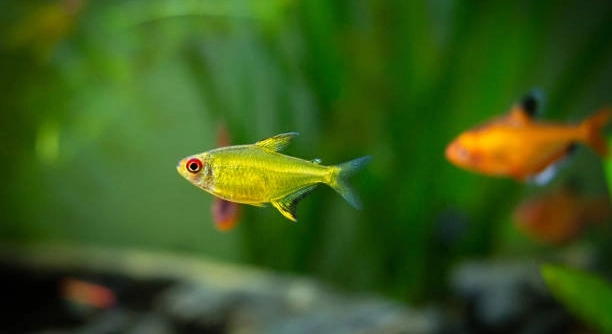
Do you enjoy keeping colorful, lively fish but find yourself unsure about the best tank setup for their comfort and health? Lemon tetras are popular for their bright hues and peaceful nature in community tanks.
Lemon tetras thrive best in tanks that offer a balance of open swimming space and scattered plant cover. Excessive clutter can restrict movement, while entirely open tanks may cause stress. Providing moderate decor ensures both security and freedom for natural behavior.
Creating the ideal environment for your lemon tetras goes beyond decoration. Understanding their preferences can improve their well-being and enhance the beauty of your aquarium.
Understanding Lemon Tetra Behavior
Lemon tetras are small, active fish that naturally live in slow-moving rivers with abundant plant life. They feel safest when they have places to hide but also need open water to swim freely. Overcrowding a tank with decorations can make them stressed or shy. They are schooling fish, so keeping them in groups of six or more helps reduce anxiety and encourages natural behavior. Observing them closely, you may notice they linger near plants or dart quickly through open spaces. This balance between shelter and space is essential for their health. Providing mid-height plants and small driftwood pieces creates visual boundaries while maintaining areas for swimming. Avoid tall, dense plants that block most of the tank’s open water, as this limits movement. Lighting also plays a role; soft light mimics their natural habitat and reduces stress, while very bright light may make them hide more.
Balancing tank decor is key for happy, active lemon tetras. Too much or too little can negatively affect their behavior.
By arranging a mix of plants, rocks, and open swimming areas, you can support both security and exercise. Proper water flow, temperature, and lighting complement the physical setup, ensuring they remain healthy and vibrant. Observing how they interact with different areas helps refine the tank layout over time. Even small changes, like adding floating plants or adjusting hiding spots, can make a noticeable difference in their comfort. Group behavior also matters; when they have companions, their confidence grows, and they explore more freely. Over time, you’ll see patterns in where they like to rest, swim, or interact, guiding future adjustments. This attention to detail creates an environment that feels natural and safe, enhancing both the aesthetic of the aquarium and the well-being of your lemon tetras.
Open vs. Cluttered Tank Spaces
Open swimming areas allow lemon tetras to move freely and reduce stress. They need space to school and maintain natural activity patterns.
Cluttered tanks can offer security but may restrict swimming. Careful placement of plants and decor ensures they feel safe while still having enough room to move. Proper spacing and a mix of elements help maintain a comfortable balance, allowing them to display natural behaviors without feeling trapped. Observing how they use these areas guides adjustments to optimize their environment and health.
Tank Plants and Decorations
Plants and decorations provide lemon tetras with hiding spots, reducing stress and encouraging natural behavior. They prefer moderate coverage that allows swimming space while offering refuge. Too many decorations can block movement, while too few may make them feel exposed.
Choosing the right plants is important. Fast-growing plants like hornwort or java fern create areas for shelter without overwhelming the tank. Floating plants soften lighting and add cover. Small driftwood or smooth rocks can create visual boundaries, helping them feel secure. Avoid sharp decorations that may injure their delicate fins. Arranging plants at different heights creates both vertical and horizontal zones, supporting exploration and play. Observation helps determine which areas are used most, so you can adjust placement to maintain comfort.
Decor placement affects both behavior and tank aesthetics. Keeping some open swimming zones alongside hiding spots encourages natural schooling patterns. Adjusting plant density gradually allows tetras to adapt without stress. Monitoring interactions with these areas ensures your setup meets their needs. Proper spacing also helps maintain water flow and prevents debris accumulation, contributing to cleaner water and healthier fish.
Lighting and Water Flow
Lighting affects how lemon tetras behave and feel in the tank. Soft lighting reduces stress, while harsh lighting may cause hiding. Moderate brightness mimics natural conditions and enhances coloration.
Water flow is crucial for their activity. Gentle currents simulate river environments and support oxygenation. Strong currents may tire them and cause stress. Adjusting flow around decorations helps maintain comfort zones. Observing their swimming patterns shows how they respond to different flow levels. Proper circulation ensures even temperature and nutrient distribution, which is vital for overall health and plant growth.
Balancing light and water flow ensures lemon tetras feel secure yet active. Soft lighting paired with moderate flow creates a dynamic, natural-feeling habitat. Floating plants or strategically placed rocks can diffuse strong currents, providing calmer zones for rest. Regular observation of their behavior, such as schooling tendencies and resting spots, helps fine-tune the environment. Matching lighting schedules with natural day-night cycles supports their internal rhythms, while consistent water movement prevents stagnation. Together, these factors maintain both fish health and tank cleanliness, creating a thriving aquarium ecosystem.
Schooling Behavior
Lemon tetras feel safer and more confident in groups of six or more. Schooling helps reduce stress and encourages natural movement. Watching them swim together shows their preference for coordinated motion, which is important for their well-being in any tank setup.
A small group may become shy or stressed. Adequate numbers allow them to interact and display natural behavior. Schooling also impacts how they use open and cluttered spaces, guiding adjustments to tank decor and plant placement for optimal comfort.
Feeding and Space
Feeding requires open areas for active swimming while approaching food. They need space to navigate without bumping into plants or decorations. Proper placement of feeding zones encourages healthy behavior.
Tank Size Considerations
A tank of at least 20 gallons is recommended for a small school of lemon tetras. Larger tanks offer more swimming space and flexibility with decorations. Proper size ensures a balance between open areas and secure spots for hiding, contributing to long-term health.
Monitoring Stress
Signs of stress include hiding, clamped fins, or reduced activity. Regular observation helps adjust tank layout, lighting, or water flow. Prompt changes improve comfort and prevent health issues.
FAQ
Do lemon tetras need plants in their tank?
Yes, plants are important for lemon tetras. They provide hiding spots that reduce stress and encourage natural behavior. Fast-growing plants like hornwort or java fern work well, and floating plants help soften lighting, making the environment feel safer without restricting swimming space.
Can lemon tetras live in a fully open tank?
While they can survive in open tanks, fully open setups may cause stress. Lemon tetras feel more secure with some cover. A mix of open swimming areas and moderate decorations allows them to display natural behaviors while feeling protected.
Is a cluttered tank harmful to lemon tetras?
Too much clutter can restrict swimming and make them shy. Overcrowding with decorations or dense plants limits movement and may lead to stress or unhealthy behavior. Balanced placement of plants and decor is essential to maintain freedom and safety.
How many lemon tetras should be kept together?
They should be kept in groups of at least six. Smaller groups may become stressed or hide more often. Adequate numbers allow them to school naturally, improving activity levels and promoting comfort throughout the tank.
What size tank is best for lemon tetras?
A minimum of 20 gallons is recommended for a small school. Larger tanks offer more swimming space and flexibility for decorations. Proper sizing ensures a balance between open areas and hiding spots, contributing to long-term health and comfort.
How does lighting affect lemon tetras?
Lighting influences behavior and stress levels. Soft lighting mimics natural conditions and reduces hiding, while very bright lights may cause anxiety. Moderate brightness enhances coloration and encourages normal activity patterns without overwhelming them.
Does water flow matter for lemon tetras?
Yes, water flow is important. Gentle currents simulate their natural environment and improve oxygenation. Strong currents can tire them or cause stress. Adjusting flow around plants and decorations helps maintain calm areas for resting while supporting overall health.
Where should I feed lemon tetras in the tank?
Feeding should be done in open spaces with enough room for swimming. Crowding plants or decorations near feeding zones may make them hesitant to eat. Providing clear areas encourages natural foraging behavior and ensures all fish have access to food.
Can lemon tetras adapt to a new tank easily?
They adapt better when the tank has both hiding spots and open areas. Gradual introduction and observation of behavior are important. Adjustments to decorations, lighting, or water flow may be needed to reduce stress during the acclimation period.
What are signs of stress in lemon tetras?
Common signs include hiding, clamped fins, reduced activity, or erratic swimming. Observing these behaviors helps identify issues with tank layout, lighting, or water conditions. Prompt changes improve comfort and prevent potential health problems.
Are lemon tetras compatible with other fish?
They are peaceful and generally compatible with other non-aggressive species. Schooling behavior and moderate tank setup help ensure they coexist well. Avoid aggressive or very large fish that may bully or intimidate them, as this increases stress and reduces activity.
How often should I adjust decorations in a lemon tetra tank?
Adjustments should be minimal and gradual. Sudden or frequent changes can cause stress. Observation over time allows you to see which areas are used most, helping maintain a comfortable balance between open swimming zones and secure hiding spots.
Do lemon tetras need hiding spots even in a small tank?
Yes, even small tanks benefit from moderate hiding areas. These spaces provide security, reduce stress, and encourage natural behavior. Proper placement ensures swimming space is not restricted while maintaining a safe environment.
Can lemon tetras live without plants?
They can survive without plants, but their comfort and behavior may be negatively affected. Plants and decor create a more natural environment, reducing stress and encouraging activity, making them healthier and more vibrant over time.
How can I tell if my tank setup is balanced?
A balanced setup allows open swimming space and enough hiding spots. Lemon tetras should swim actively, display natural schooling behavior, and appear relaxed. Observing how they interact with both open and covered areas helps guide adjustments for optimal comfort and health.
Final Thoughts
Lemon tetras are small, active, and visually striking fish that thrive in thoughtfully arranged tanks. Creating a balanced environment is essential for their health and well-being. While it may be tempting to fill a tank with numerous decorations, plants, or driftwood, overcluttering can restrict swimming space and cause stress. At the same time, completely open tanks leave them feeling exposed and may increase anxiety. A well-planned aquarium provides both open areas for schooling and gentle currents for activity, as well as hiding spots where they can retreat when needed. Observing their behavior in different sections of the tank helps determine if adjustments are required, ensuring they feel secure and comfortable. Using a mix of mid-height plants, floating greenery, and minimal decorative elements maintains an aesthetic appeal while prioritizing the fish’s natural needs.
Lighting and water flow are equally important in supporting a healthy habitat. Lemon tetras prefer soft to moderate lighting that mimics their natural environment and reduces stress. Bright or harsh light may cause them to hide more often or exhibit nervous behavior, whereas softer lighting encourages normal activity and enhances their coloration. Water flow should be gentle and evenly distributed, simulating the calm rivers where they naturally live. Currents that are too strong can tire them or make swimming difficult, while stagnant water can reduce oxygen levels and affect overall health. Strategic placement of plants or driftwood can diffuse stronger currents and create calmer zones for rest. Regular observation of their swimming patterns and hiding preferences allows subtle refinements, helping maintain a stable and comfortable environment for the group.
Schooling behavior plays a critical role in the overall balance of the tank. Lemon tetras feel safest when kept in groups of six or more, and they display more natural activity when companions are present. Adequate tank size, ideally twenty gallons or more, ensures that they have sufficient space to swim freely without feeling confined. Feeding should be done in open areas to allow for natural foraging behavior while minimizing competition or stress. Regular monitoring for signs of stress, such as clamped fins, hiding, or reduced activity, is necessary to make adjustments in lighting, decor, or water flow. By combining open swimming spaces with moderate plant coverage, gentle lighting, and proper water circulation, you create an environment that not only supports their health but also highlights their vibrant colors and lively behavior. A balanced setup provides both security and freedom, allowing lemon tetras to thrive and demonstrate their natural behaviors over time.

Hello,
If you enjoy the content that we create, please consider saying a "Thank You!" by leaving a tip.
Every little bit helps us continue crafting quality advice that supports the health, happiness, and well-being of pets around the world, for pets of all shapes, sizes, and species.
We really appreciate the kindness and support that you show us!