
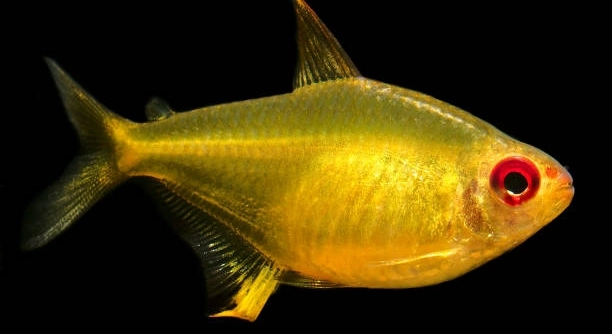
Keeping a lemon tetra tank is rewarding but requires consistent attention. Over time, tanks can accumulate debris and algae, which affects both water quality and fish health. Regular care ensures a healthy, vibrant environment for your fish.
A lemon tetra tank needs cleaning when waste, uneaten food, and algae build up, causing water discoloration and poor water quality. Maintaining proper hygiene supports fish health, prevents disease, and sustains a balanced aquatic ecosystem over time.
Recognizing the early signs of a dirty tank helps you act before problems escalate. Maintaining cleanliness keeps your fish active and your aquarium visually appealing.
Cloudy or Discolored Water
Sometimes, I notice the water in my lemon tetra tank looking hazy or slightly green. This is usually caused by algae growth or uneaten food breaking down over time. Even a small amount of leftover food can affect water clarity quickly. Filtration helps, but it’s not enough on its own. Regular water changes are essential to keep the tank clear and healthy. I try to remove visible debris daily, which makes a noticeable difference. Cloudy water can stress the fish and reduce oxygen levels, so it’s important to act quickly. Using a siphon to remove waste from the substrate prevents buildup that the filter might miss. I also keep an eye on how often I feed my tetras. Overfeeding is a common reason for water discoloration, and adjusting portion sizes can prevent recurring cloudiness. Keeping the tank clean ensures the tetras stay active and vibrant.
Cloudy or discolored water is a clear sign that the tank requires immediate attention. Regular water changes and debris removal are essential to maintain a healthy environment.
Neglecting water clarity can lead to slower fish growth and increased stress. Addressing minor cloudiness early keeps the tank balanced, reducing the chance of major problems. Over time, maintaining clear water becomes easier and supports long-term fish health.
Algae on Decorations and Glass
Algae growth on decorations and glass is a visible sign that the tank needs cleaning. It can build up quickly if the tank receives too much light or excess nutrients are present in the water. Even with proper feeding habits, natural algae will appear over time. Using a soft brush or algae scraper helps keep surfaces clean without harming the fish. I like to remove ornaments and scrub them gently during partial water changes. Regularly checking corners and hard-to-reach areas prevents stubborn algae patches from forming. Algae is not dangerous in small amounts, but excessive growth can indicate water imbalance and make the tank look neglected. Adjusting lighting duration and intensity can slow its growth. For a natural approach, some small aquatic plants also compete with algae for nutrients, reducing its spread. Cleaning glass and decorations frequently ensures the tank remains visually appealing and healthy for the tetras.
Keeping algae in check improves water quality, reduces stress on the fish, and makes maintenance simpler over time.
Foul Smell from the Tank
A strong odor from the tank usually means waste and uneaten food are accumulating. It signals that the water needs changing and the substrate requires cleaning.
When I first noticed a bad smell coming from my lemon tetra tank, I realized I had been skipping regular siphoning. Fish waste, leftover food, and decaying plant matter can all produce ammonia and other compounds that create an unpleasant smell. This not only makes the room less enjoyable but also harms the fish. I started doing partial water changes weekly and cleaning the gravel more thoroughly, which reduced the odor significantly. A well-maintained filter also helps control buildup that can cause smells over time.
Foul odors indicate a serious need for maintenance. Ignoring it can stress the tetras and lead to health issues. Cleaning, water changes, and proper feeding habits quickly resolve the problem and restore balance to the tank.
Uneaten Food Accumulation
Leftover food that sinks to the bottom can rot and pollute the water, affecting fish health. Regular observation and portion control prevent this.
When I feed my lemon tetras, I try to give only what they can finish in a few minutes. Excess food often settles into the substrate, where it decomposes and contributes to ammonia spikes. Using a small feeding spoon and observing their eating habits helps me adjust portions. During weekly cleaning, I siphon the substrate to remove any remaining particles, which prevents buildup and keeps water quality high. Uneaten food can also attract algae and bacteria, creating more maintenance challenges if left unchecked.
Monitoring feeding habits is crucial. Even a small amount of leftover food left in the tank can compromise water quality and fish health. Regular cleaning and careful portioning reduce these risks and support a stable, clean environment.
Uneven Fish Behavior
Lemon tetras may act sluggish or hide when the tank is dirty. Water quality affects their energy and activity levels.
I noticed my tetras staying near the surface and swimming less when the tank wasn’t cleaned for weeks. Poor water conditions stress them, causing unusual behavior. Frequent partial water changes help them regain normal activity quickly.
Excessive Algae Growth
Algae can cover plants, decorations, and glass, making the tank look unkempt. Even minor algae growth signals nutrient imbalance and the need for cleaning.
When algae spreads, it competes with plants for nutrients and oxygen, affecting the tetras’ environment. I scrub surfaces gently during water changes and reduce the light exposure to prevent excessive growth. Removing algae regularly keeps the tank balanced and prevents it from becoming a larger problem that stresses the fish. Controlling nutrients and light, along with regular maintenance, helps keep algae under control and the tank healthy.
Debris on the Substrate
Uneaten food, fish waste, and plant matter collect on the tank bottom, requiring removal.
How often should I clean my lemon tetra tank?
I clean my lemon tetra tank partially every week and do a deeper cleaning every month. Weekly water changes of about 20-25% help remove waste and prevent harmful chemical buildup. Monthly, I scrub decorations, siphon the substrate, and check the filter. Consistency keeps the tetras healthy and reduces stress.
What are the signs that water quality is poor?
Cloudy or discolored water, unusual fish behavior, and algae overgrowth are clear signs. A strong smell can also indicate waste accumulation. I monitor water parameters like ammonia, nitrite, and nitrate using test kits. Sudden changes in these levels mean the tank needs cleaning immediately. Observing both water appearance and fish activity gives the best early warning.
Can overfeeding cause my tank to get dirty faster?
Yes, overfeeding is one of the main reasons tanks get dirty quickly. I feed only what my tetras can eat in 2-3 minutes. Excess food sinks to the bottom, decomposes, and pollutes the water. Adjusting portions and feeding small amounts multiple times a day reduces waste buildup and helps maintain water clarity.
Is algae harmful to lemon tetras?
Small amounts of algae are usually harmless and even natural. However, excessive algae growth competes with plants for nutrients and can reduce oxygen levels in the water. I remove visible algae during weekly cleaning and adjust lighting to prevent overgrowth. Controlling algae keeps the tank balanced and prevents stress on the fish.
How do I clean decorations without harming my fish?
I remove decorations carefully during partial water changes. I scrub them gently with a soft brush or sponge under warm water. Avoid using soap or chemicals, as residues can harm tetras. Cleaning decorations regularly reduces algae buildup and prevents waste from accumulating in hidden areas.
What should I do if my substrate is very dirty?
I use a siphon to clean the substrate during water changes. This removes uneaten food, waste, and plant debris that collects on the bottom. Stirring the substrate lightly ensures hidden particles are lifted. Keeping the gravel clean improves water quality, reduces odors, and supports a healthy environment for lemon tetras.
Can a dirty tank make my tetras sick?
Yes, poor water quality increases stress and can lead to diseases like fin rot or ich. I noticed my tetras became lethargic and lost color when the tank was neglected. Maintaining cleanliness, monitoring water parameters, and performing regular partial water changes prevent health problems and ensure the fish stay active.
How do I control algae without using chemicals?
I reduce the tank’s light exposure to 6-8 hours a day and avoid placing it in direct sunlight. Introducing live plants also competes with algae for nutrients. Regular gentle scrubbing of glass, decorations, and removing uneaten food keeps algae manageable without harming the fish.
Is it necessary to clean the filter?
Yes, but carefully. I rinse the filter media in tank water during partial water changes to preserve beneficial bacteria. Cleaning the filter too aggressively with tap water can kill bacteria and disrupt the tank’s balance. A clean filter ensures efficient water circulation and maintains a stable, healthy environment.
How do I know if my cleaning routine is enough?
If the water remains clear, fish are active, algae is controlled, and there’s no foul smell, the routine is effective. I monitor fish behavior and check substrate and decorations weekly. Adjusting cleaning frequency based on observations keeps the tank healthy and prevents small issues from becoming larger problems.
What are quick daily tips to keep the tank clean?
I remove uneaten food immediately, check water clarity, and glance at the tetras’ activity. Spot-cleaning debris and algae early reduces the need for longer cleaning sessions. Small daily actions prevent major buildup and maintain a stable environment without extra stress on the fish.
Can water changes alone keep the tank clean?
Partial water changes are important, but they’re not enough. I combine them with substrate cleaning, decoration scrubbing, and filter maintenance. Water changes dilute toxins, but waste and algae can still accumulate. A complete cleaning approach ensures consistent water quality and healthy, active tetras.
How can I prevent my tank from getting dirty so quickly?
I control feeding, remove uneaten food daily, manage light exposure, and maintain live plants. A balanced routine with regular partial water changes, substrate cleaning, and filter maintenance slows down debris buildup. Preventive care makes the tank easier to maintain and keeps lemon tetras thriving.
What tools are essential for cleaning a lemon tetra tank?
I use a siphon, soft brushes, algae scrapers, buckets, and water testing kits. These tools make cleaning more efficient, help monitor water quality, and reduce stress on fish. Having the right tools simplifies maintenance and keeps the tank consistently healthy without complications.
How long does it take to clean a tank properly?
Partial cleaning usually takes 15-30 minutes, while deep cleaning can take up to an hour depending on tank size. I clean efficiently by preparing tools and working systematically. Consistency and organization reduce time spent and ensure thorough maintenance.
Can I use tap water for water changes?
Yes, but I treat it with a water conditioner to remove chlorine and chloramine. Untreated tap water can harm beneficial bacteria and stress the tetras. Using conditioned water preserves the tank’s balance and keeps fish healthy during regular changes.
What’s the best way to monitor tank cleanliness?
I observe water clarity, fish behavior, algae growth, and substrate condition. Using water testing kits helps track ammonia, nitrite, and nitrate levels. Combining visual checks with water testing ensures any problems are caught early and addressed promptly, maintaining a stable, clean environment.
How important is routine in tank maintenance?
Routine is essential. Following a weekly and monthly schedule for water changes, substrate cleaning, and decoration maintenance prevents buildup. I notice that sticking to a consistent routine keeps my tetras active and the tank visually appealing, while reducing stress and avoiding sudden water quality issues.
What should I do if my tank suddenly looks dirty?
I immediately check for leftover food, dead plant matter, and filter function. Performing a partial water change and removing debris quickly restores balance. Observing fish behavior and adjusting feeding or cleaning schedules prevents recurring problems and keeps the tank healthy.
How do I make cleaning easier long-term?
I stay consistent with feeding portions, remove debris daily, and use proper tools. Maintaining live plants and controlling light exposure reduces algae growth. A steady routine of cleaning and observation prevents large buildup and simplifies long-term maintenance, keeping my lemon tetras happy and active.
Keeping a lemon tetra tank clean is not always easy, but it is very important. A dirty tank can quickly affect water quality, which directly impacts the health of the fish. Over time, uneaten food, fish waste, and plant debris can build up in the substrate and decorations, causing cloudy water, foul smells, and algae growth. I have learned that paying attention to small changes in the tank, like water discoloration or sluggish fish, makes a big difference. These early signs help me act before the problem becomes serious. Regular maintenance, including water changes, substrate cleaning, and gentle scrubbing of decorations, keeps the tank balanced and safe for the tetras. Even minor adjustments in feeding habits and lighting can prevent many of the common issues that cause the tank to get dirty quickly.
I also noticed that keeping a routine makes tank care much easier. Partial water changes once a week and deeper cleaning once a month prevent large problems from forming. Checking the filter regularly, removing debris, and monitoring water parameters help maintain a stable environment. When the tank is clean, the fish are more active, colorful, and healthy. Algae and leftover food no longer accumulate, and water clarity improves, making the tank visually appealing. These habits have helped me enjoy keeping lemon tetras without constant stress about their health. Cleaning may feel like a chore at first, but it quickly becomes part of the normal care routine and reduces long-term effort.
Finally, understanding the connection between tank cleanliness and fish health is essential. A clean tank reduces stress on the fish, lowers the risk of disease, and supports proper growth and activity. Watching the tetras swim happily in clear water and seeing decorations and plants free of algae is rewarding. I also learned that prevention is often better than reaction. Adjusting feeding portions, removing uneaten food immediately, and keeping the lighting controlled prevent issues before they start. Over time, maintaining the tank becomes less about intensive cleaning and more about consistent care and observation. By keeping these practices in place, a lemon tetra tank can remain healthy, balanced, and visually appealing while supporting the long-term well-being of the fish.

Hello,
If you enjoy the content that we create, please consider saying a "Thank You!" by leaving a tip.
Every little bit helps us continue crafting quality advice that supports the health, happiness, and well-being of pets around the world, for pets of all shapes, sizes, and species.
We really appreciate the kindness and support that you show us!