
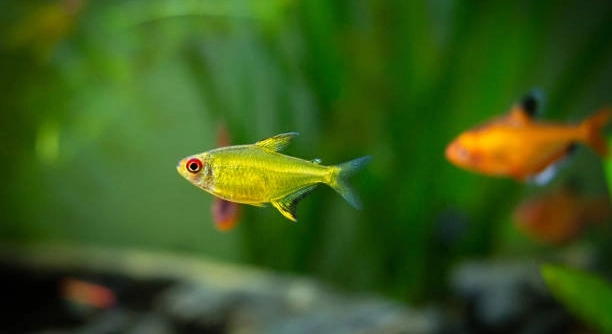
Keeping lemon tetras in a healthy tank requires more than just feeding them regularly. Proper maintenance ensures your fish thrive and display their natural colors, while also keeping the aquarium environment clean and balanced.
Regular water changes, monitoring water parameters, and proper filtration are essential for lemon tetra health. Maintaining a stable environment prevents stress-related diseases, supports growth, and ensures the overall well-being of these delicate freshwater fish in captivity.
Following simple maintenance steps can make your aquarium a vibrant and safe home for your lemon tetras. Small adjustments lead to long-term benefits for their health.
Understanding Lemon Tetra Behavior
Lemon tetras are small, peaceful fish that thrive in groups of six or more. Observing their behavior helps you spot any signs of stress or illness early. They enjoy swimming in the middle to upper levels of the tank and prefer areas with gentle water flow. Providing hiding spots with plants or decorations allows them to feel secure. Changes in color, appetite, or activity can indicate water issues, disease, or stress. Monitoring these subtle cues ensures that any problems are addressed before they escalate. Feeding them a balanced diet of flakes, frozen, or live food supports their energy and coloration. Avoid overfeeding, as leftover food can decay and affect water quality. Keeping track of their activity patterns over time can reveal trends that might require adjustments in tank conditions. A well-observed group of lemon tetras often shows synchronized swimming and active foraging, which is a sign of comfort and proper care.
Maintaining a stable environment is key to their overall health.
Consistent observation of your lemon tetras allows you to notice minor behavioral changes early. This helps prevent stress and disease. Providing appropriate hiding spots and a balanced diet encourages natural behaviors. Overfeeding or sudden changes in water conditions can quickly disrupt their comfort.
Regular Water Changes
Performing water changes is essential to keeping nitrate levels low and maintaining clean, healthy water. Replacing 20–30% of the water weekly helps remove waste and reduces toxins. Use a siphon to clean the substrate gently, removing uneaten food and debris. Always match the new water temperature and chemistry to the tank to prevent shocking your fish. Consistent water changes also help maintain stable pH levels, which lemon tetras are sensitive to. Adding treated water ensures that harmful chemicals like chlorine or chloramine are removed. Regular water changes reduce algae growth and maintain a clear environment for observing your fish. Combining water changes with proper filtration maximizes water quality and keeps your tetras active and colorful. Over time, this routine builds a healthier tank ecosystem, reducing the risk of sudden disease outbreaks. Lemon tetras are highly responsive to water quality, making maintenance a priority for their long-term well-being.
Water changes keep the aquarium environment stable and your fish healthy.
Skipping regular water changes leads to toxin buildup, stress, and increased susceptibility to disease. Consistency in maintaining water quality helps lemon tetras thrive. Using a siphon ensures debris removal while minimizing disruption to plants and decorations. Proper water treatment and careful temperature matching prevent sudden shock. Over time, a well-maintained routine fosters a vibrant, active tank where fish display natural behaviors. Keeping water clean also reduces the chance of algae overgrowth and keeps the tank visually appealing. These measures collectively support healthy growth, bright coloration, and active schooling behavior in lemon tetras, reinforcing the importance of consistent maintenance.
Proper Filtration
A reliable filter keeps the water clean and removes harmful substances. It also maintains gentle water flow, which lemon tetras prefer. Regularly cleaning or replacing filter media ensures it works efficiently.
Filters prevent debris buildup, excess waste, and fluctuations in water parameters. Choosing a filter rated for your tank size helps maintain a stable environment. Avoid strong currents, as lemon tetras are small and can be stressed by fast-moving water. Mechanical, chemical, and biological filtration all play important roles. Mechanical filtration removes particles, chemical filtration eliminates toxins, and biological filtration supports beneficial bacteria that break down ammonia and nitrites. Ensuring all three aspects are functioning optimally keeps the tank balanced and your fish healthy. Regular inspections and maintenance of the filter prevent unexpected failures, keeping water quality high and reducing stress on your tetras.
Keeping a filter running properly helps maintain water clarity, reduces waste buildup, and supports stable tank conditions for healthy lemon tetras.
Maintaining Stable Water Parameters
Lemon tetras are sensitive to sudden changes in temperature, pH, and hardness. Monitoring and maintaining stability is crucial for their health.
Stable water parameters prevent stress, disease, and sudden behavior changes. Using a reliable thermometer and test kits allows you to track temperature, pH, and other key factors. Gradual adjustments should be made if values shift outside the ideal range. Sudden fluctuations can lead to weakened immune systems, making fish more vulnerable to illness. Keeping consistent water chemistry supports normal feeding and swimming behavior. Proper filtration, regular water changes, and careful monitoring all contribute to maintaining these parameters. Additionally, avoid introducing new water with drastically different properties, as this can shock the tetras. Stability ensures that lemon tetras thrive and exhibit their natural vibrant colors over time.
Consistent water parameters create a predictable environment that supports the health, coloration, and activity of lemon tetras. Regular testing and adjustments prevent stress-related issues. Using reliable equipment and treating water carefully minimizes sudden shocks. Maintaining these conditions promotes natural schooling behavior and reduces the risk of disease. Observing your fish daily helps catch early signs of stress, allowing timely intervention. With patience and routine, lemon tetras can flourish in a stable, well-maintained aquarium, showing vibrant colors and active behavior.
Feeding the Right Diet
Lemon tetras need a varied diet to stay healthy and colorful. Feeding a mix of flakes, frozen, and occasional live food provides essential nutrients.
Overfeeding can pollute the tank and harm water quality. Stick to small portions that the fish can consume within a few minutes.
Regular Tank Cleaning
Cleaning the tank helps remove debris and prevents algae buildup. Use a siphon to gently clean the substrate and decorations without disturbing your fish. Regular maintenance keeps water clear, supports healthy bacteria, and ensures a comfortable environment for lemon tetras.
Observing Fish Health
Pay attention to changes in activity, appetite, or coloration. Early detection of issues can prevent serious illness and keep your tetras thriving.
FAQ
How often should I change the water in a lemon tetra tank?
Water should be changed weekly, replacing about 20–30% each time. This removes excess waste and helps maintain stable water parameters. Consistency is key, as sudden or large changes can stress the fish and lead to health issues. Regular water changes also reduce the risk of algae growth and keep the tank visually clear.
What is the ideal tank size for lemon tetras?
A minimum of 10 gallons is recommended for a small school of lemon tetras. Larger tanks are better because they provide more swimming space, reduce aggression, and make maintaining water quality easier. Adequate space allows for proper schooling behavior and prevents overcrowding, which can cause stress and illness.
Can lemon tetras live with other fish?
Yes, they are peaceful and do well with other small, non-aggressive species. Avoid larger or territorial fish that may bully or eat them. Schooling fish like neon tetras or rasboras are suitable tankmates. Providing hiding spots with plants or decorations helps all species feel secure.
What should I feed lemon tetras?
A balanced diet of high-quality flakes, frozen foods, and occasional live foods keeps them healthy and colorful. Avoid overfeeding, as leftover food can decay and pollute the tank. Feeding small amounts two to three times a day ensures proper nutrition without harming water quality.
How do I maintain proper water parameters?
Monitor temperature, pH, and hardness regularly using test kits. Lemon tetras prefer slightly acidic to neutral pH, soft to moderately hard water, and stable temperatures around 72–78°F. Sudden changes can stress fish, so adjust parameters gradually if needed. Proper filtration and regular water changes support stability.
Why are my lemon tetras losing color?
Color loss can indicate stress, poor diet, or poor water quality. Ensure the tank is clean, water parameters are stable, and the fish receive a varied diet. Bright, healthy colors often return when conditions improve and stress is minimized.
What signs of illness should I watch for?
Look for unusual swimming patterns, loss of appetite, clamped fins, spots, or discoloration. Early detection allows treatment before illness worsens. Quarantining new fish and maintaining a clean, stable tank reduces disease risks.
Do lemon tetras need live plants in the tank?
Live plants are not strictly necessary but are beneficial. They provide hiding spots, help maintain water quality, and reduce stress. Floating plants can create shaded areas, making tetras feel more secure. Artificial plants are an alternative if maintenance is an issue.
How often should I clean the filter?
Filters should be inspected weekly and cleaned as needed. Rinse media in tank water to preserve beneficial bacteria. Avoid over-cleaning, which can reduce biological filtration. Proper filter maintenance keeps water clear and stable, supporting healthy tetras.
Can lemon tetras tolerate different water temperatures?
They prefer stable temperatures around 72–78°F. Rapid fluctuations can stress fish and make them susceptible to disease. Use a heater for consistency and a thermometer to monitor. Maintaining steady conditions supports growth, color, and overall health.
Is overcrowding harmful to lemon tetras?
Yes, overcrowding increases stress, competition for food, and waste buildup. Keep a proper ratio of fish to tank size, and maintain schools of six or more to allow natural social behavior. Adequate space supports swimming, schooling, and overall well-being.
How do I introduce new fish to my tank?
Quarantine new fish for at least two weeks before adding them. Gradually acclimate them to the tank’s temperature and water parameters. This prevents disease transmission and reduces stress for both new and existing fish. Observing behavior after introduction ensures compatibility.
Can lemon tetras jump out of the tank?
Yes, they may jump, especially if startled or water conditions are poor. A secure lid prevents escapes and reduces stress. Ensuring water quality and a stable environment minimizes this behavior.
How long do lemon tetras live?
With proper care, they can live 5–7 years. Stable water conditions, a balanced diet, and a clean tank contribute to longevity. Monitoring health and maintaining a stress-free environment helps them reach their full lifespan.
Do lemon tetras need a light cycle?
Yes, providing 8–10 hours of light daily helps regulate natural behaviors. Avoid constant bright light, which can stress fish. A timer ensures consistency, supports plant growth if live plants are present, and maintains a healthy environment for tetras.
What is the best substrate for lemon tetras?
Fine gravel or sand works well. Darker substrates can enhance their color, and smooth surfaces prevent injuries. Substrate choice should allow for easy cleaning while complementing decorations and plants.
How do I prevent algae buildup?
Regular water changes, proper lighting, and controlling feeding amounts reduce algae growth. Live plants compete for nutrients and help prevent excess algae. Cleaning tank surfaces as needed keeps the aquarium visually appealing and healthy for fish.
Can lemon tetras live in brackish water?
No, they are freshwater fish and require stable freshwater conditions. Even slight salinity can cause stress, illness, or death. Stick to freshwater setups with proper parameters to ensure their health and longevity.
Are lemon tetras schooling fish?
Yes, they should always be kept in groups of six or more. Schooling provides security, reduces stress, and encourages natural swimming behavior. Small groups can become stressed or timid, so maintaining proper school size is important.
How do I know if my tank is properly cycled?
A fully cycled tank has stable ammonia, nitrite, and nitrate levels. Beneficial bacteria convert toxic compounds into less harmful forms. Testing water regularly before adding fish ensures a safe environment and prevents early losses.
Can lemon tetras tolerate tap water?
Tap water is acceptable if treated to remove chlorine and chloramine. Testing for hardness and pH ensures compatibility. Proper treatment and conditioning make tap water safe for maintaining healthy lemon tetras.
How often should I feed my lemon tetras?
Feed small portions two to three times daily. Remove uneaten food after a few minutes to prevent decay. Consistent feeding supports growth, coloration, and energy without compromising water quality.
What decorations are safe for lemon tetras?
Smooth rocks, driftwood, and live or artificial plants are ideal. Avoid sharp edges that can injure fins. Decorations provide hiding spaces and swimming areas, reducing stress and promoting natural behaviors.
Why are my lemon tetras hiding constantly?
Hiding often indicates stress from poor water quality, strong currents, aggressive tankmates, or insufficient cover. Improving conditions and providing plants or decorations helps them feel secure and encourages natural swimming behavior.
Can lemon tetras live with bettas?
It is risky, as bettas may show aggression. If attempted, monitor closely and provide plenty of hiding spots. A larger tank reduces conflict, but careful observation is essential to prevent stress or injury.
How do I maintain proper pH for lemon tetras?
Keep pH slightly acidic to neutral, ideally 6.5–7.5. Regular testing and gradual adjustments help maintain stability. Avoid sudden changes, which can stress fish and compromise their immune system. Proper water changes and buffering agents support stable pH levels.
What temperature fluctuations are safe for lemon tetras?
Minor daily fluctuations of 1–2°F are acceptable, but sudden changes of 5°F or more can stress fish. Use a heater and thermometer to maintain consistent temperatures and reduce risks of illness or abnormal behavior.
Do lemon tetras need a quarantine tank?
Yes, quarantining new fish for two weeks prevents introducing diseases to the main tank. Observing them during this period ensures they are healthy before adding them to the established aquarium.
Can lemon tetras tolerate low oxygen levels?
They prefer well-oxygenated water. Adding an air stone or ensuring gentle surface agitation increases oxygen levels. Low oxygen can lead to stress, lethargy, and increased susceptibility to disease.
How do I treat common diseases in lemon tetras?
Identify symptoms early, such as clamped fins, spots, or abnormal swimming. Isolate affected fish, maintain clean water, and use appropriate medications. Preventative care, proper diet, and stable water conditions reduce disease occurrence.
Are lemon tetras compatible with snails and shrimp?
Yes, they generally coexist peacefully. Snails and shrimp can help clean the tank and create a balanced ecosystem. Ensure hiding spaces for shrimp to reduce predation risk and maintain peaceful interactions.
How can I tell the difference between male and female lemon tetras?
Males are slightly slimmer and more vividly colored, while females are rounder, especially when carrying eggs. Observing behavior in groups can also help distinguish them during breeding or schooling activities.
Can lemon tetras survive without a heater?
In tropical climates, they may survive cooler temperatures, but a heater ensures stable warmth, preventing stress and supporting proper metabolism. Consistent temperature is vital for their health and activity.
What is the best way to introduce plants to the tank?
Rinse plants thoroughly before planting. Submerge roots and anchor securely in substrate. Live plants improve water quality and provide hiding spots. Gradually introducing plants avoids disturbing fish and maintains stability.
How often should I test water parameters?
Test at least once a week for pH, ammonia, nitrites, and nitrates. Frequent monitoring ensures early detection of imbalances. Regular testing supports a stable and healthy environment for lemon tetras.
Can lemon tetras tolerate tap water changes?
Yes, if water is treated and parameters match the tank. Sudden changes in temperature, pH, or hardness should be avoided. Proper acclimation prevents stress and supports long-term health.
What is the best lighting for a lemon tetra tank?
Moderate lighting for 8–10 hours a day supports plant growth and natural behavior. Avoid prolonged or excessively bright lighting, which can stress fish and encourage algae growth. Timers help maintain consistency.
How do I prevent fin damage in lemon tetras?
Avoid sharp decorations, aggressive tankmates, and overcrowding. Maintaining clean water and proper diet supports healthy fins. Observing fish regularly helps detect injuries early for treatment or adjustment.
Are lemon tetras sensitive to noise or vibrations?
Yes, they can become stressed by loud or sudden vibrations. Placing the tank in a quiet, stable area reduces stress and supports natural behavior and health.
How many lemon tetras should I keep together?
A minimum of six is recommended for proper schooling behavior. Larger groups reduce stress, encourage natural swimming, and create a more dynamic display. Smaller groups can become timid and stressed.
Can lemon tetras survive in a planted tank only?
Yes, as long as water conditions are stable, and they receive a balanced diet. Plants provide hiding spots, oxygen, and a sense of security. Proper maintenance ensures a healthy environment.
What is the main cause of cloudy water in a lemon tetra tank?
Cloudiness often results from bacteria blooms, excess waste, or overfeeding. Regular water changes, proper filtration, and controlled feeding prevent this issue. Patience allows the water to clear naturally after disturbances.
How do I acclimate new lemon tetras to my tank?
Float the bag in the tank to match temperature, then gradually mix small amounts of tank water over 30–60 minutes. This minimizes stress and reduces the risk of shock.
Are lemon tetras hardy fish for beginners?
They are relatively hardy but still require stable water parameters, proper diet, and regular maintenance. Attention to their needs ensures healthy, active fish even for novice keepers.
Can lemon tetras breed in a home aquarium?
Yes, they can breed if water conditions are ideal, with slightly acidic, soft water and sufficient plants for hiding. Separating adults during spawning prevents egg predation.
Do lemon tetras need a varied diet?
Yes, variety supports growth, coloration, and health. Flakes, frozen, and occasional live foods provide balanced nutrition. Avoid feeding only one type, as it can lead to deficiencies and dull colors.
How do I prevent stress in lemon tetras?
Stable water, proper tank mates, hiding spots, and consistent feeding routines reduce stress. Avoid sudden changes in light, temperature, or tank setup, as tetras are sensitive to environmental disturbances.
Can lemon tetras tolerate soft versus hard water?
They prefer soft to moderately hard water. Sudden changes in hardness can stress them. Maintaining consistent water chemistry supports coloration, health, and schooling behavior.
What is the best way to remove uneaten food?
Use a siphon or net to remove leftovers after feeding. Preventing decaying food reduces ammonia spikes, maintains water quality, and prevents stress or illness.
Are lemon tetras suitable for community tanks?
Yes, with peaceful, small species. Avoid aggressive or much larger fish. Proper spacing and hiding spots ensure harmonious coexistence and reduce stress for all inhabitants.
How do I know if my lemon tetras are stressed?
Signs include clamped fins, hiding, loss of appetite, or erratic swimming. Observing these behaviors early allows corrective action, such as water changes, adjustments in tank mates, or environmental improvements.
Do lemon tetras require a specific water hardness?
Moderate hardness is preferred. Too soft or too hard water can stress fish. Regular testing and adjustments ensure parameters stay within a suitable range for long-term health.
Can lemon tetras survive without a school?
They may survive but often become timid, stressed, and less colorful. Keeping them in groups promotes natural swimming and reduces anxiety.
How do I handle sudden illness in lemon tetras?
Isolate affected fish immediately, maintain clean water, and apply appropriate treatment. Quick action reduces the spread of disease and improves recovery chances.
Is water temperature more important than pH for lemon tetras?
Both are important, but sudden temperature changes are often more immediately stressful. Maintaining stable conditions in combination with proper pH supports health and longevity.
Can lemon tetras tolerate other tetra species?
Yes, they are generally compatible with other peaceful tetras. Mixing species encourages active schooling behavior, but avoid aggressive or much larger species that could bully them.
How do I prevent overcrowding in a community tank?
Calculate tank capacity based on fish size and number. Follow guidelines for minimum gallons per fish. Adequate space reduces stress, disease risk, and competition for resources.
What should I do if my lemon tetras are not eating?
Check water quality, temperature, and stress factors. Offer varied foods and observe behavior. Persistent refusal may indicate illness and require further action or treatment.
How important is regular observation of lemon tetras?
Daily observation helps detect early signs of stress, disease, or aggression. Timely intervention ensures long-term health, supports proper schooling behavior, and maintains a stable environment.
Do lemon tetras need supplements?
A balanced diet usually meets their nutritional needs. Occasional supplements can enhance coloration or health but are not strictly necessary if the diet is varied and high-quality.
Can lemon tetras live with goldfish?
No, goldfish are larger, produce more waste, and prefer cooler water. Compatibility issues and water quality challenges make this combination unsuitable.
How do I prevent ammonia spikes?
Regular water changes, proper filtration, avoiding overfeeding, and maintaining a fully cycled tank prevent toxic ammonia buildup. Testing water parameters ensures safe conditions for lemon tetras.
Can lemon tetras survive in unheated water in temperate climates?
They may survive, but cooler water slows metabolism and reduces activity. A heater ensures stable, optimal temperatures for growth, coloration, and overall health.
How do I know if my tank is overstocked?
Signs include stressed fish, increased aggression, cloudy water, and frequent water parameter fluctuations. Maintain appropriate fish-to-gallon ratios and observe behavior to prevent overstocking.
Do lemon tetras need a specific type of tank lid?
A secure lid prevents jumping and reduces stress. Tetras can escape or injure themselves if the tank is uncovered. Proper coverage ensures safety while allowing ventilation.
How do I acclimate lemon tetras to new water conditions?
Introduce small amounts of tank water to their container gradually over 30–60 minutes. This prevents shock and allows fish to adjust to temperature, pH, and hardness changes safely.
Are lemon tetras suitable for nano tanks?
Yes, but only small schools with careful monitoring of water quality. Overstocking or insufficient filtration in tiny tanks can quickly lead to stress and poor health.
How do I reduce nitrate levels in the tank?
Regular water changes, proper filtration, and controlling feeding reduce nitrates. Live plants also help absorb nutrients and maintain water quality, supporting healthy tetras.
Can lemon tetras tolerate fluctuating light cycles?
Consistent light cycles are important. Sudden changes or extended periods of light or darkness can stress fish, affect behavior, and encourage algae growth. Timers help maintain stability.
How do I prevent disease in a community tank?
Maintain stable water, avoid overcrowding, quarantine new fish, and provide proper nutrition. Consistent cleaning, observation, and stress reduction reduce the risk of illness.
Do lemon tetras need specialized care for breeding?
Yes, breeding requires soft, slightly acidic water, a separate tank, and hiding spots for eggs. Adults may eat eggs, so separation ensures successful spawning.
What is the best way to transport lemon tetras?
Use a bag with treated water, avoid temperature shocks, and limit handling. Minimize stress during transport to prevent mortality or long-term health effects.
Can lemon tetras tolerate fluctuating water hardness?
No, sudden changes in hardness can stress them. Gradual adjustments and stable water parameters are important for maintaining health and coloration.
How do I prevent overfeeding in a busy tank?
Offer small portions that fish can consume in a few minutes. Remove leftovers and maintain a consistent feeding schedule to avoid water pollution and stress.
Are lemon tetras compatible with African dwarf frogs?
Yes, they can coexist peacefully. Ensure sufficient swimming space and hiding spots for both species. Monitor interactions to prevent accidental stress or predation.
How do I treat fungal infections in lemon tetras?
Isolate affected fish, maintain clean water, and use antifungal treatments as recommended. Prompt attention prevents spread and supports recovery.
Do lemon tetras need aeration?
Yes, they benefit from oxygenated water, especially in heavily stocked or densely planted tanks. Air stones or surface agitation helps maintain healthy oxygen levels.
How do I maintain tank decorations safely?
Rinse new decorations before adding them, avoid sharp edges, and clean them regularly. Safe decor prevents injuries and supports a comfortable environment.
Can lemon tetras tolerate slightly alkaline water?
They prefer neutral to slightly acidic water, but minor alkalinity is usually tolerated. Avoid sudden shifts, which can stress fish and affect behavior.
What is the best way to acclimate them to a new tank?
Float the bag to equalize temperature, gradually mix tank
Lemon tetras are small, lively fish that can brighten any freshwater aquarium. Their natural colors and active schooling behavior make them enjoyable to observe, but keeping them healthy requires consistent care. Maintaining a clean tank with proper filtration and performing regular water changes is essential. Stable water parameters, including temperature, pH, and hardness, help prevent stress and support long-term health. Over time, these efforts create a safe and comfortable environment where lemon tetras can thrive and display their natural behaviors without risk of illness or behavioral issues.
Feeding lemon tetras a balanced diet is another important aspect of their care. Offering a variety of flakes, frozen foods, and occasional live foods ensures they receive the nutrients needed for growth, coloration, and energy. Avoiding overfeeding is crucial because leftover food can quickly pollute the tank, causing water quality issues that affect all inhabitants. Observing their eating habits also helps detect early signs of stress or illness. Providing hiding spots with live or artificial plants, along with gentle water flow, allows lemon tetras to feel secure and reduces stress, which further contributes to their overall well-being.
Regular observation and attention to detail are key for successful lemon tetra ownership. Noticing small changes in behavior, coloration, or activity can indicate potential problems before they become serious. Proper acclimation of new fish, careful selection of tank mates, and consistent care routines all play a role in keeping the aquarium environment stable. By combining thoughtful feeding, tank maintenance, and observation, owners can create an environment where lemon tetras are healthy, active, and vibrant. Following these basic principles ensures a positive experience with these delicate fish and helps maintain a thriving, balanced freshwater tank that continues to bring enjoyment over the years.

Hello,
If you enjoy the content that we create, please consider saying a "Thank You!" by leaving a tip.
Every little bit helps us continue crafting quality advice that supports the health, happiness, and well-being of pets around the world, for pets of all shapes, sizes, and species.
We really appreciate the kindness and support that you show us!