
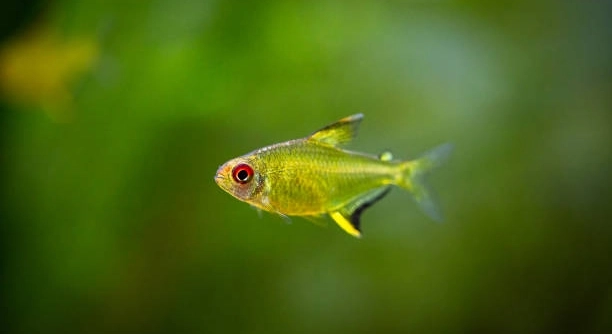
Do your tetras ever show lively movements that make you wonder if they are expressing real comfort in their tank, or if their quick patterns are signs of contentment you may not have noticed before.
Tetra happiness is indicated through steady schooling, vibrant coloration, consistent feeding behavior, relaxed swimming patterns, occasional playful chasing, and calm interactions. These behaviors reflect stable environmental conditions that support overall physiological health and reinforce positive social dynamics in the aquarium.
These small patterns create a picture of their mood, offering a simple path to understanding how your tetras thrive day.
It seems like I can’t do more advanced data analysis right now. Please try again later.
xxxxxxxxxxxxxxxxxxx
Steady coloration signals a healthy tetra, and I noticed how this rhythm makes the tank feel balanced. When their hues stay bright and even, it shows their environment supports them well, and nothing is interrupting their natural patterns or daily routine in a calm and stable way each day.
Maintaining vibrant coloration depends on stable conditions, so I watch how my tetras look each day. When their colors remain strong, it usually reflects balanced water quality, steady lighting, and a predictable feeding pattern. I also notice how their shades shift slightly after meals or during calm moments, which helps me understand their comfort level. If their tones appear muted, I check the temperature and filtration to ensure nothing has changed. This simple habit keeps me aware of their needs and lets me respond before small issues grow into bigger disruptions that could affect their overall comfort and tank balance.
Color changes can reveal how secure tetras feel, and I have learned to watch these shifts closely. When their tones stay bright through feeding, resting, and schooling, it tells me the tank supports their natural rhythm. I check their appearance when the room lighting changes, because tetras react to subtle shifts. Their colors can soften slightly in calm periods, which I see as a normal part of their routine. If brightness fades too much, I review maintenance tasks to keep their setup steady. Paying attention to these details helps me understand their comfort with minimal effort in their tank daily.
xxxxxxxxxxxxxxxxxxx
Playful chasing appears when tetras feel secure, and I watch this behavior to understand their mood. Their short bursts of movement show they have energy and confidence in their space. I notice how they return to calm swimming quickly, which helps me see this activity as a natural expression of comfort. When the tank stays clean and stable, this behavior becomes more common and easy to recognize as a sign of positive well-being each day.
Chasing often appears as brief spurts between tetras, and I have learned to observe the pattern without assuming aggression. When the tank environment meets their needs, this movement stays light and controlled, showing they feel comfortable exploring their space. I pay attention to how quickly they return to schooling, because this shift back to calm behavior shows they are not stressed. Their interactions become smoother when lighting, temperature, and water quality remain steady. I also notice how they choose certain areas of the tank for these quick interactions, which helps me understand their preferred zones. When these patterns stay predictable, it reassures me that the group feels secure. Observing this behavior keeps me aware of their comfort and helps me maintain a stable environment overall.
xxxxxxxxxxxxxxxxxxx
Relaxed swimming shows how settled tetras feel, and I notice this when their movements stay smooth and unhurried. They glide through the tank without sharp turns, which tells me the environment supports them well and nothing is interrupting their usual rhythm or comfort throughout the day.
This calm behavior appears more often when the tank stays consistent, and I pay attention to how they move after feeding or during quiet moments. Their steady pace helps me see that they feel secure in their space. When their swimming stays gentle, it reflects balance in their surroundings.
xxxxxxxxxxxxxxxxxxx
Consistent feeding is another sign of a content tetra, and I watch how they respond to each meal. When they swim to the surface with quiet confidence and take food without hesitation, it shows they feel safe. I check their appetite during different times of day to see if their behavior remains stable. When they approach food eagerly without frantic movements, it reassures me that their environment is supporting their needs. This pattern helps me maintain a routine that keeps them comfortable and prevents unnecessary stress in their tank.
xxxxxxxxxxxxxxxxxxx
Calm interactions appear when tetras feel secure, and I notice this when they move together without sudden tension. Their gentle spacing shows they trust their surroundings. This steady behavior lets me see that the tank is meeting their needs.
FAQ
How can I tell if my tetras feel secure in their tank?
You can usually see their comfort through steady swimming, balanced schooling, and relaxed interactions. When they move without hesitation and stay close to the group, it shows they trust their surroundings. I also watch how they react to normal activity in the room. If they continue their usual movements without darting or hiding, it tells me the environment feels safe to them. Their ability to shift smoothly from quiet moments to active patterns shows they feel supported by the conditions in their tank, and this steadiness becomes clearer once you get used to their natural rhythm.
Why do tetras brighten in color when they are happy?
Bright coloration often appears when their needs are fully met, and I notice this especially after maintenance or feeding. When water quality stays consistent, their tones remain strong. If they feel secure in their environment, the lighting highlights their colors more clearly. This brightness reflects stable conditions that reduce stress. I have also noticed that strong school formation supports this change, because tetras draw comfort from the group. Their color shifts help me understand how stable and comfortable they feel without needing constant adjustments.
Is playful chasing a good sign in tetras?
Light chasing is usually normal, and I see it most often when the tank is peaceful. These short bursts show they have enough energy to explore. As long as they return to calm swimming quickly, it reflects comfort instead of tension. I also watch their spacing after these moments, because healthy tetras settle back into their school without signs of stress. When their environment remains stable, chasing becomes a routine part of their behavior and not a signal of trouble.
Why do tetras hide less when they are content?
Confident tetras stay visible because they trust the stability of their tank. When conditions remain predictable, they feel safe enough to move into open areas. I pay attention to how often they leave hiding spots throughout the day. If they explore with smooth movements and return to schooling easily, it shows their surroundings support their comfort. Reduced hiding behavior means their routine feels balanced and familiar.
What does consistent feeding behavior reveal about tetra happiness?
Steady appetite shows physical comfort, and I notice this when they reach the surface with ease during meals. They approach food with calm energy instead of frantic motions. Their feeding behavior helps me see how well they are adapting to changes in maintenance, lighting, or timing. When they eat consistently at each feeding, it tells me the tank environment feels stable enough for them to maintain their natural patterns. This predictability reassures me that their needs are being met without unnecessary stress.
How do environmental changes affect tetra behavior?
Even small shifts can influence how they move, eat, and interact. I have seen how temperature changes or slight water fluctuations make them more cautious. When conditions remain steady, their behaviors stay predictable and calm. If something alters their comfort, they may break formation or pause more often. Paying attention to these reactions helps me understand when small adjustments are needed. Their behavior becomes a reliable guide for maintaining a stable tank.
What signs show that tetras are adapting well to their group?
Smooth schooling, relaxed spacing, and coordinated movements show they feel secure with one another. When they move as a group without sudden breaks, it reflects trust. I watch how they react when one fish shifts direction, because their ability to follow smoothly shows they are comfortable within the group dynamic.
Final Thoughts
Understanding tetra behavior becomes much easier once you start noticing the small details that shape their daily routine. I have learned that their movements, colors, and patterns speak clearly when the environment supports their comfort. When their swimming stays smooth and unhurried, it shows they feel safe. Their steady schooling gives a quiet indication of stability, and their calm interactions make it easier to see how well they trust their surroundings. These gentle signals help create a clearer picture of their mood without needing constant adjustments. Paying attention to the way they shift between calm periods and more active moments has helped me recognize when everything in the tank works together in a steady and predictable way. Over time, these observations become second nature, and the tank feels more peaceful because their comfort becomes easier to read.
Watching how tetras react to small changes in lighting, feeding, or movement around the room also helps highlight the importance of consistency. They rely on steady conditions to feel secure, and their behavior reflects this need. When the water quality remains balanced, their colors stay bright and even, giving a visible sign of stability. Their approach to feeding can show a lot about how relaxed they feel, and when they eat without hesitation, it tells me the environment suits them well. I pay close attention to how quickly they recover from brief active moments because this return to calm behavior shows they are not experiencing stress. Observing these subtle patterns has helped me understand how strongly they depend on a predictable routine. With each passing day, their comfort becomes more noticeable through simple cues that guide the way I maintain their space.
As I continue caring for tetras, I find that their behaviors offer a straightforward way to understand their needs. Their natural patterns reveal how secure they feel, and recognizing these signs strengthens the connection to their daily rhythm. The more I focus on these details, the more confident I feel in creating a space that supports their well-being. Their movements become clearer, their signals easier to read, and their comfort more visible. This understanding helps shape a calm environment that stays steady over time. By trusting these simple observations, it becomes possible to maintain their tank with clarity and ease, allowing their natural patterns to grow stronger in a space that supports them each day.

Hello,
If you enjoy the content that we create, please consider saying a "Thank You!" by leaving a tip.
Every little bit helps us continue crafting quality advice that supports the health, happiness, and well-being of pets around the world, for pets of all shapes, sizes, and species.
We really appreciate the kindness and support that you show us!