
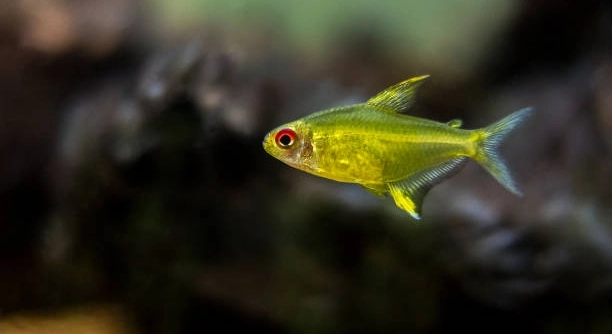
Are your aquarium waters often cooler than usual, making you worry about your Lemon Tetras? These tiny, bright fish can be sensitive to sudden changes. Understanding their tolerance helps keep them healthy and lively in your tank.
Lemon Tetras are not well-suited to cold water. They thrive in temperatures between 72°F and 79°F, and prolonged exposure to lower temperatures can stress their immune system, slow metabolism, and increase susceptibility to disease.
Maintaining the right temperature is key for their activity and colors. Knowing how cold water affects them will help you create a safer home for your fish.
Understanding Lemon Tetra Temperature Needs
Lemon Tetras are small, delicate fish that prefer stable water conditions. Their ideal temperature ranges from 72°F to 79°F. Sudden drops can shock them, affecting behavior and appetite. Cold water slows their metabolism, making them less active and more prone to illness. If your tank is in a cooler room, it’s important to use a reliable heater or monitor temperature closely. Even small fluctuations can stress them over time. These fish also appreciate slightly acidic to neutral water with a pH around 5.5 to 7.0. Consistent water quality is as important as temperature. Stress from cold can weaken their immune system, making them vulnerable to common diseases like fin rot. Observation is key—if you notice lethargy, clamped fins, or loss of color, it often points to suboptimal temperature or other environmental issues. Regular maintenance and monitoring can prevent most problems.
Even a slight temperature drop can affect their mood and health.
Keeping water within their preferred range ensures Lemon Tetras remain active, colorful, and healthy. A stable environment encourages natural behavior, schooling patterns, and overall well-being. Small adjustments, like adding floating plants or adjusting room heating, help maintain proper temperatures. Monitoring tools like digital thermometers provide accurate readings, allowing you to respond quickly if the water cools. Avoid placing tanks near drafty windows or air vents, as these can cause fluctuations. Even short periods in colder water can trigger stress, making them susceptible to infections. Maintaining warmth also supports proper digestion, energy levels, and swimming activity. Regular checks of water chemistry alongside temperature create a balanced environment. Observing their interactions and feeding response helps you notice early signs of discomfort. When fish are active, their colors are brighter, and they display natural schooling behaviors. These steps make a visible difference in their health and longevity.
Signs Lemon Tetras Are Stressed by Cold
Lemon Tetras may show reduced activity, clamped fins, or faded color when water is too cold.
Stress from cold water often leads to slower metabolism, making them eat less and swim less. Over time, this increases vulnerability to disease. It can also affect breeding, as cold temperatures disrupt spawning cycles. Even if the water warms later, prolonged exposure can leave lasting effects. Fish may hide more frequently or isolate themselves, which is a clear indicator of discomfort. In multi-species tanks, stressed Tetras may also avoid interaction with other fish, disrupting social balance. Recognizing these signs early allows corrective measures before serious health issues occur. Keeping an eye on swimming patterns, feeding habits, and coloration helps identify temperature-related stress. Regularly testing water temperature and making gradual adjustments is safer than sudden changes. Healthy Lemon Tetras are vibrant, active, and responsive. Consistency is key to preventing long-term stress and ensuring they thrive in your tank.
Adjusting Water Temperature Safely
Sudden temperature changes can harm Lemon Tetras. Gradually raise or lower the water by 1–2°F per hour. Using a reliable heater ensures steady warmth, preventing stress and illness in your fish.
A proper heater is essential for maintaining stable temperatures in a tank. Avoid placing it near the filter outflow, which can create uneven heat. Thermometers help monitor fluctuations, and adjusting the heater slowly prevents shocking the fish. If the room is cooler, consider using a tank cover to reduce heat loss. Gradual changes allow the fish to adapt without impacting their immune system. Consistency is more important than high temperatures, as stable conditions support activity, feeding, and vibrant colors. Monitoring daily ensures the environment remains safe and comfortable.
Using a heater and thermometer together provides the best results. Check readings multiple times a day when first adjusting the temperature. Avoid sudden changes caused by cold drafts or AC vents. Adding floating plants can slightly buffer temperature drops, giving Lemon Tetras more stability. Even small, gradual adjustments make a noticeable difference in their behavior and health. Healthy fish swim actively, maintain bright colors, and interact normally. Keeping water consistent prevents stress and allows them to thrive naturally in the aquarium environment.
Equipment Tips for Cold Climates
Room temperature alone may not keep the tank warm enough. Invest in a quality heater and thermometer to maintain stable water conditions.
Select a heater rated for your tank size to prevent uneven heating or overworking the equipment. Submersible heaters provide consistent warmth and are easy to position for optimal circulation. Pairing the heater with a reliable thermometer allows daily monitoring, ensuring temperatures remain in the 72–79°F range. In colder rooms, insulated tank covers help retain heat and reduce energy use. Avoid placing tanks near windows or doors, which can introduce drafts. Regularly inspect equipment for faults, as a malfunctioning heater can quickly stress or endanger Lemon Tetras. Combining these tools creates a stable environment, supporting activity, feeding, and vibrant coloration. Consistency protects their health and reduces susceptibility to stress-related illness.
Common Mistakes with Cold Water
Keeping the tank near windows or air vents can cause sudden temperature drops. Even short exposure to cold water can stress Lemon Tetras and affect their health.
Changing water too quickly without adjusting temperature can shock them. Always match new water to the tank’s warmth to prevent stress and illness.
Monitoring Temperature Regularly
Consistently checking water temperature helps prevent cold-related stress. Digital or floating thermometers provide accurate readings. Daily monitoring ensures stability and quick response to fluctuations, keeping fish healthy and active in their environment.
Using Room Heaters
Room heaters can support aquarium temperature in colder climates. Placing the tank in a warmer area reduces stress, especially during winter months, and helps maintain consistent water conditions.
FAQ
Can Lemon Tetras survive in slightly cooler water?
Lemon Tetras can tolerate mild drops in temperature for short periods, but consistent exposure to cooler water slows their metabolism. They may eat less, become less active, and show duller colors. Long-term cold exposure weakens their immune system, increasing the risk of disease and reducing lifespan.
What is the minimum safe temperature for Lemon Tetras?
The lowest recommended temperature is around 70°F. Dropping below this can stress the fish and affect their swimming and feeding behavior. Even if they survive, prolonged exposure to temperatures below 72°F can lead to illness or permanent health issues.
How quickly should I adjust the water temperature?
Temperature changes should be gradual, ideally 1–2°F per hour. Sudden changes can shock their system, causing stress, clamped fins, or even death. Using a reliable heater with a thermostat helps maintain gradual and steady warming or cooling.
Do Lemon Tetras need a heater in every tank?
Not always. If your room temperature consistently stays within 72–79°F, a heater may not be necessary. However, in cooler climates or drafty rooms, a heater is highly recommended to prevent sudden drops that can stress the fish.
Can adding plants help with temperature stability?
Yes, floating and rooted plants help buffer small temperature changes. They reduce heat loss from the water surface and provide shade, which helps keep water conditions stable. Plants also improve water quality, which benefits stressed fish.
How can I tell if cold water is stressing my Lemon Tetras?
Signs include lethargy, clamped fins, faded color, loss of appetite, and hiding more than usual. These behaviors indicate stress and can precede illness. Monitoring daily helps catch problems early and allows corrective action before long-term damage occurs.
Is it safe to mix Lemon Tetras with other fish in cooler water?
Mixing species in cold water can increase stress. Other fish may tolerate lower temperatures, but Lemon Tetras are sensitive. If you notice signs of stress, it may be necessary to adjust the environment or separate the fish until conditions stabilize.
Will cold water affect breeding?
Yes, cooler water can disrupt spawning cycles. Lemon Tetras need stable, warm temperatures to breed successfully. Cold water slows metabolism, reducing fertility and affecting egg development. Maintaining proper warmth is essential for successful reproduction.
Can I use a room heater instead of an aquarium heater?
A room heater can help maintain general warmth, but it won’t stabilize water temperature precisely. Aquarium heaters are designed to regulate water consistently, preventing sudden drops or spikes, which is crucial for sensitive fish like Lemon Tetras.
How often should I check water temperature?
Daily checks are ideal, especially during seasonal changes. Thermometers, digital or floating, provide quick and accurate readings. Frequent monitoring ensures any fluctuations are caught early, protecting fish health and maintaining proper activity and coloration.
Are there long-term effects of occasional cold exposure?
Even occasional cold exposure can weaken their immune system. Fish may recover, but repeated stress can cause chronic health problems, reduced lifespan, and lower resistance to infections. Keeping water stable is the safest approach for long-term well-being.
Can sudden cold water cause disease?
Yes, stress from cold can trigger diseases like fin rot, ich, and fungal infections. A weakened immune system struggles to fight off pathogens. Preventing temperature drops and keeping the environment consistent reduces the risk of illness.
What is the best way to warm a tank slowly?
Use a submersible heater with a thermostat. Adjust the temperature gradually, monitor daily, and avoid placing the tank near drafts or vents. Floating plants or a partial cover can also help retain warmth, ensuring safe and consistent heating.
Do Lemon Tetras show behavior changes in cold water?
Yes, they become sluggish, swim less, and often hide. Schooling behavior may be disrupted, and their interactions with other fish may decrease. Maintaining proper warmth encourages normal activity, feeding, and social patterns, which keeps them healthy and vibrant.
How does cold water affect their color?
Cooler water can dull their bright yellow bodies and silvery fins. Proper temperatures maintain their vibrant coloration, which is an indicator of good health. Stress or cold conditions often make them look pale and less lively.
Can water changes cause temperature stress?
Yes, adding cooler water too quickly can shock Lemon Tetras. Always match the new water’s temperature to the tank and add it gradually. This prevents sudden stress and helps maintain stable conditions for their health and activity.
Are digital thermometers better than floating ones?
Both work well, but digital thermometers offer more precise readings and alerts for sudden changes. Floating thermometers are convenient but can lag in detecting rapid shifts. Using either consistently helps monitor conditions and prevent stress.
What is the safest winter setup for Lemon Tetras?
A stable heater, thermometer, and insulated tank cover are key. Avoid drafts, keep the tank away from windows, and monitor daily. Stable water ensures activity, appetite, and immune health during colder months.
Can cold water affect feeding?
Yes, metabolism slows in cooler water, reducing appetite. Fish may eat less, which can lead to nutrient deficiencies and weakened immunity. Maintaining proper warmth encourages normal feeding behavior and overall health.
How do I prevent cold stress during power outages?
Use insulated covers and keep the tank in a warm room. If possible, a backup heater or temporary heat source can help maintain temperature. Gradual adjustments after the outage prevent shock and support fish recovery.
This FAQ covers key aspects of Lemon Tetras and cold water exposure, helping ensure their health and activity in any tank environment.
Lemon Tetras are small, delicate fish that need stable and warm water to stay healthy. They are naturally found in tropical environments, so cold water can stress them and affect their behavior. Even small drops in temperature can slow their metabolism, making them less active and reducing their appetite. Over time, this can weaken their immune system, leaving them more prone to illness. Keeping water consistently within the recommended range of 72°F to 79°F helps prevent these problems. Simple measures like using a reliable heater, monitoring the temperature with a thermometer, and placing the tank away from drafts can make a big difference. Consistency is more important than occasional spikes in temperature because Lemon Tetras respond best to a stable environment.
Cold water can also affect their appearance and social behavior. When stressed by lower temperatures, Lemon Tetras often lose their bright coloration and may hide or swim less actively. They are schooling fish, so maintaining proper warmth is important for their social interactions. Stress can disrupt their normal patterns, making them less likely to feed properly or interact with other fish in the tank. Keeping plants in the tank can help buffer small temperature changes and create a more natural environment. Even partial coverage with floating plants or tank decorations can help maintain stability. Observing their behavior daily allows you to catch early signs of stress and make adjustments before serious problems develop. Maintaining the right temperature supports their natural activity, promotes healthy feeding habits, and helps them retain their vibrant colors.
Proper care involves more than just adjusting the temperature. Regular water changes, monitoring water chemistry, and ensuring the tank is in a stable environment all contribute to the health of Lemon Tetras. Gradual changes are safer than sudden ones, and any adjustments to the tank should be done slowly to avoid shocking the fish. Investing in equipment like a quality heater and accurate thermometer reduces the risk of temperature-related stress. Cold exposure can also impact breeding, as these fish need stable, warm conditions to reproduce successfully. By providing a consistent and warm habitat, Lemon Tetras can live longer, stay active, and maintain their natural beauty. Paying attention to their environment and responding quickly to changes ensures they remain healthy and happy in your tank for years.

Hello,
If you enjoy the content that we create, please consider saying a "Thank You!" by leaving a tip.
Every little bit helps us continue crafting quality advice that supports the health, happiness, and well-being of pets around the world, for pets of all shapes, sizes, and species.
We really appreciate the kindness and support that you show us!