
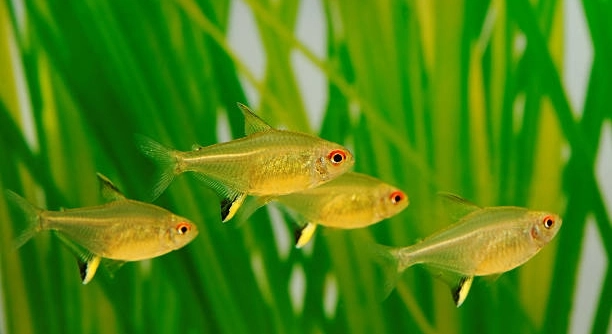
Have you ever wondered about the common ideas people share when talking about breeding lemon tetra, guiding you toward a simple and friendly explanation that helps clear up mixed opinions along your learning path today.
Seven breeding myths about lemon tetra persist because hobbyists often confuse general fish behavior with species specific patterns. Careful observation shows these fish follow predictable habits, and separating factual practices from assumptions supports more reliable outcomes when managing breeding environment.
These myths often shape how people care for fish, and understanding impact brings clarity that encourages confident choices for results.
Myth 1: Lemon Tetra Breed Only in Large Tanks
Lemon tetra breeding often seems confusing because many people believe these fish need very large tanks before they will spawn. They respond more to steady conditions and calm surroundings than empty space, and this idea can lead keepers to expect unnecessary changes. When the water stays balanced, the lighting remains soft, and the filtration stays gentle, their behavior becomes easier to understand. Some people feel uncertain at first, but noticing brighter colors or extra movement often shows that the fish are preparing to release eggs. A moderate tank works well when you keep surfaces clean and plants arranged in simple groups. These fish appreciate open areas where they can move comfortably, supported by stable parameters that do not shift suddenly. By focusing on predictable care, you support natural behavior in a way that encourages healthier patterns and more reliable breeding results without relying on oversized tanks.
A simple setup with steady water quality encourages natural activity and reduces stress, allowing these fish to prepare for spawning without unnecessary complications that come from placing too much importance on tank size alone.
Understanding this can help you form realistic expectations that make the breeding process feel easier, calmer, and more manageable as you learn how these fish truly respond to their environment.
Myth 2: Lemon Tetra Need Special Foods to Trigger Spawning
Many keepers assume lemon tetra require expensive or unusual foods to encourage spawning, yet consistent nutrition matters far more than special treats. A balanced diet of small live or frozen options works well when paired with stable conditions and proper maintenance of the tank. Overfeeding or rushing changes often causes more trouble than using regular foods, and these fish respond best when their meals stay predictable. Focusing on variety supports healthier color, movement, and readiness without forcing them into stressful shifts that disrupt their overall routine.
Regular feeding with simple, clean foods builds healthier fish that show clear signs of readiness when the environment stays consistent. Small live foods like daphnia or baby brine shrimp can enhance activity, but they are not mandatory. What truly matters is keeping portions steady, avoiding waste, and offering enough variety to maintain energy and comfort. These fish thrive with gentle routines that give them time to adjust, and stable nutrition helps them grow stronger, brighter, and more prepared for natural spawning behavior without relying on complicated or costly diets.
Myth 3: Lemon Tetra Must Be Kept in Total Darkness to Spawn
Many people believe lemon tetra need complete darkness to breed, but soft lighting is usually enough. They react well when light stays gentle and steady, allowing them to feel secure without forcing them into stressful sudden changes.
Gentle dim lighting helps maintain calm behavior while still allowing you to observe subtle spawning signs. These fish rely more on consistent surroundings than pitch black conditions, and too much darkness can even make them timid or inactive. By keeping the lighting low and stable, you encourage their natural patterns without creating an uncomfortable environment. This approach prevents confusion, helps them settle, and keeps their movements clear enough for you to notice when they start preparing to release eggs.
Soft, steady light also makes it easier to maintain the tank properly. You can check plant placement, water clarity, and fish behavior without disturbing them. This balanced setup supports predictable habits that lead to healthier breeding conditions. When light remains gentle instead of harsh or absent, these fish respond with smoother activity and clearer signs of readiness, giving you a better view of their progress and allowing them to stay comfortable as they move through their routine.
Myth 4: Lemon Tetra Only Spawn in Highly Planted Tanks
Some keepers assume dense plants are necessary, yet these fish simply need comfortable hiding spots and calm space. A lightly planted setup still works well when the plants are arranged thoughtfully, giving the fish places to move around with ease.
A moderate amount of plants creates small areas where the fish feel secure, but it also leaves open swimming paths that support natural interaction. Too many plants can actually limit movement and make it harder to notice spawning behavior. Balanced arrangements with simple plant groups give the fish comfort without overwhelming the tank. When combined with steady water quality, this setup helps them behave more naturally and settle into predictable patterns.
A lightly planted environment is easier to manage, keeps debris under control, and supports clearer visibility. This balance ensures you can track changes in color, activity, and pairing behavior without disrupting their comfort. Stable layouts allow these fish to explore the tank calmly, showing healthy responses that help you stay aware of their readiness to spawn.
Myth 5: Lemon Tetra Need Perfectly Still Water to Spawn
Still water is not required because these fish respond better to gentle movement that keeps the tank clean and stable without overwhelming them. A soft flow maintains comfort, prevents debris from settling, and supports healthier behavior during the spawning process.
A quiet current also helps distribute oxygen evenly, allowing the fish to stay active without feeling stressed. This mild circulation encourages natural patterns while reducing the risk of stagnant areas that can disrupt their routine. Keeping the flow calm and steady supports clear movement and steady comfort.
Myth 6: Lemon Tetra Only Spawn When Paired Long Term
Lemon tetra do not rely on long term pairing because their breeding behavior depends more on steady care and balanced conditions than established bonds. When water quality stays consistent and the environment remains simple, they show readiness naturally without needing strong pair attachments.
Myth 7: Lemon Tetra Will Not Spawn If Other Fish Are Present
A small group of peaceful fish can remain in the tank as long as crowding is avoided. Lemon tetra respond well to calm surroundings, and limiting activity while keeping space open helps them prepare for spawning without unnecessary disturbance or competing behaviors.
How do I know when my lemon tetra are ready to spawn?
Lemon tetra usually show readiness through subtle changes in color and behavior. Males become brighter, especially along their yellow fins, and often swim more actively around females. Females may look slightly rounder, indicating they are carrying eggs. You might notice increased chasing or gentle nudging as males try to encourage spawning. These behaviors are usually calm rather than aggressive. Maintaining steady water conditions, soft lighting, and a clean tank helps make these signals more visible. Observing them over several days often provides a clearer picture than relying on a single moment of activity.
Can I breed lemon tetra in a community tank?
Breeding in a community tank is possible but tricky. Lemon tetra prefer calm surroundings with enough space to move freely. Too many other fish, especially larger or more aggressive species, can stress them and prevent spawning. If other fish are peaceful and non-competitive for space or food, the tetras may still reproduce, but monitoring is key. Separating fry after eggs are laid is recommended because even peaceful tankmates may eat eggs or fry. Small, calm groups of tankmates work best. Keeping an open area with moderate plants provides hiding spots without restricting movement, which helps reduce stress.
What is the best temperature and water condition for spawning?
Lemon tetra thrive in slightly acidic to neutral water with a temperature range between 24–28°C (75–82°F). Stability is more important than perfection; sudden changes in temperature or pH can delay spawning or stress the fish. Soft water with minimal minerals works well, and gentle filtration helps maintain clarity. Weekly water checks and partial changes keep the environment predictable. A clean tank with stable conditions allows the fish to focus on natural behaviors rather than reacting to stress. Avoid adding chemicals or treatments unnecessarily, as these can interfere with spawning.
How should I feed them before and during spawning?
A consistent diet with high-quality small live or frozen foods, such as daphnia, brine shrimp, or microworms, prepares lemon tetra for breeding. Feeding several small meals each day keeps them healthy and active. Avoid overfeeding because uneaten food can reduce water quality. Balanced nutrition enhances color, vigor, and egg development. During spawning, maintain regular feeding without making sudden changes. This steady approach encourages normal behavior and supports energy for egg production. While special foods can increase activity, they are not mandatory for success; routine, quality nutrition is more effective.
Do lemon tetra lay eggs on plants or elsewhere?
They usually scatter eggs on fine-leaved plants, moss, or any soft surfaces available. Eggs are adhesive and stick to surfaces rather than falling to the bottom. While floating plants are sometimes used, dense vegetation helps protect eggs from being eaten by adults. Avoid strong currents that can dislodge eggs. Observing where they scatter eggs helps you prepare to separate fry later. Minimal handling of plants reduces stress and maintains stable conditions for hatching. Ensuring spaces are gently arranged gives the fish natural areas to deposit eggs without disturbance.
How long does it take for eggs to hatch?
Eggs usually hatch within 24–36 hours, depending on temperature and water conditions. Warmer, stable water tends to speed up development, while cooler conditions slow it down. Once hatched, fry are tiny and delicate, needing calm water and minimal disturbance. Removing adults after eggs are laid prevents accidental consumption. Monitoring water quality closely is essential because ammonia and other toxins can harm fry at this stage. Providing gentle aeration and keeping light moderate allows fry to settle safely, giving them a better chance at survival.
How do I care for the fry?
Fry feed on infusoria or specially prepared liquid fry food initially, transitioning to baby brine shrimp as they grow. Feeding small amounts several times a day helps avoid water pollution. Maintain gentle filtration and partial water changes to keep the environment clean. Overcrowding slows growth, so monitor numbers carefully. Fry thrive in stable, calm water with consistent feeding. Gradually introducing them to slightly stronger light and mild current helps them adapt without stress. Tracking growth and behavior ensures timely adjustments in diet or space, which supports healthy development and reduces losses.
Can lemon tetra spawn multiple times in a season?
Yes, with consistent care, they can produce multiple batches of eggs over several weeks. Maintaining stable water quality, temperature, and nutrition supports repeated spawning. Each batch may vary in quantity, and some eggs may be lost to adults if not removed. Regular observation and minor adjustments in care help maximize success. Avoid excessive handling, as stress reduces frequency. By keeping routines predictable and supportive, these fish can maintain healthy reproductive cycles throughout the season, offering several opportunities to raise fry effectively.
What mistakes should I avoid when breeding lemon tetra?
Avoid drastic water changes, overfeeding, overcrowding, and harsh lighting, as these create stress that hinders spawning. Removing too many plants or rearranging the tank abruptly also disturbs their routine. Neglecting water quality or allowing high activity from tankmates can lead to eggs being eaten. Patience, steady care, and careful observation prevent common setbacks. By focusing on stable conditions and predictable routines, breeding becomes more manageable. Mistakes often come from overcomplicating the environment, while simple, consistent care encourages natural behaviors and improves overall success in spawning and fry development.
This FAQ provides practical guidance for understanding, preparing, and maintaining lemon tetra breeding conditions, covering preparation, egg laying, hatching, and fry care in a clear, step-by-step manner.
Breeding lemon tetra can feel complicated at first, but much of the confusion comes from myths that have been repeated over time. Many keepers assume these fish need overly large tanks, complete darkness, or special foods to breed, yet experience shows they are more adaptable. They respond to calm surroundings, steady water conditions, and consistent care. By focusing on simple, predictable routines, the fish naturally display breeding behavior without forcing them into stressful or artificial setups. Observing subtle signs, like brighter colors in males or a slightly rounder body in females, often gives a clearer indication of readiness than trying to meet arbitrary rules. Understanding this can make the breeding process feel less intimidating and more manageable, allowing the fish to act naturally while giving you a realistic sense of what to expect.
Providing the right environment doesn’t mean creating perfection. Gentle lighting, moderate plants, and soft water movement are usually enough to encourage spawning. Overcomplicating the tank with extreme setups or unusual practices often causes more harm than good. It’s the consistent care, stable water parameters, and calm surroundings that really support breeding. Feeding doesn’t need to be extravagant either; a balanced diet with small live or frozen foods maintains health and encourages normal behavior. Avoiding sudden changes, overcrowding, or aggressive tankmates also helps the fish feel secure, which is key to successful spawning. Keeping things simple makes it easier to notice behaviors that indicate readiness, such as chasing, nudging, or egg-scattering activity. These small observations are often more valuable than following complex instructions, and they help you adapt care practices as needed.
Even after eggs are laid, care for fry requires patience and attention, but the process is straightforward when you maintain steady conditions. Eggs need gentle water flow and protection from adults, while fry thrive on small, frequent feedings and clean, calm water. Gradually adapting fry to the tank environment and observing their growth ensures healthier development. Avoiding common mistakes, like overcrowding or harsh changes, improves survival rates. Ultimately, breeding lemon tetra is about balance—creating a stable, supportive environment while letting the fish follow their natural instincts. By separating myths from reality and focusing on consistent care, you can foster healthier fish, increase chances of successful spawning, and feel more confident in managing their breeding without unnecessary stress or complication.

Hello,
If you enjoy the content that we create, please consider saying a "Thank You!" by leaving a tip.
Every little bit helps us continue crafting quality advice that supports the health, happiness, and well-being of pets around the world, for pets of all shapes, sizes, and species.
We really appreciate the kindness and support that you show us!