
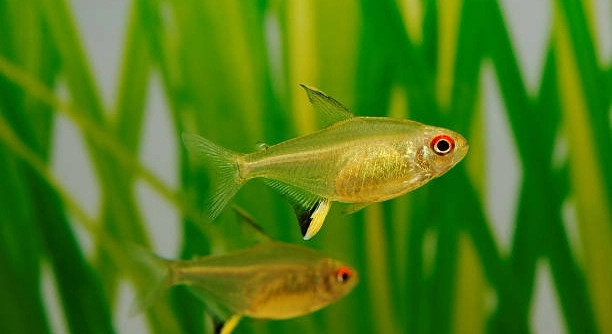
Have you ever tried identifying lemon tetras in a busy aquarium setting, finding their subtle features blending with the group as they move together in bright yellow hues and quick patterns that often feel similar.
The most reliable way to distinguish lemon tetra individuals in a group is by observing consistent markers including body coloration intensity, eye pigmentation, fin shape, and subtle behavioral patterns that remain stable across different lighting conditions and within group dynamics.
These details help you notice subtle traits, giving each fish its own presence and encouraging a smoother understanding of their.
Color Intensity and Hue
Noticing color intensity helps separate lemon tetras, giving a clear first step when observing them in a group within your tank. Some show brighter yellow tones, while others appear softer, creating gentle contrasts that stand out when you watch them closely. Light reflection, general health, and subtle pigment shifts all influence how each fish appears, letting you recognize patterns over time. Even slight differences along their sides or around their eyes can guide your observations. Paying attention to these details makes the process feel natural, steady, and surprisingly calming as you start identifying individual traits. When you take a moment to slow down and truly look, the varied brightness across their bodies becomes easier to notice, allowing you to appreciate how each fish carries its own presence, shaped by gentle shifts in shade, posture, and the way it moves among the others. These observations support clearer recognition with steady practice.
Subtle color variations become clearer once you train your eyes to notice contrast, helping you distinguish each lemon tetra without confusion. These gentle differences guide your observations, making identification feel steady and manageable in a busy tank. With time, these patterns become familiar and support smoother recognition during care routines.
Lighting can significantly shape how lemon tetras appear, making it helpful to observe them under consistent conditions when identifying individuals. Soft overhead lighting highlights their yellow bodies, while side lighting can bring out subtle reflective tones along their scales. Watching them during calm moments helps you see steadier coloration, giving you clearer comparisons. Movement also affects visibility, since quick swimming can blur details, so gentle observation during slower activity supports better identification. Over time, these steady habits make it easier to notice repeating traits, allowing you to recognize each fish with growing confidence and a calm sense of familiarity naturally.
Fin Shape and Size Cues
Fin shape offers another dependable way to distinguish lemon tetras, especially when color differences feel too subtle to rely on alone. Some have slightly longer dorsal fins, while others show a softer outline that becomes clearer when observed from a steady angle. These gentle variations support consistent identification during viewing.
Fin details reveal subtle cues that help you separate lemon tetras with more certainty, especially when you want dependable traits that remain visible across different lighting conditions. Paying attention to the dorsal fin height, the soft edges near the tail, and the gentle curves along the anal fin gives you practical markers that do not shift quickly. Some fish carry slightly sharper outlines, while others show rounded shapes that stay consistent during steady swimming. When they move slowly near plants or along open water, these features become easier to observe without distraction, supporting clearer comparisons. Watching them from multiple angles provides extra clarity, since certain fin positions appear differently depending on how they turn. Even small differences become useful once you learn to spot them with regular practice. Taking your time helps each fish feel more familiar, allowing traits to stand out naturally as you continue observing them. These steady observations create a comfortable rhythm, letting you notice recurring patterns that make identification smoother over time. With consistent viewing, the small contrasts in fin length, curvature, and movement form reliable markers that guide you toward recognizing each fish with growing ease and a calm sense of connection in your tank.
Eye Markings and Subtle Pigmentation
Eye markings help set individual lemon tetras apart, especially when other traits appear similar. Some display a brighter red ring, while others show softer tones that stay consistent. These gentle variations offer steady clues that remain visible even when the group swims together.
Eye pigmentation becomes easier to recognize once you take time to observe each fish at calmer moments. The red outer ring can shift slightly in brightness from one tetra to another, giving each fish a quiet distinction. Some show a more defined ring near the iris, while others carry a softer blur that still stands out when you look closely. Watching them during slower swimming helps these differences remain clear, letting you separate individuals naturally without feeling overwhelmed by movement or shifting light in the tank.
Subtle patterns around the eyes, including faint shading or small reflective patches, also support clearer identification. These areas catch light differently depending on the fish, creating small but reliable contrasts that remain visible from various angles. When you view them from the side, slight color gradients near the head become more noticeable, helping you connect specific markings to specific fish. Over time, these details grow familiar, allowing smoother identification and making each tetra feel more recognizable during everyday care.
Behavioral Patterns and Swimming Style
Behavioral traits give you dependable markers when physical features feel too similar. Some lemon tetras swim with quicker patterns, while others glide at a slower pace, offering steady cues that match their daily habits and remain consistent across different moments in the tank.
Observing the way each fish interacts with the group brings added clarity to their differences. Certain lemon tetras prefer staying near open spaces, moving with calm, extended strokes that make them easy to recognize once you learn their rhythm. Others stay closer to plants or driftwood, choosing quieter corners where their slower, measured movements stand out. These habits develop naturally and stay steady over time, giving you additional reference points beyond color and fin shape. Watching how they approach feeding, how quickly they react to changes in their surroundings, and how they position themselves among the group helps you spot patterns that belong to each individual. With regular observation, these traits become familiar, helping you identify your tetras with more confidence and gentle ease.
Body Shape and Subtle Contours
Body shape gives you dependable clues when identifying lemon tetras in a group. Some carry a slightly fuller midsection, while others appear slimmer. These gentle differences stay visible during slow swimming, letting you recognize familiar outlines with steady observation in calm tank conditions.
Slight variations along the back and belly create recognizable contours. A subtle arch in the spine or a smoother curve near the tail can help you match each fish to its consistent profile. Over time, these small distinctions become easier to notice and remember.
Positioning Habits Within the Group
Positioning habits offer clear markers when trying to separate similar-looking lemon tetras. Some prefer the upper section of the tank, swimming with steady patterns near the surface. Others stay lower, weaving through plants or remaining close to shaded areas with a calm, predictable rhythm. These consistent choices help you track individuals through daily routines. Watching where each fish gravitates during feeding, rest, or group movement helps you form reliable associations, making identification feel natural and steady with regular observation.
Responses to Light and Movement
Reactions to light help you notice individual differences quickly. Some lemon tetras respond with sharper turns, while others glide gently when the lighting shifts. These soft behavioral contrasts create an easy way to tell them apart during normal tank activity.
FAQ
How can I tell if my lemon tetras are healthy while trying to identify them?
Healthy lemon tetras show steady swimming, bright eyes, and clear coloration. When observing them for identification, these traits also make their individual details easier to see. A healthy fish holds its fins open, moves with smooth patterns, and keeps a steady rhythm when interacting with others. If you notice dull colors, clamped fins, or sluggish movement, it may affect how visible their features are. Keeping them in stable water conditions helps maintain their appearance, making it simpler to spot the subtle differences that define each fish. Clean water, balanced feeding, and calm surroundings support clear identification.
Do lemon tetras change appearance as they age, and does this make identification harder?
Lemon tetras can show gentle shifts in color and body shape as they mature, but these changes usually occur slowly. Younger fish often appear slimmer and slightly lighter in tone, while adults gain deeper yellow hues and fuller midsections. These gradual transitions do not usually make identification harder, since each fish develops unique traits that remain consistent once they reach adulthood. Observing them regularly helps you follow these changes naturally, creating a steady sense of familiarity over time. Even as they mature, their eye rings, fin shapes, and positioning habits stay stable enough for reliable recognition.
Can lighting changes affect how easily I can identify each lemon tetra?
Lighting has a noticeable effect on how lemon tetras appear. Bright overhead lights sharpen their yellow tones and highlight reflective scales, while dimmer setups soften their colors. To make identification easier, observe them under consistent lighting conditions so your eyes adjust to their normal look. Sudden lighting shifts can temporarily blur details or make certain markings appear brighter than usual. Watching them during calm periods, when they swim slower and stay closer to the light source, helps you see individual traits more clearly. Regular lighting stability supports long-term recognition without confusion or strain.
Are behavioral patterns reliable when identifying lemon tetras?
Behavioral traits are one of the most reliable tools you can use. Some lemon tetras swim with quicker, sharper movements, while others glide softly or stay near specific tank areas. These patterns stay consistent because each fish tends to follow its own comfort zone. Even when other features look similar, behavior helps you reconnect each fish with its unique habits. During feeding, some rush forward eagerly, while others hang back and wait. Over time, these consistent behaviors become natural identification markers that support your observations in a simple, steady way.
What should I focus on first when trying to separate similar-looking lemon tetras?
Starting with color intensity gives you the easiest foundation. Once you notice brightness differences, shift your attention to fin shapes, eye markings, and body outlines. These features work together, building a clearer picture of each fish. When you observe them regularly, certain details begin to stand out naturally. Slow swimming moments help you catch small distinctions that might be missed when they move quickly. Each detail adds another layer, making identification smoother.
How often should I observe my lemon tetras to recognize them more easily?
Short, regular observations work best. Spending a few minutes each day watching them during their calmer periods helps you learn their patterns without feeling overwhelmed. Over time, their small differences become familiar, and identifying them feels simple and natural.
Final Thoughts
Caring for lemon tetras becomes easier when you understand how their small differences shape the way they move, look, and interact in your tank. Each trait you learn to notice brings a gentle sense of connection, helping you recognize them without stress or confusion. Subtle details like eye pigmentation, fin shape, body outline, or quiet behavior patterns provide dependable markers that stay with each fish. These traits guide you toward clearer identification, even when the group swims together in a lively cluster. Over time, your eyes adjust to their gentle contrasts, making the process feel calm and natural. Observing them at steady moments supports your understanding, letting you appreciate how each one carries its own presence within the group. As you continue watching them, familiar traits become easier to recognize, and your confidence grows with ease. This comfort makes daily care feel smoother, helping you understand how each tetra fits into the larger rhythm of your tank.
Taking time to observe your lemon tetras helps you see how each fish brings small but meaningful details that make them unique. Their behavior settles into patterns once you watch them regularly, allowing you to match certain movements or preferences with the same fish every time. Slow, gliding swimmers often keep that pace, while quicker, darting individuals remain energetic in their own consistent way. These habits turn into reliable clues, giving you something steady to follow when physical differences feel too subtle. Lighting conditions also affect how easily you can recognize each fish, so noticing them under consistent lighting helps you build a clearer picture of their traits. Regular, gentle viewing helps you understand how their features behave in different moments, whether they are resting in shaded corners or swimming openly in brighter areas. With each observation, you gain a clearer sense of who is who, helping you develop a calm familiarity with your tank’s natural patterns and interactions.
Once you understand the soft contrasts that separate your lemon tetras, caring for them becomes more intuitive. You begin to recognize when something changes, whether in appearance, behavior, or posture. This awareness supports their long term wellbeing, helping you catch early signs of stress or health concerns. When you know how each fish normally looks and moves, it becomes easier to notice when something feels off. These small insights create a stronger connection between you and your aquarium, allowing you to support your fish with gentle, consistent care. Identifying your lemon tetras is not only about noticing differences but also about understanding the familiar patterns that make each one part of your tank’s calm, steady balance.

Hello,
If you enjoy the content that we create, please consider saying a "Thank You!" by leaving a tip.
Every little bit helps us continue crafting quality advice that supports the health, happiness, and well-being of pets around the world, for pets of all shapes, sizes, and species.
We really appreciate the kindness and support that you show us!