
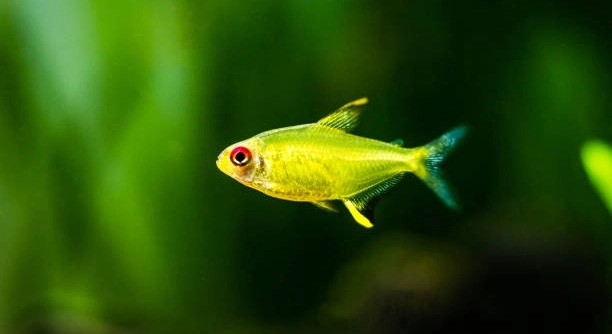
Lemon tetras are small, colorful fish that brighten any aquarium. They are active swimmers and often create a lively environment. Many fish owners enjoy watching their schooling behaviors and how they interact with other tank mates.
Lemon tetras can show signs of depression when kept in poor conditions. Stressful environments, isolation, or sudden changes in water parameters can negatively affect their behavior and overall well-being. Ensuring proper care is essential for their mental health.
Recognizing subtle changes in behavior can help prevent long-term issues. Observing your fish closely allows you to maintain a healthy and happy aquarium environment.
Recognizing Signs of Depression in Lemon Tetras
When I first noticed my lemon tetras behaving differently, it was subtle. They swam less, hid in corners, and didn’t join the group as usual. Normally active and bright, their colors seemed a little dull. Loss of appetite was another clear indicator. Changes like these can signal stress or low mood. Observing your fish regularly helps catch these signs early. They might linger near the bottom, avoid swimming freely, or appear listless during feeding times. Some may even show erratic movements or cling to decorations for long periods. Environmental factors, such as poor water quality, incorrect temperature, or lack of companions, can trigger these changes. Sometimes, simply rearranging the tank or adding more hiding spots improves their behavior. Even small shifts in routine, like sudden loud noises or strong lighting, can make them anxious. Awareness and consistent observation are key to keeping your tetras healthy and active.
Monitoring activity levels closely allows you to act before issues worsen. Simple adjustments in care often restore normal behavior.
Creating a supportive tank environment involves more than just clean water. Providing enough space, proper lighting, and plants for hiding makes a noticeable difference. Lemon tetras thrive in groups, so isolation should be avoided. Stress can also stem from aggressive tank mates or overcrowding. Feeding a balanced diet with regular meal times keeps them active and reduces anxiety. Water parameters need constant attention; fluctuations in temperature, pH, or ammonia levels can negatively affect their mood. I noticed adding a few more plants and rearranging decorations encouraged more natural swimming patterns. Maintaining consistent water changes and monitoring levels carefully is crucial. Over time, these small changes allowed the tetras to regain energy and bright colors. Observing their interactions with the group also gave insight into their emotional state. By staying attentive and adjusting the environment thoughtfully, you can help prevent depression and ensure your lemon tetras remain vibrant and lively.
Environmental Factors Affecting Mood
Poor water conditions can quickly impact a lemon tetra’s behavior. Temperature, pH, and cleanliness all play important roles in their health.
Tank size, decoration, and plant coverage influence how secure your fish feel. Crowded or barren tanks often lead to stress, hiding behavior, and reduced activity. Lemon tetras are naturally social, so keeping at least six together improves confidence and movement. Sudden changes, like adding new fish or altering lighting, can disrupt routines and increase anxiety. Even small shifts in feeding times may cause temporary stress. Providing gentle water flow, shaded areas, and consistent daily care allows them to adjust comfortably. Observing interactions between tank mates helps identify stressors. Aggressive companions or constant chasing can leave tetras withdrawn. Proper filtration and regular water changes keep their environment stable and reduce harmful chemical buildup. Consistency, observation, and attention to detail create a safe, balanced habitat where lemon tetras can swim freely, maintain vibrant colors, and display natural social behavior without prolonged stress or depressive symptoms.
Causes of Stress in Lemon Tetras
Sudden changes in water temperature or pH can quickly stress lemon tetras. Overcrowding or aggressive tank mates also disrupt their sense of security, causing them to hide or swim erratically. Small daily disturbances, like loud noises, can add up over time.
Stress often shows in behavior before physical signs appear. I noticed my tetras becoming unusually sluggish after a major water change. Even minor shifts, such as adjusting decorations or adding new fish, affected their confidence. Limited hiding spots make them feel exposed, increasing stress levels. Feeding routines also play a role—skipping meals or changing diets abruptly can make them anxious. Constant observation and attention to their environment allowed me to spot triggers and prevent prolonged stress.
Proper tank setup and consistent care reduce these issues significantly. Providing space, stable water parameters, and suitable companions helps tetras feel safe. Plants, decorations, and gentle water flow offer comfort and natural behavior cues. Avoiding overcrowding and aggressive species ensures peaceful swimming and normal social interactions. Even minor adjustments, like reducing sudden movements near the tank, contribute to calmer, healthier fish over time.
How to Improve a Lemon Tetra’s Mood
Adding plants and hiding spots creates a more secure environment. Tetras feel less exposed and are more likely to swim freely.
Group dynamics are critical for their well-being. Keeping at least six tetras together encourages natural schooling behavior. Providing a varied diet of flakes, micro pellets, and occasional live food boosts energy and colors. Maintaining consistent water parameters reduces stress and prevents sudden behavioral changes. Rearranging the tank carefully and avoiding rapid shifts allows them to adjust comfortably. I observed that gradually introducing new elements improved confidence and activity levels. Watching interactions between fish helps identify potential stressors early, allowing timely interventions.
Balanced lighting and stable routines also improve mood. Dimmer lights during certain periods reduce anxiety and mimic natural conditions. Regular water changes, combined with gentle filtration, create a calm environment. Social enrichment, like observing companions and occasional feeding variations, stimulates natural behavior. Avoiding sudden loud sounds or tapping on the tank helps them stay relaxed. By carefully observing and adjusting their surroundings, tetras gradually regain normal behavior, showing brighter colors and more energy. Over time, these measures help maintain long-term mental health and vibrant activity levels.
Common Behavioral Changes
Lemon tetras may stop swimming in schools and stay near the bottom. They hide more than usual and show less interest in food. Observing these behaviors early helps prevent long-term stress.
Some tetras may swim erratically or appear listless. Color fading can also indicate a mood change. Immediate adjustments to their environment can improve their condition.
Feeding and Nutrition
Proper nutrition directly impacts a lemon tetra’s mood and activity. I noticed that offering a mix of high-quality flakes, micro pellets, and occasional live or frozen food improved energy levels. Skipping meals or providing a poor diet made them sluggish and less social. Feeding small amounts multiple times a day encourages natural behavior. Fresh, balanced diets help maintain vibrant colors and reduce signs of stress. Monitoring their eating habits also signals changes in mood or health. Gradual dietary changes are essential to avoid digestive issues and ensure they remain active and confident in their environment.
Tank Size Considerations
Smaller tanks increase stress and limit natural swimming patterns. Adequate space allows lemon tetras to interact safely and stay active.
FAQ
Can lemon tetras get depressed from being alone?
Yes, lemon tetras are social fish and do best in groups of six or more. I noticed my lone tetra became withdrawn and stopped swimming actively. Isolation can lead to stress and reduced appetite, so keeping them with companions is important for their mental well-being.
How can I tell if my lemon tetra is stressed?
Signs of stress include hiding frequently, swimming erratically, loss of appetite, and faded colors. I watched my tetras closely and noticed subtle changes, like lingering near decorations or avoiding the middle of the tank. Stress often appears before any physical health issues, so observation is key.
What water conditions help prevent depression?
Stable temperature, proper pH, and clean water are essential. Sudden changes can upset lemon tetras quickly. Regular water tests and partial water changes create a consistent environment. I found that keeping temperature steady around 75°F and pH near 6.5 to 7.0 kept my tetras active and social.
Do tank decorations affect their mood?
Yes, plants, hiding spots, and gentle water flow make lemon tetras feel secure. Without enough cover, they may hide constantly or show less movement. Adding decorations gradually and ensuring space to swim freely encourages natural behavior and reduces stress levels in my experience.
Can diet improve their mood?
A varied diet of high-quality flakes, micro pellets, and occasional live or frozen foods supports energy and activity. When I adjusted feeding routines and offered small, frequent meals, the tetras regained their bright colors and more confident swimming patterns. Poor diet often correlates with lethargy.
How often should I check their behavior?
Daily observation is ideal. Even small changes, like reduced schooling or hiding more than usual, can indicate stress. I keep a mental note of patterns and behavior shifts, which helps me adjust water conditions or tank setup quickly before depression sets in.
Can new tank mates cause depression?
Yes, introducing aggressive or overly large fish can intimidate lemon tetras. I observed my group becoming withdrawn when a new species was added. Keeping compatible, peaceful tank mates and monitoring interactions ensures a calm, social environment.
Is tank size important for mental health?
Absolutely. Small tanks limit swimming space and increase stress. I upgraded my tank to 20 gallons for six tetras, and their schooling behavior improved. More space reduces territorial disputes and allows natural movement, which keeps them active and less prone to depression.
How long does it take for a tetra to recover from stress?
Recovery depends on the cause and environment. With stable water, proper companions, and enrichment, tetras may show improvement in a few days to weeks. I noticed my stressed tetras gradually became active and regained color after consistent care adjustments.
Can water changes help improve mood?
Yes, regular partial water changes reduce toxins and maintain consistency, which lowers stress. I do weekly 20% water changes, and my tetras swim more confidently afterward. Abrupt or large changes, however, can increase stress, so gradual adjustments are safer.
Should I isolate a depressed tetra?
Isolation is generally not recommended. Lemon tetras are social and feel safer in groups. I only separate fish if illness or injury occurs, always keeping them visible to companions to prevent loneliness. Proper care within the group often resolves behavioral issues without isolation.
Can lighting affect their behavior?
Yes, bright or constantly fluctuating lighting can make tetras anxious. I adjusted lighting gradually and added shaded areas, which encouraged swimming and reduced hiding. Mimicking natural light cycles helps maintain their activity and emotional stability.
Are there signs that indicate permanent damage from stress?
Prolonged stress may lead to stunted growth, persistent lethargy, or weakened immune systems. I watched carefully for chronic symptoms, and early intervention often prevented long-term effects. Maintaining consistent conditions is the best way to avoid irreversible damage.
How do I encourage natural schooling behavior?
Keeping sufficient numbers together and providing open swimming space is essential. I added plants along the edges of the tank and left open areas in the center. This encourages tetras to swim as a group while having hiding spots for security, promoting healthy social interaction.
What role does tank maintenance play in mental health?
Regular cleaning, monitoring water parameters, and maintaining a stable environment reduce stress. I keep a schedule for water changes, filter checks, and tank cleaning, which ensures my tetras remain active, bright, and less prone to behavioral issues related to depression.
Final Thoughts
Taking care of lemon tetras requires attention to both their physical and mental well-being. I have learned that even small changes in their environment can affect their mood and behavior. Water quality, temperature, and pH must remain stable to prevent stress, which can lead to depressive behaviors. Observing your tetras daily is crucial, as early signs of stress often appear before physical symptoms. Hiding more than usual, reduced swimming activity, loss of appetite, and faded colors are all indications that something in their environment may be off. Providing consistent care, including regular water changes and careful monitoring of tank conditions, helps maintain their overall health. Over time, I found that small adjustments, like checking water parameters more frequently or rearranging decorations, can have a significant positive impact on their mood.
Social interaction is equally important for lemon tetras. They are schooling fish and naturally thrive in groups, ideally consisting of six or more individuals. When kept alone or in insufficient numbers, tetras can become withdrawn and inactive. I noticed that after adding more fish to my group, their swimming patterns became more synchronized, and they appeared more energetic and confident. Tank mates also influence their behavior, so choosing peaceful, compatible fish is essential. Overcrowding or aggressive companions can increase stress and limit natural behaviors. Adding plants, hiding spots, and shaded areas provides security while still allowing enough open space for swimming. These environmental enrichments encourage natural behavior, reduce anxiety, and help maintain vibrant colors. Observing how tetras interact with one another provides insight into their social comfort and can guide adjustments to tank setup or population.
Feeding and nutrition play a critical role in keeping lemon tetras healthy and mentally balanced. I learned that a varied diet of high-quality flakes, micro pellets, and occasional live or frozen food keeps them active and maintains bright coloration. Small, frequent meals mimic their natural feeding behavior and prevent overfeeding, which can cause water quality issues. Diet changes should be gradual to avoid digestive upset and minimize stress. Balanced nutrition, combined with a stable, enriched environment, supports both physical health and emotional well-being. Maintaining consistent routines, careful observation, and thoughtful adjustments create a safe and stimulating environment. By providing proper care, social companionship, and attention to diet, lemon tetras can thrive, remain active, and display their natural beauty, making them a lively and rewarding addition to any aquarium.

Hello,
If you enjoy the content that we create, please consider saying a "Thank You!" by leaving a tip.
Every little bit helps us continue crafting quality advice that supports the health, happiness, and well-being of pets around the world, for pets of all shapes, sizes, and species.
We really appreciate the kindness and support that you show us!