
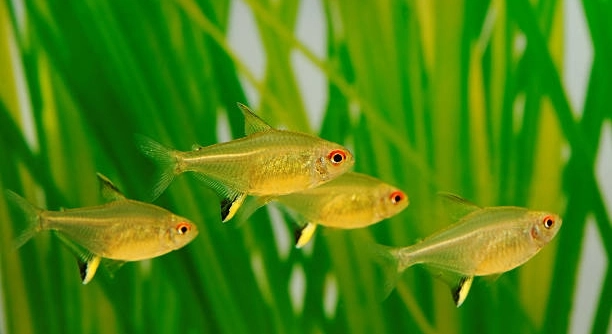
Lemon tetras are small, bright fish that bring life to any freshwater aquarium. Their shimmering yellow color and peaceful nature make them a popular choice among beginner and experienced fish keepers alike.
Before acquiring lemon tetras, it is essential to understand their specific care requirements. This includes proper tank size, water parameters, diet, social behavior, and health considerations, all of which significantly impact their longevity and overall well-being in captivity.
Learning these key details will help ensure your lemon tetras thrive and remain healthy in your home aquarium. Proper preparation can prevent common mistakes and challenges.
Tank Size and Setup
Lemon tetras are small fish, but they need space to swim comfortably. A minimum tank size of 20 gallons is recommended for a small school of six to eight fish. The tank should have a gentle filter to maintain clean water and prevent strong currents that stress these delicate fish. Plants, driftwood, and hiding spots are essential because lemon tetras feel safer in environments that mimic their natural habitat. Floating plants can also help diffuse light, reducing stress and giving the fish a sense of security. The substrate can be dark to highlight their bright yellow color, and decorations should be arranged to allow open swimming areas as well as shaded retreats. Water changes of about 20–30 percent weekly are important to maintain water quality. Consistency in water temperature between 72 and 78°F ensures that they remain healthy, active, and vibrant.
Proper setup prevents stress and keeps lemon tetras active and colorful.
A well-prepared tank allows lemon tetras to establish social hierarchies naturally. They often swim in schools, interacting with one another, which promotes natural behaviors and reduces aggression. Observing them in a properly arranged tank can be rewarding, as their colors appear more vivid under stable conditions. Plants and decorations provide hiding spots, which help shy or newly introduced fish acclimate without fear. A clean, balanced environment also reduces the likelihood of disease outbreaks. Ensuring the right water parameters, such as pH between 6.5 and 7.5, makes their habitat stable. Lighting should mimic natural day-night cycles to keep their internal rhythms aligned. Even the choice of compatible tank mates matters; peaceful species that thrive in similar conditions help maintain harmony. Overall, careful planning of tank size, décor, water conditions, and companions creates an environment where lemon tetras can live long, healthy lives and display their natural behavior confidently.
Diet and Feeding
Lemon tetras need a varied diet to stay healthy and bright. A mix of high-quality flake food, frozen, and live options works best.
Feeding small amounts two to three times daily prevents overfeeding and maintains water quality.
Including live or frozen foods like daphnia, brine shrimp, and bloodworms encourages natural hunting instincts. Flake or pellet foods should be nutritionally balanced to provide essential vitamins and minerals. Rotating food types helps prevent boredom and ensures all dietary needs are met. Overfeeding can lead to water pollution, so it’s better to offer modest portions that they can finish in a few minutes. Observing their feeding behavior allows adjustments, ensuring shy fish receive enough nutrition. Treats should be given sparingly to avoid digestive issues. A varied diet also enhances their yellow coloration, making them visually appealing in the tank. With consistent, balanced feeding, lemon tetras remain active, vibrant, and healthy, showing natural behaviors like schooling and exploring their environment.
Water Parameters
Lemon tetras need stable water conditions with a pH between 6.5 and 7.5 and a temperature of 72–78°F. Hardness should be moderate, and ammonia or nitrite must remain at zero. Regular testing keeps their environment safe and consistent.
Maintaining proper water parameters is crucial for lemon tetras’ health. Sudden changes in pH or temperature can stress them, leading to disease or loss of color. Using a reliable thermometer and test kits ensures readings are accurate. Partial water changes of 20–30 percent weekly help control nitrates and maintain clarity. Keeping the filter clean and avoiding strong currents allows the fish to swim naturally and reduces stress. Stable water conditions support their immune system, promote active schooling, and help them thrive in captivity over several years.
Monitoring water parameters also makes it easier to detect early signs of health problems. Changes in behavior, such as hiding or erratic swimming, can indicate stress from unsuitable water conditions. Providing a consistent environment ensures that the tetras remain vibrant and display their natural yellow color fully. In addition, a stable tank reduces aggression and allows fish to form proper social groups, which is essential for their well-being. With careful attention to temperature, pH, and cleanliness, lemon tetras can live longer, healthier lives and remain active in the aquarium.
Social Behavior
Lemon tetras are schooling fish and feel safest in groups of at least six. Smaller numbers can cause stress and hiding.
A proper school reduces aggression and encourages natural movement patterns. Swimming together keeps them calm and confident.
Without a group, lemon tetras may become shy, spend more time hiding, or compete for food aggressively. Observing them in a well-sized school reveals interesting social behaviors, such as synchronized swimming and subtle signaling between fish. Choosing compatible tank mates is also important. Peaceful species that thrive under similar water conditions prevent conflicts and create a harmonious aquarium. Over time, a well-established school shows clear social hierarchies, and each fish interacts comfortably with others. Proper social grouping supports overall health, reduces stress-related illnesses, and allows the tetras to display their full color and energy.
Tank Mates
Lemon tetras do best with peaceful fish that share similar water requirements. Avoid aggressive or much larger species that may harass or eat them.
Compatible tank mates include small rasboras, corydoras, and other calm tetras. Mixing similar-sized species keeps stress low and promotes a balanced aquarium environment.
Breeding Lemon Tetras
Breeding lemon tetras requires slightly acidic, soft water and a separate breeding tank. Spawning occurs when conditions are stable, and the female lays eggs among fine-leaved plants or spawning mops. Fry are very small and require infusoria or newly hatched brine shrimp. Careful observation and gentle handling increase survival rates.
Common Health Issues
Lemon tetras are prone to fin rot, ich, and stress-related illnesses. Maintaining clean water, proper diet, and stable conditions prevents most problems.
FAQ
How many lemon tetras should I keep together?
Lemon tetras are schooling fish and should be kept in groups of at least six to eight. Smaller groups can lead to stress, hiding, and aggression. A larger school allows natural swimming patterns, social behaviors, and reduces competition for food, keeping the fish calm and active.
What water temperature is best for lemon tetras?
They thrive in temperatures between 72 and 78°F. Sudden changes outside this range can stress the fish, affecting their color, appetite, and immunity. Using a reliable heater and thermometer ensures stable conditions. Maintaining consistent temperature supports active schooling and long-term health.
What should I feed lemon tetras?
A balanced diet includes high-quality flake food, frozen or live options like brine shrimp, daphnia, and bloodworms. Feeding small amounts two to three times a day prevents overfeeding and maintains water quality. Rotating foods ensures nutrition and encourages natural hunting behaviors. Treats should be occasional.
What is the ideal tank size?
A minimum of 20 gallons is recommended for a small school. Larger tanks allow more swimming space, reduce stress, and make maintaining stable water parameters easier. Proper tank size supports natural behavior and makes it easier to add compatible species without overcrowding.
Which fish make good tank mates for lemon tetras?
Peaceful species of similar size work best. Examples include small rasboras, corydoras, and other tetras. Avoid aggressive or large fish that may intimidate or eat them. Choosing compatible tank mates promotes a harmonious environment and reduces stress.
How often should I change the water?
Weekly partial water changes of 20–30 percent are recommended. This keeps ammonia, nitrites, and nitrates at safe levels and prevents buildup of toxins. Clean water reduces disease risk, promotes healthy growth, and helps lemon tetras maintain their bright yellow color.
How do I tell if my lemon tetra is stressed or sick?
Signs include hiding, clamped fins, loss of color, or unusual swimming. Stress often comes from poor water quality, aggressive tank mates, or improper diet. Early detection allows corrective measures like adjusting water conditions, improving diet, or isolating sick fish.
Can lemon tetras breed in a community tank?
Breeding is more successful in a separate tank with soft, slightly acidic water and fine-leaved plants. Spawning occurs when conditions are stable, and fry require infusoria or newly hatched brine shrimp. Community tanks often lead to eggs or fry being eaten.
How long do lemon tetras live?
With proper care, lemon tetras live around 3 to 5 years. Stable water conditions, a balanced diet, and a peaceful environment contribute to longevity. Regular observation ensures early detection of health issues, helping them reach their full lifespan.
What common health issues should I watch for?
They are prone to ich, fin rot, and stress-related illnesses. Keeping water clean, avoiding overcrowding, feeding properly, and maintaining stable conditions prevents most problems. Quarantining new fish reduces the chance of introducing disease to the main tank.
How important is lighting for lemon tetras?
Moderate lighting helps maintain natural behavior and enhances their yellow coloration. Too bright or direct light can stress them, while too dim lighting can reduce activity. Using floating plants can diffuse light and provide hiding spots, creating a balanced environment.
Do lemon tetras need live plants?
Live plants are not essential but are highly recommended. They provide hiding spots, reduce stress, and help maintain water quality. Plants with fine leaves, like Java moss or hornwort, also offer potential spawning sites for breeding and make the tank look natural.
Can lemon tetras tolerate other water types?
They prefer slightly acidic to neutral water and soft to moderately hard water. Extreme hardness or alkalinity can stress them. Consistency is more important than perfection, but sudden changes in water chemistry should always be avoided.
Are lemon tetras suitable for beginners?
Yes, they are generally hardy and peaceful, making them good for beginners who can maintain stable water conditions. They do require a proper school size, compatible tank mates, and attention to water quality to thrive over the long term.
How can I enhance their color naturally?
A varied diet with high-quality flakes, live or frozen foods, and occasional vegetables supports vibrant yellow coloration. Proper lighting, stable water parameters, and low stress levels also help maintain their brightness. Avoid overcrowding and aggressive tank mates to prevent dulling of color.
Can they live with shrimp or snails?
Yes, peaceful shrimp and snails are usually safe companions. Lemon tetras may nibble at very small or slow-moving shrimp, but larger or quick species coexist well. Snails help keep the tank clean without disturbing the tetras.
What is the best way to acclimate lemon tetras to a new tank?
Float the bag in the tank for 15–20 minutes to equalize temperature. Slowly mix small amounts of tank water into the bag over 30–60 minutes. Finally, gently release the fish into the tank, avoiding sudden changes to prevent shock.
How do I prevent bullying in the tank?
Keeping at least six to eight lemon tetras together reduces stress and aggression. Provide hiding spots, avoid overcrowding, and choose compatible tank mates. Proper schooling behavior helps them establish social order without constant conflict.
Are lemon tetras active during the day or night?
They are primarily active during the day, swimming in schools and exploring. Dim lighting or floating plants can create shaded areas where they rest, but overall, they display most of their activity and social behaviors in daylight hours.
Can I keep lemon tetras in a small desktop tank?
A very small tank under 10 gallons is not recommended. They need space to swim and maintain water stability. Small tanks make temperature and water quality harder to control, increasing stress and reducing lifespan.
Do lemon tetras require any supplements?
Supplements are not typically necessary if they receive a varied, balanced diet. Occasional vitamin-enriched foods can support immune health, especially if the fish show signs of stress, dull color, or reduced activity.
How do I know my tank is safe for lemon tetras?
Check that ammonia and nitrites are zero, nitrates are low, and pH and hardness are stable. Ensure proper filtration, adequate space, and peaceful tank mates. Observation of behavior and color also indicates a safe environment.
How often should I observe their behavior?
Daily observation helps detect illness, stress, or aggression early. Watching feeding, swimming patterns, and interactions ensures timely adjustments to water conditions, tank mates, or diet to maintain health and vitality.
What decorations are best for them?
Provide open swimming areas with plants, driftwood, and hiding spots. Floating plants help diffuse light, and fine-leaved plants offer spawning sites. Decorations should enhance the tank’s safety without overcrowding it, allowing natural movement and schooling behavior.
Can lemon tetras jump out of the tank?
Yes, they may jump if startled or stressed. A secure lid is important to prevent accidents. Properly arranged plants and decorations also help reduce sudden stress reactions that could trigger jumping.
Do they recognize their owners?
They do not recognize individuals like mammals, but they can learn feeding routines and respond to movement near the tank. Consistent care builds familiarity, reducing stress when people approach.
How long does it take for them to settle into a new tank?
They usually acclimate within a week, though some shy fish may take longer. Providing plants, hiding spots, and proper schooling conditions helps them adjust more quickly. Patience is key during this transition.
Are lemon tetras schooling fish all their life?
Yes, schooling remains an important part of their behavior throughout life. Groups of six or more keep them confident, active, and less prone to stress or illness. Smaller numbers lead to loneliness and hiding.
Do lemon tetras need special filtration?
They do not need strong filtration, but a gentle, reliable filter that maintains water quality is essential. Strong currents should be avoided, as they prefer calm water and open swimming areas.
How do I treat common diseases?
Fin rot responds to improved water quality and antibacterial treatments. Ich can be treated with elevated temperature and appropriate medication. Always isolate sick fish to prevent spreading and maintain clean water conditions.
Can they live in a planted tank?
Yes, planted tanks are ideal. Plants provide hiding spots, reduce stress, and create a natural environment. Fine-leaved plants also offer spawning surfaces for breeding lemon tetras. A balanced planted tank enhances both health and visual appeal.
Is it safe to keep them with bettas?
Betta compatibility varies. Peaceful bettas may coexist, but aggressive or fin-nipping bettas can stress lemon tetras. Monitor behavior closely, and be ready to separate if needed. Peaceful tank mates are always preferable.
What should I do if water conditions fluctuate?
Gradually correct temperature, pH, or hardness changes. Avoid sudden adjustments, which can shock fish. Frequent testing, consistent maintenance, and partial water changes keep parameters stable and prevent illness or stress.
Are lemon tetras sensitive to noise or vibrations?
Yes, excessive noise or vibrations can stress them, causing hiding or erratic swimming. Place the tank in a quiet area and avoid sudden impacts or tapping on the glass to keep them calm.
Do they show personality differences?
Yes, some are bolder or shyer, especially in small schools. Personality may influence feeding order, hiding behavior, or interactions. Larger schools help balance dynamics and reduce stress caused by individual differences.
Can lemon tetras live with goldfish?
No, goldfish are too large, cold-water species, and may eat or outcompete lemon tetras. Differences in water requirements make this combination unsuitable. Choosing compatible tropical fish ensures safety and health.
How do I encourage natural schooling behavior?
Keep a proper group size of at least six fish, maintain stable water parameters, and provide open swimming areas. Consistent feeding routines also reinforce coordinated movement and reduce stress in the school.
Can lemon tetras live in brackish water?
No, they are freshwater fish. Exposure to brackish water can cause stress, illness, and death. They require stable freshwater conditions with moderate hardness and slightly acidic to neutral pH.
Are there any seasonal care considerations?
Temperature stability is key year-round. Avoid placing tanks near drafts, heaters, or windows. Seasonal changes in room temperature should be offset by heaters or thermostats to maintain consistent conditions.
Do they need any special lighting schedule?
A regular day-night cycle of 10–12 hours light helps regulate behavior. Too much light can stress fish, while too little reduces activity. Floating plants can create shaded areas to balance lighting naturally.
Can they tolerate tap water?
Tap water is safe if treated with a dechlorinator and tested for pH and hardness. Sudden changes or untreated water can harm fish. Consistency and monitoring ensure a safe environment.
How do I introduce new lemon tetras to an existing tank?
Float the bag in the tank to equalize temperature, slowly mix tank water over 30–60 minutes, then gently release. Observe behavior for the first few hours to ensure minimal stress and no aggression.
Do lemon tetras need supplemental aeration?
Not usually. Adequate water movement from a gentle filter provides enough oxygen. Aeration may help in heavily stocked tanks or warmer climates where oxygen levels drop more quickly.
What should I do if a lemon tetra dies?
Remove the fish immediately to prevent water contamination. Test water parameters, observe other fish, and adjust conditions if needed. Investigate possible causes such as disease, stress, or poor water quality.
Are lemon tetras prone to bullying each other?
Proper schooling minimizes bullying. Aggression may occur in small groups or if stressed. Provide hiding spots and maintain stable water conditions to reduce conflicts.
Do they need a quarantine tank?
Quarantining new fish for 2–4 weeks helps prevent disease introduction to the main tank. Monitor behavior, health, and treat if necessary before adding to the established aquarium.
How fast do lemon tetras grow?
They grow slowly, reaching full size of 1.5–2 inches in several months. Proper diet, water quality, and schooling conditions support healthy development and vibrant coloration.
Can they live with African dwarf frogs?
Yes, peaceful aquatic frogs can coexist. Ensure hiding spots and monitor feeding to prevent competition. Both species prefer calm, stable water conditions.
What are signs of aging in lemon tetras?
Older tetras may show faded color, slower swimming, or reduced activity. Proper care can extend lifespan, but natural aging is visible through decreased vibrancy and less active schooling behavior.
Do lemon tetras need water conditioners?
Yes, dechlorinators remove harmful chlorine or chloramines. Conditioners can also stabilize pH or provide minor electrolytes. Regular use ensures safe water for delicate fish.
How often should I feed them frozen foods?
Frozen foods 2–3 times per week supplement flake or pellet diets. They provide variety, essential nutrients, and encourage natural hunting behavior without overfeeding.
Can they coexist with shrimp fry?
Small shrimp fry may be eaten, but adult or larger species usually coexist safely. Consider hiding places for fry if you plan to keep both species together.
Do lemon tetras need gravel or sand substrate?
Either is acceptable. Fine gravel or sand allows planting, reduces injury risk, and makes cleaning easier. Substrate choice mostly depends on plant type and tank aesthetics.
Are they suitable for nano tanks?
Nano tanks under 10 gallons are not recommended due to space, water stability, and schooling needs. Small tanks increase stress and reduce lifespan.
Can lemon tetras handle fluctuating pH?
Sudden pH changes are stressful and can cause illness. Slow, gradual adjustments are safe, but consistent water chemistry is essential for health and color maintenance.
Do they interact with humans?
While they do not recognize people, they learn feeding routines and respond to movement, showing familiarity and reduced stress around daily care activities.
Is live food necessary for them?
Not required, but live food encourages natural behavior and provides enrichment. Occasional live treats complement flakes or frozen foods and enhance color.
How long does it take for fry to grow?
Fry grow slowly and require infusoria or tiny foods initially. They reach juvenile size in several weeks and adult size in a few months with proper feeding and stable water conditions.
Do lemon tetras need a high-tech setup?
No, they thrive in basic freshwater tanks with stable water parameters, moderate filtration, and proper schooling. Plants and decorations improve comfort but high-tech equipment is optional.
What is the best way to clean the tank?
Partial water changes, gentle gravel vacuuming, and filter maintenance are sufficient. Avoid full tank cleaning, which can disturb beneficial bacteria and stress the fish. Regular upkeep ensures health and vibrant coloration.
Can lemon tetras survive without plants?
Yes, but plants provide hiding spots, reduce stress, and improve water quality. Live or artificial plants enhance their environment, making them feel secure and more active.
Are they suitable for community tanks?
Yes, if paired with peaceful, similar-sized fish. Avoid aggressive or large species to prevent stress or injury. Proper schooling, hiding spots, and water conditions ensure compatibility.
Do lemon tetras have territorial behavior?
They are generally peaceful and do not defend territory aggressively. Stress or overcrowding may trigger minor chasing, but a proper school size and environment minimize conflicts.
How do I prevent algae buildup?
Regular water changes, balanced feeding, moderate lighting, and live plants help control algae. Avoid overfeeding and remove visible algae manually if needed to maintain a clean tank.
Can lemon tetras live in outdoor ponds?
No, they are tropical fish and require stable warm water. Outdoor ponds in cooler climates expose them to temperature fluctuations and predators, which can be fatal.
Do they require a nitrogen cycle before adding?
Yes, establishing a full nitrogen cycle prevents ammonia and nitrite spikes that are harmful. Testing water and monitoring parameters before introduction ensures a safe environment.
Are they sensitive to water chemicals?
Yes, chlorine, chloramine, heavy metals, and certain medications can harm them. Always treat tap water and use safe aquarium products to prevent health issues.
How can I reduce stress during transport?
Float the bag in the tank to equalize temperature, avoid rough handling, and ensure adequate oxygen. Stress reduction improves survival during relocation or introduction to a new tank.
Do lemon tetras recognize other fish?
They recognize other school members through schooling behavior but do not form bonds like mammals. Consistent groups reduce stress and encourage natural interactions.
Are lemon tetras nocturnal?
No, they are diurnal and active during the day. They rest or hide in shaded areas at night but do not display true nocturnal behavior.
Can I keep them with shrimp eggs?
Eggs may be eaten. If breeding shrimp alongside lemon tetras, provide plenty of hiding spots to protect the eggs and ensure survival of both species.
How often should I monitor water parameters?
Weekly testing is ideal, more often after major changes or adding new fish. Regular monitoring prevents sudden problems and ensures stable conditions for health and growth.
Are lemon tetras prone to overcrowding issues?
Yes, overcrowding causes stress, aggression, and water quality problems. Proper tank size and schooling numbers prevent these issues and maintain a healthy environment.
Do they require seasonal temperature adjustments?
No, maintain stable tropical temperatures year-round. Fluctuations can cause stress, illness, or death. Use heaters and thermostats if needed.
How do I know if the tank is cycled?
Ammonia and nitrites should read zero, with low nitrates. Fish show normal behavior, feeding patterns, and bright coloration when the tank is fully cycled.
Can they coexist with betta fry?
Betta fry may be eaten. Lemon tetras are not reliable tank mates for very small fry due to predation risk. Separate tanks are recommended for breeding fry.
Do lemon tetras show signs of boredom?
Boredom is rare with proper schooling, decorations, and feeding variety. Signs include excessive hiding or lethargy. Providing plants, swimming space, and interaction reduces stress and encourages activity.
Are they safe with small snails?
Yes, most small snails are safe. Lemon tetras may nibble occasionally but generally ignore them. Snails can help clean the tank without harming fish.
Do they require aeration during high temperatures?
In warmer water, oxygen levels drop. Gentle aeration can help maintain sufficient oxygen and reduce stress, especially in crowded or planted tanks.
How do I prevent disease when adding new fish?
Quarantine for 2–4 weeks, observe for signs of illness, and maintain stable water conditions. Treat if necessary before introducing to the main tank. This prevents spreading infections to
Lemon tetras are small, peaceful fish that bring color and life to a freshwater aquarium. They are relatively hardy, making them a suitable choice for both new and experienced fish keepers. Their bright yellow hue stands out beautifully against dark substrates and green plants, creating a visually appealing display. While they are easy to care for in many ways, they do require consistent attention to water conditions, tank setup, and proper schooling. Providing a well-planned environment helps them thrive and display natural behaviors such as active swimming, schooling, and subtle interactions with other tank mates. They are social creatures, and keeping them in groups of six or more allows them to feel secure and confident in the tank. Observing a properly maintained school of lemon tetras can be both relaxing and rewarding, as you watch their coordinated movements and colorful presence in the aquarium.
Maintaining stable water parameters is essential for lemon tetras’ health and longevity. They thrive in slightly acidic to neutral water with moderate hardness and temperatures between 72 and 78°F. Sudden fluctuations in water chemistry can stress them, making them more prone to disease and color loss. Weekly partial water changes, gentle filtration, and careful monitoring of ammonia, nitrites, and nitrates are important steps in keeping the tank healthy. A proper diet is equally important. Feeding a mix of high-quality flakes, frozen foods, and occasional live treats ensures they get the necessary nutrients to maintain vibrant coloration and energy. Overfeeding should be avoided to prevent water quality issues and potential health problems. Providing an environment with live or artificial plants, hiding spots, and open swimming areas creates a natural, safe space where lemon tetras can exhibit their best behaviors.
Social behavior, diet, and consistent care are the keys to keeping lemon tetras happy and healthy. They do best in peaceful community tanks with compatible fish of similar size. Aggressive or much larger species should be avoided to prevent stress or injury. Lemon tetras can also be bred in controlled conditions if their environment is suitable, though this is easier in a separate breeding tank. Paying attention to potential health issues, such as fin rot or ich, allows early intervention and prevents serious problems. Overall, lemon tetras are visually striking, active, and relatively low-maintenance fish when cared for properly. By providing a stable tank environment, proper nutrition, and social schooling, these fish can live full, healthy lives while adding beauty and life to any freshwater aquarium. With careful planning and regular attention, lemon tetras can remain bright, active, and engaging members of your tank for years to come.

Hello,
If you enjoy the content that we create, please consider saying a "Thank You!" by leaving a tip.
Every little bit helps us continue crafting quality advice that supports the health, happiness, and well-being of pets around the world, for pets of all shapes, sizes, and species.
We really appreciate the kindness and support that you show us!