
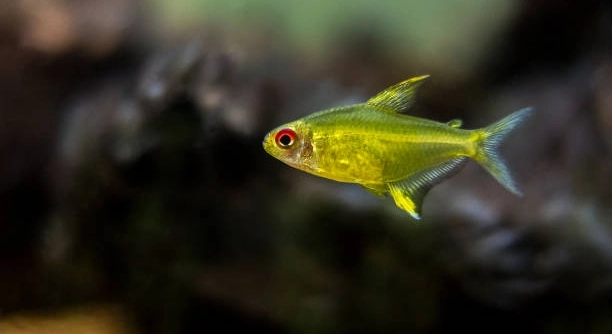
Do your lemon tetras dart around the tank at every sudden sound? Many fish keepers find that these small, bright fish are easily startled by noises in their environment. Even everyday movements can upset them.
Lemon tetras are highly sensitive to sudden or continuous noise, which can cause stress, erratic swimming, and reduced feeding. Common disturbances include loud talking, clattering objects, tapping on the tank, and running household appliances near their habitat.
Learning which habits trigger these reactions can help you create a calmer tank environment for your fish to thrive.
Loud Talking and Shouting
Even normal conversations can be stressful for lemon tetras. Their small size and sensitive nature make them easily startled by loud voices or sudden shouts. In my experience, keeping a quiet environment around the tank helps them swim calmly and explore without fear. They respond noticeably when the volume rises, sometimes hiding behind decorations or freezing in one spot. Sudden bursts of noise can trigger a stress response that affects their health over time. It is not just yelling; even animated conversations can create vibrations that travel through the air and the tank’s surface. I noticed that lowering my speaking volume when I feed them or clean the tank made a visible difference. Over time, they began swimming confidently in open areas instead of staying near the corners. Maintaining a calm atmosphere benefits not only the fish but also makes the tank more enjoyable to watch.
Keeping your voice soft around the tank reduces stress and helps your lemon tetras maintain normal swimming and feeding behavior.
Controlling noise levels is a small change that has a big effect. By being mindful of your talking volume and where you place the tank, you can create a peaceful environment. Even minor adjustments like moving a speaker away from the tank or speaking softly while walking nearby can improve their comfort. Over time, the fish become less skittish, more active, and more likely to interact with their surroundings. Stress in fish can lead to weakened immunity and increased susceptibility to disease, so creating this calm space is important for their long-term health. Small habits, like pausing loud conversations or lowering TV volume near the tank, can make a noticeable difference. Observing the fish’s behavior daily helps you spot stress early. Providing hiding spots and gentle lighting further enhances their sense of safety, making the tank a more stable environment.
Clattering Objects Near the Tank
Lemon tetras are startled by anything that bangs against or near the tank. Objects falling, clinking, or even being set down quickly can cause them to dart or hide immediately.
When items hit surfaces near the tank, vibrations travel through the water. Lemon tetras have sensitive lateral lines, allowing them to detect even small disturbances. This constant exposure to sudden movements can make them anxious over time. I noticed when I accidentally dropped a glass near the tank, the fish scattered for several minutes, refusing to come out from their hiding spots. Repeated incidents can lead to prolonged stress, making them more vulnerable to illness. A simple approach is keeping the area around the tank clear and placing decorations or supplies gently. Creating a buffer zone reduces the risk of sudden noise, while observing their response to movement helps identify which spots are most disruptive. Even placing the tank away from high-traffic areas makes a big difference in their comfort.
Tapping on the Glass
Even light tapping on the glass can frighten lemon tetras. They interpret it as sudden danger and may swim erratically or hide for long periods.
When I cleaned my tank, I realized that even a gentle tap caused them to scatter immediately. Their lateral line system makes them highly aware of vibrations, so tapping anywhere near the tank sends signals of a potential threat. Repeated tapping can increase stress levels, affecting appetite and behavior. I started using a soft cloth to wipe the glass and avoided tapping completely. Over time, they swam more confidently and returned to open areas quicker. Consistency is key, as occasional tapping still startled them. By being careful, I saw them become calmer during daily maintenance.
Keeping the tank area free from taps or knocks ensures the fish feel safe and reduces sudden stress reactions.
Even subtle vibrations can disturb lemon tetras for minutes. A quiet approach, slow movements, and avoiding knocking objects against the tank help them settle. I also noticed that using soft tools for cleaning reduced their anxiety. They swam around freely instead of hiding, which improved feeding patterns and social interactions. Over weeks, their colors became brighter, signaling reduced stress. A calm environment made observing their natural behaviors much easier and more enjoyable.
Running Household Appliances
The constant hum or sudden starts of appliances can unsettle lemon tetras. Fans, vacuum cleaners, or washing machines create vibrations that travel through walls and floors.
I placed my tank near the kitchen initially and noticed the fish became skittish whenever the dishwasher or blender ran. Lemon tetras reacted instantly, darting to the far corners of the tank and remaining hidden for several minutes. Their small size and sensitive lateral lines make them highly aware of even distant vibrations. Over time, this stress can affect their immune system and reduce activity. Moving the tank to a quieter location and scheduling noisy chores away from feeding times helped them remain calm. Even subtle adjustments, like using anti-vibration mats under appliances near the tank, improved their overall behavior and swimming patterns. Observing the fish during appliance use highlighted how sensitive they truly are.
Creating a stable, vibration-free environment supports healthier, more relaxed lemon tetras. Minimizing sudden sounds allows them to explore and interact naturally. I noticed their feeding improved, and their schooling behavior became consistent once the noise was reduced. By controlling the timing and distance of household appliances, the tank environment became much more comfortable for them.
Loud Music
Lemon tetras are easily disturbed by loud music. Vibrations from heavy bass or high volume can make them dart, hide, or freeze in place, showing clear signs of stress.
I noticed that playing music near the tank caused them to cling to plants and decorations. Even soft background music with sudden spikes in volume startled them. Over time, I realized keeping the tank area quiet or using only gentle, steady sounds helped them swim naturally. Their activity levels improved, and they became less jumpy during feeding times, making the tank a calmer place overall.
Children Playing Near the Tank
Children running or shouting near the tank can startle lemon tetras. Sudden movements and high energy create vibrations that the fish detect immediately. Their schooling patterns are disrupted, and they may hide for extended periods.
When my niece visited, I saw the tetras scatter at her every step. They paused their normal swimming and clustered together nervously. Consistently observing the tank during these moments helped me understand which areas transmitted the most vibrations. Setting up a barrier or keeping playtime slightly away from the tank allowed the fish to regain a sense of safety. Over time, they returned to normal activity once the disturbance ended, showing how sensitive these small fish are to their surroundings.
Clattering Kitchenware
Dropping or clanging dishes near the tank causes lemon tetras to freeze or dart. Their small size and sensitive hearing make them react strongly to sudden noises, even if the sound is brief.
Vacuuming or Floor Cleaning
Frequent vacuuming or using a mop near the tank can scare lemon tetras. Vibrations travel through floors and walls, disrupting their calm swimming and sometimes causing them to hide for long periods.
Why do my lemon tetras hide so often?
Lemon tetras hide when they feel threatened or stressed. Sudden noises, tapping on the glass, or nearby vibrations make them feel unsafe. I noticed my fish would dart behind decorations or cling to plants whenever the dishwasher or washing machine ran. Even normal household movements, like walking quickly past the tank, can trigger hiding behavior. Providing plenty of plants, rocks, or decorations gives them places to retreat, which makes them feel secure. Over time, I saw that reducing noise and movement near the tank significantly lowered the amount of hiding, and the fish became more active in open areas.
Can loud household sounds harm lemon tetras?
Yes, frequent loud sounds can cause stress and even affect their health. Stress weakens their immune system, making them more susceptible to disease. I noticed my tetras became less active and occasionally skipped meals when appliances ran nearby. Even small vibrations, like clattering dishes or tapping the glass, can disrupt their normal behavior. Moving the tank away from high-traffic areas and limiting loud activities nearby helped them regain a sense of calm. Over weeks, their colors brightened, and their schooling behavior became more consistent. Calm surroundings are crucial for maintaining their long-term health and natural behavior patterns.
How can I make my tank quieter for lemon tetras?
Reducing noise involves both location and habits. I moved my tank away from the kitchen and laundry area, which immediately lowered stress levels. Using soft tools when cleaning and avoiding tapping the glass also helped. Placing rugs or mats under nearby appliances can reduce vibrations transmitted through floors. Even speaking quietly around the tank made a difference. Providing hiding spots and gentle lighting adds another layer of security. Over time, small adjustments like these allowed the tetras to swim more freely and interact normally without constant stress. A quiet tank environment is simple but highly effective.
Do lemon tetras react to music?
Yes, they are sensitive to vibrations from music. I noticed my tetras froze or darted whenever the bass dropped or sudden spikes in volume occurred. Consistently loud music caused them to hide more often and reduced their activity. Soft, steady background sounds did not bother them as much, but anything sudden or heavy startled them. Keeping music away from the tank or lowering the volume during playback helped them remain calm and continue normal feeding and swimming patterns. Lemon tetras rely on stability in their environment, and sudden vibrations disrupt that balance.
Are children a problem around the tank?
Active children can be stressful for lemon tetras. Running, jumping, or shouting near the tank creates vibrations the fish detect immediately. I noticed my tetras would cluster together nervously and sometimes stop swimming for several minutes when my niece played nearby. Setting up a barrier or keeping children slightly away from the tank during playtime allowed the fish to regain calm. Teaching children to approach the tank quietly or observe from a distance reduced stress significantly. Lemon tetras respond quickly to their environment, so consistent, gentle conditions help maintain their health and natural behavior.
What household habits are most stressful for lemon tetras?
Sudden taps, clattering dishes, vacuuming, loud appliances, and frequent high-volume talking all affect lemon tetras. I realized that even small disturbances, like placing objects near the tank quickly, caused noticeable stress. Over time, I adjusted my routines: I lowered appliance vibrations, avoided loud movements near the tank, and kept household chores away from feeding times. These small changes improved the fish’s activity, schooling, and feeding behavior. Lemon tetras thrive in stable, calm environments, and paying attention to daily habits is key to reducing stress and supporting their well-being.
How can I tell if my lemon tetras are stressed?
Signs of stress include hiding, erratic swimming, loss of appetite, and clinging to plants or decorations. I noticed my tetras became pale and less active when household noises were frequent. Stress also affects their immune system, making them more prone to illness. Observing daily behavior and removing sources of sudden noise, vibrations, or disruptions helped them recover. Once calmer, they resumed normal swimming patterns, ate regularly, and displayed brighter colors. Regular monitoring and a quiet environment are essential for their long-term health and comfort.
Is tank placement important for reducing noise stress?
Yes, tank placement is critical. I moved my tank away from high-traffic areas, loud appliances, and doorways, which immediately reduced stress signs. Tanks near walls or floors that transmit vibrations can also disturb fish. A quiet, stable location with minimal external disturbance allows lemon tetras to swim freely and maintain normal behavior. Pairing good placement with soft cleaning routines and gentle daily interaction creates an ideal environment. Over time, I saw the tetras become more confident and active, which confirmed that placement plays a major role in their comfort and health.
Can small adjustments really make a difference?
Absolutely. I started with small changes like lowering my voice, moving noisy objects, and providing hiding spots. Each adjustment reduced stress reactions and made the tetras more active. Even minor vibrations or sudden sounds can cause anxiety, so consistency is key. Over several weeks, small adjustments created a calm, stable tank environment where lemon tetras thrived, showing natural behaviors and bright colors. Paying attention to subtle environmental factors ensures their long-term health and helps them feel secure.
How often should I monitor their response to noise?
Daily observation is important. I watch my tetras during feeding and routine maintenance to note any signs of stress. Frequent monitoring helps identify specific triggers, whether it’s household chores, music, or visitor activity. Adjustments based on these observations quickly improve their comfort. Regular attention ensures they remain healthy and active.
Keeping lemon tetras happy and healthy comes down to creating a calm and stable environment. These small, bright fish are highly sensitive to noise, sudden movements, and vibrations. Even everyday household activities, like talking loudly, clattering dishes, or running appliances, can startle them and affect their behavior. Over time, frequent disturbances can cause stress, which may lead to loss of appetite, erratic swimming, and weaker immune systems. I noticed that when the tank area was noisy, my tetras tended to hide more, cling to plants, or freeze in one spot for long periods. Stress doesn’t always show immediately, so paying close attention to their reactions is important. Making small changes, like lowering household noise or avoiding tapping on the glass, had a noticeable effect on their overall activity and confidence in the tank.
Creating a peaceful environment does not mean removing all sounds, but rather minimizing sudden or strong vibrations that disturb the fish. Tank placement is very important. I moved my tank away from high-traffic areas, loud appliances, and doorways, which made a significant difference. Providing hiding spots with plants, rocks, or decorations also helped the fish feel secure. Gentle, consistent lighting and careful cleaning routines added to their sense of safety. Even the way you interact with the tank matters. Speaking softly, avoiding sudden movements, and handling tools carefully during maintenance all reduce stress for lemon tetras. Over time, these adjustments allowed my tetras to swim confidently in open areas, maintain their normal feeding patterns, and display brighter, more consistent coloring.
Monitoring the fish daily is essential for maintaining their comfort and health. Stress can build up gradually, and small signs like occasional hiding, darting, or reduced appetite should not be ignored. I made it a habit to observe my tetras during feeding, cleaning, and quiet times to see how they reacted to environmental changes. Adjustments based on these observations helped me identify the sources of stress and address them effectively. Even small changes, like using soft mats under appliances, moving noisy objects, or setting up barriers during high-energy household activities, contributed to a calmer tank. By being mindful of noise, vibrations, and movement, lemon tetras can thrive in a secure, peaceful environment. They are active, colorful, and interactive when stress is minimized, and these consistent, simple habits make a lasting difference in their health and well-being.

Hello,
If you enjoy the content that we create, please consider saying a "Thank You!" by leaving a tip.
Every little bit helps us continue crafting quality advice that supports the health, happiness, and well-being of pets around the world, for pets of all shapes, sizes, and species.
We really appreciate the kindness and support that you show us!