
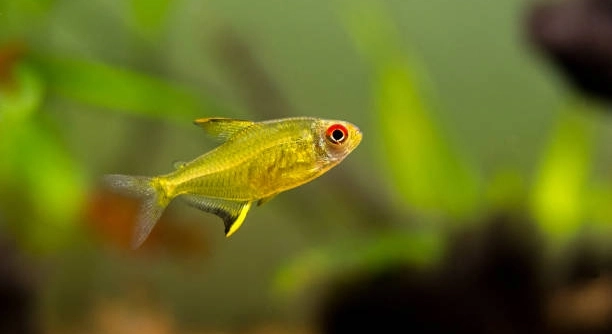
Do your lemon tetras sometimes seem to eat more than usual, leaving you unsure about their health? Overfeeding is a common issue for small aquarium fish, and it can have unexpected effects on their wellbeing.
Overeating in lemon tetras can lead to digestive issues, bloating, and increased susceptibility to disease. Excess food decomposes quickly, affecting water quality and potentially causing stress, swim bladder problems, and reduced lifespan if not managed properly.
Knowing how to prevent overfeeding and manage their diet is essential for maintaining a healthy, thriving aquarium environment. Proper care ensures your tetras remain active and vibrant.
Signs Your Lemon Tetra Is Overeating
Overeating in lemon tetras can show in several ways, and observing these signs early is important. Fish may appear bloated, have difficulty swimming, or rest near the bottom of the tank more than usual. Uneaten food left in the tank can also indicate overfeeding. Another sign is rapid or labored breathing, which can occur when their digestive system is stressed. Overfed tetras may display unusual behavior such as aggression or lethargy. Their bright yellow color might fade, signaling a problem. Paying close attention to these subtle changes can prevent more serious health issues. Tank conditions can also worsen with excess food, leading to higher ammonia levels that affect all fish. Tracking how much and how often you feed your fish will help keep them healthy. Small, controlled meals are far better than one large feeding, reducing the risk of digestive problems and ensuring all fish get proper nutrition.
Observing these changes allows you to intervene quickly, maintaining water quality and fish health.
A consistent feeding routine is essential. Limiting food to what the tetras can consume in a few minutes, removing leftover pieces, and monitoring tank behavior can prevent many problems. Supplements or occasional vegetable matter can provide nutrition without overloading their system. Adjusting portions as fish grow or as tank conditions change ensures long-term health. Overfeeding not only stresses individual fish but affects the entire tank ecosystem, making it harder to maintain a balanced environment.
Preventing Overfeeding
Controlling portions and feeding frequency is key for healthy tetras.
Establish a routine, offering small amounts once or twice a day. Observe how much they eat in a few minutes and adjust accordingly. Avoid free-feeding or leaving food in the tank for long periods, as this quickly deteriorates water quality and encourages overconsumption.
Consistent monitoring and proper feeding techniques create a stable environment for lemon tetras. Feeding small amounts multiple times a day mimics natural behavior, promoting healthy digestion and activity. Using feeding tools like small spoons or portion cups can prevent accidental overfeeding. Maintaining a clean tank by removing excess food and debris ensures water quality remains optimal, reducing stress and disease risk. Rotating food types such as flakes, micro pellets, and occasional frozen options provides balanced nutrition without overwhelming their system. Recognizing early signs of overeating, adjusting feeding practices, and maintaining the tank’s cleanliness ensures tetras stay active, healthy, and vibrant. Proper care allows them to thrive, making observation and control essential elements of responsible fish keeping.
Common Health Issues From Overeating
Overeating can lead to bloating, constipation, and swim bladder problems in lemon tetras. Digestive stress weakens their immune system, making them more prone to infections. Tank conditions also worsen, affecting overall fish health and activity levels.
Digestive issues are the most immediate concern. Bloating may cause difficulty swimming and staying upright. Constipation can result from overfeeding dry foods or excess protein, leading to discomfort and lethargy. Swim bladder problems often follow, affecting buoyancy and balance. Overfed fish may isolate themselves or hide more often, signaling stress. Poor digestion reduces nutrient absorption, which impacts growth and coloration. Addressing these issues early by adjusting feeding habits and improving water quality can prevent long-term damage and keep tetras active.
Water quality declines quickly when leftover food decomposes. Ammonia and nitrite levels rise, stressing all tank inhabitants. Overfeeding increases waste production, which can cause algae growth and bacterial blooms. Monitoring tank chemistry, performing regular water changes, and removing uneaten food are crucial steps. Providing a varied diet with controlled portions reduces health risks while maintaining activity levels and vibrant coloration. Regular observation helps catch early signs of stress, allowing for timely intervention and preventing severe conditions from developing.
Adjusting Feeding Habits
Establishing a consistent, controlled feeding schedule helps prevent overeating. Offer only small amounts that can be consumed within a few minutes to maintain digestive health and water quality.
Feeding frequency and portion size directly influence lemon tetra health. Too much food at once causes bloating and constipation, while small, regular meals mimic natural feeding patterns. Monitor their behavior during feeding to ensure all fish eat and adjust portions as needed. Using varied food types like flakes, micro pellets, and occasional frozen options provides balanced nutrition. Removing leftover food promptly prevents water contamination, reduces stress, and lowers the risk of disease. A controlled feeding routine fosters a stable tank environment, supporting overall wellbeing and vibrant coloration.
Keeping track of how your tetras respond to food adjustments is essential. Note changes in swimming patterns, activity, and appetite. Observing gradual improvements confirms that feeding practices are effective. Overfeeding often leads to long-term health issues if left unaddressed. A consistent routine, proper portioning, and careful observation are practical strategies for promoting healthy digestion and preventing stress. By prioritizing controlled feeding habits, you maintain water quality, reduce illness risk, and help lemon tetras thrive in a balanced, active environment.
Monitoring Tank Conditions
Keeping the tank clean is crucial when managing overfeeding. Leftover food and waste can raise ammonia and nitrite levels, affecting all fish health. Regular water changes and removing debris help maintain stable conditions.
Testing water parameters frequently ensures a safe environment. Overfeeding accelerates waste buildup, so monitoring pH, ammonia, and nitrate levels prevents stress and disease in lemon tetras.
Treating Digestive Issues
When lemon tetras show signs of bloating or constipation, fasting them for a day or two can help their digestive system recover. Small, occasional feedings of high-fiber foods like blanched peas aid in alleviating blockage. Consistent observation is key.
Preventing Future Problems
Adjusting feeding portions and frequency prevents digestive stress and water quality issues. Maintaining a controlled routine supports long-term health and vibrant coloration in lemon tetras.
FAQ
How much should I feed my lemon tetras daily?
Lemon tetras do best with small meals once or twice a day. Feed only what they can consume in about two to three minutes. Overfeeding leads to bloating, constipation, and poor water quality, which affects all fish in the tank.
What happens if I accidentally overfeed them?
A single overfeeding is usually not fatal but can cause temporary bloating or digestive discomfort. Uneaten food will decompose, increasing ammonia levels in the tank. Remove leftovers quickly and consider skipping the next feeding to allow their system to recover.
Can overfeeding affect water quality?
Yes. Excess food and increased waste raise ammonia and nitrite levels. Poor water quality stresses fish, making them prone to disease. Regular water changes and careful feeding prevent chemical imbalances and maintain a stable environment.
What are early signs of digestive problems?
Swollen bellies, lethargy, and difficulty swimming are common indicators. Fish may float awkwardly or rest near the tank bottom. Changes in appetite or faded coloration can also signal digestive issues. Early intervention prevents more serious health problems.
Is fasting safe for lemon tetras?
Yes, short fasting periods of one to two days help clear their digestive system. During fasting, monitor water quality closely and ensure the tank remains clean. Avoid prolonged fasting as it can lead to malnutrition.
What foods help prevent constipation?
High-fiber foods like blanched peas, spirulina flakes, or finely chopped vegetables can improve digestion. Avoid feeding too many protein-heavy foods at once, as these can contribute to bloating and digestive stress. Rotate food types for balanced nutrition.
How can I adjust feeding habits to prevent overeating?
Measure portions carefully and feed only what the fish can finish in a few minutes. Use a small spoon or feeding cup for control. Remove any uneaten food immediately. Consistency is key to preventing both digestive issues and poor water conditions.
Do overfed lemon tetras recover fully?
Yes, with proper care. Correcting feeding habits, fasting if needed, and maintaining clean water allows fish to regain health. Recovery time varies depending on the severity of overfeeding, but most tetras can return to normal activity and coloration within a few days.
Can overfeeding cause swim bladder problems?
Yes, excessive food intake and bloating can lead to swim bladder issues, affecting buoyancy and balance. Feeding smaller portions and including fiber-rich foods can help prevent this problem. Observing swimming behavior early allows timely intervention.
How often should I check water parameters?
Frequent monitoring is essential, especially after adjusting feeding habits. Test ammonia, nitrite, nitrate, and pH levels at least once a week. Quick detection of imbalances helps prevent stress and disease caused by overfeeding or tank waste accumulation.
Can overfeeding affect all fish in the tank?
Yes, leftover food and waste affect the entire tank. Increased ammonia and nitrite levels stress all inhabitants, not just lemon tetras. Maintaining proper portions and regular cleaning ensures a healthier environment for every fish.
What is the best way to feed multiple lemon tetras?
Feed small amounts spread across the tank to ensure all fish receive food. Observe their behavior during feeding, and adjust portions if some fish are left hungry or food remains uneaten. Controlled feeding prevents competition and overfeeding.
How do I know if my tank is safe after overfeeding?
Test water for ammonia, nitrite, nitrate, and pH levels. Remove leftover food and perform partial water changes. Watch fish behavior and swimming patterns. If parameters remain stable and fish act normally, the tank has recovered.
Are there long-term effects of frequent overfeeding?
Chronic overfeeding can lead to obesity, shortened lifespan, and persistent digestive problems. Tank conditions may deteriorate, increasing stress and disease risk. Maintaining controlled feeding habits is essential to prevent long-term health issues and ensure fish longevity.
Can lemon tetras go on a permanent high-fiber diet?
No, they need a balanced diet. Fiber-rich foods help prevent constipation, but protein and other nutrients are essential. Rotate flakes, pellets, and occasional live or frozen foods to maintain health, growth, and coloration.
How do I handle picky eaters?
Feed small, varied portions to encourage all fish to eat. Some tetras may prefer certain types of food. Observing their preferences and adjusting meals helps ensure proper nutrition without overfeeding.
Is it okay to feed once per day?
Once daily is acceptable if portions are small and balanced. Two feedings may better mimic natural behavior, but the key is controlled quantity and observation. Avoid leaving food in the tank, as it quickly degrades water quality.
What tools can help control feeding?
Small spoons, feeding cups, or pre-measured flakes help regulate portions. Avoid free-feeding or dumping large amounts. Consistent monitoring ensures each fish receives enough food without overfeeding.
How can I prevent stress caused by overfeeding?
Maintain clean water, offer controlled meals, and monitor behavior. Early detection of bloating or lethargy reduces long-term stress. Consistency in feeding and water maintenance fosters a healthier, calmer tank environment.
Should I adjust feeding in different seasons?
Yes, metabolic rates may change with water temperature. In cooler water, fish may require slightly less food. Adjust portions gradually, observing their behavior and activity to ensure proper nutrition without overfeeding.
Final Thoughts
Managing the diet of lemon tetras is essential to maintaining their health and the balance of your aquarium. Overfeeding is a common mistake that can easily happen, especially when fish seem eager to eat. While it may feel natural to offer more food, giving them only what they can consume in a few minutes is the safest approach. Small, controlled portions reduce the risk of bloating, constipation, and swim bladder problems. These issues can directly affect their movement, energy, and overall wellbeing. By observing their behavior and adjusting the amount of food accordingly, you can prevent many health problems before they start. A consistent feeding routine also ensures that the fish remain active, vibrant, and healthy over time.
Water quality is closely linked to feeding practices. Excess food that is left in the tank decomposes, raising ammonia and nitrite levels, which can stress all fish in the aquarium. Stress makes them more vulnerable to infections and can impact coloration and activity. Regular water changes, removing leftover food, and monitoring water parameters are necessary steps to maintain a stable environment. Controlling the amount of food given and cleaning the tank regularly work together to create a safer, healthier space for lemon tetras. In addition, providing a varied diet, including flakes, micro pellets, and occasional frozen or high-fiber foods, ensures proper nutrition without overloading their digestive system. This combination supports long-term health while preventing water quality issues caused by overfeeding.
It is important to recognize that recovering from overfeeding requires patience and observation. Fasting for short periods, feeding high-fiber foods like blanched peas, and adjusting portions gradually can help alleviate digestive problems. Monitoring swimming behavior, appetite, and activity levels allows you to see improvements or detect ongoing issues. Consistency is key, and small, daily actions make a significant difference in the overall wellbeing of your fish. By taking a careful and attentive approach to feeding, you not only prevent immediate health problems but also ensure a stable and thriving aquarium ecosystem. Maintaining controlled feeding habits, observing behavior, and supporting water quality are the foundation for keeping lemon tetras active, healthy, and vibrant for years.

Hello,
If you enjoy the content that we create, please consider saying a "Thank You!" by leaving a tip.
Every little bit helps us continue crafting quality advice that supports the health, happiness, and well-being of pets around the world, for pets of all shapes, sizes, and species.
We really appreciate the kindness and support that you show us!