
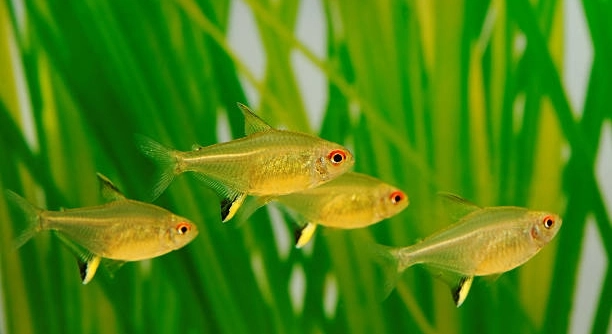
Lemon tetras are small, lively fish that bring a splash of color to any aquarium. Watching them swim together is enjoyable, yet feeding time can sometimes show unexpected behaviors among these tiny creatures.
Lemon tetras may compete for food, especially when multiple fish are present in the same tank. Their natural schooling instincts and quick swimming habits can cause them to chase each other and reach food first, influencing feeding dynamics in the aquarium.
Understanding their behavior during meals can improve feeding routines and help maintain harmony in your tank’s community of fish.
Feeding Behavior of Lemon Tetras
Lemon tetras are active swimmers who enjoy small, frequent meals. In a tank, they often chase each other when food is introduced. This is not aggression, but a natural instinct to secure nutrients. They are schooling fish, so movement is synchronized, and some individuals may get more than others. It is common to see a few fish darting for flakes while others linger behind. Over time, tetras can learn feeding patterns, recognizing the presence of a hand or feeder. Their competition is subtle compared to larger fish, but it can still affect smaller or weaker individuals. Using floating and sinking foods helps distribute meals evenly. Observing them during feeding can reveal which fish are dominant in accessing food. Adjusting the feeding schedule or using multiple feeding points can reduce stress and ensure all tetras get adequate nutrition. Consistency in feeding keeps the group calm and balanced.
Providing a mix of flakes and tiny live foods ensures proper nutrition and keeps all tetras active.
For those keeping a small school, noticing feeding habits early can prevent uneven growth. It is also helpful to maintain a regular feeding schedule to reduce stress during mealtime. Lemon tetras respond well to routine, and a stable environment promotes both their health and their peaceful schooling behavior. Using small portions avoids leftovers that may pollute the water. This balance ensures all fish thrive and keeps the tank environment clean.
Reducing Competition During Feeding
Splitting food into multiple spots in the tank helps minimize racing and fighting.
Introducing food gradually allows slower fish to access it without stress. Placing flakes in different areas gives everyone a fair chance. Observation is key; you may notice certain fish consistently miss out, which signals the need for adjustment. Supplementing with sinking pellets or live food can attract lower swimmers. Adjusting water flow and hiding spots can also encourage timid fish to eat. In some cases, temporarily separating particularly aggressive feeders during meals can help balance intake. Feeding smaller amounts more often works better than a single large portion, ensuring each tetra receives proper nutrition. Over time, these small changes create a calmer, more balanced feeding environment, allowing all lemon tetras to grow healthily and maintain their bright colors.
Common Signs of Food Competition
Lemon tetras may show fast swimming, chasing each other, or snatching food quickly. Some fish may linger and miss meals. Unequal growth or slight stress behaviors often indicate competition during feeding. Observing these signs helps address the issue early and maintain a balanced tank.
Stress from food competition can affect weaker or smaller tetras. When a few dominate feeding spots, others may struggle to get enough nutrition. This can lead to slower growth, duller colors, and less activity. Over time, a pattern forms where the more aggressive fish consistently get more, while timid ones fall behind. Adjusting feeding methods and observing behavior can prevent long-term issues. Providing multiple feeding points or mixing floating and sinking foods helps reduce stress and ensures all fish receive enough nutrients.
Adjusting the tank environment also helps balance feeding. Placing plants, rocks, or hiding spots near feeding areas allows slower fish to eat safely. Spreading food across the tank ensures no single group dominates. Smaller, frequent meals encourage all tetras to feed properly. Monitoring their response to these adjustments allows subtle changes to improve equality. Over weeks, these small efforts result in calmer, healthier fish and better schooling behavior.
Tips to Minimize Competition
Using multiple feeding locations reduces crowding and allows slower fish access to food.
Offering a variety of food types ensures every tetra gets what they need. Flakes, tiny pellets, and occasional live foods cater to different feeding styles. Splitting food across several areas prevents dominant fish from taking everything. Adjusting meal times to twice or three times a day improves accessibility for timid fish. Providing floating and sinking foods accommodates surface and mid-level swimmers. Observing fish behavior during meals allows further adjustments for balance. In some cases, rearranging tank decorations helps create safe feeding spots for shy individuals. Over time, these small changes foster a peaceful, well-fed school of lemon tetras.
Feeding Schedules
Consistent feeding times help lemon tetras settle into a routine. Predictable meals reduce chasing and stress, giving all fish a fair chance to eat without sudden bursts of competition.
Twice a day is often sufficient. Smaller portions prevent leftover food from polluting the tank and keep water quality stable.
Choosing the Right Food
A mix of flakes, tiny pellets, and occasional live or frozen foods ensures balanced nutrition. Flakes float, while pellets sink, allowing both surface and mid-level swimmers to feed properly. Live foods stimulate natural hunting instincts and encourage activity, promoting healthier, more colorful tetras over time.
Observing Individual Fish
Watching each tetra during feeding helps identify shy or slower eaters. Early attention prevents long-term nutritional gaps and keeps the school balanced.
FAQ
Do lemon tetras always compete for food?
Not always. Lemon tetras naturally swim in groups, which sometimes leads to mild competition during feeding. Most of the time, their chasing is just a part of schooling behavior. With consistent feeding routines and proper distribution of food, all fish can eat without constant stress.
How can I tell if some tetras are not getting enough food?
Watch for smaller, weaker fish hanging back during feeding. They may have duller colors or slower growth compared to the more active fish. Uneven feeding can cause long-term health issues if not addressed. Spreading food around the tank helps even out intake.
What types of food are best to reduce competition?
A combination of flakes, tiny sinking pellets, and occasional live or frozen foods works best. Flakes float for surface feeders, pellets reach mid-level swimmers, and live foods encourage natural hunting instincts. Offering variety allows all tetras to find suitable food.
Should I feed multiple times a day?
Yes. Feeding two or three smaller portions instead of one large meal helps reduce rush and competition. Smaller, frequent meals give shy fish a chance to eat and prevent leftovers from fouling the water. Consistent timing also keeps tetras calm.
Does tank size affect food competition?
Absolutely. Crowded tanks increase chasing and stress during feeding. Lemon tetras need space to swim and access multiple feeding points. Providing a larger tank or spreading food across different areas reduces competition and supports healthier growth.
Can dominant tetras be separated during feeding?
Temporarily separating overly aggressive fish is an option for serious competition. This allows slower fish to eat properly. Some hobbyists use small net enclosures or feeding dishes for short periods. After meals, fish can return to the main tank without long-term stress.
Do plants and decorations help during feeding?
Yes. Hiding spots created by plants or rocks give timid fish safer areas to eat. Spreading food near these zones encourages slower fish to feed without being chased. Decorations can also break lines of sight, reducing dominance displays during mealtime.
Will live food reduce competition naturally?
Live food can encourage natural hunting and slow down overly aggressive feeding. It allows more fish to chase independently rather than crowding a single spot. However, dominance can still occur, so multiple feeding points and careful observation remain important.
Can overfeeding make competition worse?
Not usually. Overfeeding may reduce urgency but can pollute water and cause health problems. The goal is controlled portions distributed evenly. Balanced amounts prevent both starvation and water quality issues, keeping all tetras healthier.
How long does it take for tetras to adjust to a new feeding routine?
Most tetras adapt within a week or two. Consistency in timing, food type, and distribution helps them settle. Observing behavior during this period ensures slower or shy fish are not left out. Small adjustments in food placement can make a big difference.
Is competition different with other species in the tank?
Yes. Lemon tetras are peaceful but may struggle if housed with faster or more aggressive species. Choosing compatible tank mates and monitoring feeding times prevents food monopolization and stress, allowing tetras to thrive.
How important is water quality in reducing competition?
Very important. Poor water quality stresses all fish, increasing urgency during feeding. Clean, well-filtered water supports calmer behavior and healthier appetites. Regular maintenance, water changes, and monitoring help maintain balance during meals.
What signs show that competition is under control?
Calm swimming, equal access to food, and healthy growth in all fish indicate reduced competition. Colors are vibrant, and shy fish feed without hesitation. Maintaining this environment ensures a peaceful, well-fed school of lemon tetras.
Are there tools to help distribute food evenly?
Yes. Automatic feeders, feeding rings, or simply scattering food manually across the tank work well. Multiple points of access prevent a single group from dominating, keeping all fish active and nourished.
Can competition affect breeding?
It can. If weaker fish consistently miss meals, their health and energy levels drop, reducing reproductive success. Ensuring equal feeding improves overall fitness and increases chances of successful spawning.
Does tank size or decoration affect competition long-term?
Yes. Larger tanks with varied terrain naturally reduce conflict. Plants, rocks, and other decorations create zones where timid fish can feed safely. Over time, these adjustments support balanced behavior and healthier schooling patterns.
How can I tell if a feeding routine is working?
All fish should have access to food, show active swimming, and maintain vibrant colors. Unequal growth or hesitation at feeding time indicates adjustments are needed. Monitoring closely helps maintain a healthy and peaceful environment.
Is it normal for some tetras to eat faster than others?
Yes. Natural differences in speed and assertiveness occur. Fast eaters may grab food first, but careful distribution and multiple feeding points allow slower fish to catch up without stress or malnutrition.
What is the best long-term strategy to reduce food competition?
Consistent routine, multiple feeding locations, varied food types, and environmental enrichment like plants and hiding spots create balance. Regular observation and adjustments ensure all tetras grow evenly and remain healthy, calm, and active in the tank.
How often should I observe feeding behavior?
Daily observation during meals is ideal, at least for the first few weeks after changes. This helps identify shy or struggling fish and allows timely adjustments to feeding locations, portion sizes, or tank layout to maintain harmony.
Final Thoughts
Lemon tetras are lively, colorful fish that bring energy to any aquarium. Watching them swim together is enjoyable, but feeding time can reveal unexpected behaviors. Even though they are generally peaceful, competition for food is a normal part of their behavior. It often shows as fast swimming, chasing, or snatching food quickly. This is not aggression in the usual sense, but an instinct to make sure each fish gets its share. Over time, these patterns can affect weaker or slower fish, making it important to observe their habits carefully. Noticing which fish struggle during meals allows adjustments before any long-term health issues develop.
Providing a proper feeding routine can make a big difference. Smaller, more frequent meals give timid fish a chance to eat and prevent dominant fish from taking everything. Using a combination of flakes, sinking pellets, and occasional live or frozen foods ensures that both surface and mid-level swimmers have access to nutrition. Spreading food across multiple points in the tank is also helpful, especially in crowded setups. Plants, rocks, and other decorations can create safe zones for shy fish to feed without being chased. These small changes often lead to calmer, healthier fish and improve the overall harmony in the tank. Consistency is key—tetras thrive when they can predict mealtime and access food without stress.
Maintaining water quality, monitoring fish behavior, and adjusting tank conditions are equally important. Poor water quality or overcrowding can make competition worse, while a clean, well-organized tank reduces stress during meals. Over time, observing feeding behavior allows you to identify patterns, such as which fish consistently eat more and which ones need extra attention. With careful attention, all lemon tetras can receive proper nutrition, maintain vibrant colors, and grow evenly. In the long run, feeding strategies, tank setup, and careful observation combine to support a peaceful and thriving school of lemon tetras, keeping both their health and behavior balanced.

Hello,
If you enjoy the content that we create, please consider saying a "Thank You!" by leaving a tip.
Every little bit helps us continue crafting quality advice that supports the health, happiness, and well-being of pets around the world, for pets of all shapes, sizes, and species.
We really appreciate the kindness and support that you show us!