
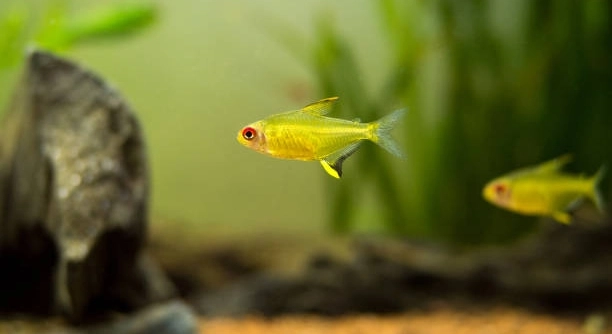
Do you ever find yourself fascinated by the bright yellow glow of lemon tetras in your aquarium? These small, lively fish are often misunderstood, and many common beliefs about their care are simply myths floating around.
Lemon tetras are hardy, social fish, but misconceptions about their diet, tank size, and compatibility can lead to improper care. Correct knowledge ensures their health, promotes a balanced environment, and supports their natural behavior in home aquariums.
Understanding the truth behind these myths can help you create a better habitat and enjoy the beauty of your lemon tetras fully.
Myth 1: Lemon Tetras Only Eat Flakes
Many people assume lemon tetras can survive solely on flakes. While flakes are convenient and provide basic nutrition, relying on them alone can lead to nutrient deficiencies. These fish thrive on a varied diet that includes small live or frozen foods, such as brine shrimp and daphnia. Supplementing with finely chopped vegetables or algae wafers also adds essential vitamins and minerals. Feeding only flakes can reduce their color vibrancy and overall health, making them more prone to stress and disease. Observing their eating habits helps you adjust portions and avoid overfeeding. A mix of high-quality flakes, occasional live food, and plant-based options ensures balanced nutrition. Rotating food types also encourages natural foraging behavior and keeps them active. Lemon tetras have small mouths, so providing appropriately sized food is important. Over time, a varied diet can enhance their longevity and improve their energy levels. Creating a feeding schedule also helps maintain water quality in the tank.
A balanced diet is essential for lemon tetras to maintain health, bright coloration, and proper energy levels.
Feeding variety is key. Combining flakes, frozen foods, and plant-based options supports their growth, improves immune function, and keeps their behavior lively. Overfeeding must be avoided, and observing individual preferences helps tailor their diet effectively, ensuring long-term well-being and a thriving aquarium environment.
Myth 2: Lemon Tetras Can Live Alone
Some aquarium owners think lemon tetras do well as single fish. In reality, they are schooling fish and feel stressed when isolated. Their natural behavior relies on being in groups, which helps them feel secure and confident. Keeping only one or two can lead to hiding, reduced activity, or even illness due to stress. A minimum of six is recommended, as it allows for proper social interaction and reduces aggressive tendencies. Group living also enhances their natural swimming patterns and displays their best colors. When housed in larger groups, they establish social hierarchies naturally without human intervention. Observing their interactions helps identify bullying or dominance issues early. Pairing them with compatible tank mates also supports a peaceful environment. A well-planned school improves water circulation, keeps the tank visually appealing, and provides a sense of natural dynamics similar to their habitat in rivers.
Social behavior is vital; lemon tetras thrive in groups and can suffer health issues when kept alone.
Proper group management ensures lemon tetras display natural behaviors, reduce stress, and maintain bright colors. Choosing compatible companions and monitoring interactions prevent conflicts, support active swimming, and create a harmonious, dynamic aquarium that mimics their native environment. This careful planning promotes long-term health and enjoyment of the tank.
Myth 3: Lemon Tetras Can Tolerate Any Water Conditions
Lemon tetras are more adaptable than some fish, but extreme water changes can stress them. Maintaining stable temperature, pH, and hardness ensures their health. Sudden fluctuations can lead to illness or weakened immune response.
While lemon tetras tolerate a range of conditions, stability is essential. Ideal water temperature is between 72-78°F, with pH around 6.5-7.5. Hardness should remain moderate. Regular monitoring prevents harmful spikes in ammonia or nitrites. Even small, frequent water changes are better than large, infrequent ones, as they maintain consistent chemical balance. Using a quality filter and avoiding overcrowding further protects them from stress. A well-maintained tank allows them to swim actively, display bright colors, and interact naturally.
Water parameters directly affect lemon tetras’ health and behavior. Inconsistent conditions can trigger stress, reduce appetite, and weaken immunity. Monitoring temperature, pH, and hardness ensures their well-being. A stable environment promotes proper schooling, natural feeding habits, and vibrant appearance, enhancing their overall life expectancy.
Myth 4: Lemon Tetras Don’t Need Hiding Places
Lemon tetras enjoy open swimming areas, but they also require plants, rocks, or decorations to retreat to. Lack of cover can cause anxiety and erratic swimming. Proper hiding spots support both social and individual behaviors.
Providing ample hiding spaces improves their confidence and reduces stress. Live plants, driftwood, and small caves allow them to explore safely. Hiding areas are crucial during feeding, as they can retreat if larger tank mates dominate. Plants also aid water quality by absorbing nitrates, making the tank healthier. Arranging decorations in layers or clusters creates natural boundaries, giving each fish a sense of territory. Even in a small aquarium, careful placement of objects ensures open swimming space while maintaining security. Observing their use of these spaces helps adjust the layout over time.
Hiding places enhance lemon tetras’ well-being, allowing them to feel secure and maintain natural behaviors. Proper tank design encourages exploration, reduces stress, and supports social interaction. Combining plants, rocks, and small shelters balances open swimming areas with safety, creating a more dynamic and healthy environment for the school.
Myth 5: Lemon Tetras Are Aggressive
Lemon tetras are generally peaceful fish. Aggression is uncommon unless they feel stressed, overcrowded, or housed with incompatible tank mates. Maintaining proper group size and compatible species prevents conflicts and promotes harmony in the tank.
Aggression often results from environmental stress rather than natural temperament. Overcrowding, poor water quality, or lack of hiding places can trigger defensive behaviors. Keeping at least six lemon tetras in a properly sized tank with calm companions minimizes these risks. Observing their interactions helps identify minor disputes before they escalate. Providing sufficient space, plants, and decorations ensures that all fish can establish comfort zones. When housed correctly, lemon tetras coexist peacefully, swim actively, and display bright colors without signs of hostility or territorial dominance.
Myth 6: Lemon Tetras Don’t Require Special Lighting
Lighting affects lemon tetras’ color and behavior. Moderate, consistent lighting helps maintain their natural yellow glow and supports plant growth if live plants are present in the tank. Proper light duration prevents stress and encourages normal activity.
Myth 7: Lemon Tetras Can Live in Tiny Tanks
Small tanks often seem convenient, but lemon tetras need space to swim freely. Crowded conditions lead to stress, stunted growth, and higher disease risk, making adequate tank size essential.
How many lemon tetras should I keep together?
Lemon tetras are schooling fish and feel most comfortable in groups. Keeping at least six is recommended to support social behavior and reduce stress. Smaller numbers can lead to hiding, lethargy, or anxiety. Larger groups are ideal for displaying natural swimming patterns and vibrant colors.
What tank size is best for lemon tetras?
A tank of 20 gallons or larger is recommended for a small school of lemon tetras. This provides enough swimming space and allows room for decorations, plants, and hiding spots. Overcrowding can increase aggression, stress, and risk of disease. A well-planned tank ensures their health and comfort.
What water parameters do lemon tetras need?
Lemon tetras prefer a temperature between 72-78°F, pH around 6.5-7.5, and moderate water hardness. Stability is more important than exact numbers. Sudden fluctuations can stress them, weaken immunity, and reduce lifespan. Regular testing and partial water changes help maintain a healthy environment.
What should I feed lemon tetras?
A varied diet is key. High-quality flakes or pellets can be supplemented with live or frozen foods like brine shrimp, daphnia, and bloodworms. Occasionally offering finely chopped vegetables or algae wafers provides extra nutrients. Feeding small portions several times a day prevents overfeeding and keeps the tank clean.
Do lemon tetras need special lighting?
Moderate, consistent lighting helps enhance their natural yellow color and encourages normal behavior. It also supports live plants, which contribute to water quality. Avoid extremely bright or inconsistent lighting, as it can cause stress and lead to hiding or erratic swimming.
Can lemon tetras live with other fish?
Yes, but choose peaceful tank mates of similar size. Avoid large or aggressive species that might bully or eat them. Suitable companions include other small tetras, rasboras, and small peaceful catfish. Maintaining compatible species helps reduce stress and encourages natural schooling behavior.
How often should I clean the tank?
Perform partial water changes weekly, around 20-25% of the tank volume. Cleaning the substrate and filter as needed helps remove waste and prevent harmful chemical buildup. Regular maintenance reduces the risk of disease and keeps the environment stable for lemon tetras.
Do lemon tetras need hiding spots?
Yes, even though they swim in open areas, they rely on plants, rocks, or small caves to feel secure. Hiding places reduce stress, support social hierarchies, and provide shelter during feeding or when tank mates act unpredictably.
Why are my lemon tetras losing color?
Color loss often signals stress, poor water quality, or inadequate diet. Ensuring stable water parameters, proper nutrition, and sufficient lighting helps restore vibrancy. Group living and reducing overcrowding also improve color and overall activity levels.
Can lemon tetras live alone?
No, they are social fish and need a school to feel secure. Keeping a single fish leads to stress, hiding, and reduced activity. A proper group allows them to swim naturally, interact socially, and maintain good health.
How long do lemon tetras live?
With proper care, lemon tetras typically live 3-5 years. Maintaining stable water conditions, providing a varied diet, and keeping them in suitable social groups contributes to longevity. Regular observation and prompt attention to health issues also extend their lifespan.
What are common health issues for lemon tetras?
Stress, poor water quality, and improper diet are the main causes of illness. Signs include faded color, clamped fins, lethargy, or erratic swimming. Quarantining new fish, maintaining clean water, and feeding a balanced diet prevent most common problems.
How can I encourage natural behavior in lemon tetras?
Providing open swimming areas, plants, and a varied diet encourages schooling, foraging, and exploration. Maintaining a stable environment with proper tank mates allows them to display natural behaviors and remain active. Observing their interactions helps ensure the group is healthy and thriving.
Do lemon tetras breed in home aquariums?
Breeding is possible under controlled conditions. A separate breeding tank with slightly acidic water, fine-leaved plants, and soft lighting increases success. Adults should be conditioned with live foods. Eggs are usually scattered and need protection, as adults may eat them.
Is overfeeding harmful to lemon tetras?
Yes, overfeeding causes water quality issues, obesity, and health problems. Feeding small portions multiple times a day, removing uneaten food, and maintaining a proper diet balance prevents these issues and keeps the aquarium clean and safe.
How can I reduce stress in lemon tetras?
Stress is minimized by keeping a proper group, maintaining stable water parameters, providing hiding spots, and choosing compatible tank mates. Avoid sudden changes in temperature or lighting, and handle the fish as little as possible to keep them healthy and active.
Lemon tetras are small, vibrant fish that bring life and movement to any aquarium. Despite their size, they have specific needs that must be met to ensure they thrive. Many common beliefs about their care are inaccurate, and following misinformation can lead to stress, illness, or even death. Understanding their natural behaviors and environmental requirements is essential for anyone keeping them. These fish are schooling creatures, which means they feel most secure and display their natural colors when kept in groups of six or more. Isolating them or keeping them in too small a tank can result in hiding, lethargy, and a weakened immune system. By providing the correct group size, owners can observe their schooling patterns, social interactions, and playful movements, which are key indicators of their well-being.
Proper nutrition plays an equally important role in the health of lemon tetras. While flakes or pellets provide basic sustenance, relying solely on these can cause deficiencies over time. Supplementing their diet with live or frozen foods like brine shrimp or daphnia, along with occasional plant-based options, ensures they receive the vitamins and minerals necessary for energy, color vibrancy, and overall health. Monitoring feeding amounts is also crucial, as overfeeding can pollute the tank and lead to health issues. Observing how your fish interact with different foods allows you to adjust portions and provide a balanced diet that encourages natural foraging behavior. Maintaining a varied diet alongside clean, stable water conditions promotes longevity and helps the fish remain active and visually striking.
Environmental factors like water quality, tank size, and the availability of hiding places directly impact lemon tetras’ health and comfort. Stable temperature, pH, and hardness levels reduce stress and prevent illness. Providing decorations, plants, and small shelters creates secure areas for retreat and supports their natural behaviors. Lighting should be moderate and consistent, highlighting their yellow coloration without causing stress. Even the choice of tank mates matters; peaceful companions of similar size prevent conflict and allow a harmonious community. Regular maintenance, including partial water changes and monitoring chemical levels, ensures a stable and healthy environment. By understanding and addressing these needs, owners can enjoy lively, healthy lemon tetras that display their natural beauty while living in a stress-free, well-balanced aquarium.

Hello,
If you enjoy the content that we create, please consider saying a "Thank You!" by leaving a tip.
Every little bit helps us continue crafting quality advice that supports the health, happiness, and well-being of pets around the world, for pets of all shapes, sizes, and species.
We really appreciate the kindness and support that you show us!