
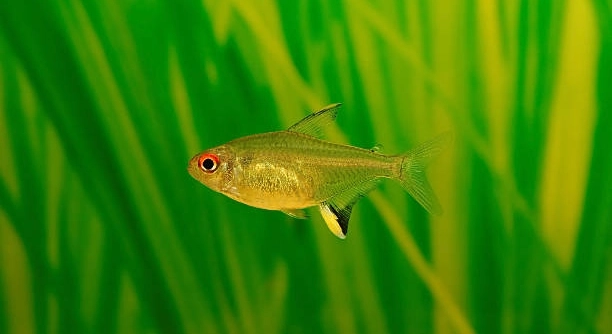
Do you ever feel a bit unsure about bringing new Lemon Tetra into your aquarium setup, especially when you want them to adjust smoothly and stay healthy in their new space right from the start?
Safely introducing Lemon Tetra involves gradual acclimation focused on stabilizing water parameters, minimizing stress, and observing behavioral changes during transition. Following a structured process reduces health risks, supports adaptation, and promotes harmony within the aquarium environment for the new fish.
Learning these simple steps will help you create a calm process that keeps your Lemon Tetra comfortable as they settle.
Step 1 – Prepare the Aquarium Environment
Preparing the aquarium environment is the first thing to focus on when welcoming new Lemon Tetra. Start by making sure the tank is clean and stable, without sudden movement or sharp changes that could unsettle them. A calm setup supports their adjustment and gives them space to find comfort as soon as they arrive. Check the filter, clear loose debris, and keep lighting gentle so their first moments feel steady rather than harsh. Confirm that hiding spots are available, since small fish rely on simple shelter while adapting to new surroundings. Take a moment to observe the tank and ensure calm water flow that will not overwhelm them. Adding a few soft plants can also help them feel secure as they settle into their new home. These small steps help create a peaceful setting that encourages healthy behavior from the start, setting a stable tone for the next steps nicely.
A prepared tank reduces unnecessary stress and keeps the new Lemon Tetra stable during their first hours. Keeping the environment gentle helps them adapt without tension building. Small adjustments made early support their comfort and protect their overall well-being as they become part of the setup each day with ease.
Once the environment is set, you can focus on watching how the Lemon Tetra react to the stable space you created. They usually settle more quickly when the surroundings feel consistent. Take time to move slowly around the tank during these early stages, since sudden activity can unsettle them. Noticing their swimming patterns helps you understand whether they feel safe. When they glide calmly between plants and hiding spots, it shows they are adjusting well to new conditions. This careful approach builds comfort and reduces the chance of early stress that could affect their overall health in their new space.
Step 2 – Stabilize Water Parameters
Stabilizing water parameters is essential for keeping Lemon Tetra comfortable during introduction. Consistent values prevent unnecessary strain and allow them to settle into the tank safely. Maintaining reliable conditions protects their health and prepares them for the next steps of the process as they adjust to their surroundings fully today.
Balancing water parameters requires attention to detail, but it makes a noticeable difference in how Lemon Tetra handle the transition. Begin by ensuring temperature, pH, and hardness match the water they previously lived in. Sudden shifts can trigger stress, so gradual alignment is the safest method. Use a reliable test kit to check the values before adding the fish to the tank. Make small adjustments, giving the water enough time to stabilize before moving forward. Keeping temperature steady prevents shock that could unsettle their behavior. Matching pH helps them breathe comfortably and supports healthy function. Maintaining proper hardness ensures that minerals stay balanced for their needs. Even slight inconsistencies can affect their comfort, so monitoring each factor matters. Allow the tank to sit for a short period after making changes, letting everything settle. Once the water holds steady, you can continue the introduction process with confidence. This careful preparation supports a smoother experience for the Lemon Tetra and gives them a stronger start in their new environment, helping them feel safe as they adapt. Keeping a gentle routine during this stage allows the fish to relax respond naturally and adjust at a comfortable pace without unnecessary tension affecting their progress.
Step 3 – Acclimate the Lemon Tetra Gradually
Acclimating the Lemon Tetra slowly helps them handle changes without feeling overwhelmed. A gentle process lowers stress and gives their bodies time to adjust to new conditions. This step protects their health and encourages calm behavior as they enter the tank.
Begin by floating the sealed bag in the aquarium so the temperature can align without pressure on the fish. After several minutes, open the bag and add small amounts of tank water at steady intervals. This softens any differences in water chemistry. Repeat until most of the water in the bag is from the tank. Move the Lemon Tetra carefully with a net rather than pouring the bag water into the aquarium. This limits unwanted substances from entering the tank and keeps everything cleaner. Slow acclimation supports smoother adaptation and helps the fish find balance during their first moments in their new space.
Take a little time to watch the Lemon Tetra after transfer. Their breathing should be steady and their swimming calm. If they linger near plants or drift quietly, they may still be adjusting, and that is normal. Avoid tapping the glass or making sudden movements around the tank. Allowing them this quiet period helps them recover from transport. Keeping lights soft also supports their comfort as they settle. These small choices ensure they adapt safely and respond positively during the early hours.
Step 4 – Introduce the Fish Without Stress
Introducing the Lemon Tetra without stress is essential for maintaining their comfort. A gentle release into the tank supports their confidence and prevents unnecessary tension. Giving them time to explore at their own pace helps them feel secure as they begin adapting to the environment.
Place the fish in the tank with slow movements so they experience minimal disturbance. Avoid loud noises and quick activity nearby since these can unsettle them during their first minutes inside the aquarium. Keep the environment calm and allow them to swim freely as they orient themselves. Watch their movements closely without hovering. Calm gliding and soft schooling show they are adjusting well. Sudden darting or hiding might mean they need a little more quiet time. Maintaining gentle lighting and steady water flow will support their comfort as they settle. These careful steps help them build confidence and find balance in their new surroundings, allowing the introduction to go smoothly without unnecessary complications.
Step 5 – Observe Their Behavior Closely
Observing behavior helps you understand how the Lemon Tetra handle the transition. Calm swimming and steady breathing show they are settling well. If they hide often or move in quick bursts, they may still be adjusting and need a quieter environment.
Monitor how they interact with existing tank mates. Gentle schooling is a good sign, while chases or constant separation may indicate stress. Keeping the tank peaceful during this stage supports their comfort and lets you respond quickly if something seems off, ensuring their introduction continues smoothly.
Step 6 – Maintain a Consistent Feeding Routine
Keeping the feeding routine steady helps the Lemon Tetra feel secure. Small, simple meals reduce pressure and prevent overfeeding. Offer food they are familiar with at regular times so they can adjust without confusion. Watch how quickly they eat since slow reactions may signal stress. Make sure excess food is removed to protect water quality during their adjustment period. A calm approach to feeding helps them maintain energy as they settle, allowing them to build confidence and stay healthy while adapting to their new surroundings without unnecessary strain affecting their comfort.
Step 7 – Monitor Long-Term Health and Stability
Monitoring long-term health ensures the Lemon Tetra continue to thrive. Regular checks of water quality, behavior, and feeding habits help you catch early changes before they grow into problems. Staying consistent supports their comfort and keeps the tank stable for them.
FAQ
How long should I acclimate new Lemon Tetra before releasing them into the tank?
Acclimation should take at least 1–2 hours, depending on water differences. Start by floating the sealed bag in the aquarium for 15–20 minutes to equalize temperature. Gradually add small amounts of tank water to the bag every 5–10 minutes. Continue until most of the water in the bag is from the tank. Avoid rushing the process, as rapid changes in temperature or water chemistry can stress the fish and affect their health. Slow, careful acclimation gives them time to adjust, reducing the likelihood of illness or shock. This approach also allows you to observe their behavior for any immediate signs of stress, such as rapid gill movement or frantic swimming.
Can Lemon Tetra live with other small community fish?
Yes, Lemon Tetra are peaceful schooling fish that do well with other non-aggressive species. Ideal tank mates include other tetras, rasboras, small gouramis, and peaceful catfish. Avoid large or aggressive fish that could chase or harm them. Providing plenty of hiding spots and plants helps reduce tension in mixed tanks. Monitoring interactions during the first few days is important. Calm schooling behavior and normal feeding indicate that they are adjusting well to their new companions. If you notice constant chasing or hiding, you may need to separate them temporarily.
What is the ideal water temperature for Lemon Tetra?
Lemon Tetra thrive in water between 72°F and 78°F (22°C–26°C). Keeping the temperature stable within this range helps prevent stress and promotes healthy activity. Avoid sudden changes, as fluctuations can weaken their immune system. Using a reliable heater and thermometer ensures consistency. Gradual changes can be made if necessary, but they should be small and spaced out over hours. Stable water temperature supports their metabolism, feeding patterns, and overall behavior.
How often should I feed new Lemon Tetra?
Feed small amounts 1–2 times per day, offering only what they can eat in a few minutes. Overfeeding can pollute the water and harm their health. Use a balanced diet of high-quality flakes, micro-pellets, or occasional frozen foods. Observing their response during the first days helps you adjust portions. Avoid leaving uneaten food in the tank, as it can lead to ammonia buildup. A consistent feeding schedule helps them feel secure and encourages normal behavior.
What signs show that Lemon Tetra are stressed?
Stress signs include rapid or heavy breathing, hiding constantly, erratic swimming, or loss of appetite. Faded color or clamped fins can also indicate discomfort. Early detection is crucial to prevent illness. Check water quality, temperature, and tankmates if these behaviors appear. Addressing these issues promptly can help the fish recover quickly. Stress can also appear after sudden environmental changes, so maintaining stability is key.
How many Lemon Tetra should I keep together?
Lemon Tetra are schooling fish and feel safest in groups of six or more. Small numbers can lead to stress and awkward behavior. Larger groups allow them to display natural schooling patterns, feel secure, and reduce bullying or isolation. Observing their group dynamics helps you ensure everyone is adapting well and swimming in harmony.
Do Lemon Tetra require special lighting or plants?
Moderate lighting works best, paired with plenty of plants or hiding spots. Plants help them feel secure and reduce stress while adding oxygen to the water. Avoid overly bright lights during their first days, as sudden exposure can be overwhelming. Soft lighting encourages calm behavior and normal activity levels.
How long does it take for new Lemon Tetra to fully adjust?
Adjustment usually takes 1–2 weeks, depending on their temperament and tank conditions. During this period, observe their behavior, feeding, and interactions with other fish. A calm, stable environment shortens the stress period and promotes confidence. Avoid major changes during this time, such as rearranging decorations or introducing new fish, to prevent setbacks in their adaptation.
What should I do if a Lemon Tetra falls ill after introduction?
Isolate the affected fish in a quarantine tank if possible. Test water parameters to rule out environmental causes, and treat any disease according to professional guidance. Monitor feeding, swimming, and respiration closely. Early intervention increases the chance of recovery. Maintaining a clean tank and reducing stress during the introduction process can prevent illness before it starts.
Can I add other new fish while introducing Lemon Tetra?
It is best to introduce Lemon Tetra first, then add other new fish later. Adding multiple species simultaneously can increase stress and make acclimation harder. Gradual introductions let each species adjust safely and reduce the risk of aggression or disease spreading. Observing each group separately ensures they adapt without complications.
Are there special considerations for water pH and hardness?
Yes, Lemon Tetra prefer a slightly acidic to neutral pH (6.5–7.5) and soft to moderately hard water. Sudden shifts in pH or hardness can stress the fish and impact health. Regular testing and gradual adjustments keep conditions safe. Consistency in these parameters supports feeding, schooling, and long-term well-being.
What is the best way to clean the tank after introducing new fish?
Maintain a gentle cleaning routine to avoid disturbing them. Partial water changes, soft vacuuming of debris, and careful filter maintenance help preserve water quality without stressing the fish. Avoid deep cleaning or rearranging decorations during the first week, as stability is more important than perfection. Regular maintenance supports long-term health and reduces potential stress-related problems.
This FAQ provides the most common practical guidance for safely introducing and caring for Lemon Tetra while maintaining a calm and stable aquarium environment. Following these tips supports their health, comfort, and adaptation.
Final Thoughts
Introducing new Lemon Tetra into your aquarium can feel like a lot of work at first, but taking careful, gradual steps makes the process much smoother. Preparing the tank, stabilizing water conditions, and providing hiding spots all create a safe and comfortable environment for them. Small changes, such as checking the temperature and pH, might seem minor, but they make a big difference in how well the fish adjust. Lemon Tetra are sensitive to sudden shifts in their surroundings, so keeping everything stable from the start prevents unnecessary stress. Even simple actions, like floating the bag in the tank to match temperatures or slowly adding tank water to the bag, help them settle in more easily. These steps may feel repetitive, but following them consistently ensures that the fish remain healthy and start exploring their new home with confidence. Watching them adjust calmly in a prepared tank is always reassuring, and it shows that the effort you put into preparation pays off.
Observing their behavior during the first days is just as important as preparing the environment. Lemon Tetra show clear signs when they are comfortable, such as gentle schooling, smooth swimming, and normal feeding patterns. On the other hand, hiding excessively, rapid gill movements, or frantic swimming indicate stress. Keeping a close eye allows you to intervene early if something is off, whether it’s adjusting water parameters, modifying the tank setup, or giving them a quieter space. Maintaining a consistent feeding schedule helps the fish feel secure, and offering the right type of food keeps them energetic and healthy. The more stable their environment and routine, the quicker they adapt. Even small daily observations can give you confidence that the new additions are adjusting well, and this attention can prevent minor issues from becoming major problems.
Long-term care is the final piece in keeping Lemon Tetra happy and healthy. Once they are settled, continuing to monitor water quality, feeding habits, and interactions with other fish ensures that problems are caught early. They thrive best in groups, so keeping them in small schools helps them feel secure and promotes natural behavior. A calm and well-maintained tank reduces the risk of illness, encourages steady growth, and allows the fish to display their full color and activity. Simple maintenance routines, like partial water changes, cleaning the substrate, and checking the filter, support a stable environment for everyone in the tank. Over time, these steps become second nature and contribute to a peaceful aquarium where the Lemon Tetra can thrive. By approaching the introduction process thoughtfully and continuing careful care afterward, you create a healthy, balanced space where the fish can adapt naturally and live comfortably for years.

Hello,
If you enjoy the content that we create, please consider saying a "Thank You!" by leaving a tip.
Every little bit helps us continue crafting quality advice that supports the health, happiness, and well-being of pets around the world, for pets of all shapes, sizes, and species.
We really appreciate the kindness and support that you show us!