
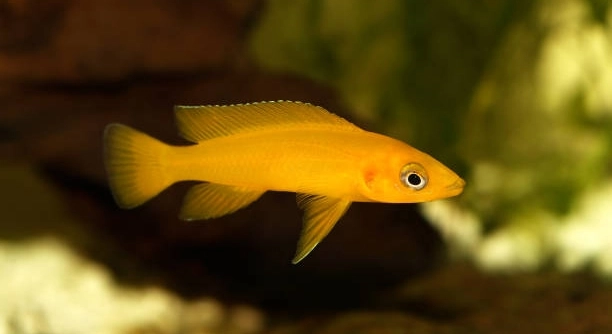
Do your Lemon Tetras swim around your aquarium with curiosity and energy, exploring every corner with their bright yellow hue? These small fish enjoy varied surroundings that provide both comfort and stimulation in their watery home.
Lemon Tetras are naturally drawn to decorations that offer hiding spots, visual interest, and gentle currents. Suitable elements include plants, driftwood, smooth rocks, caves, and floating ornaments, which encourage exploration while maintaining their health and reducing stress.
Understanding which decorations attract Lemon Tetras can enhance their activity and well-being. The following guide highlights seven options that will keep these fish happily engaged in their environment.
Live Plants
Live plants provide Lemon Tetras with natural hiding spots and areas to explore, creating a sense of security. Their bright yellow color stands out beautifully against green foliage, making the aquarium visually appealing. Fast-growing plants like hornwort or floating plants such as duckweed help maintain water quality by absorbing excess nutrients, reducing algae growth. Plants also create gentle currents when water flows through them, which encourages swimming and playful movement. Some Lemon Tetras like to nibble on softer leaves, giving them a small dietary supplement. Using a mix of tall and short plants allows the fish to choose between open swimming space and covered areas. Plant placement should avoid sharp leaves or dense clusters that could trap fish. Regular trimming keeps the aquarium organized while promoting healthier plant growth. Overall, live plants enhance both the aesthetics and the environmental quality of the tank, encouraging natural behaviors and activity.
Plants can transform an aquarium into a dynamic environment that Lemon Tetras actively explore and enjoy, improving their overall health and mood.
In addition to offering hiding places, live plants reduce stress by breaking sightlines in the tank. This helps the fish feel secure while exploring different areas. Floating plants provide surface cover, and submerged plants add depth. Lemon Tetras are small but active fish, so plants offer a mix of protection and space to swim freely. Plant roots can serve as surfaces for beneficial bacteria, further improving water conditions. Strategically placed plants guide movement, allowing fish to interact naturally with the environment while remaining visible for observation. Incorporating a variety of plant types ensures the tank stays visually interesting and biologically balanced, supporting the fish’s daily activity patterns. By combining aesthetics with function, live plants become an essential element that Lemon Tetras love to explore regularly.
Driftwood
Driftwood adds texture and natural complexity to the aquarium, creating nooks and crannies for Lemon Tetras to explore. Its rough surface encourages interaction while giving fish a place to hide from bright lighting or larger tankmates.
Using driftwood also slightly lowers pH in soft water setups, mimicking the fish’s native habitat. It provides surfaces for biofilm growth, which can serve as a grazing opportunity. Positioning pieces carefully ensures swimming paths remain open. Rounded, smooth pieces prevent injury while maintaining natural appeal. The combination of driftwood with plants or rocks creates multiple levels and hiding spots. Over time, driftwood can release tannins, tinting the water lightly, which can be beneficial for stress reduction and enhancing coloration. Choosing pieces without sharp edges or chemical treatments is essential for maintaining a safe environment. Lemon Tetras interact with the wood, swimming around, resting beneath overhangs, or exploring its surface, making driftwood both functional and decorative. Properly cleaned and placed driftwood can last years, supporting a lively, engaging tank for these small, active fish.
Smooth Rocks
Smooth rocks create small hiding spots and resting areas for Lemon Tetras, adding variety to the tank layout. Rounded surfaces prevent injury and allow fish to swim safely around them, encouraging exploration and natural behaviors.
Placing smooth rocks in clusters or along tank edges provides both shelter and curiosity points. Lemon Tetras often swim around and between rocks, using them as temporary cover or resting spots. Rocks with slight variations in height create micro-territories, which help reduce stress by allowing each fish some personal space. Avoid sharp or jagged rocks that could damage fins. Using natural-colored stones maintains a balanced aesthetic and complements live plants and driftwood. Rocks also serve as surfaces for algae growth, giving fish a small grazing opportunity. Regular cleaning prevents buildup of debris while maintaining the natural appeal of the arrangement. By carefully positioning rocks, the tank becomes more stimulating and safe for active Lemon Tetras.
In addition to hiding spots, smooth rocks help direct water flow and reduce strong currents in certain areas. Their presence encourages swimming patterns that mimic natural environments, keeping the fish engaged and comfortable. Rocks can be combined with driftwood or plants to create layered areas that enhance exploration, giving the aquarium depth and complexity. Lemon Tetras are small and agile, so properly sized and placed rocks allow free movement while offering protective cover. The texture and shape of the rocks create interaction opportunities that keep the fish active and entertained over time. This combination of function and aesthetic appeal makes smooth rocks a practical and decorative choice.
Caves and Ornaments
Caves and ornaments give Lemon Tetras structured hiding places while adding interest to the aquarium. Small openings allow fish to explore safely, reducing stress and encouraging natural behaviors.
Choosing caves with smooth edges and sizes appropriate for small fish ensures safety. These structures can be ceramic, resin, or natural stone, and they provide both resting and exploration spaces. Positioning multiple caves in different areas allows several fish to use them simultaneously, preventing territorial disputes. Ornaments with tunnels or arches mimic natural hiding spots, which can help timid fish feel more secure while adding visual variety to the tank. Some fish use caves during feeding or when water conditions feel less comfortable, making them an essential feature for maintaining consistent behavior patterns.
Caves also support biological balance by offering surfaces for beneficial bacteria to grow. These bacteria contribute to water quality, which is critical for the health of Lemon Tetras. Using caves alongside plants and driftwood creates a multi-dimensional layout, giving the tank depth and making exploration more engaging. Small caves near the substrate and taller ones closer to midwater provide variety in swimming paths. Ornaments can be strategically placed to create sheltered swimways or resting areas, encouraging natural schooling behavior. Over time, the fish become familiar with these spaces, actively interacting with them, which reduces stress and increases overall activity in the aquarium.
Floating Plants
Floating plants offer shade and surface cover, giving Lemon Tetras a sense of security. They create gentle water movement and soft lighting, making exploration more comfortable.
These plants help reduce stress by breaking up sightlines in the tank. Fish often swim underneath or between floating leaves, using them as temporary hiding spots while remaining active.
Leaf Litter
Leaf litter provides natural hiding areas and enriches the aquarium environment. Decomposing leaves release tannins, slightly tinting the water and mimicking the fish’s native habitat.
Leaf litter also supports beneficial microorganisms that Lemon Tetras can nibble on. It creates soft substrate zones where fish can rest and explore safely, enhancing natural behavior and interaction within the tank.
Small Drift Tubes
Small drift tubes act as tunnels and shelters for Lemon Tetras. They offer enclosed spaces for resting or hiding, encouraging curiosity and playful swimming patterns.
Marbles and Pebbles
Marbles and pebbles add texture and variety to the substrate. Smooth surfaces prevent injury while offering small spaces for Lemon Tetras to explore and interact with, stimulating natural behavior.
FAQ
What decorations do Lemon Tetras prefer the most?
Lemon Tetras are drawn to decorations that provide hiding spots, visual interest, and gentle currents. They enjoy live plants, smooth rocks, driftwood, caves, floating plants, leaf litter, and small tunnels. Each type of decoration allows them to explore and interact safely with their environment, reducing stress and encouraging natural swimming patterns.
Can Lemon Tetras live without decorations?
Technically, Lemon Tetras can survive in a bare tank with just water, food, and proper filtration. However, decorations are crucial for their mental stimulation and well-being. Lack of hiding spots and visual variety can lead to stress, lethargy, and even weakened immunity, making them less active and more prone to illness.
How do I arrange decorations for Lemon Tetras?
Arrange decorations in layers, combining tall and short plants with rocks, driftwood, and caves. Place hiding spots along tank edges while leaving open areas in the center for swimming. Vary heights and textures to encourage exploration and natural behavior. Ensure decorations have smooth edges to prevent injury and allow fish to swim freely.
Are there decorations to avoid for Lemon Tetras?
Avoid sharp-edged rocks, untreated driftwood with chemicals, and small ornaments that could trap fish. Decorations with rough or jagged surfaces can damage fins, while unstable items may shift and create hazards. It is best to use smooth, non-toxic materials designed for aquariums, prioritizing safety alongside visual appeal.
Do Lemon Tetras interact differently with live and artificial plants?
Yes. Live plants offer subtle currents, natural hiding spots, and surfaces for beneficial bacteria, which enhances their habitat. Artificial plants provide shelter but lack the environmental benefits of live plants. A mix of both can be used to balance aesthetics, maintenance, and functionality, keeping the fish engaged and active.
How many decorations are appropriate for a tank?
The number of decorations depends on tank size. Small tanks need fewer, carefully spaced decorations to avoid overcrowding. Larger tanks can accommodate multiple layers of plants, rocks, and caves. The goal is to create an environment with sufficient hiding spaces while maintaining open swimming areas for active schooling behavior.
Do Lemon Tetras rearrange or interact with decorations?
Lemon Tetras do not move heavy decorations, but they explore, swim around, and sometimes rest under or between objects. Their interaction includes nibbling soft leaves or grazing biofilm on rocks and driftwood. Decorations serve as visual stimulation and activity points, keeping their behavior natural and varied.
Can decorations affect water quality for Lemon Tetras?
Yes. Live plants, driftwood, and leaf litter can influence water chemistry. Plants help absorb excess nutrients, driftwood releases tannins that slightly lower pH, and decomposing leaf litter provides beneficial microorganisms. Regular monitoring ensures decorations support a healthy environment while maintaining stable water parameters for optimal fish health.
How often should I clean decorations?
Decorations should be cleaned periodically to prevent algae buildup and debris accumulation. Avoid harsh chemicals; use gentle scrubbing with water or a soft brush. Live plants may require trimming, and driftwood should be rinsed. Proper maintenance preserves both visual appeal and water quality, keeping Lemon Tetras active and healthy.
Are certain decorations better for breeding Lemon Tetras?
Yes. Dense plants, caves, and fine-leaved floating vegetation create ideal spaces for breeding and egg-laying. Hiding spots reduce stress and increase the likelihood of natural reproductive behavior. Leaf litter can also provide surfaces for eggs while maintaining safe and comfortable conditions for both adults and fry.
Lemon Tetras are small, active fish that thrive in environments designed with both safety and stimulation in mind. Providing a variety of decorations not only makes the aquarium visually appealing but also supports the fish’s natural behaviors. Live plants, smooth rocks, driftwood, caves, and floating plants each serve a purpose in creating a balanced habitat. These elements offer hiding spots, resting areas, and spaces for exploration, which reduce stress and encourage activity. Properly arranged decorations help mimic the fish’s native environment, giving them opportunities to swim freely while feeling secure. Even small details, such as leaf litter or small tunnels, can make a noticeable difference in their daily interactions and overall comfort. The combination of these features ensures that Lemon Tetras remain healthy and engaged, enjoying both the structure and variety of their tank.
Careful planning and maintenance are essential when adding decorations to an aquarium. It is important to select items that are safe, non-toxic, and free of sharp edges. Decorations should be positioned to create layers of interest, leaving open swimming areas while providing shelter along tank edges. Regular cleaning prevents buildup of algae, debris, and other unwanted materials that could compromise water quality. Live plants may need trimming to maintain proper growth, while driftwood and rocks may require occasional rinsing. Observing the fish over time helps determine whether the layout meets their needs, as Lemon Tetras will explore and interact with objects differently depending on placement. Balancing aesthetics and functionality ensures the tank remains visually attractive while supporting the fish’s natural behaviors. This approach maintains a healthy and dynamic environment that keeps Lemon Tetras both active and comfortable.
Creating an engaging aquarium for Lemon Tetras goes beyond simple decoration—it involves understanding their habits, preferences, and needs. By incorporating a mix of hiding spots, resting areas, and open swimming spaces, owners can create a stimulating and safe habitat. Decorations like live plants, caves, driftwood, and smooth rocks encourage natural behaviors, while floating plants and leaf litter provide additional comfort and environmental enrichment. Attention to detail in arrangement, safety, and maintenance supports water quality and helps the fish feel secure. Over time, the combination of carefully selected and well-placed decorations allows Lemon Tetras to thrive, displaying active swimming, social interaction, and overall well-being. A thoughtful and consistent approach to aquarium design ensures that these small fish live in an environment that supports their health, encourages exploration, and provides long-term enjoyment for both the fish and the owner.

Hello,
If you enjoy the content that we create, please consider saying a "Thank You!" by leaving a tip.
Every little bit helps us continue crafting quality advice that supports the health, happiness, and well-being of pets around the world, for pets of all shapes, sizes, and species.
We really appreciate the kindness and support that you show us!