
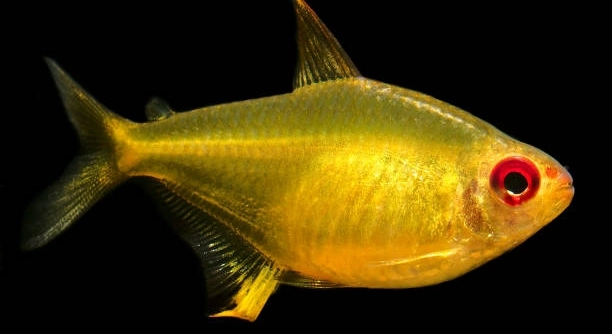
Do you ever find yourself setting up a tank and wondering which plants will make your lemon tetras feel secure and comfortable? These small fish are sensitive to their environment and need safe hiding spots to thrive.
Lemon tetras show preference for dense, bushy, and broad-leaved plants that offer shelter and mimic natural habitats. Species such as Java fern, Amazon sword, and Anubias provide cover, reduce stress, and allow natural schooling behavior, enhancing overall health and wellbeing.
Knowing which plants create a secure environment can make a noticeable difference in your fish’s behavior and happiness within the aquarium.
Java Fern
Java fern is a hardy plant that adapts well to a variety of water conditions, making it ideal for lemon tetras. Its broad leaves create hiding spots and shaded areas that reduce stress for small schooling fish. This plant can attach to driftwood or rocks, giving a natural look while remaining anchored in the tank. Java fern does not require intense lighting and grows slowly, which means less maintenance for aquarium owners. It also helps maintain water quality by absorbing excess nutrients. Lemon tetras often swim among its leaves, feeling more secure while exploring other areas of the tank. Its resilient nature allows it to thrive even if your tank setup changes slightly, making it a reliable addition to any aquarium. Java fern’s structure encourages natural behaviors, such as darting between leaves or resting in shaded spots. This makes it both functional and visually appealing for your aquarium layout.
Java fern provides both security and aesthetic appeal while requiring minimal care, making it a staple for tetra tanks.
Adding Java fern to your aquarium is straightforward. You can attach it to wood or rocks using fishing line or thread until roots take hold. Regular water changes and occasional trimming of dead leaves help maintain its health. Pairing Java fern with other safe plants, such as Anubias or moss, creates layers of cover, giving tetras multiple hiding options. Observing how lemon tetras interact with the plant can guide future plant choices. Dense clusters allow them to school naturally while feeling protected. Its slow growth reduces the risk of overcrowding and ensures a stable habitat. For tanks with varying light, Java fern remains resilient, avoiding the need for specialized equipment. Over time, it contributes to a balanced ecosystem, supporting microorganisms that fish may feed on. Its low-maintenance nature allows you to focus on monitoring fish health and tank cleanliness. Overall, Java fern enhances both the physical and behavioral environment for lemon tetras.
Anubias
Anubias offers broad leaves and strong anchoring points that give lemon tetras shelter and a sense of safety.
This plant is extremely hardy, tolerates low light, and can be attached to rocks or driftwood, making it suitable for many tank setups. Its thick leaves resist nibbling, and slow growth ensures it does not overtake the aquarium. Lemon tetras enjoy swimming among Anubias leaves, often resting beneath them for comfort. The plant’s structure reduces stress and encourages natural schooling behavior. Anubias also supports water quality by absorbing nutrients and providing surfaces for beneficial bacteria. Its low maintenance makes it a practical choice for both beginner and experienced aquarium keepers. Combining Anubias with other plants like Java fern or Amazon sword enhances visual layers and hiding spots. Over time, these plants form a balanced environment where lemon tetras feel secure, active, and healthy, creating a thriving aquarium ecosystem.
Amazon Sword
Amazon sword plants have long, broad leaves that provide lemon tetras with excellent hiding spots. Their height and density allow fish to feel secure while swimming and resting. This plant thrives in nutrient-rich substrates and moderate lighting, making it practical for most freshwater aquariums.
These plants grow quickly and create natural barriers in the tank, helping reduce aggression and stress among fish. Lemon tetras often use the leaves as resting areas or as cover when exploring. Amazon swords also contribute to water quality by absorbing excess nutrients, which helps prevent algae growth. Their strong roots anchor them firmly, allowing them to remain stable even when fish swim nearby. This makes Amazon sword plants a reliable choice for both aesthetics and functionality, supporting healthy behavior in tetras.
Positioning Amazon swords strategically in the aquarium allows for open swimming spaces while maintaining secure zones. Their large leaves can be grouped or spaced out to create different levels of coverage. When combined with smaller plants like Java fern or moss, they form a layered environment that encourages natural schooling behavior. Routine maintenance includes trimming older leaves and ensuring the substrate provides enough nutrients for growth. Over time, these plants establish a stable ecosystem that supports lemon tetras’ comfort, activity, and overall well-being, while enhancing the visual appeal of the aquarium.
Hornwort
Hornwort grows rapidly and forms dense floating or anchored clusters, giving lemon tetras immediate shelter and shaded zones. Its feathery structure allows fish to weave through leaves easily, reducing stress and supporting natural behavior in a tank environment.
Hornwort is versatile, thriving in a wide range of water conditions without demanding much care. It can float freely or be anchored in the substrate, offering different levels of protection for fish. Its fast growth helps control nutrient levels in the water, which reduces algae buildup. Lemon tetras are attracted to the dense foliage, often darting between stems for safety or resting beneath the plant. Hornwort also provides surfaces for beneficial microorganisms, creating a mini-ecosystem that supports fish health. Regular trimming prevents overcrowding while maintaining open swimming areas. By combining hornwort with slower-growing plants, aquariums achieve a balance of coverage and visual appeal that benefits both fish and tank aesthetics.
Water Wisteria
Water Wisteria grows quickly and forms dense clusters, offering lemon tetras excellent hiding spots. Its finely divided leaves allow fish to swim through comfortably, reducing stress and encouraging natural schooling behavior.
This plant is easy to care for and adapts to different water conditions. It absorbs excess nutrients, which helps prevent algae growth and maintains water quality. Lemon tetras enjoy weaving between its stems, using it as both cover and resting space. Its fast growth and versatile placement, whether anchored in the substrate or floating, make it a practical choice for any tetra tank.
Cabomba
Cabomba provides delicate, feathery leaves that create safe spaces for lemon tetras to explore. Its structure mimics natural habitats, allowing fish to hide and rest comfortably. The plant thrives in moderate lighting and nutrient-rich water, supporting a healthy aquarium environment. Regular trimming maintains open swimming areas and prevents overcrowding.
Cryptocoryne
Cryptocoryne has broad, sturdy leaves that give lemon tetras shelter and shaded zones. Its slow growth reduces maintenance needs while still providing effective cover. The plant can thrive in low to moderate light, making it suitable for various tank setups.
Moss Balls
Moss balls are compact and soft, giving lemon tetras gentle hiding spots. They require minimal care and can be moved easily to create different tank layouts. Their presence also helps maintain water quality by absorbing nutrients and providing surfaces for beneficial microorganisms.
What type of plants do lemon tetras prefer?
Lemon tetras prefer plants that provide cover and mimic their natural habitats. Broad-leaved and bushy plants like Amazon sword, Anubias, and Java fern are ideal. These plants give fish places to hide and rest, reducing stress and encouraging natural schooling behavior. Fine-leaved plants, such as Cabomba and Water Wisteria, also work well, offering gentle, safe spaces for exploration. Floating plants can add shade and further create secure areas. Plants that grow slowly or moderately and tolerate low to moderate light are easiest to maintain in tetra tanks.
Can lemon tetras live without plants in their tank?
Lemon tetras can survive without plants, but their well-being is reduced. Plants provide more than aesthetics; they offer security, reduce stress, and improve water quality by absorbing nutrients and supporting beneficial bacteria. A tank without plants may cause fish to feel exposed, leading to shy or erratic behavior. Incorporating even a few hardy plants can improve activity levels, encourage schooling, and allow tetras to display natural behaviors. Artificial plants can substitute in some cases, but live plants provide additional benefits for both fish health and aquarium balance.
How many plants should I put in a lemon tetra tank?
The number of plants depends on tank size, but dense coverage is preferable. At least one-third of the tank should be planted to provide sufficient hiding spots. Combining tall plants, like Amazon sword, with smaller or mid-height plants, like Java fern or moss balls, creates multiple layers of cover. Floating plants add shade without overcrowding the bottom. Too few plants leave fish exposed, while too many can limit swimming space. Observing how your tetras interact with the plants helps adjust density. The goal is balance: open swimming areas alongside safe, shaded zones.
Are some plants unsafe for lemon tetras?
Yes, some plants can be unsafe. Sharp or rigid plants can injure delicate fins, while heavily treated plants may introduce harmful chemicals. Fast-growing algae-prone plants can also harm water quality if not maintained. Avoid toxic plants or those with fine spines. Stick to commonly recommended safe species like Java fern, Anubias, Cabomba, Water Wisteria, and moss balls. Even safe plants require monitoring to prevent decay, which could lower water quality. Ensuring the plants are non-toxic, soft, and resilient creates a safe and stress-free environment for lemon tetras.
How do I maintain plants in a lemon tetra tank?
Regular care keeps plants healthy and ensures a safe environment. Trim dead or overgrown leaves to prevent decay and overcrowding. Ensure lighting and nutrient levels match each plant’s needs; slow-growing plants need less frequent fertilization, while fast-growing species may benefit from supplemental nutrients. Remove debris that collects among leaves to maintain water quality. Observing how fish interact with plants helps identify areas needing adjustment. Regular water changes, combined with proper plant maintenance, create a stable, low-stress habitat that supports both the plants and the lemon tetras.
Do floating plants benefit lemon tetras?
Floating plants are beneficial because they provide shade and soft cover, mimicking the tetras’ natural habitats. They reduce stress, give resting areas near the surface, and offer additional hiding spots. Floating plants can also improve water quality by absorbing excess nutrients. They complement anchored or substrate-rooted plants, creating a layered, secure environment. By varying plant types and placement, the tank becomes more dynamic and comfortable. Floating plants, combined with mid- and tall-ground cover, allow tetras to explore while always having nearby shelter.
Can lemon tetras eat plants?
Lemon tetras may nibble on very soft or tender plants, but most established aquarium plants are not harmed. Hardy plants like Anubias, Java fern, and Amazon sword resist nibbling. Moss balls, Water Wisteria, and Cabomba also remain largely intact. Minimal nibbling is normal and does not affect plant health significantly. If you notice damage, adjusting plant type or placement can prevent stress. Providing varied nutrition, including flakes or small live foods, reduces the chance of tetras feeding on plants excessively. This ensures plants continue to offer shelter and maintain tank balance.
Are moss balls safe and useful for lemon tetras?
Yes, moss balls are both safe and beneficial. Their soft, round structure allows tetras to rest among them without injury. They absorb nutrients, help maintain water quality, and provide surfaces for microorganisms, which fish may feed on. Moss balls can be moved or grouped to create flexible hiding spots and complement other planted areas. Their low-maintenance nature makes them practical, especially in tanks with varying light or limited space. Observing tetras resting, darting, or swimming through moss balls demonstrates their effectiveness in providing security and enhancing the tank environment.
How do I combine different plants effectively?
Combine plants of varying heights and textures to create layers of cover. Use tall plants like Amazon sword at the back, medium plants like Java fern in the middle, and moss balls or floating plants near the front or surface. This arrangement gives lemon tetras multiple zones for hiding, resting, and exploring. Dense areas reduce stress while open spaces allow natural swimming. Mix slow-growing and fast-growing species to maintain balance. Monitoring plant health and fish behavior ensures the arrangement remains functional and safe. Adjustments may be needed as plants grow, but layering creates a comfortable, natural environment for tetras.
Can plants improve lemon tetra behavior?
Yes, plants have a direct impact on behavior. Lemon tetras feel secure in planted areas, which reduces stress and promotes active swimming. They school more confidently and interact naturally when they have hiding spots. Plants also reduce aggression and provide resting zones, enhancing overall well-being. By observing fish using different plants, owners can adjust layout for optimal behavior. Dense foliage encourages exploration while giving fish places to retreat. Overall, live plants create a healthier, more balanced environment that positively affects activity, social interaction, and comfort levels for lemon tetras.
Lemon tetras thrive in environments that closely resemble their natural habitats. Including a variety of plants in the aquarium not only improves aesthetics but also provides essential shelter for these small, sensitive fish. Dense plants like Java fern, Amazon sword, and Anubias create secure zones where tetras can rest, hide, and swim with confidence. Even delicate or feathery plants, such as Cabomba and Water Wisteria, offer spaces for tetras to weave through, reducing stress and encouraging natural behaviors. By providing a mix of tall, mid-height, and floating plants, you create layers of cover that support schooling and resting. This balance between open swimming areas and protected zones helps lemon tetras feel safe, active, and calm. Over time, a well-planted tank also fosters a more stable ecosystem, supporting beneficial bacteria and improving water quality, which is vital for long-term health.
Plant selection plays a crucial role in both the fish’s comfort and the aquarium’s maintenance. Hardy and slow-growing plants, like Anubias and Java fern, require less frequent care and withstand minor fluctuations in water conditions. Fast-growing species, such as Amazon sword and Hornwort, help absorb excess nutrients and reduce algae growth, contributing to a balanced environment. Regular trimming, removal of decayed leaves, and occasional repositioning of plants keep the tank clean and organized. Moss balls and floating plants add flexibility, providing additional hiding spots without taking up much space. By observing how lemon tetras interact with each type of plant, it becomes easier to adjust the layout to suit their preferences. Plants also contribute to mental stimulation, encouraging exploration and natural schooling, which are important for overall well-being. A tank with diverse plant coverage supports healthy behavior and creates an environment that feels more natural and comfortable for lemon tetras.
Creating a planted aquarium that suits lemon tetras is not only about adding greenery but also about designing an environment that promotes safety, activity, and long-term health. Combining different plant types allows you to offer a variety of hiding places and shaded zones, while maintaining open swimming areas for social interaction. Plants help regulate water quality by absorbing nutrients, providing surfaces for beneficial microorganisms, and preventing algae overgrowth. A thoughtful arrangement encourages natural behaviors, reduces stress, and allows the fish to thrive. Maintaining this balance requires attention and care, but the results are rewarding. Lemon tetras in a well-planted tank exhibit more confident, active, and healthy behavior, and the visual appeal of the aquarium is greatly enhanced. Ultimately, including safe and suitable plants ensures a supportive environment where lemon tetras can flourish, making the aquarium both a functional habitat and a pleasing display.

Hello,
If you enjoy the content that we create, please consider saying a "Thank You!" by leaving a tip.
Every little bit helps us continue crafting quality advice that supports the health, happiness, and well-being of pets around the world, for pets of all shapes, sizes, and species.
We really appreciate the kindness and support that you show us!