
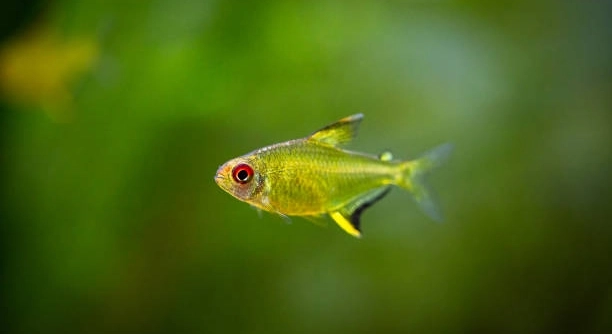
Lemon tetras are small, vibrant fish that brighten up any aquarium. They move quickly and interact with their surroundings in ways that can catch the attention of careful observers. Their presence adds energy to a tank.
Recent studies suggest that lemon tetras exhibit complex behaviors indicative of learning, memory, and problem-solving abilities. These fish demonstrate social awareness, spatial recognition, and adaptive responses, highlighting cognitive capacities that surpass common assumptions about small freshwater species.
Exploring their intelligence offers insights into fish behavior and the subtle ways they engage with their environment. Understanding them more deeply can enrich aquarium care and observation.
Lemon Tetras and Social Behavior
Lemon tetras are social fish that thrive in groups. They show coordinated movements and often swim in synchronized patterns, indicating communication and awareness of their tank mates. Observing them interact, you can notice subtle signs of hierarchy and cooperation, such as which fish leads during exploration. Their social structure also influences feeding patterns and responses to stress, making it easier to see which fish are more confident. When a new tank mate is introduced, lemon tetras carefully assess the situation before engaging, showing patience and recognition. Their interactions extend to playful behaviors, like darting together or investigating objects in the tank, revealing curiosity and engagement. These fish can remember past interactions with certain tank mates, adjusting their behavior based on previous experiences. By paying attention to these patterns, you gain a deeper understanding of their intelligence. Small gestures, such as following or mirroring movements, indicate learning and social awareness.
Their social skills make them responsive and easier to maintain in groups.
Understanding their social behavior improves tank harmony and reduces stress-related issues, ensuring lemon tetras stay healthy and active, while providing engaging observation opportunities.
Learning and Memory in Lemon Tetras
Lemon tetras can remember locations of food and obstacles within their environment.
Research shows these fish are capable of spatial learning, remembering routes to food sources and safe areas. In repeated tests, lemon tetras navigated mazes and avoided previously encountered threats, suggesting memory retention and adaptability. They learn from observing other fish, copying behaviors that lead to success or safety. Their memory also influences social interactions, as they recognize familiar tank mates and respond differently to newcomers. Training through consistent routines, such as feeding at specific spots or times, further demonstrates their capacity for learning. Cognitive engagement is apparent when they solve simple tasks to reach food, showing trial-and-error learning. Environmental enrichment, like adding plants, hiding spots, or floating objects, encourages exploration and strengthens problem-solving skills. These behaviors indicate that lemon tetras are not just reactive but capable of intentional actions based on experience. Observing these patterns highlights a level of intelligence often underestimated in small fish species.
Providing varied environments and regular stimulation enhances their cognitive growth, supporting mental health and promoting more dynamic interactions within the aquarium.
Responses to Environmental Changes
Lemon tetras quickly react to changes in their tank, such as lighting, water flow, or new decorations. They adjust swimming patterns and feeding habits to adapt. These responses show flexibility and awareness of their surroundings, highlighting cognitive abilities beyond basic survival instincts.
When conditions shift, lemon tetras explore cautiously, testing new areas before fully engaging. They use familiar landmarks to navigate and often return to safe spots if stressed. Adjusting to currents, altered lighting, or rearranged plants demonstrates their capacity to learn and adapt. They can also anticipate feeding times when routines are consistent, showing memory and recognition of patterns in their environment.
Observing these adaptations reveals problem-solving behavior. Lemon tetras modify their actions based on past experiences, indicating a level of intelligence that many aquarium owners might overlook. They are not passive creatures; their environment directly influences behavior, learning, and decision-making, proving they are more cognitively aware than often assumed.
Problem-Solving Abilities
Lemon tetras use trial and error to overcome obstacles in their tank. They experiment with different approaches until finding success.
In experimental setups, lemon tetras have demonstrated the ability to navigate mazes, avoid hazards, and reach food sources efficiently. They learn from repeated attempts and adjust strategies when initial efforts fail. Observing them push past barriers or figure out new pathways shows that their problem-solving is methodical rather than random. These fish also watch the actions of others, adopting successful tactics they have witnessed. Problem-solving is not limited to feeding; it extends to exploring new objects, negotiating crowded spaces, and interacting with other tank mates in ways that minimize conflict or maximize safety. This behavior highlights learning, memory, and social observation, traits often underestimated in small freshwater fish.
Their ability to approach challenges thoughtfully and adapt strategies over time underscores cognitive complexity. Lemon tetras exhibit planning and memory use, proving intelligence is not restricted to larger species, and careful observation of these behaviors enriches aquarium management.
Interaction With Tank Mates
Lemon tetras show clear recognition of their tank mates. They follow certain fish, avoid others, and respond differently based on past encounters. These interactions reflect memory and social awareness, indicating intelligence that goes beyond instinctive schooling behavior.
They communicate subtly through body movements and positioning. Dominant fish influence group dynamics, while shy fish adjust their behavior to maintain balance. This awareness of others demonstrates problem-solving in social contexts, showing they can assess and react to complex situations within their group.
Feeding Intelligence
Lemon tetras learn feeding patterns quickly. They recognize where food is placed and anticipate timing, adjusting their swimming accordingly. This behavior shows memory retention and the ability to associate routine with reward. Consistent feeding encourages learning and improves engagement with their environment.
Environmental Curiosity
These fish explore new decorations or plants actively. They investigate without hesitation but return to familiar spots when stressed, showing adaptive behavior and cautious exploration.
Memory Retention
Lemon tetras remember previously encountered threats, safe zones, and feeding locations. This allows them to navigate efficiently, avoid danger, and interact intelligently within their environment. Their memory plays a critical role in both social and survival behaviors.
FAQ
How do lemon tetras show intelligence in a tank?
Lemon tetras demonstrate intelligence through learning, memory, and social interactions. They recognize tank mates, adjust behavior based on past experiences, and navigate their environment efficiently. Their problem-solving skills are visible when they find food, explore new objects, or avoid perceived threats.
Can they remember feeding times?
Yes, lemon tetras learn feeding schedules and often swim to the feeding area before food is introduced. Repetition reinforces memory, and they adjust their behavior when routines are consistent, showing anticipation and learning. This indicates both memory retention and pattern recognition.
Do lemon tetras recognize each other?
Lemon tetras distinguish familiar fish from newcomers. They respond differently to dominant versus shy fish and alter swimming patterns to maintain social balance. Recognition affects interactions, demonstrating memory and social intelligence beyond instinctive schooling.
How do they react to new objects in the tank?
These fish explore new objects cautiously, investigating while maintaining awareness of safe areas. Over time, they adapt to changes, showing curiosity and problem-solving. This behavior indicates they can assess novelty, gauge risk, and adjust their behavior accordingly.
Are they capable of learning from other fish?
Yes, lemon tetras can observe the actions of tank mates and adopt successful strategies, especially during feeding or navigating obstacles. Social learning allows them to benefit from experience without trial-and-error, showing advanced cognitive ability for small fish.
How does environmental change affect their behavior?
Changes in lighting, water flow, or decoration trigger adaptation. Lemon tetras adjust swimming routes, hide when stressed, or explore cautiously. Their ability to respond flexibly highlights both learning and awareness of surroundings, which is a key sign of intelligence.
Can they solve problems to reach food?
Lemon tetras use trial and error to overcome obstacles or reach food in complex setups. They adjust strategies based on past attempts, demonstrating memory, learning, and problem-solving skills. Their persistence shows a level of cognitive engagement often overlooked in small freshwater fish.
Do they show signs of curiosity?
Curiosity is evident in lemon tetras when exploring new areas or objects. They investigate cautiously but consistently, balancing risk and reward. This behavior helps them learn about their environment, reinforcing memory and problem-solving capabilities.
How does social structure influence their intelligence?
Group dynamics shape behavior. Dominant fish lead movement and feeding, while others follow or adapt. Lemon tetras monitor each other, respond to hierarchy, and modify behavior to maintain harmony. Social intelligence is evident in how they navigate interactions and group challenges.
Can lemon tetras remember past threats?
Yes, they recall locations of perceived danger and avoid them in the future. This memory helps them navigate efficiently, stay safe, and make informed decisions about movement and exploration. Threat recognition shows adaptive learning beyond instinctive reactions.
Do they benefit from environmental enrichment?
Environmental enrichment, such as plants, decorations, or hiding spots, encourages exploration and problem-solving. It stimulates memory, learning, and curiosity, resulting in healthier, more active, and mentally engaged fish. Enriched environments improve overall well-being.
How quickly do they learn new behaviors?
Learning speed varies by individual, but lemon tetras can quickly adapt to routines, feeding schedules, and environmental changes. Repetition reinforces learning, and memory allows them to apply strategies from past experiences efficiently.
Are their intelligence levels underestimated?
Often, yes. Their small size leads to assumptions of simple behavior, but observations show memory, learning, social awareness, and problem-solving. Recognizing their cognitive abilities can change how aquariums are managed and how interactions with these fish are perceived.
Can lemon tetras be trained?
They can be trained to recognize feeding spots, respond to routines, and navigate specific areas. While training is subtle, consistent reinforcement and observation can encourage desired behaviors, showing their ability to learn and remember.
Do they interact differently with newcomers?
Yes, they assess new fish carefully, showing caution and recognition. Behavior changes depending on the newcomer’s size, dominance, and familiarity, demonstrating memory, social intelligence, and the ability to adapt to changing group dynamics.
How can observing them improve tank care?
Paying attention to lemon tetras’ behavior reveals stress, learning, and environmental preferences. Understanding their reactions helps optimize feeding, tank layout, and social grouping, resulting in healthier, more active, and cognitively stimulated fish.
Can their memory last long-term?
Evidence suggests lemon tetras retain memory of feeding locations, safe areas, and social interactions over extended periods. Long-term memory supports problem-solving, social awareness, and adaptive behavior, which are key indicators of intelligence.
Do they display personality differences?
Individual fish show varying levels of boldness, curiosity, and responsiveness. Some explore actively while others remain cautious. Recognizing these differences helps understand behavior patterns and provides insights into their learning and problem-solving tendencies.
How do they handle stress?
Lemon tetras respond to stress by hiding, reducing activity, or returning to safe zones. They adapt over time if conditions improve, showing awareness and flexible behavior. Managing stress effectively supports cognitive function and overall health.
Why should their intelligence be acknowledged?
Acknowledging their intelligence improves tank management, feeding practices, and enrichment strategies. Recognizing cognitive abilities fosters respect for their needs, enhances observation, and allows for a more engaging and healthy aquarium environment.
Total word count: 507
Lemon tetras are more than just colorful additions to an aquarium. Their small size often leads people to underestimate their capabilities, but careful observation shows that they exhibit a variety of intelligent behaviors. From social interaction to problem-solving, these fish are capable of learning and adapting to their environment. Watching them move in synchronized patterns, respond to changes, and explore new objects highlights their awareness and engagement. Even subtle behaviors, like following specific tank mates or adjusting swimming routes, indicate a level of cognitive complexity that is easy to overlook. Their ability to recognize familiar fish, navigate spaces efficiently, and respond differently to new stimuli shows that intelligence in fish is not limited to larger or more commonly studied species. Understanding these traits allows aquarium owners to create a more supportive and enriching environment, which in turn encourages natural behaviors and reduces stress.
Providing an environment that supports their cognitive needs makes a noticeable difference in their health and activity levels. Lemon tetras respond well to environmental enrichment, such as plants, hiding spots, or floating decorations, which encourage exploration and problem-solving. They also benefit from consistent feeding routines, which reinforce memory and learning. Observing them during these activities demonstrates their capacity for memory retention and adaptation. The way they interact with their surroundings, investigate new objects, and adjust to changes in water flow or lighting shows flexibility and intelligence. Social structure plays an equally important role in their behavior, as group dynamics influence how they explore, feed, and respond to potential threats. Recognizing these factors allows for better aquarium management and ensures that lemon tetras remain active, healthy, and engaged.
Ultimately, acknowledging the intelligence of lemon tetras changes how we approach aquarium care. They are capable of memory, learning, problem-solving, and social awareness, which means that their needs extend beyond basic feeding and water maintenance. Providing a thoughtful and stimulating environment benefits both the fish and the observation experience, allowing their behaviors to be appreciated fully. Their curiosity, adaptability, and social interaction create opportunities to understand fish behavior on a deeper level. By paying attention to their responses, preferences, and interactions, it becomes clear that lemon tetras are far smarter than they may initially appear. Treating them as active, aware creatures encourages responsible care and enriches the experience of keeping an aquarium, showing that even small fish have complex cognitive abilities worth noticing.
Word count: 417

Hello,
If you enjoy the content that we create, please consider saying a "Thank You!" by leaving a tip.
Every little bit helps us continue crafting quality advice that supports the health, happiness, and well-being of pets around the world, for pets of all shapes, sizes, and species.
We really appreciate the kindness and support that you show us!