
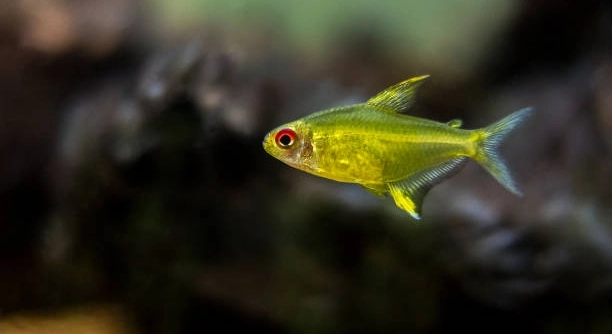
Have you ever watched your lemon tetras and noticed one acting a bit bolder than the rest, creating a gentle shift in your aquarium’s harmony with its confident presence and steady displays of assertive behavior.
A dominant lemon tetra typically displays consistent control over territory, frequent leading of group movements, pronounced fin flaring, assertive feeding behavior, persistent chasing of subordinates, heightened coloration, and increased occupation of choice spaces, indicating a hierarchical position within the shoal.
These traits help you understand how social patterns shape your aquarium, offering clarity as you explore each sign in detail.
Territorial Control
Territorial control is often the first clear sign that a lemon tetra holds a leading role in the group, and it becomes easy to notice once you watch how the fish positions itself through the day. A fish that claims small sections of the tank and consistently returns to those areas is usually showing a steady form of confidence that stands out from the others. It moves with purpose, guiding the flow of activity around decorations, plants, and any open spaces it favors. Its presence may shift the behavior of nearby fish, causing them to pause or change direction when approaching its preferred spot. You might see it glide through the same paths repeatedly, making gentle but persistent displays that reinforce its place without appearing overly aggressive. These actions signal a stable level of control that helps shape how the rest of the group interacts within the aquarium.
These behaviors help you recognize when one fish quietly shapes the rhythm of the tank through steady patterns and subtle displays of confidence that influence how others move around shared spaces, creating a gentle structure that guides daily interactions among the entire group with consistent and noticeable control.
Understanding territorial control gives you clearer insight into how social balance forms within your aquarium. A dominant lemon tetra rarely acts harshly, but its steady presence defines how the group responds to simple movements, feeding moments, and calm pauses throughout the day. Observing these patterns helps you appreciate the small signals that guide behavior, showing how one confident fish can influence activity, spacing, and overall comfort within a peaceful and stable tank environment.
Leading Group Movements
Leading group movements often reveals another strong sign of dominance, as the fish positions itself at the front of the shoal, encouraging others to follow its path with steady direction and calm confidence while shaping how the group navigates daily routines across plants, open areas, and shared feeding spaces.
Group leadership becomes more noticeable when you watch how consistently one lemon tetra sets the pace for the entire shoal. This fish often swims slightly ahead of others, guiding movement through the tank with a calm but assertive presence that influences the behavior of every fish behind it. When the group shifts from one area to another, the leading fish initiates the motion, creating a steady line that others naturally fall into. This pattern appears during feeding time as well, where the dominant fish reaches food first and establishes a smooth flow that directs how the rest feed without causing unnecessary tension. Its movements are deliberate, shaping the collective path through plants, rocks, and open zones as the group adapts to its choices. Over time, these repeated actions create a recognizable structure within the tank, making the dominant fish an anchor for stability. Observing these patterns helps you understand the subtle ways leadership forms, showing how one fish can manage group behavior through calm confidence rather than force, fostering a balanced environment where each member finds its place in the daily rhythm of the aquarium.
Pronounced Fin Flaring
Pronounced fin flaring shows a clear sign of dominance, as the fish widens its fins to display confidence and presence, creating a noticeable visual cue that other fish quickly acknowledge within the shared space of the aquarium.
Fin flaring often appears during moments when a dominant lemon tetra wants to reinforce its position without engaging in aggressive actions. The fish spreads its fins fully, creating a larger profile that signals control and assurance to nearby fish. This display can occur near feeding areas, favored spots within the tank, or during interactions when another fish approaches too closely. The movement remains smooth and deliberate, not frantic, showing a stable sense of authority. Other fish usually respond by adjusting their path or slowing their movement, recognizing the clear signal without resisting it. Over time, these displays form part of the regular structure of social behavior in the group.
A dominant lemon tetra uses fin flaring as a consistent way to maintain order, and it becomes more noticeable once you pay attention to the subtle patterns that appear throughout the day. The fish may flare its fins when guiding the group, when asserting control over a chosen area, or when establishing its presence during feeding. The display communicates status in a simple and effective way, helping prevent unnecessary conflict. This steady behavior helps shape the calm flow of interactions, allowing the shoal to move comfortably around the tank while acknowledging the dominant fish’s presence. Observing these signals helps you understand how such a small gesture influences the entire group.
Assertive Feeding Behavior
Assertive feeding behavior becomes clear when the dominant lemon tetra positions itself at the front during every feeding session, reaching food first and establishing a steady pattern that the rest of the group adapts to without resistance.
This fish eats with focus, moving directly toward the food while maintaining a confident pace that others follow naturally. It rarely hesitates or shifts away, instead claiming its spot with controlled, smooth motions that show it feels secure in its role. During these moments, the rest of the shoal adjusts its movement around the dominant fish, creating a calm flow where each member finds space without causing tension. The dominant fish’s behavior creates structure, helping reduce competition by setting clear expectations for how feeding unfolds. Over time, this pattern becomes an easy-to-recognize part of daily life, reflecting the stable influence the leading fish provides within the group.
Persistent Chasing
Persistent chasing appears when a dominant lemon tetra maintains steady control by guiding or redirecting other fish through short bursts of movement. These chases are usually calm, brief, and purposeful, creating gentle structure without causing unnecessary stress or disrupting the balance of the group.
This behavior often helps the dominant fish reinforce boundaries around favorite spaces, feeding areas, or swimming routes. The chases remain controlled, showing authority rather than aggression. Other fish respond quickly by adjusting their paths, recognizing the clear signal and maintaining a peaceful rhythm within the aquarium.
Heightened Coloration
Heightened coloration becomes noticeable as the dominant lemon tetra’s body and fins show stronger, brighter tones compared to the rest of the group. This visual change often reflects confidence, steady behavior, and a secure position within the social structure of the shoal. The fish’s color may appear more vibrant during feeding, territorial displays, or simple daily interactions. Observing these shifts helps you identify subtle cues connected to dominance. Other fish often respond by giving the brightly colored individual space, reinforcing its influence within the group. This consistent difference in appearance becomes one of the clearer indicators of a leading fish.
Occupying Choice Spaces
Occupying choice spaces shows dominance when the fish regularly claims prime spots, such as open midsections or areas near plants, holding these positions with calm confidence that shapes how the rest of the group moves around the tank.
FAQ
How do I know if one lemon tetra is becoming too dominant?
A lemon tetra becomes too dominant when its behavior shifts from steady control to repeated chasing that disrupts the peace of the group. Occasional displays are normal, but constant pressure on other fish, blocked access to food, or stressed tankmates indicate an unhealthy imbalance. When this happens, it becomes important to observe interactions closely and identify triggers. Sometimes the issue comes from limited space or crowded conditions that amplify natural behaviors. Adjusting the tank layout, adding more plants, or increasing the size of the shoal can often reduce tension and restore a calmer environment without removing the dominant fish.
Can dominance cause stress in other lemon tetras?
Yes, dominance can cause stress if the behavior becomes too persistent or intense. Lemon tetras rely on stable group dynamics, so when one fish exerts excessive control, others may hide more often or show faded colors. Stress can also appear as reduced appetite or scattered movement during feeding. Creating a comfortable setup with plenty of hiding spots can help ease this problem. A well arranged tank gives less dominant fish areas where they feel secure, allowing them to move freely without constant pressure. Balanced social interaction keeps the group healthy and prevents long term issues.
How many lemon tetras help reduce dominance problems?
Keeping a group of at least six to eight lemon tetras helps reduce dominance issues because the behavior spreads out across the shoal. A larger group creates a more natural social structure, preventing one fish from taking full control. When there are too few fish, one individual may feel compelled to assert itself more strongly. A properly sized shoal supports gentle interactions and gives each fish a sense of security. Along with group size, stable water conditions and enough swimming space contribute to harmony. These factors encourage healthy behavior and reduce stress within the aquarium.
Does tank layout affect dominant behavior?
Tank layout impacts dominant behavior by shaping how fish move around shared spaces. Open areas encourage natural schooling, while plants and decorations provide necessary boundaries and resting spots. When the tank lacks structure, dominant fish may claim too much of the open space, making other fish feel exposed. A well arranged layout softens this imbalance and supports smoother interactions. Adding plants, driftwood, or rocks creates multiple sections, reducing competition for territory. This setup allows each fish to explore comfortably without feeling pressured by a single dominant individual, helping maintain a peaceful atmosphere.
Can feeding routines influence dominance?
Feeding routines can influence dominance because consistent access to food reinforces social roles. When one fish always reaches the food first, its confidence strengthens, and other fish fall into supporting positions. Spreading the food across different areas encourages more equal access and reduces pressure. Using slow sinking foods or offering small amounts in multiple spots helps maintain balance. This method ensures each fish gets its share without conflict. A calm feeding routine supports healthier interactions and prevents stress from building within the group.
Is dominance always a negative thing?
Dominance is not always negative. It can help create structure in the group by guiding movement and reducing confusion. A stable leader provides a sense of order that keeps the shoal moving smoothly. Problems arise only when the dominant fish becomes overly controlling. As long as the behavior remains calm and balanced, it contributes to the overall well being of the group. Observing these patterns helps you understand when the behavior is natural and when it becomes something that needs attention. Balanced social roles support harmony in the aquarium.
What should I do if dominance becomes aggressive?
If dominance becomes aggressive, start by checking for environmental causes. Crowding, poor water quality, or limited hiding spots can increase tension. Improving these conditions often reduces conflict. Rearranging decorations can interrupt established territories and reset behavior. If the issue continues, consider increasing the group size to distribute interactions more evenly. In rare cases, separating the aggressive fish temporarily can help it settle. Careful observation ensures you address the problem early, helping your lemon tetras return to a calm and stable routine.
Final Thoughts
Understanding the signs of dominance in lemon tetras helps you maintain a stable and comfortable aquarium where each fish has space to move and interact without unnecessary tension. These small behaviors, from fin flaring to leading movements, shape the rhythm of the tank in quiet but meaningful ways. When you recognize these patterns, you can adjust the environment to support harmony, whether that means adding more plants, rearranging decorations, or giving the group more room to swim. Observing your fish closely makes it easier to see when behavior feels balanced and when something needs attention. A dominant fish does not always create problems, but noticing how it interacts with the group gives you insight into the overall well being of your aquarium. This awareness helps you respond with calm, steady changes that support every member of the shoal.
As you spend more time watching your lemon tetras, their patterns become easier to understand, and the small details begin to stand out. A confident fish might glide through open spaces with purpose, set the pace for the group, or maintain its spot near a favorite plant. Another fish may show softer colors or keep its distance when the dominant one moves through the tank. These subtle signals tell you how each member fits into the social structure. When you take these observations into account, you can shape the tank to encourage smoother interactions. A balanced layout with plants, open areas, and gentle hiding spaces allows the group to adjust naturally. Stable water conditions and thoughtful feeding routines also help support a peaceful environment. Over time, these choices contribute to a tank where your lemon tetras feel secure and comfortable in their daily movements.
Caring for lemon tetras becomes easier once you understand how dominance works within their group. It allows you to anticipate changes, notice early signs of stress, and respond in ways that guide the tank toward calm behavior. When the dominant fish behaves with control rather than aggression, it helps bring structure to the shoal, creating a soft flow that benefits everyone. When behavior shifts in a way that feels unbalanced, your observations help you step in gently and make adjustments that restore stability. This thoughtful attention strengthens the overall atmosphere of your aquarium, turning it into a place where each fish has room to thrive. By giving consistent care and staying aware of these patterns, you build a space that remains peaceful, steady, and soothing for both you and your fish.

Hello,
If you enjoy the content that we create, please consider saying a "Thank You!" by leaving a tip.
Every little bit helps us continue crafting quality advice that supports the health, happiness, and well-being of pets around the world, for pets of all shapes, sizes, and species.
We really appreciate the kindness and support that you show us!