
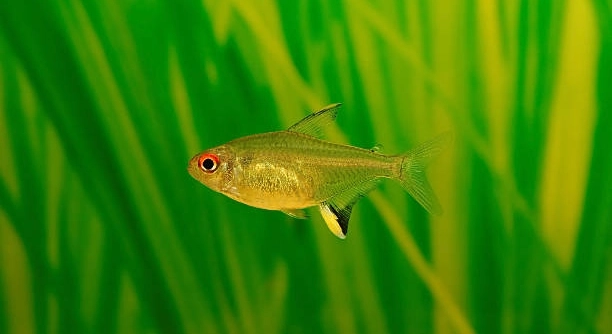
Are your lemon tetras swimming nervously around the tank, unsure of who to live with? Keeping them in a peaceful environment is important for their well-being and overall happiness in the aquarium.
The best quiet tank mates for lemon tetras include small, non-aggressive fish that share similar water requirements. Ideal companions often consist of peaceful species that do not compete for territory or stress the tetras, promoting a stable, harmonious aquarium environment.
Choosing the right companions can greatly improve your tank’s balance and create a more enjoyable space for both fish and aquarists.
Corydoras Catfish
Corydoras catfish are small, peaceful bottom dwellers that complement lemon tetras well. They spend most of their time scavenging the substrate for leftover food, which helps keep the tank clean. Their gentle nature ensures they rarely disturb other fish, making them excellent companions. Corydoras are social and prefer to be kept in groups of at least three to five, which encourages natural behavior and reduces stress. They adapt well to standard tropical freshwater conditions, thriving in slightly acidic to neutral water with moderate temperature. Their armor-like scales provide some protection, but they are still delicate and benefit from a soft substrate to avoid injury. Watching a group of Corydoras glide along the tank bottom can be calming, and their active but non-aggressive temperament blends well with the more energetic swimming patterns of lemon tetras. Overall, their small size, peaceful habits, and compatibility with other fish make them a reliable choice.
They are calm, easy to care for, and rarely bother other species, making them ideal companions for lemon tetras.
Corydoras’ group behavior is fascinating. When kept together, they swim in coordinated patterns, forage cooperatively, and often rest in the same areas. This social dynamic reduces stress and adds movement to the bottom of the tank without disturbing mid-level swimmers like tetras. They can live for five years or more with proper care, offering a long-term presence in your aquarium. Feeding them is simple—they accept sinking pellets, flakes, and occasional live food. Pairing them with lemon tetras creates a visually balanced tank, where the top and middle levels are active with tetras, while Corydoras maintain activity at the bottom. Their quiet demeanor ensures harmony, even in smaller community tanks.
Harlequin Rasbora
Harlequin rasboras are small, peaceful fish that stay mostly in the middle of the tank, avoiding conflict with lemon tetras.
They swim in small schools and add a gentle splash of color. Their peaceful temperament allows easy coexistence in community tanks.
Harlequin rasboras thrive in slightly acidic water with stable temperatures between 72 and 80°F. They prefer planted tanks, which give them hiding spots and mimic their natural habitat. These fish are active swimmers and should be kept in groups of six or more to encourage schooling behavior. Their orange and black coloration complements the yellow of lemon tetras, creating a visually appealing display. They are omnivores, eating both flakes and small live foods without much fuss, making feeding simple. The small size and non-aggressive nature reduce stress in mixed tanks. Introducing harlequin rasboras alongside lemon tetras enhances movement in the middle water column and provides a peaceful, balanced environment. Their compatibility, ease of care, and striking appearance make them a practical and attractive choice for community aquariums.
Neon Tetra
Neon tetras are small, peaceful fish that pair well with lemon tetras. Their calm nature and similar swimming levels prevent conflict, and they thrive in similar water conditions, making them easy to maintain in a shared tank.
Neon tetras prefer slightly acidic to neutral water and stable temperatures between 70 and 78°F. They are schooling fish, so keeping at least six together promotes natural behavior and reduces stress. Their shimmering blue and red stripes add color without overwhelming the tank. These fish are non-aggressive and occupy the middle levels, complementing lemon tetras’ movements without competing for space. They accept a variety of foods, including flakes, frozen, and live options, which simplifies feeding. Neon tetras’ small size and peaceful temperament make them compatible with other quiet community species.
Neon tetras’ gentle behavior and bright colors create a visually appealing aquarium. They move in coordinated groups, adding life to the tank without disturbing more delicate or slower-moving species. Their calm presence balances energetic lemon tetras, while their adaptability to community tanks ensures long-term harmony. Feeding is simple, and their small size reduces stress on other fish. Their schooling instincts keep them active and healthy, while their peaceful temperament minimizes aggression. Neon tetras’ combination of beauty, adaptability, and calm demeanor makes them a reliable choice for a mixed freshwater tank.
Otocinclus Catfish
Otocinclus catfish are small, quiet algae eaters that help keep tanks clean without bothering lemon tetras. They prefer peaceful environments and are best kept in groups to feel secure.
Otocinclus are highly effective at controlling algae in planted tanks. Their small size and non-aggressive behavior make them ideal for community aquariums with delicate fish like lemon tetras. These catfish prefer soft, slightly acidic water and require regular feeding, including algae wafers or fresh vegetables. They are sensitive to poor water quality, so stable conditions are important for their health. Their constant movement along surfaces keeps the tank tidy and visually interesting, while their peaceful habits prevent stress for other inhabitants. Pairing them with lemon tetras provides balance, as tetras occupy the middle levels and Otocinclus remain on surfaces and plant leaves.
These fish are hardy when given proper care, and their presence promotes a healthier tank environment. They form small groups, forage actively, and rarely compete for resources. Watching Otocinclus clean algae can be satisfying, as they move quietly without disturbing other fish. Their small, sleek bodies allow them to navigate tight spaces, keeping plants and decorations free of buildup. Consistent feeding and stable water conditions ensure long-term health. Otocinclus’ gentle temperament, practical role, and peaceful coexistence with lemon tetras make them a practical addition to community tanks.
Kuhli Loach
Kuhli loaches are peaceful, eel-like bottom dwellers that stay mostly hidden during the day. They are gentle, non-aggressive, and rarely interfere with lemon tetras, making them suitable for community tanks with soft substrates and plenty of hiding spots.
These loaches are nocturnal and thrive in groups of three or more. They enjoy burrowing and exploring the substrate, which keeps the tank clean and adds natural activity without stressing other fish. They prefer slightly acidic to neutral water with stable temperatures. Feeding is simple, as they accept sinking pellets, small live foods, and occasional vegetables. Kuhli loaches adapt well to planted tanks, where their quiet presence complements more active mid-level swimmers like lemon tetras.
Guppy
Guppies are small, colorful fish that swim peacefully alongside lemon tetras. Their calm demeanor and similar water needs make them easy to maintain in a community tank.
They are livebearers, so monitoring population is important. Guppies add movement and brightness without causing stress to more timid fish.
Cherry Barb
Cherry barbs are small, calm fish that prefer peaceful tank environments. They remain mostly in the middle to lower levels and coexist well with lemon tetras, contributing gentle activity and soft color.
White Cloud Minnow
White cloud minnows are hardy, small fish that tolerate a range of water conditions. Their quiet nature and gentle swimming make them compatible companions for lemon tetras in a community setup.
What are the best tank mates for lemon tetras?
The best tank mates for lemon tetras are small, peaceful fish that swim in similar water levels and have compatible water requirements. Species like neon tetras, harlequin rasboras, guppies, and corydoras catfish are ideal because they are non-aggressive and do not compete for territory. These fish are social and thrive in groups, which reduces stress and encourages natural behaviors. Avoid larger, aggressive species that could harm or outcompete lemon tetras for food and space. Maintaining a calm and balanced community tank helps lemon tetras feel secure, swim confidently, and display their bright yellow coloration effectively. Compatibility depends on both temperament and environmental needs.
Can lemon tetras live with other tetras?
Yes, lemon tetras can live with other tetra species as long as the tank is not overcrowded and water parameters are stable. Fish like neon tetras and ember tetras are excellent choices. They have similar temperature, pH, and schooling preferences. Keeping them in groups of at least six ensures a natural swimming pattern and reduces stress. Mixed tetra tanks often create a colorful, active mid-level layer in the aquarium. Care should be taken to observe behavior initially to ensure no bullying occurs, especially if introducing new species. Small differences in size and swimming speed usually do not cause conflict among peaceful tetras.
How many tank mates should I keep with lemon tetras?
A group of six lemon tetras is ideal, and adding two to three compatible fish per species keeps the tank balanced. Overcrowding can lead to stress, poor water quality, and disease. Consider the tank size: a 20-gallon tank can accommodate small groups of tetras, rasboras, and a few bottom dwellers like corydoras or otocinclus. Leave space for swimming and plants to provide hiding spots. Monitor interactions to ensure compatibility. A mixed, peaceful group encourages social behavior, improves activity, and makes the aquarium visually appealing while maintaining a healthy environment for all fish.
Are bottom dwellers necessary with lemon tetras?
Bottom dwellers are not strictly necessary, but they improve tank balance and cleanliness. Species like corydoras catfish, kuhli loaches, and otocinclus eat leftover food and algae, preventing buildup. They occupy the bottom layer while tetras swim in the middle, minimizing conflict. Bottom dwellers add natural activity without competing for space or food. Grouping them in threes or more encourages normal social behavior. They also reduce algae growth and leftover debris, supporting a healthier tank environment. Peaceful bottom dwellers contribute to both aesthetic appeal and practical maintenance.
What food should I provide to a mixed tank with lemon tetras?
Lemon tetras eat flakes, micro-pellets, and occasional live or frozen foods. Tank mates like guppies, neon tetras, and harlequin rasboras share similar diets, making feeding simple. Bottom dwellers require sinking pellets or algae wafers. Providing a varied diet ensures all fish receive proper nutrition without leaving excess food. Feed in small portions multiple times per day. Remove uneaten food to prevent water quality issues. A balanced diet maintains bright coloration, healthy growth, and active behavior in both tetras and their companions.
Can lemon tetras live in small community tanks?
Yes, lemon tetras do well in small community tanks if stocking levels remain appropriate. A minimum 20-gallon tank allows for a group of tetras and compatible companions without overcrowding. Include plants, hiding spots, and open swimming areas to reduce stress. Regular maintenance and monitoring water quality are essential. Small, peaceful species work best, ensuring all fish coexist without aggression. Avoid large or territorial fish. A carefully stocked small tank can create a lively, harmonious community while supporting the health and behavior of lemon tetras.
Do lemon tetras require special water conditions?
Lemon tetras thrive in slightly acidic to neutral water, with a pH around 6.5 to 7.0 and temperatures between 72 and 78°F. They prefer stable conditions with minimal fluctuations. Tank mates should share similar requirements. Frequent testing, gradual water changes, and a reliable filter help maintain quality. Soft to moderately hard water works best. Stable water encourages natural behavior, reduces stress, and supports health and coloration. Proper conditions are critical for a harmonious community tank and long-term success with lemon tetras.
Are lemon tetras suitable for planted tanks?
Yes, lemon tetras do well in planted tanks. Plants provide hiding spots, reduce stress, and mimic their natural habitat. Live plants also improve water quality by absorbing nitrates. They swim among leaves and open spaces, creating a balanced visual environment. Pairing with peaceful species ensures that plants are not disturbed. Planted tanks support both aesthetic appeal and healthy behavior, making them ideal for a calm, visually interesting community aquarium.
Can lemon tetras live with slightly larger fish?
Lemon tetras can coexist with slightly larger, peaceful fish, but avoid aggressive species. Tank mates should not chase, nip, or outcompete them for food. Moderately larger fish that share calm, non-territorial behavior can add variety without causing stress. Observe interactions when introducing new fish to ensure harmony. Selecting species carefully maintains the tetras’ well-being and minimizes aggression while keeping a lively, active tank.
How do I introduce new tank mates to lemon tetras?
Introduce new fish slowly to prevent stress and aggression. Quarantine new arrivals for a week or more to avoid diseases. Gradually acclimate them to the tank’s water conditions using a drip method. Add peaceful, similarly sized species first. Monitor behavior closely during the first days, separating any fish that show signs of bullying. Provide hiding spaces and plants to reduce confrontation. A careful, gradual introduction ensures the existing tetras feel secure while newcomers adjust, supporting a peaceful, stable community environment.
This FAQ section covers common concerns and practical tips for maintaining lemon tetras with compatible tank mates, ensuring a healthy and peaceful community.
Keeping lemon tetras in a community tank can be very rewarding if you choose the right companions. Small, peaceful fish that share similar water requirements are the best choices. Species like neon tetras, harlequin rasboras, guppies, and corydoras catfish work well because they do not compete aggressively for food or space. Bottom dwellers, such as otocinclus or kuhli loaches, help maintain cleanliness while occupying a different area of the tank. Grouping social fish together encourages natural behavior, reduces stress, and creates a lively, balanced aquarium. When each species has its own space in the tank, the overall environment becomes calmer, and all fish can move freely without conflict. Maintaining stable water conditions and proper tank size is essential to keeping these fish healthy and happy.
Providing the right diet is another important factor for a thriving community tank. Lemon tetras and their peaceful tank mates accept a range of foods, including flakes, micro-pellets, and occasional live or frozen treats. Bottom dwellers benefit from sinking pellets or algae wafers. Feeding small portions multiple times a day helps prevent leftover food from affecting water quality. A balanced diet not only keeps all fish healthy but also enhances their coloration, growth, and activity levels. Observing how different species interact during feeding can help you adjust portions and feeding times. A properly fed tank reduces stress and promotes harmony, making the aquarium more enjoyable to watch. The combination of diet, space, and compatible companions contributes greatly to long-term tank success.
A planted and well-decorated tank improves both the health and visual appeal of a lemon tetra community. Plants provide hiding spots, reduce stress, and make the fish feel secure. Decorations and open swimming areas give them space to explore, which encourages natural behavior. Maintaining clean water, monitoring parameters, and performing regular water changes support all species in the tank. Slowly introducing new fish and keeping groups of compatible species together helps maintain balance. Paying attention to the tank environment, diet, and fish behavior ensures a peaceful and healthy aquarium. By selecting compatible tank mates, keeping water conditions stable, and providing proper nutrition and shelter, lemon tetras can thrive and create a lively, colorful, and harmonious community.

Hello,
If you enjoy the content that we create, please consider saying a "Thank You!" by leaving a tip.
Every little bit helps us continue crafting quality advice that supports the health, happiness, and well-being of pets around the world, for pets of all shapes, sizes, and species.
We really appreciate the kindness and support that you show us!