
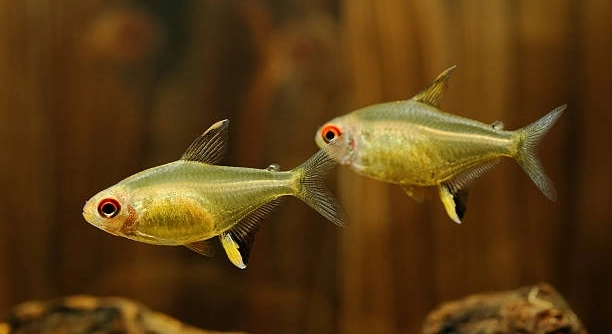
Do you ever notice your lemon tetras acting differently around other fish in the tank? Observing their social behavior can be fascinating, especially when small changes hint at complex interactions among these lively swimmers.
Lemon tetras do not exhibit jealousy in the way humans understand it. Their behaviors, such as chasing or nipping, are primarily driven by territory, social hierarchy, or mating instincts rather than emotional responses like jealousy.
Understanding these behavioral patterns will help you create a more harmonious environment in your aquarium and better care for your lemon tetras’ social needs.
Understanding Lemon Tetra Behavior
Lemon tetras are small, active fish that thrive in groups of six or more. They rely on schooling behavior to feel safe and reduce stress. Observing their movements can reveal much about their interactions. When a fish seems to chase or nip another, it is often a way to establish pecking order. These actions are rarely personal; they are instinctual responses to territory or social structure. Stress, overcrowding, or poor water conditions can increase aggressive behaviors. Providing plenty of swimming space, plants, and hiding spots allows each fish to feel secure. By monitoring their daily patterns, you can notice subtle signals of discomfort or tension early. It’s important to maintain stable water conditions, as sudden changes can trigger unusual activity. Regular feeding and a varied diet also support calm and predictable behavior. Over time, you’ll learn which behaviors are normal and which indicate a problem.
Observing schooling patterns helps reduce misinterpretation of normal behavior as jealousy.
When lemon tetras appear to compete for food or attention, it is usually related to natural instincts rather than emotional reactions. They may swim faster, hover near food, or briefly chase another fish. These behaviors are forms of interaction, not envy. Recognizing these patterns allows you to maintain a balanced tank without overreacting.
Signs of Stress in Lemon Tetras
Stress in lemon tetras can show as clamped fins, rapid breathing, or hiding.
Environmental factors like poor water quality, temperature fluctuations, or overcrowding are common stress triggers. Stress can lead to health problems, reduced immunity, and even shortened lifespans. Maintaining clean water with proper filtration is essential, and regular testing of pH, nitrate, and ammonia levels helps prevent problems. Overcrowding should be avoided, as lemon tetras need space to swim and establish their schooling patterns. Introduce tank decorations and plants to create natural hiding spaces, which reduces tension and allows fish to feel secure. Feeding small, consistent amounts throughout the day prevents competition and ensures all fish are nourished. Observing behavior daily helps detect early signs of stress before serious issues occur. Adjusting the environment gradually, rather than making sudden changes, supports stability. A calm, well-maintained tank encourages natural behavior, improves coloration, and keeps the group cohesive. By understanding these stress indicators, you can provide a healthier, more comfortable home for your lemon tetras, allowing them to thrive and interact naturally.
Common Misunderstandings About Jealousy
Many people assume chasing or nudging in lemon tetras is jealousy. In reality, these actions are instinctive responses to territory, food, or social hierarchy. Misreading these behaviors can lead to unnecessary concern or changes in tank management.
When lemon tetras interact, their movements can seem aggressive but are rarely personal. Chasing often occurs when a fish establishes dominance or explores its environment. Competition for food can also look like jealousy, but it is a natural survival behavior. Lemon tetras do not have the cognitive ability to feel envy in the human sense. Observing consistent patterns rather than isolated incidents helps clarify normal behavior. By understanding these distinctions, you can avoid misinterpreting common interactions and provide a more stable, stress-free environment for your aquarium.
Even schooling behavior can be misread. A fish that lags or separates temporarily may seem “ignored,” but this is usually related to individual temperament or momentary stress. Recognizing these subtle cues improves how you manage social dynamics in your tank and prevents overreaction to normal interactions. Understanding these details allows for better care and a harmonious group of lemon tetras.
Supporting Healthy Social Behavior
Providing ample space and hiding spots reduces stress-related interactions among lemon tetras.
Lemon tetras thrive in environments where they can swim freely and retreat when needed. Overcrowding can increase chasing or nipping, while a well-structured tank encourages natural schooling and peaceful interactions. Consistent water conditions, appropriate feeding routines, and environmental enrichment support healthy behavior. Plants, decorations, and gentle water flow allow each fish to establish its own comfort zone. Observing fish regularly helps detect early signs of tension and allows you to intervene before stress escalates. Maintaining a stable, enriched environment fosters a balanced social structure, ensuring all lemon tetras coexist harmoniously. Regularly monitoring their behavior helps reinforce positive interactions and reduces unnecessary stress.
Diet plays a key role in behavior. Feeding small, frequent portions prevents competition and ensures all fish receive adequate nutrition. A balanced diet with live, frozen, or high-quality flake food supports health, growth, and natural energy levels. Stress often emerges when food is scarce or unevenly distributed, leading to unnecessary chasing. Observing how fish interact during feeding times provides insight into social dynamics and helps you adjust practices. Environmental enrichment, like plants and hiding areas, complements dietary management. By combining proper nutrition with a well-organized habitat, lemon tetras are more likely to display calm, natural interactions, improving overall tank harmony and reducing perceived conflicts.
Observing Interactions Closely
Watching lemon tetras closely helps distinguish normal behavior from stress-related actions. Subtle changes in swimming patterns or fin movements often indicate mood or health rather than jealousy.
Regular observation builds familiarity with each fish’s habits, making it easier to notice deviations early. Consistency is key.
Adjusting Tank Conditions
Maintaining stable water temperature, pH, and cleanliness reduces stress in lemon tetras. Sudden changes can trigger chasing, hiding, or erratic swimming. Keeping parameters within recommended ranges ensures a calmer, more predictable environment. Adequate filtration, gentle water flow, and routine water changes are essential.
Feeding Practices
Feed small, evenly distributed portions multiple times daily. This minimizes competition and reduces tension among the group.
Providing Hiding Spaces
Plants, decorations, and shelters give lemon tetras places to retreat. These areas lower stress, encourage natural behavior, and improve overall tank harmony.
FAQ
Do lemon tetras show signs of jealousy?
Lemon tetras do not experience jealousy like humans do. Behaviors that might look like jealousy, such as chasing or nipping, are actually driven by instincts. These instincts include establishing social hierarchy, defending territory, or competing for food. Observing their interactions over time can help distinguish normal behavior from stress-induced aggression.
Why is my lemon tetra chasing other fish?
Chasing is usually about dominance or exploring boundaries. In small groups, it is more noticeable as they establish their social order. It is normal for fish to swim closely and nudge others. Overcrowding or lack of hiding spaces can make chasing more frequent, but it is rarely personal.
Can stress cause aggressive behavior?
Yes, stress is a major factor in unusual interactions. Poor water quality, sudden temperature changes, overcrowding, and inconsistent feeding schedules can trigger chasing, nipping, or hiding. Maintaining stable conditions and providing a spacious, enriched environment reduces stress and helps fish display calm, natural behaviors.
How can I tell if aggression is serious?
Aggression becomes a concern when fish are constantly harassed, injured, or isolated. Look for torn fins, constant chasing, or one fish hiding most of the time. Minor skirmishes are part of normal interaction, but persistent stress signals that environmental adjustments are needed.
Does feeding reduce competition?
Feeding small, frequent portions helps minimize competition. Lemon tetras may swim quickly toward food, but evenly distributed portions reduce chasing and ensure all fish eat. A varied diet with flakes, frozen, or live foods supports health and maintains calmer behavior.
Are hiding spaces necessary?
Yes, plants, rocks, and decorations give fish secure spots to retreat. Hiding spaces lower stress, allow natural schooling behavior, and prevent minor conflicts from escalating. A well-decorated tank encourages exploration and gives each fish a sense of safety.
Can I keep lemon tetras with other species?
Lemon tetras are peaceful and do well with other small, non-aggressive fish. Avoid housing them with large or territorial species. Mixing species requires attention to water requirements and behavior patterns to prevent stress or competition. Monitoring interactions ensures a harmonious tank.
How many lemon tetras should I keep together?
Keeping six or more lemon tetras is ideal. Small groups may show increased chasing or hiding because there are fewer fish to establish a balanced hierarchy. Larger groups support natural schooling, reduce stress, and make interactions appear calmer and more stable.
Will environment enrichment change behavior?
Yes, environmental enrichment like plants, caves, and gentle water flow encourages exploration, reduces boredom, and prevents aggressive displays. Lemon tetras use these areas to hide, rest, or observe, which helps maintain social balance and overall health in the tank.
How do I recognize stress early?
Signs include clamped fins, rapid breathing, hiding, or erratic swimming. Regular observation and maintaining consistent tank conditions help catch stress early. Intervening promptly prevents serious health issues and keeps the group more peaceful.
Can water quality affect social dynamics?
Absolutely. Poor water quality can cause irritability and unusual behavior. Regular water testing, proper filtration, and routine water changes maintain a stable environment, reducing aggression and supporting the fish’s natural interactions.
What is the best way to introduce new lemon tetras?
Introduce new fish gradually using a quarantine period when possible. Slowly acclimate them to the main tank to reduce stress. Monitoring their behavior after introduction ensures the group adjusts without excessive chasing or harassment.
Are male and female tetras different in behavior?
Males may display more active swimming and chasing during mating periods. Females usually remain calmer. Recognizing these differences helps interpret interactions correctly and prevents mislabeling normal behavior as jealousy.
Can I prevent all chasing?
Chasing cannot be entirely prevented, as it is part of natural behavior. However, proper tank size, group size, feeding practices, and environmental enrichment minimize excessive chasing and ensure a balanced, harmonious aquarium.
Is it normal for one fish to be singled out?
Occasionally, a fish may be temporarily isolated, especially when establishing hierarchy. Consistent isolation, injuries, or extreme hiding indicates stress or imbalance, which requires adjustment of tank conditions or group dynamics.
How often should I monitor behavior?
Daily observation is ideal. This helps track patterns, notice early stress signs, and maintain a calm, healthy environment. Observing interactions over time allows for better understanding of each fish’s behavior and social needs.
Do lemon tetras recognize each other?
Lemon tetras use sight and movement cues to recognize and interact with each other. They form loose hierarchies and respond to the behavior of familiar tank mates. Recognition helps maintain schooling behavior and reduces prolonged stress.
Can water temperature influence behavior?
Yes, lemon tetras are sensitive to temperature changes. Rapid shifts can increase activity or chasing. Keeping the water stable within the recommended range supports normal behavior and reduces unnecessary tension within the group.
Does tank size affect interactions?
Smaller tanks increase stress, chasing, and competition. Providing enough space for swimming, hiding, and schooling is essential. Larger tanks reduce conflict and support healthy social structure, allowing lemon tetras to display natural, calm behavior.
How long does it take for a group to settle?
New groups often take several days to a few weeks to establish hierarchy. Temporary chasing or separation is normal. With proper care, feeding, and space, the group stabilizes, and interactions become predictable and peaceful.
Lemon tetras are small, peaceful fish that display interesting social behaviors in the aquarium. Observing their interactions can sometimes be confusing, especially when chasing or nudging occurs. These behaviors are often mistaken for jealousy, but in reality, lemon tetras do not experience emotions like humans. Their actions are driven by instinct, social hierarchy, or environmental conditions. Chasing, swimming quickly toward food, or momentary separation from the group is usually normal behavior. Understanding this distinction helps in providing proper care and reduces unnecessary worry about their interactions.
Maintaining a healthy environment plays a key role in ensuring lemon tetras remain calm and display natural behavior. Clean, stable water with the right temperature, pH, and filtration reduces stress that can lead to excessive chasing or hiding. Providing a tank that is appropriately sized for the number of fish, along with hiding spaces like plants, rocks, and decorations, allows each fish to feel secure. Regular feeding with small, evenly distributed portions prevents competition and supports overall health. Observing the fish daily helps detect early signs of stress or discomfort so adjustments can be made before issues escalate. Over time, consistent care and attention to environmental conditions allow lemon tetras to thrive and interact naturally.
Social behavior in lemon tetras is largely influenced by group dynamics. Keeping six or more fish encourages natural schooling and reduces instances of chasing or isolation. When a new fish is introduced, a gradual acclimation period helps the group adjust and minimizes stress. Differences between males and females are also normal, with males sometimes displaying more active or dominant behavior during breeding periods. By understanding these patterns, it is easier to interpret interactions without assuming emotional motives like jealousy. Overall, creating a stable, enriched environment combined with careful observation supports a harmonious community, allowing lemon tetras to live healthily and display the lively, social behaviors that make them enjoyable to watch.

Hello,
If you enjoy the content that we create, please consider saying a "Thank You!" by leaving a tip.
Every little bit helps us continue crafting quality advice that supports the health, happiness, and well-being of pets around the world, for pets of all shapes, sizes, and species.
We really appreciate the kindness and support that you show us!