
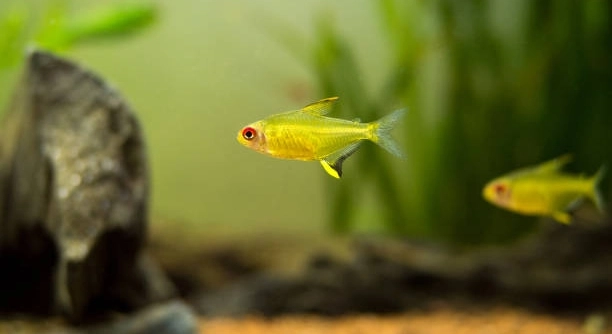
Lemon tetras are small, peaceful fish that thrive in calm, community tanks. They enjoy swimming in groups and generally get along well with other non-aggressive species. Choosing compatible tank mates is key to maintaining a balanced aquarium environment.
Lemon tetras usually coexist peacefully with similarly sized, non-aggressive fish such as rasboras, guppies, corydoras, and dwarf gouramis. These species share compatible water requirements and temperaments, which reduces stress and promotes healthy social interactions within a community tank.
Selecting the right companions can help your lemon tetras stay active, healthy, and stress-free in their aquatic home. Understanding their ideal tank mates ensures a harmonious and vibrant community.
Peaceful Community Fish
Lemon tetras do best with peaceful community fish that share similar temperaments. Small species like harlequin rasboras and guppies are excellent choices because they occupy similar areas of the tank and do not compete aggressively for food. Corydoras catfish are another compatible option, as they remain at the bottom of the tank and help clean leftover food without disturbing the tetras. Dwarf gouramis also tend to coexist well, as long as tank space is sufficient and aggressive behavior is minimal. Maintaining a calm, consistent environment with proper filtration and stable water conditions is essential to reduce stress. Properly arranged hiding spots, plants, and decorations also help all species feel secure, lowering the chances of conflict. Introducing new fish slowly and monitoring their interactions ensures that the lemon tetras adjust comfortably to the tank’s social dynamics.
Community fish that are small, peaceful, and active are usually safe with lemon tetras.
Creating a balanced tank with compatible species allows your lemon tetras to swim freely, socialize naturally, and maintain a healthy, stress-free environment. Plants and decorations provide hiding spaces that reduce territorial behavior, and keeping water parameters stable ensures all species remain healthy. Regular observation helps identify any signs of stress or aggression early, allowing timely adjustments. A proper feeding routine with high-quality flake or micro-pellet food shared among all species helps maintain peace and ensures nutrition. Overcrowding should be avoided, as it increases competition and can lead to tension. By carefully selecting companions and maintaining consistent care, lemon tetras can thrive in a vibrant, dynamic community tank where their colors, movement, and social behavior are fully displayed.
Bottom Dwellers
Corydoras catfish are ideal bottom dwellers that coexist well with lemon tetras due to their calm nature and different tank zone preference.
Corydoras help clean the tank by consuming uneaten food, reducing waste buildup. Their gentle temperament avoids stress for other species, including tetras. Proper substrate is important to protect their barbels and maintain health. They also add activity to the lower areas of the tank without causing conflicts, making them excellent companions for community setups. Their schooling behavior complements the tetras’ active swimming habits, providing balance and a lively but peaceful tank environment. By pairing bottom dwellers with mid- and top-level swimmers, you create a natural, visually engaging aquarium where all species can thrive simultaneously.
Dwarf Gouramis
Dwarf gouramis can coexist with lemon tetras if tank space is adequate. They are generally calm, occupy different swimming levels, and add a splash of color without causing stress or aggression in community tanks.
Dwarf gouramis remain mostly in the mid to upper tank levels, which complements the tetras’ schooling habits in the middle zone. Their peaceful temperament usually prevents conflicts, though territorial behavior can appear if the tank is overcrowded or lacks hiding spots. Providing plants and decorations helps minimize disputes, giving gouramis safe areas to retreat. Feeding should be evenly distributed, as gouramis can dominate the food at the surface if not monitored.
When introducing dwarf gouramis, observe their interactions closely during the first few days. They typically adapt well if water parameters match those preferred by lemon tetras. Balanced tank maintenance, proper filtration, and gradual acclimation support peaceful cohabitation, ensuring both species thrive in a shared environment.
Harlequin Rasboras
Harlequin rasboras are small, calm fish that swim in schools and rarely display aggression, making them compatible with lemon tetras. Their active yet gentle behavior enriches the mid-tank level without disturbing other species.
Harlequin rasboras thrive in similar water conditions as lemon tetras, including temperature and pH levels. They prefer swimming in groups of six or more, which encourages natural schooling behavior and reduces stress. Adding plants and decorations allows them to hide when needed, further minimizing tension. Feeding should be consistent to prevent competition, using flake or micro-pellet food. Their small size and peaceful temperament make them excellent companions in community tanks, enhancing the overall balance and movement of the aquarium.
Guppies
Guppies are small, colorful fish that generally coexist peacefully with lemon tetras. Their calm nature and active swimming habits make them compatible in a shared community tank.
They occupy the upper and middle tank levels, which complements the tetras’ schooling in the mid-level. Guppies adapt well to similar water conditions, making them easy to maintain together.
White Cloud Mountain Minnows
White Cloud Mountain Minnows are hardy, active swimmers that remain peaceful in community tanks. They tolerate similar temperature ranges as lemon tetras and can be kept in groups to promote natural schooling behavior. Their small size and low aggression make them suitable companions for a balanced aquarium environment.
Neon Tetras
Neon tetras are small, social fish that blend well with lemon tetras. Their schooling behavior and gentle temperament make them excellent tank mates for creating a peaceful mid-level swimming group.
FAQ
What are the best tank mates for lemon tetras?
The best tank mates for lemon tetras are small, peaceful fish that share similar water requirements. Species like harlequin rasboras, guppies, dwarf gouramis, neon tetras, and corydoras catfish are excellent choices. They swim at different levels of the tank, which reduces competition and stress, allowing all fish to coexist comfortably.
Can lemon tetras live with aggressive fish?
Lemon tetras should not be kept with aggressive or larger fish. Aggressive species may stress the tetras, causing illness, hiding, or reduced activity. Small, peaceful species are ideal, as they maintain harmony and allow lemon tetras to display natural schooling behavior without fear.
How many lemon tetras should I keep together?
Lemon tetras are schooling fish and thrive in groups of six or more. Keeping at least six reduces stress, encourages natural swimming patterns, and prevents loneliness. Larger groups improve activity and social interaction, creating a more balanced, lively tank environment.
What water conditions do lemon tetras need?
Lemon tetras prefer slightly acidic to neutral water with a pH between 6.0 and 7.5. Temperatures should be maintained between 72°F and 78°F. Stable water parameters and consistent filtration are crucial, as fluctuations can stress fish and lead to illness. Regular water changes help maintain a healthy environment.
Can I mix lemon tetras with bottom dwellers?
Yes, bottom dwellers like corydoras catfish or small loaches are compatible. They occupy different areas of the tank, reduce leftover food, and add activity to the bottom layer without disturbing mid-level swimmers. Proper substrate and hiding spots ensure both types of fish feel secure.
Do lemon tetras need hiding spots?
Hiding spots are important even for peaceful fish like lemon tetras. Plants, decorations, and small caves reduce stress, provide retreat areas, and allow fish to feel safe. Well-placed hiding spaces also help minimize territorial disputes among tank mates, supporting a harmonious environment.
How should I feed lemon tetras with other fish?
Feed lemon tetras small flake or micro-pellet foods suited to their size. Distribute food evenly to prevent more aggressive species from dominating. Occasional live or frozen foods like daphnia or brine shrimp can supplement their diet, promoting health and natural foraging behavior.
Are lemon tetras suitable for beginners?
Lemon tetras are considered beginner-friendly because they are small, hardy, and peaceful. They adapt well to standard community tanks when proper water parameters and compatible tank mates are maintained. Regular observation and basic maintenance ensure they thrive without complications.
Can lemon tetras coexist with shrimp or snails?
Yes, non-aggressive invertebrates like small shrimp or snails usually coexist well. They occupy different niches and help clean the tank. Avoid large or aggressive snail species that might compete for food, and ensure plants and hiding areas protect smaller invertebrates.
How do I introduce new fish to a lemon tetra tank?
Introduce new fish gradually by acclimating them to tank water temperature and chemistry. Quarantine new arrivals if possible to prevent disease. Add them slowly, observe interactions, and ensure enough space and hiding spots to reduce stress and promote a peaceful community.
How can I tell if lemon tetras are stressed?
Signs of stress include clamped fins, hiding, reduced swimming, loss of color, or refusal to eat. Water quality issues, aggressive tank mates, or overcrowding are common causes. Addressing these factors promptly helps restore their health and ensures a balanced tank environment.
Do lemon tetras need a large tank?
Lemon tetras do best in tanks of at least 20 gallons, especially when keeping a school and compatible species. Adequate space allows natural swimming patterns, reduces territorial disputes, and supports a healthy, thriving community aquarium.
Can lemon tetras breed in a community tank?
Breeding is possible but may be difficult in a community tank because other fish often eat the eggs. For successful breeding, provide a separate breeding tank with fine-leaved plants, soft water, and stable conditions to protect the eggs and fry.
How long do lemon tetras live?
With proper care, lemon tetras can live 3 to 5 years. Maintaining stable water conditions, a balanced diet, and compatible tank mates contributes to longevity. Regular observation ensures health issues are addressed early, allowing them to thrive throughout their lifespan.
Is it necessary to monitor water parameters daily?
Daily checks are not required but regular monitoring of temperature, pH, and ammonia/nitrite/nitrate levels is important. Weekly water tests and partial water changes keep conditions stable, reducing stress and promoting healthy, peaceful interactions among lemon tetras and their tank mates.
Can lemon tetras live with other tetra species?
Yes, many tetra species such as neon tetras or ember tetras can coexist. Ensure similar water requirements and temperaments. Keeping them in separate schools within the same tank can help reduce stress and maintain natural schooling behavior for each species.
How do I prevent disease in a community tank?
Maintain clean water, avoid overcrowding, quarantine new fish, and provide a balanced diet. Observing fish regularly allows early detection of signs like discoloration or unusual behavior. Quick action helps prevent outbreaks, keeping lemon tetras and their tank mates healthy.
Are lemon tetras active swimmers?
Lemon tetras are mid-level, active swimmers. They enjoy moving in schools and benefit from open space and plants to navigate. Their activity level contributes to a lively tank, and compatible tank mates help maintain a dynamic yet peaceful environment.
Do tank decorations affect lemon tetra behavior?
Yes, decorations, plants, and hiding spots reduce stress, encourage exploration, and support natural swimming patterns. A balanced arrangement prevents territorial conflicts, provides retreat spaces, and ensures both lemon tetras and other community fish coexist harmoniously.
Can lemon tetras tolerate different water hardness levels?
They prefer soft to moderately hard water. Extreme hardness or sudden changes can stress them, affecting health and coloration. Gradual adjustments and monitoring help maintain optimal water conditions suitable for both tetras and their compatible tank mates.
What is the ideal group size for mixed-species tanks?
Keeping lemon tetras in groups of six or more is recommended, while similarly sized peaceful species should be kept in compatible numbers. Balanced group sizes reduce aggression, encourage natural behavior, and create an active, harmonious community in the aquarium.
How do I maintain a peaceful community tank?
Select non-aggressive species, avoid overcrowding, provide adequate space, and maintain stable water conditions. Plants, decorations, and hiding spots minimize stress and territorial disputes. Regular feeding and observation ensure that all fish, including lemon tetras, coexist peacefully and display natural behaviors.
Can lemon tetras adapt to different tank setups?
They are adaptable to a variety of community tank setups, provided water conditions, space, and compatible tank mates are suitable. Gradual introductions and consistent maintenance help them adjust smoothly, allowing them to thrive in diverse aquatic environments.
How often should I perform water changes for lemon tetras?
Partial water changes of 20–30% weekly help maintain clean, stable conditions. This reduces nitrate buildup, prevents stress, and supports healthy interactions among lemon tetras and their tank mates, promoting a thriving community tank environment.
Do lemon tetras require special lighting?
Standard aquarium lighting is sufficient. Moderate lighting enhances their natural colors and supports plant growth without causing stress. Avoid overly bright or direct light, which may make tetras hide excessively or feel insecure.
Are lemon tetras compatible with live plants?
Yes, live plants are highly beneficial. They provide hiding spots, improve water quality, and create a natural environment. Plants also encourage natural behaviors like schooling and exploration, supporting both the health and well-being of lemon tetras and other tank mates.
How can I tell if tank mates are compatible?
Observe swimming behavior, feeding habits, and interactions. Compatible species maintain a peaceful balance, avoid chasing, and allow tetras to swim freely. Early observation of aggression or stress signals the need to adjust species, numbers, or tank setup to maintain harmony.
Do lemon tetras need supplemental feeding beyond flake food?
Occasional live or frozen foods like brine shrimp or daphnia provide protein and encourage natural foraging. This supplements their diet and keeps them healthy, especially when housed in a community tank with other peaceful species.
Can lemon tetras live in a small tank?
While they can survive in smaller tanks temporarily, a minimum of 20 gallons is recommended for a school and compatible species. Adequate space reduces stress, prevents territorial disputes, and allows natural schooling and swimming behaviors.
Is it necessary to quarantine new tank mates?
Quarantining new fish helps prevent disease and allows observation for aggression before introducing them to the main tank. This ensures the health and safety of lemon tetras and preserves the peaceful environment of the community aquarium.
Do lemon tetras require any special care for breeding?
Yes, breeding requires separate conditions. A dedicated tank with soft water, fine-leaved plants, and stable parameters improves egg survival. Lemon tetras tend to eat their own eggs in community tanks, so isolation is necessary for successful breeding.
How do I encourage schooling behavior in lemon tetras?
Keeping them in groups of six or more naturally promotes schooling. Providing open swimming space, plants, and calm surroundings supports cohesion and reduces stress, encouraging natural, synchronized swimming behavior among the tetras.
Can lemon tetras live with larger fish?
Large or aggressive fish are not suitable. They may intimidate, stress, or harm lemon tetras. Small, non-aggressive species are the safest choice to ensure healthy interactions and reduce the risk of injury or illness in the tank.
What are the signs of a healthy lemon tetra?
Bright coloration, active swimming, regular schooling, good appetite, and clear fins indicate health. Any signs of clamped fins, hiding, or reduced activity suggest stress or illness and should be addressed promptly to maintain a balanced tank.
Do lemon tetras require a varied diet?
A varied diet including flakes, micro-pellets, and occasional live or frozen foods ensures proper nutrition. It supports coloration, energy levels, and overall health, promoting peaceful interactions and thriving behavior in a community tank.
How often should I check water parameters for a community tank?
Weekly testing of ammonia, nitrites, nitrates, and pH is sufficient. Temperature should be monitored regularly. Maintaining stable conditions prevents stress, supports compatibility, and ensures the well-being of lemon tetras and other species.
Can lemon tetras adapt to new tank mates quickly?
They generally adapt if new tank mates are peaceful and water conditions are stable. Gradual introductions, proper acclimation, and observation reduce stress and help ensure smooth integration into the community tank.
Are lemon tetras suitable for planted tanks?
Yes, they thrive in planted tanks. Plants provide hiding spots, reduce stress, and create a natural swimming environment. Combining mid-level swimmers with bottom dwellers enhances tank balance and promotes a peaceful, healthy aquarium ecosystem.
Do lemon tetras show aggression?
Lemon tetras are peaceful and rarely show aggression. Conflicts are usually limited to stress situations, overcrowding, or incompatible tank mates. Proper care and compatible species selection help maintain calm and harmonious interactions.
How do I prevent overcrowding in a lemon tetra tank?
Follow recommended tank sizes, limit the number of fish, and account for space requirements of each species. Adequate swimming space reduces stress, prevents aggression, and ensures a healthy, active community.
Can lemon tetras live with snails and other invertebrates?
Yes, small snails and peaceful invertebrates are compatible. They occupy different areas, help maintain cleanliness, and rarely interfere with tetras. Providing hiding spots ensures smaller species are protected and coexist peacefully.
How do I know when a tank is balanced for lemon tetras?
A balanced tank features compatible species, stable water conditions, adequate hiding spots, proper nutrition, and low stress. Fish swim actively, school naturally, and display bright colors, indicating a healthy and harmonious aquarium environment.
Are lemon tetras affected by water flow?
Moderate water flow is ideal. Strong currents can stress them, while still water may reduce activity. Proper filtration ensures clean water without excessive flow, supporting natural swimming behavior and social interactions.
Do lemon tetras require a strict feeding schedule?
Regular feeding promotes health and reduces aggression. Once or twice daily is sufficient, with occasional fasting to prevent overfeeding. Consistent routines help maintain peace among tank mates and ensure proper nutrition.
Can lemon tetras adapt to changes in lighting or décor?
Yes, gradual changes are tolerated, but sudden adjustments may cause stress. Rearranging decorations or adjusting lighting slowly allows them to adapt while maintaining natural swimming patterns and peaceful interactions with tank mates.
How can I improve water quality for lemon tetras?
Regular partial water changes, proper filtration, and avoiding overfeeding maintain clean water. Live plants, gravel vacuuming, and monitoring ammonia, nitrite, and nitrate levels support stable conditions and reduce stress for all tank inhabitants.
What is the ideal tank setup for lemon tetras?
A 20-gallon or larger tank with mid-level swimming space, planted areas, hiding spots, and gentle water flow is ideal. Compatible species, stable water conditions, and proper feeding routines ensure a healthy, peaceful community environment.
Can lemon tetras tolerate fluctuating temperatures?
Frequent or sudden temperature changes stress lemon tetras, affecting health and behavior. Maintaining stable conditions between 72°F and 78°F supports immune function, activity, and compatibility with other community species.
Are lemon tetras sensitive to ammonia or nitrites?
Yes, even low levels of ammonia or nitrites can harm them. Regular testing, proper filtration, and routine water changes prevent accumulation and ensure a safe, stable environment for lemon tetras and other tank mates.
Do lemon tetras need companion fish for social behavior?
Yes, being schooling fish, they rely on groups to display natural behavior. Keeping at least six or more promotes activity, reduces stress, and encourages proper schooling, enhancing overall tank harmony.
How can I reduce stress for lemon tetras in a community tank?
Provide ample space, compatible species, hiding spots, stable water conditions, and consistent feeding. Avoid overcrowding and aggressive tank mates, and observe interactions regularly. These steps ensure tetras remain healthy, active, and stress-free in a shared aquarium.
Can lemon tetras coexist with bettas?
Bettas can be aggressive, making them a risky choice. If the betta is unusually calm and the tank is large with hiding spots, coexistence is possible, but careful observation is required to avoid stress or injury to lemon tetras.
Do lemon tetras require a high-protein diet?
Moderate protein is sufficient. Flake or micro-pellet foods, supplemented occasionally with live or frozen foods, support growth, coloration, and energy. Excessive protein can lead to water quality issues, so balance is essential for a healthy community tank.
How often should I check for signs of illness in lemon tetras?
Observation during daily feeding or routine maintenance is ideal. Watch for changes in color, fins, behavior, or appetite. Early detection ensures timely care, reducing the risk of spreading disease and maintaining a healthy tank environment.
Can lemon tetras adapt to different water hardness levels?
They tolerate soft to moderately hard water but are sensitive to sudden changes. Gradual adjustments and consistent monitoring help maintain health, color, and peaceful interactions with other compatible species.
Are lemon tetras compatible with guppies?
Yes, guppies share similar temperament, size, and water preferences. Both species swim in mid-level zones, interact peacefully, and adapt well to the same feeding routines, creating a harmonious community environment.
Can lemon tetras live with other small schooling fish?
Yes, species like neon tetras, harlequin rasboras, and white cloud mountain minnows are compatible. They form peaceful schools, occupy similar tank levels, and enhance social behavior, creating a lively yet calm aquarium environment.
Do lemon tetras require specific tank decorations?
Plants, rocks, and hiding spots are recommended. They provide shelter, reduce stress, encourage exploration, and support natural behavior. A well-structured tank also prevents territorial disputes among tetras and their community tank mates.
How long does it take for lemon tetras to adjust to a new tank?
They usually acclimate within a few days to a week if water conditions are stable, tank mates are peaceful, and proper feeding routines are followed. Gradual introduction reduces stress and supports smooth adaptation.
Are lemon tetras suitable for a mixed-species tank with other small fish?
Yes, when water conditions, tank size, and temperament compatibility are considered. Peaceful, similarly sized fish allow tetras to swim naturally, school effectively, and maintain health, ensuring a balanced and active community tank.
Can lemon tetras live with shrimp?
Small, peaceful shrimp like cherry or ghost shrimp are compatible. They occupy different areas of the tank and rarely disturb tetras, while also contributing to cleaning. Hiding spots protect shrimp from accidental nips.
Do lemon tetras need strong filtration?
Moderate filtration is sufficient. Strong currents can stress them, while weak filtration may lead to poor water quality. Proper filtration maintains clarity, removes toxins, and supports a healthy, active community aquarium.
How can I prevent aggression among tank mates?
Avoid aggressive or oversized species, provide hiding spots, maintain adequate space, and monitor interactions. Balanced feeding routines and compatible schooling species reduce competition, ensuring a peaceful environment for lemon tetras.
Do lemon tetras prefer open swimming areas or dense plants?
They need both. Open areas allow schooling and active swimming, while plants offer hiding spots and security. A mix ensures natural behavior, reduces stress, and creates a visually appealing tank environment.
Are lemon tetras sensitive to tank maintenance routines?
Regular, gentle maintenance is well tolerated. Sudden large changes in water parameters, over-cleaning, or aggressive rearrangement can stress tetras. Consistency and careful handling maintain a healthy, calm environment.
Can lemon tetras live with snails?
Small, peaceful snail species coexist well. They help clean the tank and occupy different areas, avoiding conflict with tetras. Providing plants and hiding spaces ensures harmony for all species.
Do lemon tetras need weekly observation?
Yes, observing behavior, appetite, and interactions weekly helps identify stress or health issues early. Early intervention ensures tetras and their tank mates remain healthy and compatible.
Are lemon tetras compatible with other peaceful mid-level swimmers?
Yes, species like neon tetras, guppies, and harlequin rasboras complement lemon tetras. They share swimming levels, temperament, and feeding habits, maintaining balance and reducing stress in a community tank.
Can lemon tetras adapt to slightly different pH levels?
They tolerate slight deviations from their ideal range (6.0–7.5), but sudden shifts can cause stress. Gradual adjustments maintain health,
Lemon tetras are small, peaceful fish that add a lot of life and color to a community tank. They are easy to care for when placed in a well-planned aquarium with compatible species. Choosing tank mates carefully is essential because lemon tetras are social and can be easily stressed by aggressive or overly large fish. Maintaining a calm environment with plenty of space, plants, and decorations helps them feel secure and encourages natural schooling behavior. A balanced tank not only benefits the lemon tetras but also creates a visually appealing and dynamic aquarium overall. By observing their interactions and maintaining proper care routines, you can ensure these fish thrive alongside other peaceful species.
Providing a stable habitat is one of the most important aspects of caring for lemon tetras. Regular water changes, proper filtration, and monitoring water parameters like pH, temperature, and hardness all contribute to their health and well-being. Keeping lemon tetras in groups of six or more allows them to exhibit natural swimming patterns and reduces stress. Their mid-level swimming habits complement bottom dwellers and other small, peaceful fish, creating a layered and active tank environment. Feeding them a varied diet, including flakes, micro-pellets, and occasional live or frozen foods, ensures they receive the proper nutrition. Careful attention to these details helps prevent illness, promotes longevity, and encourages vibrant colors and energy.
Compatibility with other fish is key to a successful community tank. Lemon tetras do best with other small, non-aggressive species such as guppies, rasboras, dwarf gouramis, corydoras, and neon tetras. Introducing new fish gradually and monitoring their behavior minimizes stress and ensures smooth integration into the tank. Providing hiding spots and plants reduces territorial disputes and makes all species feel safe. A well-maintained aquarium with compatible tank mates encourages natural behavior, reduces conflict, and promotes long-term health for all fish. When these conditions are met, lemon tetras not only survive but thrive, bringing activity, color, and balance to any community aquarium.

Hello,
If you enjoy the content that we create, please consider saying a "Thank You!" by leaving a tip.
Every little bit helps us continue crafting quality advice that supports the health, happiness, and well-being of pets around the world, for pets of all shapes, sizes, and species.
We really appreciate the kindness and support that you show us!