
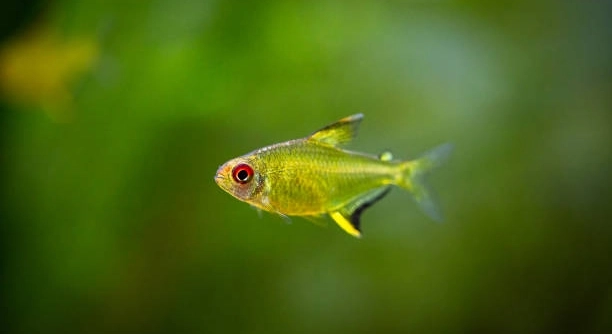
Lemon tetras are small, bright fish that brighten any freshwater aquarium. Many aquarium owners enjoy observing their active movements and vibrant colors as they swim through planted tanks with ease and grace.
Lemon tetras can learn to accept food from their owners, showing some comfort with hand-feeding. Consistent, gentle offering of food may encourage them to approach, though individual responses vary based on temperament and environmental conditions.
Learning proper hand-feeding techniques can improve interactions and strengthen the bond between owner and fish, making the aquarium experience more engaging and enjoyable overall.
Understanding Lemon Tetra Behavior
Lemon tetras are naturally social and active fish. They enjoy swimming in groups and exploring their environment. Observing their daily routines can reveal patterns, such as where they prefer to feed and rest. They respond well to stable water conditions and regular feeding schedules. Bright lighting and live plants make them feel secure, encouraging normal behaviors. Over time, they may become accustomed to human presence, often swimming closer when someone approaches the tank. Patience is important because each fish has its own personality. Some are more outgoing, while others may be shy or cautious. Recognizing these differences can help owners provide a more comfortable environment and improve interactions.
Their social behavior makes them more likely to accept hand-feeding, particularly when they feel safe and secure within their group.
Regular observation helps identify the best time to interact with your lemon tetras. Feeding them in calm, consistent routines increases the chances of hand-feeding success. Using small portions and observing their reactions allows adjustments to ensure the fish remain comfortable. Maintaining proper tank conditions supports their health, making them more responsive to gentle interaction.
Tips for Hand-Feeding Lemon Tetras
Hand-feeding requires patience and careful observation. Start slowly and use small pieces of food to build trust.
Consistency is key when training lemon tetras to accept food from your hand. Choose quiet times when the tank is calm and free of sudden movements. Begin by placing food near the surface, letting the fish become familiar with your presence. Over repeated sessions, they may start associating your hand with feeding. Avoid overfeeding, as it can affect water quality and the fish’s health. Watching their behavior closely helps determine when they are ready to take food directly from your hand. With time, even the shyest individuals may approach confidently, making hand-feeding a rewarding practice for both you and the fish. Regular care, clean water, and patience are essential for building this gentle interaction.
Creating a Safe Feeding Environment
Keep the tank calm during feeding sessions. Remove sudden distractions and avoid tapping on the glass. Ensure the water is clear and properly filtered to prevent stress. A quiet environment encourages lemon tetras to explore and accept food near your hand without fear.
Providing hiding spots and live plants helps fish feel secure during hand-feeding. They are more likely to approach slowly when they have areas to retreat to if startled. Avoid overcrowding the tank, as excessive competition can make hand-feeding stressful. Maintain stable water parameters, including temperature, pH, and cleanliness, which supports natural behaviors and keeps fish healthy. Observing your fish closely allows adjustments in feeding techniques.
Slow, consistent sessions improve hand-feeding success. Introduce food gradually, letting tetras become familiar with its presence. Over time, some fish may swim closer and take food directly from your fingers. Patience and careful observation remain crucial throughout this process.
Choosing the Right Food
Small, high-quality flakes or micro-pellets work best for hand-feeding lemon tetras. Avoid large pieces that are difficult to manage.
Variety in diet supports both health and feeding responsiveness. Offer live or frozen foods like brine shrimp or daphnia to encourage natural hunting behaviors. These foods often stimulate curiosity and can motivate fish to interact with your hand. Rotate food types to prevent nutrient deficiencies and maintain interest. Feeding at consistent times helps fish recognize patterns and associate your presence with a positive experience. Monitor how quickly they consume each type, adjusting portions to prevent waste. Combining nutritional balance with interaction-focused feeding strengthens both health and engagement.
Observing fish reactions to different foods allows you to identify preferences. Start with small amounts to prevent overfeeding, gradually increasing as trust builds. Avoid leaving uneaten food in the tank to maintain water quality. Hand-feeding should remain a controlled, short session rather than a constant source of food. Over time, the fish will learn to approach your hand for specific treats, making feeding a more interactive experience. A consistent approach ensures both safety and enjoyment for the lemon tetras.
Timing and Patience
Feed lemon tetras at the same time each day to build routine. Predictable schedules make them more likely to recognize your hand as a source of food.
Avoid rushing sessions. Allow the fish to approach slowly and at their own pace. Patience encourages trust and reduces stress, improving hand-feeding success.
Observing Fish Reactions
Watch for signs of interest or hesitation during feeding. Fish may hover near food or retreat quickly, signaling readiness or caution.
Understanding these cues is essential. Some tetras may take longer to adapt, while others quickly approach your hand. Respecting their individual pace ensures a positive experience, avoiding stress and promoting consistent interaction over time.
Handling Challenges
Not all lemon tetras respond immediately to hand-feeding. Consistency, gentle movements, and small portions help overcome hesitation, gradually encouraging interaction.
Maintaining Water Quality
Regular cleaning and filtration keep the tank environment safe for hand-feeding sessions, supporting fish health and reducing stress.
FAQ
How long does it take for lemon tetras to accept hand-feeding?
Acceptance varies depending on the fish and tank conditions. Some tetras may start approaching within a few days of consistent, calm sessions, while others might take several weeks. Regular, gentle feeding builds trust gradually. Patience is essential to avoid stressing the fish and to encourage positive interaction.
Can all lemon tetras be hand-fed?
Not all individuals will respond the same way. Some are naturally shy or cautious and may never fully take food directly from your hand. Providing a calm environment, proper water conditions, and small, manageable food portions increases the likelihood of success. Avoid forcing interaction, as this can create fear.
What type of food is best for hand-feeding?
Small flakes, micro-pellets, and tiny pieces of live or frozen foods like brine shrimp work best. These foods are easy to handle and less intimidating. Rotating food types keeps the fish interested and ensures they receive proper nutrition while reinforcing hand-feeding behavior.
How often should I hand-feed lemon tetras?
Short, consistent sessions are better than long or frequent attempts. Feeding once or twice a day at regular times builds familiarity. Overfeeding can harm water quality and fish health, so limit portions and monitor consumption carefully.
Is it safe to hand-feed in a community tank?
Yes, but be aware that other species may compete for food. Create a calm, controlled environment and monitor interactions. Some tetras may hesitate if larger or more aggressive fish are present. Providing hiding spaces and multiple feeding points can reduce competition and stress.
What signs show that hand-feeding is working?
Fish swimming confidently toward your hand, hovering near food, and taking small bites are good indicators. Over time, repeated positive experiences reinforce trust. Hesitation or retreat indicates the need to slow down and allow more time for adjustment.
Can hand-feeding stress the fish?
Yes, if done too quickly or with sudden movements. Start slowly, maintain a quiet environment, and watch their behavior. Adjusting the approach based on individual temperament helps reduce stress and makes feeding a positive interaction.
Does hand-feeding improve the bond with lemon tetras?
Hand-feeding can strengthen recognition and trust, making the fish more comfortable with your presence. While tetras are not pets in the traditional sense, gentle, consistent feeding interactions encourage natural curiosity and reduce fear of human contact.
Should I use hands or tools for feeding?
Hands work best for encouraging interaction and building trust. Use fingers gently and avoid sudden movements. Tweezers or feeding sticks are helpful for cautious fish or when offering live food, but direct hand-feeding often promotes the strongest responses.
What if my lemon tetras ignore my hand?
Patience and consistency are key. Try smaller food portions, quieter sessions, or slightly different times of day. Some fish are naturally more cautious, and repeated, gentle exposure usually leads to gradual acceptance. Avoid forcing interaction, as this may increase fear.
Can hand-feeding replace regular feeding?
No, hand-feeding should complement regular tank feeding. Ensure a balanced diet and proper nutrition. Hand-feeding is mainly for interaction, enrichment, and observation, rather than serving as the sole method of feeding.
How can I make hand-feeding safer for the fish?
Maintain stable water conditions, use small food portions, and feed in a calm environment. Observe behavior closely, and remove uneaten food promptly to preserve water quality. Gentle, consistent practices prevent stress and support fish health over time.
Are there age differences in hand-feeding acceptance?
Juvenile lemon tetras may be quicker to approach food due to curiosity, while older fish can be more cautious. Regardless of age, consistent sessions, patience, and appropriate food size improve success for all fish.
Can hand-feeding encourage aggression?
Typically, lemon tetras are peaceful, but food competition can create minor skirmishes. Monitor interactions and feed small amounts gradually. Using multiple feeding spots or dispersing food reduces competition and maintains a calm environment.
How important is water temperature during hand-feeding?
Temperature affects activity levels and feeding responses. Lemon tetras thrive in stable, moderate temperatures. Sudden fluctuations can reduce appetite or cause stress, so maintain a consistent, suitable environment during feeding sessions.
Lemon tetras are small, peaceful fish that respond well to gentle care and observation. Hand-feeding can be a rewarding way to interact with them, but it requires patience and consistency. These fish are naturally social and curious, yet each individual has its own temperament. Some may approach food quickly, while others need more time to feel comfortable. Creating a calm environment during feeding sessions helps reduce stress and encourages positive behavior. Avoid sudden movements or loud noises around the tank, as these can cause the fish to retreat or become anxious. Over time, repeated gentle interactions help the tetras recognize your presence as a source of safety and food, making the experience more enjoyable for both you and the fish.
Maintaining proper water conditions is crucial for successful hand-feeding. Lemon tetras are sensitive to changes in water temperature, pH, and cleanliness, so regular monitoring is important. Uneaten food should be removed promptly to prevent water quality issues. Using small, appropriate portions of high-quality flakes, micro-pellets, or live and frozen foods helps the fish adjust to hand-feeding without compromising their health. Observing their reactions closely during each session allows you to adjust the approach and pace to suit their needs. Providing hiding spots and plants in the tank offers a sense of security, allowing more timid individuals to approach gradually. Over time, these practices create a safer and more comfortable environment, increasing the likelihood that the fish will accept food directly from your hand.
Hand-feeding lemon tetras is not only about providing food but also about fostering trust and engagement. Consistent, short feeding sessions at predictable times help establish routine and encourage fish to interact more confidently. It is important to recognize that not all tetras will respond the same way, and some may never take food directly from your hand. This is normal and does not indicate poor care. Focusing on the fish’s comfort and well-being should always take priority. By practicing patience, observing behavior, and maintaining ideal tank conditions, hand-feeding can become a gentle and enjoyable interaction. Over time, even the shyest fish may begin to approach confidently, making your aquarium experience more interactive and rewarding, while also supporting the overall health and happiness of your lemon tetras.

Hello,
If you enjoy the content that we create, please consider saying a "Thank You!" by leaving a tip.
Every little bit helps us continue crafting quality advice that supports the health, happiness, and well-being of pets around the world, for pets of all shapes, sizes, and species.
We really appreciate the kindness and support that you show us!