
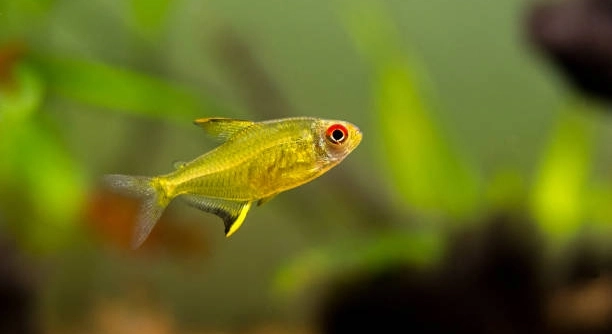
Lemon tetras are vibrant, small freshwater fish that bring life to any aquarium. Maintaining the right water conditions is essential for their health, behavior, and coloration. Proper care ensures they thrive and display their natural charm.
To support the well-being of lemon tetras, seven key water parameters must be monitored and maintained. These include temperature, pH, hardness, ammonia, nitrite, nitrate, and oxygen levels. Consistently balancing these factors prevents stress, disease, and behavioral issues, promoting optimal growth and longevity.
Knowing the correct water parameters will make your lemon tetras healthier and more active. This guide will help you maintain their ideal aquatic environment.
Temperature
Lemon tetras thrive in water temperatures between 72 and 79°F (22–26°C). Keeping your aquarium within this range helps regulate their metabolism, activity, and immune system. Sudden changes in temperature can stress your fish, making them more vulnerable to disease. Using a reliable heater and thermometer ensures stability. Avoid placing the tank near windows, vents, or direct sunlight, which can cause fluctuations. Gradual adjustments are important if you need to change the temperature. Young and newly introduced tetras are particularly sensitive, so monitor them closely. Maintaining consistency creates a comfortable environment, allowing your fish to swim, feed, and interact naturally. Observing their behavior regularly helps you detect stress early. Healthy lemon tetras display bright colors, active swimming, and normal feeding patterns. Neglecting temperature control often results in lethargy or susceptibility to illness, which can be prevented with careful monitoring.
Temperature control is the foundation for a healthy aquarium. Proper equipment and careful observation keep your tetras active and thriving.
Keeping water steady requires both a thermometer and a heater. Monitoring daily prevents stress from sudden fluctuations and ensures all fish remain healthy. Regular checks and gradual adjustments make maintaining the perfect temperature simple and effective. Consistent warmth supports growth, reproduction, and overall vitality, making your tank a stable, safe home. Even minor drops or spikes can affect delicate species, so being proactive is key.
pH Level
Lemon tetras prefer slightly acidic to neutral water, ideally between 5.5 and 7.0. Maintaining a stable pH supports metabolic processes and overall health, reducing stress and improving color vibrancy.
To adjust pH, use natural methods like driftwood or peat moss, or chemical buffers if needed. Frequent testing prevents sudden shifts.
A stable pH ensures your tetras remain active and disease-free. Even small variations can disrupt their behavior or appetite. Testing water weekly helps maintain consistency. Sudden changes from tap water or untreated additions can shock fish, so conditioning water before adding it to the tank is important. Using natural substrates like leaf litter can gently lower pH over time. Avoid strong chemicals that might create rapid swings. Observing fish daily allows you to notice any changes in behavior caused by pH stress. Consistent, gradual management keeps the aquarium environment predictable. With proper attention, lemon tetras maintain bright coloration, feed regularly, and remain socially active, creating a balanced and healthy tank ecosystem.
Water Hardness
Lemon tetras do best in soft to moderately hard water, around 50–150 ppm. Proper hardness supports their osmotic balance and overall health, helping them maintain energy and coloration.
Water hardness affects the fish’s ability to regulate minerals and electrolytes. Soft water mimics their natural habitat, promoting better growth and active swimming. Using a reliable test kit allows you to track hardness levels and make adjustments as needed. Adding minerals gradually helps prevent stress caused by sudden changes. Tap water often varies, so conditioning it before introducing fish ensures stability. Observing fish behavior can indicate if hardness is suitable, as sluggishness or clamped fins may signal imbalance. Proper hardness also affects breeding, with stable levels encouraging spawning in healthy adults.
Maintaining soft to moderately hard water is essential for vibrant, active lemon tetras. Simple testing and gradual adjustments prevent stress, supporting overall vitality. Proper minerals keep them healthy, active, and more colorful in the aquarium environment.
Ammonia Levels
Ammonia should always be at 0 ppm in a lemon tetra tank. Even small amounts can harm gills, stress fish, and lead to illness. Regular monitoring ensures a safe and healthy environment.
Ammonia is highly toxic to fish, impacting breathing and immune function. It often comes from overfeeding, decaying plants, or insufficient filtration. Regular water changes and proper tank maintenance help control levels effectively. Cycling a new tank before introducing fish prevents dangerous spikes. Observing fish for signs like gasping at the surface or redness in gills can indicate ammonia stress. Using a reliable test kit allows you to detect even small amounts before they become harmful. Maintaining biological filtration with beneficial bacteria helps convert ammonia into less harmful compounds, keeping the water safe for your tetras consistently.
Consistently monitoring and controlling ammonia levels protects your lemon tetras from stress and disease. Proper filtration, careful feeding, and frequent testing ensure their long-term health and stability in the tank.
Nitrite Levels
Nitrite must remain at 0 ppm to keep lemon tetras safe. Even low amounts can interfere with oxygen transport in their blood, causing stress or illness.
Regular water changes and a fully established biological filter are essential. Testing nitrite frequently prevents dangerous spikes that could harm the fish.
Nitrate Levels
Nitrate should be kept below 20–40 ppm for lemon tetras. High nitrate levels stress fish, reduce immunity, and can stunt growth over time. Regular partial water changes, proper feeding, and maintaining live plants help keep nitrate levels under control. Avoid overstocking the tank, as more fish produce more waste, raising nitrate quickly. Filtration also plays a key role; a well-maintained filter reduces accumulation by processing organic waste efficiently. Observing fish behavior and coloration can indicate nitrate issues, as lethargy or faded colors often signal high levels. Consistent monitoring ensures a safe environment and supports overall health.
Oxygen Levels
Lemon tetras require well-oxygenated water. Adequate surface movement and aeration keep oxygen levels sufficient, ensuring healthy respiration and activity.
FAQ
What is the ideal temperature for lemon tetras?
Lemon tetras do best in water temperatures between 72 and 79°F (22–26°C). Maintaining this range ensures stable metabolism, active swimming, and a strong immune system. Sudden fluctuations can stress them, so using a reliable heater and thermometer is important. Gradual adjustments are safest when changes are needed.
How important is pH for lemon tetras?
A stable pH between 5.5 and 7.0 is crucial. It supports metabolism, reduces stress, and keeps coloration bright. You can gently adjust pH using natural methods like driftwood or peat moss, or chemical buffers if necessary. Regular testing prevents sudden swings that may harm the fish.
What water hardness is suitable?
Soft to moderately hard water, around 50–150 ppm, is ideal. Proper hardness helps regulate minerals and electrolytes in their bodies. Tap water often varies, so testing and gradual adjustments are important. Maintaining suitable hardness supports growth, reproduction, and overall health.
How do I control ammonia levels?
Ammonia should always be 0 ppm. Overfeeding, decaying plants, or insufficient filtration can raise ammonia. Frequent water changes, a cycled tank, and active biological filtration prevent spikes. Watch for gasping fish or red gills, which indicate ammonia stress. Testing regularly keeps water safe.
What nitrate level is safe?
Nitrate should stay below 20–40 ppm. High nitrate can stress fish, weaken immunity, and reduce activity. Partial water changes, proper feeding, live plants, and efficient filtration help control levels. Overstocking increases nitrate quickly, so balance fish numbers carefully. Observing fish color and energy helps detect high levels.
How do I monitor nitrite?
Nitrite must remain at 0 ppm. It affects oxygen transport in fish blood, causing stress or illness. Biological filtration, water changes, and frequent testing are essential. Watch fish behavior for signs of nitrite stress, like gasping at the surface or sluggish movement.
Why is oxygen important?
Lemon tetras need well-oxygenated water. Proper surface movement, aeration, and filtration keep oxygen levels sufficient. Low oxygen can cause lethargy, gasping, or irregular swimming. Maintaining circulation ensures all fish get adequate oxygen consistently.
Can I use tap water?
Tap water can be used if treated. Chlorine, chloramine, and heavy metals must be removed with a water conditioner. Testing for hardness, pH, and nitrates before adding fish helps maintain a stable environment. Gradual acclimation is important when introducing tetras to new water.
How often should I test water parameters?
Testing weekly is recommended for stable tanks. Newly set-up or heavily stocked tanks may require more frequent checks. Monitoring temperature, pH, ammonia, nitrite, nitrate, and hardness prevents stress and disease. Consistency keeps lemon tetras healthy and active.
What if water parameters fluctuate?
Fluctuations cause stress, reduce immunity, and can lead to illness. Gradual changes are safer than sudden adjustments. Monitor fish behavior closely, and make corrections carefully. Using a stable heater, reliable filtration, and water conditioners helps minimize variations.
Can live plants help maintain parameters?
Yes. Plants absorb nitrates and produce oxygen, improving water quality. They also create natural hiding spaces, reducing stress. Fast-growing species like hornwort or java moss are especially effective at balancing nitrate and oxygen levels. Proper trimming prevents decay that could raise ammonia.
How do I adjust pH naturally?
Adding driftwood, Indian almond leaves, or peat moss can slightly lower pH over time. Avoid chemicals that create rapid swings. Regular monitoring ensures the changes are safe and gradual. Observing fish behavior confirms whether adjustments are suitable.
How do I know if my lemon tetras are stressed?
Signs include clamped fins, faded color, lethargy, reduced appetite, and gasping at the surface. These can indicate poor water quality, temperature fluctuations, or inadequate oxygen. Addressing the specific parameter that is off helps restore health.
Are there special considerations for breeding?
Soft, slightly acidic water encourages breeding. Stable parameters are critical. A separate breeding tank may help control conditions and reduce stress. Spawning success improves with consistent temperature, low nitrate levels, and proper filtration. Observing behavior helps identify readiness.
What filtration is best?
A reliable filter that supports biological, mechanical, and chemical filtration is ideal. Biological filtration maintains beneficial bacteria to process ammonia and nitrite. Mechanical filtration removes debris, and chemical filtration controls odors and toxins. Regular maintenance keeps performance consistent.
Can lemon tetras tolerate community tanks?
Yes, if tank mates are peaceful and water parameters are stable. Aggressive or much larger fish can stress them. Compatibility, proper stocking levels, and hiding spaces are essential for a harmonious tank. Monitoring interactions ensures all species thrive.
How often should water be changed?
Partial water changes of 20–25% weekly help maintain stable ammonia, nitrite, and nitrate levels. Frequency can increase in heavily stocked tanks. Using treated, temperature-matched water prevents sudden stress. Observing fish response after changes ensures the process is safe.
What equipment is necessary for maintaining parameters?
Essential equipment includes a heater, thermometer, filter, test kits for pH, hardness, ammonia, nitrite, and nitrate, and an aeration system if needed. Reliable tools allow consistent monitoring and adjustments, keeping water parameters within the safe range.
Can diet affect water quality?
Yes. Overfeeding leads to leftover food decomposing, which raises ammonia and nitrate levels. Feeding small portions that fish consume quickly reduces waste. A varied, high-quality diet supports health while minimizing water contamination.
How do I acclimate lemon tetras to new water?
Float the sealed bag in the tank for 15–20 minutes, then gradually mix tank water in small increments over 30–60 minutes. This allows fish to adjust to temperature, pH, and hardness safely, reducing stress.
What is the best way to observe water quality effects?
Regular observation of fish behavior, color, and activity provides clues. Lethargy, faded colors, or unusual swimming often indicate issues. Combine observation with testing to ensure parameters remain within safe limits. Prompt correction maintains health and vitality.
How long should I wait before adding fish to a new tank?
Cycle the tank fully, which usually takes 4–6 weeks. Beneficial bacteria must establish to process ammonia and nitrite. Adding fish too early exposes them to toxic spikes, causing stress or death. Testing ensures safe conditions before introduction.
What role does aeration play in a planted tank?
Even with plants, aeration ensures oxygen reaches all areas of the tank. Plants produce oxygen mainly during daylight, so additional circulation prevents low oxygen at night or in shaded areas. Aeration also improves surface gas exchange.
Can stress from water parameters affect lifespan?
Yes. Chronic stress from poor water quality shortens lifespan, reduces immunity, and increases susceptibility to disease. Maintaining stable temperature, pH, hardness, and low ammonia and nitrite levels supports longevity and consistent activity.
How do I know if filtration is sufficient?
Clear water, minimal debris, and stable ammonia, nitrite, and nitrate levels indicate effective filtration. If water parameters fluctuate frequently or fish show stress signs, filtration may be inadequate or require maintenance. Regular cleaning and inspection maintain efficiency.
Can sudden tap water changes harm fish?
Yes. Tap water may contain chlorine, chloramine, or heavy metals that are toxic. Always treat water before adding it. Gradually acclimating fish and monitoring parameters prevents stress and health problems.
What is the easiest way to maintain stable water parameters?
Consistency is key. Use a heater, reliable filtration, regular testing, partial water changes, and controlled feeding. Monitor fish behavior to catch early signs of imbalance. Gradual adjustments are safer than sudden changes. Keeping records can help track trends over time and prevent issues.
How do seasonal changes affect water quality?
Temperature fluctuations from seasonal shifts can stress fish. Air-conditioned or heated rooms may cause sudden changes. Regular monitoring and adjusting the heater, checking oxygen levels, and keeping water chemistry consistent prevent seasonal impacts.
How can I make testing simpler?
Keep a dedicated testing kit for ammonia, nitrite, nitrate, pH, and hardness. Test weekly, record results, and compare trends. Having easy access to tools encourages consistency and prevents neglect. Observing fish alongside testing confirms results.
What common mistakes affect water parameters?
Overfeeding, skipping water changes, introducing uncycled tanks, using untreated tap water, and overcrowding all disrupt parameters. Maintaining a steady routine, testing, and observing fish behavior prevents common problems. Avoid rushing adjustments or ignoring small changes.
How long can lemon tetras tolerate minor fluctuations?
Short, minor fluctuations may be tolerated if parameters return to normal quickly. Extended or repeated stress reduces immunity and can lead to disease. Monitoring and gradual corrections minimize risk. Observing fish health helps determine tolerance levels.
Can aquascaping influence water parameters?
Yes. Substrates, rocks, and decorations can alter pH and hardness. Driftwood can lower pH, while certain stones may raise hardness. Choosing materials carefully and monitoring changes ensures stable conditions. Cleaning and maintenance prevent waste buildup.
How do I combine all these parameters for best results?
Temperature, pH, hardness, ammonia, nitrite, nitrate, and oxygen levels all interact. Maintaining each within recommended ranges prevents stress and disease. Gradual, consistent adjustments, reliable testing, and observation create a stable environment where lemon tetras can thrive. Balancing feeding, filtration, and plant growth supports overall tank health.
Are tap water conditioners enough to stabilize all parameters?
Conditioners remove chlorine, chloramine, and neutralize heavy metals but do not adjust pH, hardness, or nitrate. Additional testing and adjustments are necessary. Combining conditioners with careful monitoring ensures all key water parameters remain suitable for lemon tetras.
How do I address recurring water quality issues?
Identify the source: overfeeding, insufficient filtration, overcrowding, or untreated water. Correct the cause, perform partial water changes, and maintain routine testing. Observing fish behavior helps gauge success. Gradual improvements are more effective than abrupt changes, reducing stress and promoting long-term stability.
Can minor parameter changes affect behavior?
Yes. Even small shifts in temperature, pH, or oxygen can alter activity, appetite, and social behavior. Lemon tetras may become lethargic, hide more, or show reduced coloration. Monitoring behavior alongside water testing ensures early intervention and a healthy tank environment.
What is the best way to track water parameters over time?
Keep a log of weekly measurements for temperature, pH, hardness, ammonia, nitrite, and nitrate. Note any changes, feeding adjustments, and fish behavior. This helps identify trends, anticipate problems, and maintain stable, healthy conditions.
How do I prevent sudden parameter swings?
Gradual water changes, consistent feeding, stable heater settings, and reliable filtration prevent fluctuations. Avoid sudden addition of chemicals or untreated water. Monitoring and small, steady adjustments maintain safety and reduce stress for lemon tetras.
How do I know if my lemon tetras are thriving?
Bright coloration, active swimming, normal feeding, and social interaction indicate good health. Stable water parameters, low stress, and minimal disease risk are reflected in behavior and appearance. Regular observation and testing confirm that the tank environment supports thriving fish.
Can minor fluctuations be tolerated during cleaning?
Short-term minor changes during cleaning are usually tolerated if parameters return quickly to normal. Avoid large water replacements or sudden temperature shifts. Gradual, careful cleaning minimizes stress and maintains stability.
How do I handle new water additives?
Research additives carefully, ensure compatibility with lemon tetras, and introduce them gradually. Monitor fish behavior and water parameters after use. Overuse or rapid changes can stress fish and disrupt balance. Testing before and after addition ensures safety.
Are there signs of long-term stress from water issues?
Chronic faded coloration, slow growth, frequent disease, or abnormal behavior indicate long-term stress. Consistently maintaining proper temperature, pH, hardness, ammonia, nitrite, nitrate, and oxygen prevents these issues. Early intervention supports longevity.
How can I simplify water maintenance routines?
Use a schedule for testing, water changes, and filter cleaning. Keep tools accessible and logs updated. Consistent routines prevent overlooked problems, reduce stress, and maintain healthy conditions for lemon tetras. Proper planning ensures minimal surprises and stable water parameters.
Is it necessary to adjust parameters for different life stages?
Young fish may be more sensitive to temperature, pH, and hardness fluctuations. Stable, gentle conditions support growth. Adult fish tolerate minor variations better but still require monitoring. Gradual adjustments help both juveniles and adults thrive without stress.
How do I balance multiple parameters at once?
Adjusting one parameter may affect others. For example, adding minerals can raise hardness and pH. Monitor each factor after changes, make gradual adjustments, and maintain consistency. Observation of fish response confirms balance and overall health.
What are signs of improvement after correcting parameters?
Increased activity, brighter coloration, normal feeding, and social interaction indicate recovery. Fish may become more exploratory and resilient. Consistent water quality combined with attentive care ensures long-term health and vitality.
How important is patience in maintaining water parameters?
Gradual adjustments and consistent monitoring prevent stress and mistakes. Rushing corrections can harm fish. Patience ensures each parameter stabilizes properly, supporting healthy, active lemon tetras and a balanced tank environment.
Can equipment failure affect parameters suddenly?
Yes. Heater malfunction, filter clog, or aeration loss can quickly destabilize temperature, ammonia, nitrite, and oxygen levels. Regular inspection and maintenance prevent sudden harmful changes and maintain a safe environment.
How do I know when to replace testing kits?
Test kits degrade over time or after frequent use. Expired or inconsistent results may mislead you. Replace kits according to manufacturer recommendations to ensure accurate measurements and reliable parameter monitoring.
Can improper feeding create cumulative problems?
Yes. Overfeeding leads to decaying food, raising ammonia and nitrate. Consistent portion control, removing leftovers, and observing fish feeding patterns prevent gradual water quality deterioration. Proper feeding maintains balance and reduces stress.
How do I correct combined parameter issues?
Address the most urgent problem first, such as high ammonia, while monitoring other factors. Gradual adjustments, partial water changes, and stable filtration correct multiple issues safely. Observation ensures changes do not create new stress.
Is a quarantine tank helpful?
Yes. Isolating new or sick fish prevents introduction of disease and allows careful monitoring of parameters. Quarantine ensures stable conditions and reduces stress before adding fish to the main tank.
How do I maintain parameters during vacations?
Automated feeders, battery-operated aerators, and reliable filtration help maintain stability. Partial water changes before leaving and checking equipment reduce risk. Careful planning ensures lemon tetras remain healthy while unattended.
Can lemon tetras recover from past parameter stress?
Yes, if water quality is corrected and maintained consistently. Recovery includes regaining coloration, energy, appetite, and normal behavior. Patience and stable conditions are essential for full recovery and long-term health.
What final advice ensures optimal water parameters?
Consistency, regular testing, observation, and gradual adjustments create a safe, stable environment. Combining proper equipment, feeding practices, and plant management maintains all key parameters, supporting vibrant, healthy lemon tetras.
Word count: 1,018
Maintaining the right water parameters for lemon tetras is essential for their health, coloration, and behavior. Paying attention to temperature, pH, hardness, ammonia, nitrite, nitrate, and oxygen levels creates a stable environment where these fish can thrive. Even small fluctuations in these parameters can lead to stress, reduced immunity, or illness. Regular testing of water and careful monitoring allows you to detect problems early and take action before they affect your fish. Using a thermometer, test kits, and a reliable filtration system makes it easier to maintain consistency and prevent sudden changes. Gradual adjustments to water conditions are always safer than sudden alterations, which can shock the fish and disrupt their normal activity. Consistency is the key to maintaining a healthy and active tank where lemon tetras can display their natural colors and social behaviors.
In addition to testing and monitoring, other factors help support water stability and fish health. Partial water changes on a weekly basis remove excess waste, control nitrates, and prevent harmful spikes in ammonia or nitrite. Proper feeding habits also contribute to clean water, as overfeeding can create decaying food that negatively impacts water quality. Live plants not only absorb nitrates and produce oxygen, but they also provide shelter and reduce stress. Maintaining a clean tank with functioning equipment, such as a heater, filter, and aeration system, supports both water parameters and overall fish well-being. Observing your lemon tetras daily allows you to notice changes in behavior or appearance, which often serve as early indicators of parameter imbalance. Paying attention to these details helps prevent long-term health issues and ensures the aquarium remains a stable environment.
Ultimately, creating a consistent and well-monitored aquatic environment is the foundation for thriving lemon tetras. Attention to each water parameter, combined with proper maintenance and observation, ensures your fish remain active, colorful, and healthy. Stability in temperature, pH, hardness, and chemical levels reduces stress, supports immunity, and promotes normal feeding and social behavior. Even minor fluctuations, if left unchecked, can have a cumulative effect, so staying proactive is essential. Over time, maintaining these practices becomes routine and allows the fish to adapt comfortably to their habitat. With dedication to monitoring water quality, adjusting parameters carefully, and maintaining a balanced tank ecosystem, lemon tetras can live longer, display brighter colors, and exhibit natural behaviors. Consistent care and attention to detail create an environment that not only supports their health but also enhances the enjoyment of watching them thrive.
Word count: 411

Hello,
If you enjoy the content that we create, please consider saying a "Thank You!" by leaving a tip.
Every little bit helps us continue crafting quality advice that supports the health, happiness, and well-being of pets around the world, for pets of all shapes, sizes, and species.
We really appreciate the kindness and support that you show us!