
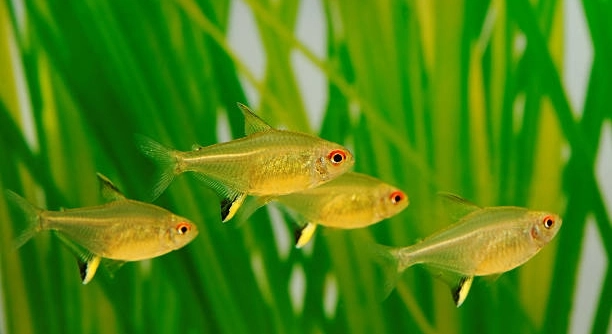
Adding new fish to your aquarium can bring excitement and fresh energy to your tank. Watching them adapt to their surroundings is part of caring for them and understanding their unique personalities and needs.
After introducing new fish, it is important to monitor their behaviors closely. Observing feeding patterns, swimming habits, social interactions, and signs of stress helps ensure proper acclimation, prevents illness, and maintains a balanced aquatic environment for all inhabitants.
Being attentive to subtle changes in behavior can prevent problems before they escalate. Small adjustments now can make a big difference in keeping your aquarium healthy and harmonious.
Increased Hiding or Avoidance
New fish often spend a lot of time hiding when first introduced. They may stay behind decorations, plants, or corners of the tank, avoiding the other fish. This behavior is natural as they adjust to a new environment. Hiding helps reduce stress while they learn the layout of the tank and observe the existing fish. Some species are naturally more timid and may take longer to feel comfortable. Frequent movement of decorations or sudden changes in lighting can prolong this behavior. It’s important to provide multiple hiding spots and keep the tank stable. Avoid chasing or handling the fish unnecessarily, as this can increase anxiety. Over time, most fish will explore more as they grow accustomed to the tank’s rhythm. Patience is key; forcing interaction often leads to more stress than natural adjustment.
Hiding frequently can indicate stress, but with patience, fish usually start to explore within a few days.
Providing a calm environment is essential. Soft lighting, gentle water flow, and minimal disturbances encourage the fish to leave hiding places. Offering food near hiding spots can help build trust. Observing from a distance allows the fish to gain confidence. Monitoring for illness while they hide is important, as stress can weaken their immune system. Once comfortable, their normal activity levels and social behavior should gradually return.
Changes in Appetite
New fish sometimes eat less during the first few days in a new tank.
Loss of appetite is common as fish acclimate to new surroundings. Stress, water quality, and unfamiliar food types can influence eating habits. Feeding small portions helps prevent overfeeding while allowing observation of consumption. Gradually offering their regular diet encourages them to eat.
It’s normal for fish to skip meals when adjusting, but prolonged refusal can signal problems. Monitor water temperature, pH, and ammonia levels, as poor water conditions can affect appetite. If necessary, try offering live or frozen foods to stimulate feeding. Consistent feeding times and minimal tank disturbance during feeding make fish more comfortable. Record how much and how often they eat to identify trends. Some species require several days to feel secure enough to feed normally. Paying attention early helps avoid malnutrition and stress-related illness. Feeding should always support acclimation while maintaining water quality. Adjusting care based on their eating behavior ensures they grow healthy and remain active.
Aggressive or Territorial Behavior
New fish may show aggression as they establish their place in the tank. Chasing, nipping, or flaring fins can occur, especially with more dominant species.
Aggression usually happens when fish are trying to claim territory or feel insecure. Tank layout and hiding spots influence how quickly they settle. Providing ample space, plants, and decorations can reduce conflicts. Observing interactions helps identify which fish are stressed or being bullied. Separating severely aggressive fish temporarily may be necessary to prevent injury. Consistent water quality and stable conditions also reduce tension. Over time, most fish learn boundaries and settle into a routine.
Aggressive behavior can also appear during feeding or when new objects are added. Watching their response to changes helps manage stress. Gradual introductions and maintaining a peaceful environment minimize long-term issues, ensuring all fish coexist safely.
Erratic Swimming or Darting
Erratic swimming is often a sign of stress or adaptation issues.
New fish may dart, swim in circles, or bump into surfaces as they adjust. Sudden movements can be caused by water quality, temperature shifts, or tankmates’ behavior. Maintaining proper water parameters and avoiding sudden changes helps calm fish.
Watching the tank carefully allows you to spot patterns. Some fish naturally have bursts of energy, but frequent erratic movements can indicate discomfort. Checking for disease, parasites, or poor water conditions is important if the behavior continues. Gentle observation and minimal disturbances give the fish time to acclimate. Providing hiding spots and a stable routine helps reduce stress and encourages normal swimming behavior. Keeping a log of their activity can help identify any persistent issues early.
Clamped Fins
Clamped fins are a common stress indicator in new fish. Fins held close to the body often show discomfort or illness.
This behavior can result from poor water quality, aggressive tankmates, or sudden environmental changes. Regular observation and stable conditions help the fish relax.
Lethargy
New fish may appear unusually inactive during their first days. Reduced movement can indicate stress, adjustment issues, or health concerns. Maintaining proper temperature, water quality, and gentle feeding routines encourages them to regain normal activity levels. Watching them consistently helps detect any early signs of disease or imbalance.
Flashing or Scraping
Flashing or scraping against surfaces is often a response to irritation or parasites. Frequent rubbing may indicate skin discomfort or gill problems. Inspecting water quality and monitoring for external parasites helps address the issue promptly. Temporary isolation can prevent spreading and reduce stress for affected fish.
Hiding from Tankmates
Avoiding other fish is common when newcomers feel intimidated. They may stay behind decorations or in corners for safety. This behavior gradually decreases as confidence grows, especially in a well-structured tank with ample hiding spots and minimal disturbances.
FAQ
How long does it take for new fish to settle in?
Most fish take a few days to a week to feel comfortable in a new tank, though timid species may need longer. Providing hiding spots, stable water conditions, and minimal disturbances helps them adapt faster. Observing their behavior daily gives clues about their comfort level.
Why is my new fish hiding constantly?
Hiding is a natural response to stress or a new environment. It allows fish to feel secure while they learn the tank layout and observe other inhabitants. Timid species often hide longer, so patience is essential. Avoid chasing or handling them during this period.
What does clamped fins mean?
Clamped fins occur when fish hold their fins close to their body, signaling stress, illness, or poor water quality. Checking temperature, pH, and ammonia levels, and ensuring peaceful tankmates, often helps the fish relax and regain normal fin posture.
Is it normal for new fish to eat less?
Yes, new fish often eat less while adjusting. Stress, unfamiliar food, and changes in water quality can affect appetite. Feeding small portions and offering familiar or live foods encourages eating. Appetite usually improves as the fish become more comfortable.
Why is my fish swimming erratically?
Erratic swimming, like darting or circling, is often caused by stress, water changes, or irritation from tankmates. Monitoring water conditions, keeping feeding consistent, and providing hiding spots usually help calm the fish. Persistent erratic movement may indicate illness or parasites.
When should I worry about aggression?
Some aggression is normal as fish establish hierarchy or territory. Temporary chasing or fin flaring is expected. Worry arises if attacks are frequent, leaving injuries or stressed fish. Separating aggressive individuals or adjusting tank layout can reduce conflict.
Why is my fish flashing or scraping against surfaces?
Flashing or scraping often signals skin irritation, parasites, or gill discomfort. Checking water quality, observing for parasites, and isolating the affected fish can prevent worsening issues. Prompt attention avoids stress and spread to other fish.
How can I help shy fish become more confident?
Provide multiple hiding spots, gentle lighting, and a calm environment. Feeding near hiding areas encourages exploration. Avoid sudden changes or disturbances, and give fish time to interact with tankmates at their own pace. Gradual confidence-building usually results in more normal swimming and feeding behaviors.
Can water conditions affect behavior so quickly?
Yes, new fish are very sensitive to changes in temperature, pH, and ammonia levels. Even small fluctuations can cause hiding, clamped fins, or erratic swimming. Keeping water parameters stable and monitoring daily ensures stress is minimized.
How do I know if a fish is sick or just stressed?
Stress often causes temporary changes like hiding or clamped fins. Illness usually shows additional signs: discoloration, sores, labored breathing, or refusal to eat for several days. Monitoring behavior and appearance closely helps determine whether intervention is needed.
Should I separate new fish from the existing tank?
Quarantine before adding new fish reduces disease risk. Temporary separation is also useful if aggression, illness, or extreme stress occurs. Isolation allows careful observation and treatment without affecting other tank inhabitants.
How often should I observe new fish?
Daily observation is ideal for the first few weeks. Check swimming patterns, appetite, social interactions, and signs of illness. Consistent monitoring helps catch problems early and ensures the new fish acclimate safely.
What are signs that my new fish is adjusting well?
Confident swimming, regular feeding, interaction with tankmates, and normal fin posture indicate successful acclimation. Reduced hiding and minimal stress behaviors show that the fish is comfortable and thriving in its environment.
How can I reduce stress during feeding?
Feed in small amounts and avoid overcrowding. Keep a calm environment and feed near hiding spots for shy fish. Consistent feeding schedules make fish more comfortable and reduce competition or anxiety in the tank.
Are some species more prone to stress than others?
Yes, timid or delicate species are often more sensitive to changes in water conditions, tankmates, and handling. Providing extra hiding spots, gentle flow, and stable water helps these species adjust and reduces health risks.
What should I do if a fish never seems to adjust?
Persistent hiding, refusal to eat, or stress behaviors may indicate illness, incompatibility, or unsuitable tank conditions. Review water quality, tankmates, and environment. If needed, consult an expert or consider relocation to a more suitable habitat to ensure the fish’s wellbeing.
How long should I wait before adding more fish?
Wait at least two weeks after introducing new fish. This allows the current additions to settle, reduces stress, and makes it easier to monitor for illness. Proper acclimation ensures a healthy, stable community in the aquarium.
What’s the best way to introduce fish to a new tank?
Float the bag in the tank for 15–20 minutes to equalize temperature, then gradually mix tank water into the bag before release. Avoid sudden movements and provide hiding spots to reduce stress and help fish adjust smoothly.
Can observing behavior prevent illness?
Yes, careful observation of swimming patterns, appetite, and interaction helps detect stress or disease early. Early intervention often prevents minor issues from becoming serious, keeping fish healthier and the tank balanced.
How do I manage multiple new fish added at once?
Adding several fish together increases stress and competition. Provide ample hiding spots and space, feed carefully, and monitor interactions. Observing behavior ensures no fish is bullied, and all adjust without conflict. Gradual acclimation is key to long-term health.
Final Thoughts
Adding new fish to a tank is always a delicate process. Every fish reacts differently to changes in their environment, and it is normal to see a variety of behaviors during the first days or weeks. Some fish hide almost constantly, while others may explore immediately. Some may eat right away, while others might refuse food for a few days. Observing these behaviors carefully is the best way to understand how your new fish are adjusting. Paying attention to changes in swimming patterns, appetite, and interaction with tankmates provides important clues about their comfort and health. Consistent observation also helps prevent minor problems from becoming serious.
Water quality and tank setup are essential for helping fish adjust. Maintaining stable temperature, pH, and ammonia levels reduces stress and encourages normal behavior. Adding decorations, plants, and hiding spots can help fish feel secure while they acclimate. It is also important to keep the tank environment calm, with minimal sudden movements or loud noises nearby. Even small changes in water flow, lighting, or feeding routines can affect new fish. Patience is key, as forcing interaction or moving fish around too soon can cause more harm than good. By creating a stable, comfortable environment, fish gradually become more confident, start exploring, and feed normally, showing that they are settling in.
Watching and understanding fish behavior is a continuous process. Some signs, like clamped fins, flashing, or erratic swimming, may appear occasionally but should be monitored closely. Aggression, prolonged hiding, or refusal to eat for several days may indicate stress, disease, or incompatibility. Providing care, maintaining water quality, and observing daily patterns are simple but effective ways to ensure fish adjust well. Over time, as fish become accustomed to their surroundings, they develop routines, interact with tankmates, and display natural behaviors. A patient and careful approach helps ensure that new fish thrive, remain healthy, and contribute to a balanced and peaceful aquarium. This attention not only supports their wellbeing but also makes keeping a tank a more enjoyable and rewarding experience.

Hello,
If you enjoy the content that we create, please consider saying a "Thank You!" by leaving a tip.
Every little bit helps us continue crafting quality advice that supports the health, happiness, and well-being of pets around the world, for pets of all shapes, sizes, and species.
We really appreciate the kindness and support that you show us!