
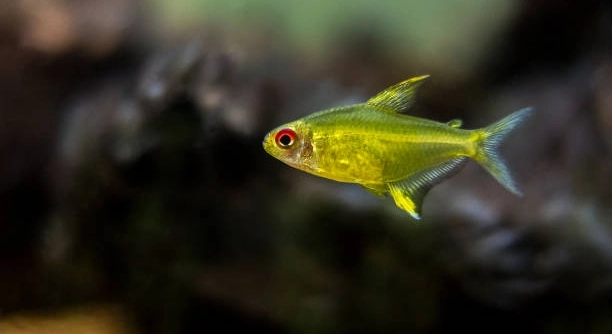
Lemon Tetras are vibrant, active fish that brighten any aquarium with their striking yellow hues. Observing their behavior can be rewarding, especially when you notice the foods that make them most energetic and lively.
These fish respond strongly to a variety of nutritious foods, including high-quality flake foods, micro-pellets, live or frozen brine shrimp, daphnia, bloodworms, finely chopped vegetables, and occasional fruit treats. A balanced diet supports their health, coloration, and natural activity levels.
Knowing what excites your Lemon Tetra can improve feeding routines and keep your aquarium thriving, while ensuring these delicate fish remain happy and healthy.
High-Quality Flake Food
Lemon Tetras thrive on flake foods designed for tropical fish. These flakes are convenient, easy to digest, and formulated to provide essential vitamins and minerals. Feeding them daily helps maintain their bright colors and keeps them active. A thin layer on the water surface is ideal, as it encourages natural foraging behavior. Flakes should be fresh and stored properly to avoid nutrient loss. Observing how quickly your tetras consume the flakes can help gauge their appetite and health. Avoid overfeeding, as excess food can pollute the tank and stress the fish. Using flakes as a staple diet ensures a balanced intake of protein and essential nutrients. Occasionally varying the flakes with other foods prevents dietary boredom and promotes overall vitality. High-quality flakes are widely available, making it easier to consistently provide the nutrition these small fish need without complicated preparation. Their energy levels and swimming patterns improve noticeably when their primary diet is reliable and nutritious.
Flake foods are essential for daily nutrition, supporting both health and coloration in Lemon Tetras, while encouraging natural foraging behavior.
Adding variety with occasional live or frozen foods keeps your tetras more active and interested during feeding times, enhancing their overall well-being and display in the tank.
Live and Frozen Brine Shrimp
Brine shrimp are a favorite for Lemon Tetras because they mimic natural prey. Feeding small amounts at a time encourages active swimming and natural hunting instincts. These tiny shrimp are high in protein and easily digestible, making them ideal for growth and overall health. Frozen brine shrimp can be thawed and rinsed before feeding to reduce water contamination. Live brine shrimp are even more engaging, prompting excitement and interaction among the tetras. It’s important to feed only what they can consume in a few minutes to prevent leftover food from fouling the tank. Rotating between live and frozen options provides variety and ensures your tetras receive diverse nutrients. Regular feeding with brine shrimp improves their energy, coloration, and social behavior, creating a lively and visually appealing aquarium. Over time, you can observe which types they prefer, allowing you to tailor feedings to maintain consistent activity and interest.
Brine shrimp are a protein-rich treat that encourages natural hunting and boosts vitality in Lemon Tetras.
Including brine shrimp alongside other foods helps maintain a balanced diet, while also stimulating playful and social behavior. They can be fed two to three times weekly, alternating with flakes and other small live foods to ensure the fish are never bored or lacking essential nutrients. Watching Lemon Tetras dart and chase their shrimp is satisfying, as it reflects their health and comfort in the tank. Overfeeding must be avoided, as it can increase ammonia levels and lead to water quality issues. Frozen shrimp offer convenience, while live shrimp provide natural movement that triggers instinctive responses. Combining both types in a feeding schedule maximizes nutritional benefits and keeps your tetras actively engaged. Proper preparation, portion control, and timing are key to making brine shrimp a valuable part of their diet without compromising tank conditions.
Daphnia
Daphnia are tiny water fleas that Lemon Tetras enjoy. They are easy to digest, rich in protein, and help support active swimming. Feeding small amounts a few times a week keeps tetras healthy and energetic.
These small crustaceans provide essential nutrients and promote natural foraging behavior. They help improve digestion and reduce the risk of constipation, which can be a concern with solely flake-based diets. Daphnia’s movement stimulates tetras to chase and feed actively, mimicking their natural hunting instincts. Regular inclusion encourages vitality, enhances coloration, and supports overall health. They are particularly useful during breeding or growth phases.
Using Daphnia in combination with flakes and other live foods ensures a balanced and varied diet. Frozen or live Daphnia can be offered, but care should be taken to avoid overfeeding. Observing how quickly Lemon Tetras consume them helps gauge appetite and tank activity. Including this food improves social interaction among the fish and adds dynamic movement during feeding times. Proper portion control maintains water quality and keeps tetras lively.
Bloodworms
Bloodworms are nutrient-dense and favored for their high protein content. A few pieces per feeding are sufficient to stimulate activity and growth.
These worms provide essential amino acids and fats that support muscle development and coloration. Their natural red hue is particularly appealing to tetras, and the movement of live or thawed frozen worms encourages hunting instincts. Feeding bloodworms two to three times a week adds variety without risking nutritional imbalance. They are easily digestible, making them suitable for both adult and young fish. Overfeeding can affect water quality, so monitoring consumption is essential.
Including bloodworms alongside flakes, Daphnia, and brine shrimp ensures a varied and complete diet. They provide a treat that energizes the fish and maintains natural behavior. Live bloodworms stimulate feeding responses, while frozen options offer convenience. Alternating bloodworms with other protein sources ensures balanced nutrition, supports immune health, and promotes vibrant coloration. Regularly observing how Lemon Tetras respond allows you to adjust feeding portions and frequency for optimal health and activity.
Finely Chopped Vegetables
Lemon Tetras enjoy tiny pieces of vegetables like spinach, zucchini, and peas. These provide fiber, aiding digestion and supporting overall health. Feeding small amounts prevents leftover food from polluting the tank.
Vegetables also contribute to color vibrancy and nutrient variety. Lightly blanched pieces are softer and easier for tetras to eat, encouraging them to nibble naturally.
Micro-Pellets
Micro-pellets are a convenient, nutrient-rich option. They sink slowly, allowing tetras to feed at different levels, supporting balanced nutrition and energy.
Occasional Fruit Treats
Tiny pieces of fruit like melon or apple can be offered sparingly. These provide natural sugars and variety to the diet.
How often should I feed my Lemon Tetras?
Lemon Tetras do best with small, frequent feedings. Offering food two to three times a day in amounts they can consume within a few minutes ensures proper nutrition without overloading the tank. Overfeeding can lead to water quality issues, which stress the fish and impact their health. Observing how quickly they eat each portion helps adjust quantities and maintain a clean environment. Using a combination of flakes, micro-pellets, and occasional live or frozen foods provides balanced nutrition. Keeping feedings consistent encourages natural swimming patterns and active behavior.
Can Lemon Tetras eat the same food every day?
While they can survive on a single food type, variety is essential for health. A mix of flakes, micro-pellets, and occasional live or frozen foods ensures they get protein, fiber, and vitamins. Rotating foods prevents nutritional deficiencies and keeps the tetras interested during feeding times. Foods like Daphnia, brine shrimp, or bloodworms provide protein and stimulate natural hunting behavior. Vegetables and occasional fruits offer fiber and additional nutrients. Feeding the same food exclusively may result in dull coloration and decreased activity over time. A balanced diet supports immune health and longevity.
Are live foods necessary for Lemon Tetras?
Live foods are not strictly required, but they provide stimulation and nutrition that flakes or pellets cannot fully replicate. Small live foods like Daphnia or brine shrimp encourage natural hunting and movement, keeping tetras active. Frozen alternatives can be used as a practical substitute, offering similar protein benefits. Live or frozen foods should be given a few times a week alongside regular flakes or pellets to maintain variety. They help improve coloration and energy levels, contributing to overall well-being. Using live foods occasionally adds enrichment and keeps your tetras engaged in the tank.
Can Lemon Tetras eat vegetables and fruits?
Yes, finely chopped vegetables such as spinach, zucchini, or peas provide fiber and nutrients that support digestion and health. Small, lightly blanched pieces are easier for tetras to consume. Fruits like melon or apple can be offered sparingly for variety and natural sugars. These additions complement protein-rich foods and prevent monotony in the diet. Feeding vegetables or fruit occasionally ensures a well-rounded diet, boosting vitality and supporting natural behavior. Avoid overfeeding, as leftover pieces can affect water quality. Monitoring their response helps determine how much and how often to offer these treats safely.
How do I prevent overfeeding my Lemon Tetras?
Offer only what the fish can eat in two to three minutes. Remove any uneaten food promptly to avoid water contamination. Using small portions and alternating types of food helps maintain balanced nutrition. Observing appetite and behavior provides cues for portion adjustments. Overfeeding can cause obesity, poor water quality, and increased stress. Combining flakes, pellets, live, or frozen foods in measured amounts supports health without excess waste. Rotating protein-rich and plant-based options ensures dietary needs are met. Keeping a consistent feeding schedule while monitoring consumption is key to avoiding problems caused by overfeeding.
What are signs of a healthy diet in Lemon Tetras?
Healthy Lemon Tetras are active, swim confidently, and display vibrant yellow coloration. They eagerly feed at the surface or mid-water levels and interact naturally with other fish. Clear eyes, smooth scales, and steady growth are also indicators. A balanced diet that includes flakes, micro-pellets, live or frozen foods, and occasional vegetables helps maintain these traits. Poor appetite, faded colors, or sluggish movement can indicate dietary deficiencies or water quality issues. Providing variety, monitoring portions, and observing behavior ensures Lemon Tetras remain healthy and visually appealing in the aquarium.
Feeding Lemon Tetras properly is essential for maintaining their health, coloration, and activity levels. These small, energetic fish respond best to a varied diet that includes high-quality flakes, micro-pellets, live or frozen foods, and occasional vegetables or fruits. Each type of food contributes something different: flakes and pellets provide consistent nutrition, live or frozen foods offer protein and stimulate natural hunting instincts, while vegetables and fruits supply fiber and additional nutrients. By combining these options, you ensure that your Lemon Tetras receive a balanced diet that meets all their needs. Regular feedings in controlled portions prevent overfeeding, which can cause water quality issues and stress. Watching how your tetras respond to different foods also helps you adjust their diet over time. For example, some may prefer brine shrimp, while others may eagerly chase Daphnia. Observing these preferences allows you to provide a diet that keeps the fish engaged, energetic, and healthy.
Maintaining water quality is just as important as the food itself. Overfeeding or leaving uneaten food in the tank can quickly pollute the water, leading to unhealthy conditions for Lemon Tetras. Proper portioning and removal of excess food after each feeding are simple steps that make a significant difference. Additionally, providing a consistent feeding schedule helps regulate their metabolism and promotes natural swimming patterns. Using live or frozen foods sparingly adds enrichment without overloading the tank. Vegetables and fruits should also be offered in small, manageable pieces to prevent water contamination. By combining careful feeding practices with regular observation, you create an environment where Lemon Tetras can thrive. Their bright colors, active behavior, and healthy growth are direct indicators of a well-balanced diet and proper tank management.
Finally, understanding the dietary needs of Lemon Tetras enhances your experience as an aquarium keeper. These fish are relatively easy to care for, but their small size and active nature require attention to detail when it comes to feeding. Providing variety ensures they do not become bored or develop nutritional deficiencies. Incorporating a mix of flakes, pellets, live or frozen protein sources, and occasional plant-based treats creates a routine that supports both their physical health and natural behavior. Monitoring their response to each food type allows you to fine-tune their diet over time. Healthy Lemon Tetras display bright yellow hues, swim actively, and interact naturally within the tank, making your aquarium both lively and visually appealing. By combining balanced nutrition, proper portioning, and consistent care, you set up a thriving environment where these delicate fish can flourish for years.

Hello,
If you enjoy the content that we create, please consider saying a "Thank You!" by leaving a tip.
Every little bit helps us continue crafting quality advice that supports the health, happiness, and well-being of pets around the world, for pets of all shapes, sizes, and species.
We really appreciate the kindness and support that you show us!