
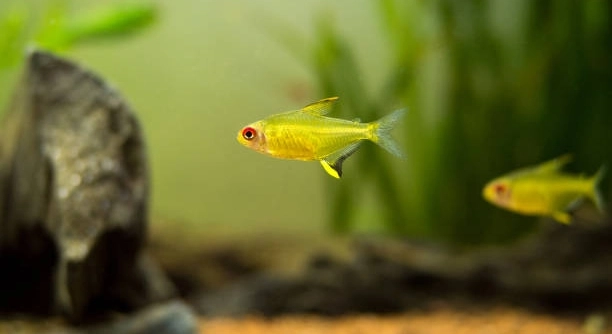
Lemon tetras are small, lively fish that add a splash of color to any aquarium. Their gentle nature often makes them appealing to hobbyists who also enjoy keeping other small aquatic creatures. Many shrimp owners wonder about compatibility.
Lemon tetras can live with shrimp peacefully if the tank is large enough and well-planted. Providing hiding spots and stable water conditions reduces stress, making interactions calm and preventing shrimp from becoming easy targets for the fish.
Understanding the balance between these species is important for a harmonious aquarium. Proper care and setup can create a space where both tetras and shrimp thrive together.
Understanding Lemon Tetra Behavior
Lemon tetras are peaceful schooling fish that prefer to stay in groups of six or more. They are active swimmers, exploring the mid to upper areas of the tank. Their natural instincts are mostly calm, but they may occasionally chase smaller creatures if startled or hungry. In a planted tank, they feel more secure, which reduces aggressive behavior. Observing their swimming patterns can give clues about their comfort level. Proper lighting and water conditions also play a role in keeping them calm. Tetras do best with stable water parameters, including a temperature between 72–78°F and a pH around 6.5–7.5. When these conditions are met, their behavior toward shrimp is generally passive. However, very small or young shrimp might still attract curiosity. Regular feeding helps maintain peace, as hungry tetras are more likely to investigate other tank inhabitants. A well-planned tank environment ensures both species coexist comfortably.
Keeping shrimp with lemon tetras requires careful observation and patience to maintain harmony.
Creating a tank that suits both lemon tetras and shrimp involves thoughtful planning. Dense plants and hiding spots are essential, giving shrimp places to retreat. Floating plants reduce stress for tetras and provide shaded areas. Gravel or sand substrate supports shrimp activity and egg-laying. Feeding schedules should be consistent, offering flakes or pellets for tetras and specialized shrimp food. Avoid overcrowding, as too many fish can increase stress and trigger chasing behavior. Monitoring water quality is crucial, as both species are sensitive to sudden changes. Regular maintenance, including water changes and filtration checks, helps prevent ammonia or nitrate spikes. Observing interactions daily allows adjustments before problems arise. Combining these strategies creates an environment where tetras swim freely and shrimp move without fear, making the aquarium a balanced and visually appealing space for both species.
Shrimp Safety Measures
Shrimp require hiding places to feel secure. Dense vegetation and small caves are ideal to prevent stress or accidental predation.
Monitoring shrimp behavior is essential when introducing lemon tetras. Slowly acclimating shrimp reduces sudden interactions. Using moss, leaf litter, and driftwood provides cover and breeding grounds. Observing feeding times ensures shrimp can access food without competition. Separating species temporarily if aggression occurs helps protect vulnerable shrimp. Maintaining water quality, including stable pH and temperature, supports their health. Avoid placing very small shrimp with large tetras initially, as size differences can cause stress. Over time, shrimp learn to navigate around tetras, reducing incidents. Regularly rotating hiding spots keeps the environment engaging and safe. A calm, well-planted tank minimizes risk and promotes natural behavior for both species.
Balancing the needs of lemon tetras and shrimp requires patience and preparation. Ensuring proper tank setup, hiding areas, and feeding practices helps maintain peace. Observing the aquarium daily allows early adjustments, preventing stress or conflicts. Choosing compatible tankmates and maintaining consistent water parameters fosters long-term health. Overcrowding should be avoided, and plants or decorations should be arranged strategically. Monitoring shrimp molting cycles is also important, as tetras may show curiosity. Gradual introductions of new shrimp help acclimate them safely. By carefully planning the tank environment, both species can thrive without conflict, resulting in a lively yet calm aquarium. A mindful approach ensures tetras swim freely while shrimp remain safe and active, creating a harmonious aquatic space for both.
Tank Setup Tips
A well-planned tank reduces stress for both lemon tetras and shrimp. Plants, hiding spots, and open swimming areas are essential. Proper filtration and regular water changes keep the environment healthy, supporting peaceful interactions between species.
Using a mix of live plants, moss, and driftwood creates natural hiding spots for shrimp while allowing tetras to swim freely. Avoid overcrowding the tank, as too many fish increase stress and may lead to chasing. Substrate choice matters: fine gravel or sand allows shrimp to forage safely. Floating plants provide shaded areas that help tetras feel secure, reducing curiosity-driven harassment of shrimp. Position decorations so shrimp can retreat easily, and ensure water flow isn’t too strong, as it can stress both species. Regular feeding prevents hunger-driven chasing, and keeping consistent temperature and pH levels ensures the tank remains stable for long-term harmony.
Lighting and water parameters directly affect behavior. Tetras prefer moderate lighting and stable temperatures, while shrimp thrive in shaded areas and steady water chemistry. Avoid sudden changes in water parameters.
Feeding and Diet
Shrimp need specialized foods, and tetras require balanced flakes or pellets. Feeding separately can prevent competition and stress.
Providing a varied diet for both species supports health and reduces aggression. Tetras should receive high-quality flakes or small pellets twice daily. Shrimp benefit from algae wafers, blanched vegetables, and occasional protein-rich treats. Offering food in different locations allows shrimp to eat safely without tetras crowding them. Observing feeding behavior helps adjust portions and prevent leftover food, which can deteriorate water quality. Frozen or live foods can supplement tetras’ diet, keeping them active and satisfied. Avoid overfeeding, as it leads to water issues that stress both species. By establishing a feeding routine, both tetras and shrimp stay healthy and calm, minimizing conflicts over food.
Shrimp often hide during feeding if they feel threatened. Dense plants and moss let them graze safely. Positioning food near these areas encourages natural foraging and reduces tetras chasing shrimp. Monitoring interactions during meals ensures smaller shrimp have access to nutrition without intimidation. Using sinking pellets for shrimp and floating flakes for tetras helps separate feeding zones. Adjusting food amounts prevents leftovers, maintaining water quality. Gradually, shrimp become more confident, and tetras remain calm, allowing peaceful coexistence during mealtime and supporting overall tank harmony.
Water Conditions
Stable water conditions are vital for both lemon tetras and shrimp. Temperature, pH, and ammonia levels should be monitored regularly to prevent stress and maintain health.
Both species prefer slightly acidic to neutral water and temperatures around 72–78°F. Regular testing ensures parameters remain consistent, reducing the chance of sudden illness or aggression.
Shrimp Molting
Shrimp molt frequently, leaving them vulnerable. Providing dense plants and hiding spots allows them to molt safely without interference from tetras.
Monitoring molting cycles helps ensure shrimp remain healthy. Stress or poor water conditions can delay molting and weaken their exoskeletons.
Observation and Adjustment
Regular observation is key to maintaining a peaceful tank. Watch interactions closely and make changes if tetras show aggressive tendencies.
FAQ
Can lemon tetras eat shrimp?
Lemon tetras are not naturally aggressive, but very small or baby shrimp may be seen as food. Adult shrimp with hardened shells are usually safe. Providing hiding spots and feeding tetras regularly reduces the chance of shrimp being eaten.
How many lemon tetras can I keep with shrimp?
A small group of six to eight tetras is ideal for a medium-sized tank with plenty of plants. Overcrowding increases stress and the likelihood of chasing shrimp. More space and hiding spots improve safety for the shrimp.
Do shrimp need hiding spots in a tetra tank?
Yes. Shrimp molt and are vulnerable during this time. Dense plants, moss, and driftwood give them areas to retreat safely. Multiple hiding spots also help them feel secure during daily activities.
What water parameters are best for both species?
Both prefer slightly acidic to neutral pH, around 6.5–7.5, and temperatures between 72–78°F. Stable water with low ammonia and nitrite is critical. Sudden changes can stress either species and trigger aggressive behavior.
Can tetras and shrimp breed in the same tank?
Shrimp can breed, but survival of the young depends on hiding spaces. Tetras may eat baby shrimp if no cover is available. Dense vegetation and moss help protect the young until their shells harden.
Do lemon tetras bother adult shrimp?
Adult shrimp are usually safe if they have strong shells. Aggression is rare in peaceful tetras, but curiosity may lead to chasing. Monitoring interactions and providing space keeps both species calm.
Should I feed tetras and shrimp separately?
Feeding separately helps prevent tetras from crowding the shrimp and ensures both species get proper nutrition. Use floating food for tetras and sinking pellets or algae wafers for shrimp near hiding spots.
What happens if water quality drops?
Poor water quality stresses both species. Tetras may become more aggressive, and shrimp can struggle to molt or develop disease. Regular testing, filtration, and water changes maintain a safe environment for both.
Can lemon tetras and shrimp coexist long-term?
Yes, with proper care. A well-planted tank, consistent feeding, and stable water conditions allow peaceful coexistence. Regular observation helps address any minor conflicts before they become serious.
How can I tell if shrimp are stressed by tetras?
Signs include hiding excessively, refusing food, or failing to molt properly. Adjust tank setup, add more plants or caves, and observe tetras’ behavior to reduce stress.
Is tank size important for harmony?
Yes, a larger tank with open swimming areas and dense plant cover reduces stress and prevents territorial conflicts. It allows tetras to swim freely without constantly chasing shrimp.
Do lemon tetras attack shrimp at night?
Tetras are less active at night but may still chase if startled. Providing hiding places and a calm environment helps shrimp stay safe during all hours.
How often should I check the tank?
Daily observation is recommended. Watch feeding behavior, interactions, and water conditions. Early detection of issues prevents harm to shrimp and maintains a peaceful aquarium.
Can different tetra species coexist with shrimp?
Not all tetra species are as peaceful as lemon tetras. Research the temperament of any new species before introducing them to a shrimp tank to avoid predation or stress.
Are baby shrimp more at risk than adults?
Yes. Newly hatched or very small shrimp are soft-bodied and may attract the tetras’ attention. Using moss, dense plants, and breeding boxes increases their survival rate.
Does plant type matter for shrimp safety?
Yes. Mosses, java fern, and dense stem plants offer excellent cover. Floating plants provide shade, and driftwood creates natural retreat areas, reducing visibility to tetras and giving shrimp security.
Can I keep other fish with lemon tetras and shrimp?
Choose only peaceful, small fish that won’t prey on shrimp. Aggressive or larger species increase stress and reduce shrimp survival. Always research compatibility before adding new tankmates.
Do tetras bother shrimp during feeding?
They may try to get food first, pushing shrimp away. Feeding in multiple areas or using sinking food for shrimp reduces competition and ensures both species are fed properly.
How long do lemon tetras live in a shared tank?
With proper care, tetras can live 5–7 years. Providing stable water, a healthy diet, and a peaceful environment helps maintain their health alongside shrimp.
How do I introduce shrimp to a tetra tank?
Acclimate shrimp slowly to match the tank’s temperature and water parameters. Introduce them near hiding spots to reduce stress and allow gradual exploration. Observe closely for the first few days to ensure safety.
Can stressed tetras harm shrimp?
Yes. Stress from overcrowding, poor water quality, or sudden changes may cause tetras to chase shrimp. Maintaining stable conditions, proper tank size, and regular observation minimizes stress and keeps both species safe.
What is the best tank layout for coexistence?
A mix of open swimming areas for tetras and dense plants, moss, and driftwood for shrimp works best. Multiple layers of hiding spots and shaded areas allow shrimp to move freely without being harassed.
How often should I clean the tank?
Partial water changes weekly, substrate cleaning, and filter maintenance keep water quality high. Avoid disturbing shrimp hiding areas during cleaning to prevent stress and protect molting individuals.
Do tetras recognize shrimp as food over time?
Curiosity may remain, but regular feeding and ample hiding spots teach tetras to leave adult shrimp alone. Juvenile shrimp still need protection until their shells harden.
Are lemon tetras suitable for beginner shrimp tanks?
Yes, they are small and generally peaceful. With careful tank setup, regular feeding, and stable water conditions, beginners can successfully keep tetras with shrimp without significant problems.
Can I keep cherry shrimp with lemon tetras?
Cherry shrimp are a popular choice. Adults are safe if the tank has plenty of cover. Juveniles require extra hiding places to avoid being eaten or stressed by tetras.
What signs indicate a peaceful tank?
Shrimp move freely, molt safely, and feed without interference. Tetras swim calmly in groups, show little chasing behavior, and maintain consistent color and activity levels, indicating a stable, harmonious environment.
How to protect shrimp during molting?
Dense plants, moss, and driftwood provide shelter. Avoid sudden water changes and observe tetras’ behavior to ensure shrimp can molt without being disturbed, allowing shells to harden properly.
Can I use breeding boxes for shrimp?
Yes, temporary breeding boxes or nets protect baby shrimp from tetras until they grow large enough to survive in the main tank. This improves survival rates without isolating adults.
Do tetras ever attack molting shrimp?
Occasionally, curiosity can lead to pecking, especially with small shrimp. Dense cover and feeding tetras regularly reduce interest, keeping molting shrimp safe.
How do I maintain harmony long-term?
Consistent feeding, stable water parameters, hiding spots, and observation are key. Avoid overcrowding, introduce new shrimp gradually, and ensure both species have their needs met to sustain a peaceful tank for years.
Is it necessary to separate shrimp from tetras during feeding?
It helps, especially with small or baby shrimp. Sinking foods and placing them near hiding areas allow shrimp to eat safely while tetras consume flakes or pellets elsewhere.
What is the ideal tank size for tetras and shrimp?
A minimum of 20 gallons works for a small group of tetras and a colony of shrimp. Larger tanks reduce stress, provide space for hiding, and promote natural behavior for both species.
Can lemon tetras live with multiple shrimp species?
Yes, as long as all shrimp are peaceful and there is enough space and hiding spots. Overcrowding or aggressive shrimp species can cause stress or predation.
Do tetras and shrimp compete for food?
Some competition exists, particularly with small shrimp. Offering different types of food and feeding in separate areas minimizes conflict and ensures both species receive adequate nutrition.
How often should I monitor shrimp population?
Weekly checks help track growth, molting success, and survival rates. Observing behavior alongside tank conditions ensures both tetras and shrimp remain healthy.
Can tetras harm shrimp eggs?
Yes, tetras may eat exposed eggs. Dense plants, moss, or a separate breeding area protect eggs until they hatch and the young can hide safely.
What is the best diet for a tank with tetras and shrimp?
Tetras need flakes, pellets, or occasional live food. Shrimp benefit from algae wafers, blanched vegetables, and specialized shrimp food. Offering food in different zones prevents competition and supports both species’ health.
Are tetras more active during the day?
Yes, they are diurnal, swimming actively and exploring the tank. Shrimp may retreat during high activity periods but become more visible at night when tetras are less active.
How to handle aggression in a shared tank?
Identify the cause—overcrowding, hunger, or stress. Adjust feeding, add plants, or separate individuals temporarily. Stable water conditions and proper tank size usually resolve minor aggression.
Do lemon tetras need companions to reduce aggression toward shrimp?
Yes, they feel more secure in groups. A school of six or more tetras reduces individual stress, making them less likely to chase shrimp out of curiosity.
Can lemon tetras coexist with baby shrimp long-term?
Baby shrimp need protection until their shells harden. Moss, plants, and temporary breeding boxes increase survival. Once adults, they coexist safely with tetras under proper tank conditions.
Is tank decor important for coexistence?
Yes, natural cover like moss, plants, and driftwood helps shrimp feel safe. Open swimming areas for tetras prevent constant chasing and maintain peace.
How often should water parameters be tested?
Weekly testing for pH, ammonia, nitrites, and nitrates keeps the tank stable. Early detection of fluctuations prevents stress or illness in tetras and shrimp.
Can I keep other peaceful fish with lemon tetras and shrimp?
Yes, only small, non-predatory species. Avoid aggressive or large fish that may harass shrimp or compete for food. Research compatibility before introducing new tankmates.
Do tetras recognize hiding shrimp over time?
Yes, they often learn that adult shrimp are not food. However, small or molting shrimp still require protection to prevent injury or stress.
What is the best way to introduce new shrimp?
Acclimate slowly to match water parameters, place near hiding spots, and monitor interactions with tetras closely during the first days. Gradual introduction reduces stress and improves survival.
Can tetras and shrimp share the same filtration system?
Yes, as long as the flow isn’t too strong for shrimp. Sponge filters are ideal, providing gentle water movement and preventing shrimp from being sucked into the filter.
How do I know if tetras are stressed?
Signs include hiding, clamped fins, erratic swimming, or loss of color. Stress increases the chance of chasing shrimp, so maintain stable conditions and a peaceful environment.
Can tetras harass shrimp even without aggression?
Yes, curiosity can lead to chasing or bumping, especially with small or molting shrimp. Proper hiding spots and regular feeding reduce this behavior.
Do tetras eat leftover food that falls near shrimp?
Yes, they are opportunistic feeders. Sinking food near hiding areas allows shrimp to eat without competition while tetras consume surface or floating flakes elsewhere.
Are lemon tetras suitable for community tanks with shrimp?
Yes, they are generally peaceful and small. With proper tank setup, hiding places, and regular feeding, tetras can coexist with shrimp in a community environment safely.
How can I encourage natural behavior in shrimp?
Provide moss, plants, and driftwood for grazing and hiding. Allow quiet areas away from tetras and ensure steady water conditions. Observing feeding and movement encourages natural foraging and exploration.
Can tetras stress shrimp if kept in small tanks?
Yes, limited space increases chasing and reduces hiding options. Larger tanks with plants and decorations allow both species to maintain natural behaviors and reduce stress.
Do lemon tetras and shrimp share the same temperature range?
Yes, both prefer 72–78°F. Stable temperatures ensure active, healthy tetras and proper molting and activity for shrimp. Sudden changes can stress both species.
How do I know if baby shrimp are safe with tetras?
Watch their hiding behavior and molting success. If juveniles survive and grow without injury, they are effectively protected. Extra moss or breeding boxes improves safety until they reach adult size.
Can feeding frequency affect interactions?
Yes, irregular feeding increases chasing and stress. Feeding tetras twice daily and shrimp separately supports calm behavior and reduces competition.
What signs indicate a healthy coexistence?
Shrimp graze openly, molt safely, and swim freely. Tetras remain active in schools without constant chasing. Both species eat properly, maintain color, and exhibit natural behaviors, indicating a stable, peaceful tank.
Is monitoring water flow important?
Yes, strong currents can stress shrimp. Sponge filters or gentle flow options provide circulation without disturbing molting or hiding shrimp.
Do tetras recognize shrimp as tankmates over time?
Adult tetras usually ignore shrimp once they realize they are not food. Juveniles and molting shrimp still require cover to remain safe.
Can lemon tetras survive with multiple shrimp colonies?
Yes, with proper space, hiding spots, and feeding. Overcrowding or aggressive shrimp can create stress, so balance is important for long-term coexistence.
Are there signs of territorial behavior?
Lemon tetras rarely show true territorial aggression. Stress, overcrowding, or lack of hiding spots may cause chasing, which can be managed by adding plants, decorations, or increasing tank size.
How do I prevent shrimp from hiding too much?
Provide enough cover but leave open areas for grazing. Gradually reduce perceived threats by feeding tetras consistently and avoiding sudden movements, allowing shrimp to explore safely.
Can tetras harm shrimp during sudden water changes?
Yes, stress from abrupt changes can trigger chasing or hiding. Perform gradual water changes and maintain stable conditions to keep both species calm.
Do tetras need companions to reduce chasing behavior?
Yes, keeping tetras in schools of six or more reduces individual stress and curiosity toward shrimp, promoting peaceful interactions.
How can I make the tank safe for baby shrimp?
Add moss, dense plants, and temporary breeding boxes. Monitor interactions with tetras and maintain stable water conditions to improve survival rates.
Can tetras coexist with molting shrimp long-term?
Yes, if the tank has sufficient hiding spots and the tetras are well-fed. Proper water quality and observation help protect vulnerable shrimp.
Are lemon tetras suitable for a shrimp-only tank?
They are not necessary in a shrimp-only tank, but can coexist if the setup includes ample plants, hiding places, and stable water parameters, providing visual interest without endangering shrimp.
Do tetras bother shrimp if stressed by other tankmates?
Yes, stress from other fish or environmental changes can increase chasing behavior. Keeping a peaceful, well-planted environment minimizes conflicts with shrimp.
Is feeding live food safe with shrimp present?
Yes, but monitor interactions. Small shrimp may graze on leftovers, while tetras eat first. Using multiple feeding zones reduces competition and stress.
Can lemon tetras coexist with ghost shrimp?
Yes, adult ghost shrimp are generally safe. Juveniles need protection, hiding spots, and moss to avoid curiosity-driven chasing by tetras.
Do tetras affect shrimp breeding success?
Indirectly. If baby shrimp lack hiding spots, tetras may eat them, reducing survival. Dense plants or moss help ensure successful breeding and growth.
Are lemon tetras compatible with all freshwater shrimp species?
Mostly, but research is necessary. Some aggressive or larger shrimp may not be ideal tankmates. Ensure proper hiding areas and tank conditions for compatibility.
How can I reduce chasing behavior?
Provide a planted tank with multiple hiding spots, feed regularly, keep tetras in schools, and monitor water quality. Adjust the environment if chasing persists to protect shrimp.
Can tetras and shrimp share the same feeding area safely?
With careful placement of food, yes. Floating flakes for tetras and sinking pellets for shrimp in hidden areas minimize competition and stress.
Do tetras ever become aggressive toward shrimp without reason?
Occasionally curiosity or stress can trigger chasing, but with stable conditions, ample hiding spots, and proper feeding, aggression is rare and manageable.
How do I maintain a balanced ecosystem?
Ensure proper tank size, stable water parameters, regular feeding, sufficient plants and hiding spots, and careful observation. This supports peaceful coexistence and healthy growth for both tetras and shrimp.
Can lemon tetras coexist with shrimp in a planted nano tank?
Yes, but space is limited. Dense plants and careful feeding are essential. Overcrowding increases stress and reduces hiding opportunities for shrimp, so monitor interactions closely.
What are the warning signs of shrimp stress?
Excessive hiding, refusing food, failed molts, or loss of color indicate stress. Adjust tank setup, add cover, and monitor tetras’ behavior to improve conditions.
Do lemon tetras interfere with shrimp molting?
They may show curiosity, especially with juvenile shrimp. Providing dense plants and safe hiding spots protects molting shrimp until shells harden.
Can tetras and shrimp thrive together in small aquariums?
Yes, if the tank is well-planted, water conditions are stable, and hiding spots are abundant. Overcrowding or limited cover increases stress and chasing incidents.
How often should I observe tank interactions?
Daily observation helps catch early signs of stress or aggression. Adjust feeding, decorations, or tankmates as needed to maintain harmony between tetras and shrimp.
Are tetras safe with albino or colored shrimp varieties?
Yes, adult colored shrimp are safe, but small or newly molted shrimp may need protection. Dense plants and hiding areas reduce curiosity-driven chasing.
Do tetras prefer open swimming areas or planted zones?
Both. They need open areas for schooling and swimming while planted zones offer shade and reduce stress. Balancing these areas benefits tetras and protects shrimp.
Can lemon tetras coexist with shrimp long-term in a community tank?
Yes, with careful planning, adequate hiding spots, stable water conditions, and regular feeding, both species can thrive peacefully in the same aquarium.
How do I ensure shrimp survival with active tetras?
Provide dense plants, moss, and driftwood. Feed tetras regularly and monitor interactions. Gradual introduction and adequate hiding spots ensure shrimp can thrive alongside tetras without harm.
Do tetras ignore shrimp after acclimation?
Generally, yes. Adult shrimp are usually left alone once tetras recognize them as non-food. Juveniles
Keeping lemon tetras and shrimp together can be a rewarding experience if the tank is set up properly. Both species have unique needs, and understanding those needs is key to a peaceful aquarium. Lemon tetras are small, active fish that thrive in groups and enjoy swimming in open spaces. Shrimp, on the other hand, are shy and often need hiding spots to feel secure, especially during molting. Balancing these differences requires a well-planned tank with plenty of plants, moss, and decorations that offer shelter. With careful attention to water conditions, feeding, and tank layout, it is possible for both species to live together without stress. A planted tank not only gives shrimp places to retreat but also creates a natural environment where tetras feel safe and less likely to show curiosity-driven chasing. Observing both species regularly helps ensure that their needs are being met, and minor adjustments can be made before conflicts arise.
Water quality plays a major role in keeping tetras and shrimp healthy. Stable temperature, pH, and ammonia levels reduce stress and prevent aggression or illness. Lemon tetras are generally tolerant but can become restless or curious if conditions fluctuate too much. Shrimp are even more sensitive, and poor water conditions can interfere with molting or reproduction. Regular testing, filtration maintenance, and partial water changes are essential practices for a peaceful tank. Feeding schedules also affect interactions between the species. Providing food in separate areas ensures that tetras and shrimp both have access to nutrition without competition. Floating flakes for tetras and sinking pellets or algae wafers for shrimp allow each species to feed safely while reducing chasing behavior. By maintaining proper care routines, both tetras and shrimp can thrive together in the same space.
Observation and patience are key to long-term coexistence. Shrimp may hide initially, and tetras might show curiosity at first, but over time, both species can adjust to one another. Ensuring there are enough hiding spots, open swimming areas, and stable conditions creates a balanced environment where natural behavior can flourish. Introducing new shrimp gradually and monitoring interactions during feeding times also helps prevent stress. Even with proper care, it is important to watch for signs of stress or aggression and respond promptly. Overcrowding should be avoided, and tank decorations should be arranged to allow free movement for both species. With consistent care, attention to water quality, and a thoughtful tank setup, lemon tetras and shrimp can coexist peacefully for years, creating a calm and visually appealing aquarium.

Hello,
If you enjoy the content that we create, please consider saying a "Thank You!" by leaving a tip.
Every little bit helps us continue crafting quality advice that supports the health, happiness, and well-being of pets around the world, for pets of all shapes, sizes, and species.
We really appreciate the kindness and support that you show us!