
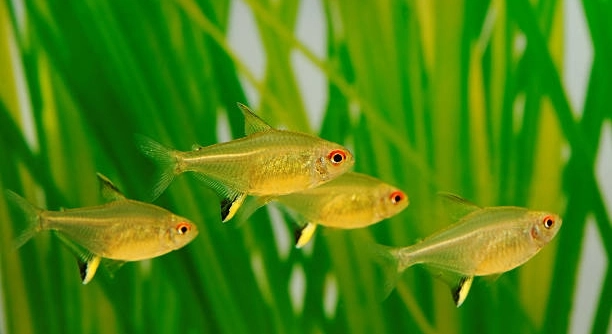
Lemon tetras are small, vibrant fish that bring life to any aquarium. They are active and social, often swimming in groups and exploring their surroundings with curious yet cautious behavior. Observing them can be rewarding for any hobbyist.
Lemon tetras instinctively avoid areas with strong currents, sudden changes in lighting, aggressive tank mates, unfamiliar objects, poor water quality, open surfaces without cover, and overly crowded spaces. These behaviors are driven by survival instincts and natural stress responses.
Knowing what triggers their avoidance can help you create a safer and more comfortable environment. Paying attention to their instincts ensures their well-being and encourages healthier, calmer behavior in your aquarium.
Strong Currents
Lemon tetras are not strong swimmers compared to larger fish. When the water moves too quickly, they instinctively try to avoid it. Strong currents can tire them out and make it hard to navigate the tank. In aquariums with filters or pumps that produce rapid flow, they often stick to the calmer corners or areas with plants. Even moderate currents can stress them over time, reducing their appetite and affecting overall health. Providing gentle water movement and plenty of hiding spots allows them to swim freely without constant effort. Observing their swimming patterns helps in adjusting equipment placement and flow levels. Over time, it becomes clear which areas of the tank are comfortable and which are stressful. Small adjustments, like repositioning decorations or adjusting filter output, can significantly improve their behavior and overall well-being. Their instinct to avoid strong currents is a survival mechanism carried from their natural habitats.
Strong currents increase stress, reduce swimming efficiency, and can negatively impact health. Lemon tetras naturally seek calmer areas with less water movement for comfort and safety.
Adjusting water flow and providing plant cover makes a noticeable difference. Watching their movements carefully helps maintain a balanced tank environment.
Bright or Sudden Lighting
Lemon tetras are sensitive to sudden changes in light. Bright or flashing lighting can startle them, causing rapid darting or hiding behavior. They prefer soft, consistent lighting that mimics their natural environment, such as dappled light through plants. Strong overhead lights or direct sunlight can make them uncomfortable, pushing them toward shaded areas. In tanks with intense LED lights or light timers, they may show stress if adjustments are abrupt. Gradual changes in lighting, along with floating plants, can reduce stress and encourage natural swimming patterns. They may also hide more often if lighting is too bright, limiting social interaction within the group. By observing their reactions to light, tank owners can create a setup that feels safe. A carefully lit tank encourages activity, reduces stress, and supports feeding and breeding behaviors.
Avoiding bright or sudden lighting is essential for their comfort and long-term health.
When lighting is adjusted thoughtfully, lemon tetras remain active and relaxed. Providing shaded areas, using dimmers, and avoiding abrupt light changes helps them thrive naturally. Observing their response to light over time allows for a stable environment where stress is minimized, and natural behaviors flourish. Gradual adaptation to tank conditions ensures they stay healthy and enjoy swimming freely. Proper lighting management contributes to overall aquarium balance, allowing these delicate fish to display their vibrant colors without fear or tension.
Aggressive Tank Mates
Lemon tetras avoid aggressive fish because confrontations can cause stress and injury. They naturally stay in calmer areas of the tank and retreat to plants or corners when larger or territorial fish are nearby.
Aggressive tank mates disrupt their social behavior and can even prevent feeding. Lemon tetras are peaceful schooling fish, and they rely on group cohesion for comfort. When housed with fin-nippers or larger predatory species, they often hide and reduce movement to stay safe. Over time, constant stress can weaken their immune system, making them more prone to illness. Observing their interactions is key to identifying which species cause anxiety, allowing adjustments in tank population.
A well-planned community tank ensures lemon tetras feel secure. Including plenty of plants and hiding spaces helps them avoid conflict while maintaining natural swimming and schooling behavior. Proper pairing with non-aggressive species encourages vibrant activity and healthier habits, reducing stress-related problems.
Unfamiliar Objects
Lemon tetras are cautious around new objects introduced into their tank. Sudden additions like decorations, equipment, or ornaments often trigger hiding and avoidance behavior. They take time to assess changes in their environment before exploring.
New objects can be seen as potential threats. Lemon tetras will swim around them cautiously, sometimes ignoring the area completely until they feel safe. Brightly colored or oddly shaped items may increase stress, causing them to stay near familiar spots. Gradual placement and leaving time for acclimation helps them adjust more comfortably. Fish may use plants or corners as protective zones until they feel secure. Introducing objects slowly and observing their reactions prevents prolonged stress and supports natural behavior.
Proper integration of new items requires patience. Lemon tetras thrive when their environment is predictable and stable. Allowing them to gradually investigate additions encourages curiosity without forcing exposure. Over time, they gain confidence, exploring the entire tank while maintaining natural caution. Consistency and careful observation during changes create a balanced aquarium that respects their instincts. Providing familiar hiding spaces alongside new objects helps them transition smoothly, ensuring comfort and reducing anxiety.
Open Surfaces
Lemon tetras instinctively avoid open areas without cover. Exposed spaces make them feel vulnerable to predators, even in a home aquarium. They naturally stick close to plants or decorations for safety.
Providing floating plants or dense foliage gives them security. They swim more confidently when shaded and protected, reducing stress and encouraging natural behavior.
Poor Water Quality
Lemon tetras are sensitive to water conditions. High levels of ammonia, nitrites, or nitrates, along with inconsistent temperature, cause stress and avoidance behavior. Maintaining stable, clean water is essential for their health and activity.
They will hide or remain inactive if water quality drops. Even slight changes in pH or hardness can affect their swimming and feeding patterns. Regular testing, partial water changes, and careful monitoring help maintain a healthy environment. Consistency prevents stress, supports immune function, and ensures they remain active and social. Observing their behavior closely can indicate when water adjustments are necessary.
Overcrowded Spaces
Excessive fish density makes lemon tetras uncomfortable. They avoid tight areas where movement is restricted and stress levels increase, impacting health.
Providing sufficient swimming space and proper stocking limits allows them to maintain natural schooling behavior and reduces aggression among tank mates.
What kind of tank setup do lemon tetras prefer?
Lemon tetras thrive in tanks that mimic their natural habitat. They prefer a well-planted aquarium with plenty of hiding spots and moderate lighting. Floating plants and leafy vegetation give them security, while open swimming areas let them move freely in groups. A tank with gentle water flow is ideal, as strong currents can stress them. Substrate can be fine gravel or sand, but avoid sharp materials that could injure their delicate fins. Decorations should be smooth and stable, giving them areas to explore without fear of injury. Providing a balanced environment supports their natural behavior and keeps them healthy.
How many lemon tetras should be kept together?
Lemon tetras are schooling fish and feel safest in groups. Keeping at least six together helps them establish social bonds and reduces stress. In smaller numbers, they may hide more and display timid behavior. Larger groups encourage active swimming and natural interaction, making the tank more lively. Grouping them also prevents bullying from other species, as they find strength in numbers. Observing their behavior in groups shows whether they feel comfortable and secure, helping maintain a healthy social structure in the aquarium.
What water conditions are ideal for lemon tetras?
Lemon tetras are sensitive to water quality and stability. They do best in water with a temperature between 72°F and 78°F, a pH of 6.0 to 7.5, and soft to moderately hard water. Sudden changes in temperature or chemical levels can cause stress and weaken their immune system. Regular partial water changes and testing for ammonia, nitrites, and nitrates are essential. A stable, clean environment promotes active swimming, feeding, and natural schooling behavior. Avoid overcrowding to maintain water quality and reduce competition for oxygen. Careful monitoring ensures long-term health and vibrant coloration.
What do lemon tetras eat?
Lemon tetras are omnivores and enjoy a varied diet. High-quality flake or micro-pellet food forms the staple of their diet. Supplementing with frozen or live foods, such as brine shrimp, daphnia, or bloodworms, provides extra nutrients and encourages natural hunting behavior. Vegetables like blanched spinach or zucchini can be offered occasionally. Feeding small portions multiple times a day prevents overfeeding and water contamination. Monitoring their eating habits helps identify health issues early. A balanced diet supports energy, color, and reproduction while keeping them active and happy in the aquarium.
How do lemon tetras behave with other fish?
Lemon tetras are peaceful and do well with other small, non-aggressive species. They avoid aggressive or territorial tank mates, often hiding or staying near plants when threatened. Proper community pairing ensures they maintain schooling behavior and swim confidently. Aggressive fish can cause stress, fin damage, or reduced feeding. Choosing compatible species such as small rasboras, guppies, or corydoras creates a harmonious tank environment. Observing interactions helps detect problems early and allows for timely adjustments. A peaceful community tank encourages natural behavior, healthier growth, and a more visually appealing aquarium.
How often should the tank be cleaned?
Regular maintenance is crucial for lemon tetras. Partial water changes of 20–25% weekly keep water parameters stable. Cleaning the substrate, filter, and decorations prevents buildup of waste and harmful chemicals. Avoid deep cleaning that removes beneficial bacteria from the tank. Monitoring water quality during maintenance ensures ammonia and nitrate levels remain safe. Regular upkeep reduces stress, supports immune function, and encourages active swimming and feeding. Consistent cleaning schedules help lemon tetras thrive and display vibrant colors, keeping the aquarium balanced and enjoyable for both fish and the observer.
What signs show a lemon tetra is stressed?
Stress in lemon tetras can appear as hiding, sluggish swimming, loss of appetite, or faded coloration. Rapid gill movement, darting, or staying at the bottom of the tank are also indicators. Stress often comes from poor water quality, aggressive tank mates, overcrowding, or sudden environmental changes. Identifying these signs early allows corrective action, such as adjusting water conditions, improving hiding spaces, or modifying tank mates. Reducing stress helps maintain immune health and prevents disease, ensuring lemon tetras remain active, social, and vibrant.
Can lemon tetras breed in a home aquarium?
Lemon tetras can breed under the right conditions. They require clean, slightly acidic water with a temperature around 75–78°F. Providing fine-leaved plants or spawning mops gives them places to lay eggs. Males display brighter colors and chase females during courtship. Eggs hatch in about 24–36 hours, and fry should be separated or protected from adult fish. Feeding infusoria or specialized fry food promotes healthy growth. Breeding in a controlled setup allows observation of natural behavior while keeping adults and fry safe. Proper care increases survival rates and encourages natural instincts in a home aquarium.
How can I reduce lemon tetra stress in my tank?
Stress can be minimized by providing stable water conditions, gentle filtration, and consistent lighting. Adding plants, hiding spots, and sufficient swimming space helps them feel secure. Avoid placing them with aggressive fish or overstocking the tank. Monitoring behavior and responding to signs of discomfort supports overall health.
What is the lifespan of lemon tetras?
Lemon tetras typically live 3 to 5 years in a well-maintained aquarium. Stable water conditions, proper diet, and stress-free environments contribute to longevity. Regular monitoring and careful care help them reach their full lifespan. Observing their behavior over time ensures they remain healthy, active, and vibrant.
Lemon tetras are small but sensitive fish that rely heavily on their instincts to stay safe and comfortable. Their avoidance of strong currents, bright lighting, aggressive tank mates, and unfamiliar objects shows how carefully they navigate their environment. Each behavior, from hiding behind plants to swimming in groups, has a clear purpose rooted in survival. Understanding these tendencies allows you to create an aquarium that respects their natural instincts. Providing enough space, gentle water flow, and a variety of plants helps them feel secure while encouraging normal activity and social behavior. When these basic needs are met, lemon tetras are more likely to show healthy swimming patterns, vibrant colors, and social interaction within their school. Observing them closely provides insight into what makes them comfortable and highlights areas of the tank that may need adjustments to reduce stress.
Maintaining a stable and clean environment is also crucial for their health. Lemon tetras are sensitive to water quality and chemical imbalances, which can easily trigger stress and avoidance behaviors. Regular water testing, partial water changes, and monitoring of temperature, pH, and hardness are necessary to ensure a healthy home. Overcrowding or poor filtration can further increase stress, limiting swimming space and forcing them into hiding. Even small changes in lighting or decoration can affect their comfort if not introduced gradually. By keeping conditions consistent and predictable, you give lemon tetras a sense of safety, allowing them to explore their tank confidently. A thoughtful approach to tank management, combined with careful observation, ensures that these small fish remain healthy, active, and visually striking over time.
Paying attention to diet and social interactions is equally important. Lemon tetras thrive in groups and need a variety of foods to support energy, growth, and coloration. Feeding a mix of high-quality flakes, frozen or live foods, and occasional vegetables helps maintain their overall health. Watching how they interact with other fish can indicate whether the tank setup is suitable or if changes are necessary. Stress from aggressive neighbors or insufficient cover can cause hiding, reduced feeding, or illness. Simple adjustments, like adding more plants or rearranging decorations, can make a noticeable difference. Overall, caring for lemon tetras requires a combination of understanding their instincts, maintaining stable water conditions, providing proper nutrition, and observing behavior carefully. Meeting these needs consistently ensures a thriving aquarium where lemon tetras can display their natural behavior, stay healthy, and enrich the space with their vibrant presence.

Hello,
If you enjoy the content that we create, please consider saying a "Thank You!" by leaving a tip.
Every little bit helps us continue crafting quality advice that supports the health, happiness, and well-being of pets around the world, for pets of all shapes, sizes, and species.
We really appreciate the kindness and support that you show us!