
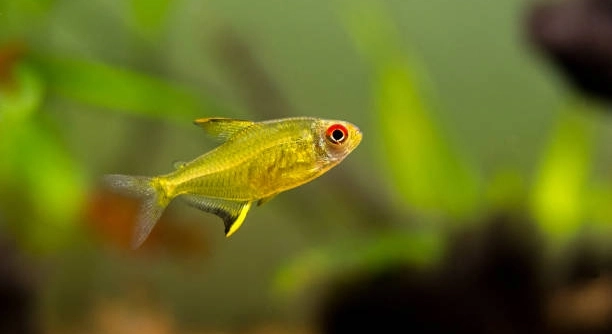
Many aquarists enjoy keeping lemon tetras for their bright colors and lively swimming. However, these small fish are sensitive to noise and sudden disturbances, which can affect their behavior and overall health in the aquarium.
Noisy tanks often stem from improper filter placement, overcrowding, aggressive tank mates, loud equipment, and constant tapping on the glass. Each factor creates stress that disrupts the peaceful environment lemon tetras need to thrive, affecting their feeding and swimming patterns.
Recognizing and correcting these mistakes will help your lemon tetras feel calmer and more comfortable in their tank. Small adjustments can lead to a noticeably happier aquatic environment.
Loud Filters and Pumps
A common source of tank noise comes from filters and pumps. If they are too strong or placed incorrectly, they create vibrations that travel through the tank walls. Lemon tetras are sensitive to these vibrations, and constant exposure can lead to stress, reduced appetite, and hiding. It is important to check the filter’s flow rate and position. Sometimes adding a sponge or adjusting the suction can reduce vibrations. Maintenance is also key. Debris in the filter or worn-out parts can increase the noise level. Regular cleaning and replacing parts when necessary ensures smoother, quieter operation. For smaller tanks, low-flow filters often work better. Ensuring the pump is securely mounted and insulated can make a significant difference. Even minor adjustments can create a calmer environment that promotes healthier, more active lemon tetras. Observing their behavior after adjustments helps confirm if the noise has been reduced effectively.
Filters that hum or rattle constantly should be repositioned or replaced to protect the fish’s comfort.
Quieter filtration supports a stable tank environment, reducing stress for lemon tetras. Small changes, like adding dampening pads or switching to a low-flow filter, can improve daily life. Overly strong pumps often create currents that tire the fish, making them less active. Observing their swimming patterns helps identify if the filter is too aggressive. Some filters allow adjustments to reduce flow and noise. Ensuring proper cleaning prevents debris from amplifying vibrations. Properly securing the pump prevents sudden rattling or movement. Even minor noise reduction can improve feeding behavior and overall activity levels. A calm tank encourages natural schooling and reduces hiding, helping lemon tetras display their bright colors. Attention to equipment not only improves fish comfort but also increases your enjoyment of watching them. Consistent monitoring ensures that the tank stays peaceful without sudden loud disturbances.
Overcrowding the Tank
Too many fish in one tank can create constant movement and splashing, leading to noise that disturbs lemon tetras.
Overcrowding stresses fish and increases competition for food, causing aggression and irregular behavior. Lemon tetras need space to school calmly, and a crowded tank reduces their comfort and overall well-being.
Keeping the tank population appropriate for its size helps maintain a quieter, more peaceful environment. Monitoring fish numbers and tank capacity ensures each fish has enough room to swim freely. Overcrowding not only increases noise but can also affect water quality, leading to additional stress. It can be tempting to add more fish for visual appeal, but space and behavior must take priority. Providing hiding spots and plants can give fish refuge, further reducing stress. Lemon tetras show more natural behavior in a well-sized tank, moving in coordinated schools rather than darting nervously. Reducing the number of fish or upgrading to a larger tank restores balance, creating a calmer environment where feeding, resting, and interaction happen naturally. Over time, the difference in their activity and color can be noticeable, showing the benefits of proper stocking levels.
Aggressive Tank Mates
Aggressive fish chase or nip at lemon tetras, creating constant disturbance. This stress leads to hiding, loss of appetite, and dull colors.
Keeping compatible species is essential. Lemon tetras thrive with peaceful community fish that do not chase or intimidate them. Aggressive tank mates create stress signals, making schooling difficult and causing constant movement that generates additional noise. Stress can lead to weakened immune systems, leaving the fish more prone to illness. Observing interactions daily helps identify problematic species early. Rearranging tank decorations can also reduce direct confrontations by providing hiding spots.
Introducing aggressive fish without considering behavior and size often results in repeated stress for lemon tetras. Consistent monitoring ensures all species coexist peacefully. Avoid fish that chase or crowd them, and separate aggressive individuals if necessary. Maintaining a balanced and calm environment helps lemon tetras feed, swim, and display their natural colors without constant disturbance. Providing sufficient space, plants, and hiding spots minimizes conflicts. This careful selection of tank mates prevents noise from aggressive interactions, ensuring a more stable and comfortable tank for the entire community.
Constant Tapping and Movement
Repeated tapping or sudden movements near the tank frighten lemon tetras. Stress levels rise, and schooling becomes irregular. Maintaining distance and gentle handling reduces disturbances and preserves calm.
Lemon tetras respond strongly to visual and vibrational stimuli. Continuous tapping on the glass, sudden hand movements, or even shadows near the tank can cause panic and erratic swimming. Over time, this stress can affect feeding patterns and growth. Avoid tapping and abrupt gestures, and place the tank in a low-traffic area. Positioning equipment and decorations to reduce reflections also helps minimize startling responses.
Behavioral changes often signal that disturbances are too frequent. Calm observation and minimizing physical interference improve their comfort. Even subtle movements outside the tank can trigger stress, so arranging a quiet environment is important. Plants, caves, and other hiding spots give tetras refuge from external motion. Encouraging natural schooling behavior and reducing sudden activity helps maintain a peaceful environment. Consistency in handling and careful placement of the tank contribute to healthier, more relaxed lemon tetras. This approach prevents ongoing noise from external movement and promotes stability.
Loud Decorations and Gravel
Heavy decorations or coarse gravel can create noise when fish move around or when cleaning the tank. Choosing lighter, smooth materials helps minimize vibrations and sudden sounds, keeping lemon tetras calmer.
Sharp or jagged decorations increase the risk of accidental bumps and scraping noises. Rounded stones and soft substrate reduce impact sounds. Avoid stacking heavy items loosely, as falling pieces can startle fish. Smooth ornaments and plants absorb movement, helping maintain a quieter tank.
Overfeeding
Excess food can fall to the bottom, attracting fish to forage noisily. Uneaten food decomposes, causing bubbles and gurgling noises in the substrate, adding to tank disturbances.
Improper Tank Size
A tank that is too small forces lemon tetras to swim in cramped conditions. Limited space increases collisions with decorations, producing constant noise and elevating stress levels.
Equipment Placement
Filters, heaters, and air pumps placed directly on glass transmit vibrations into the tank. Using pads or stands can isolate noise and reduce disturbance for lemon tetras.
FAQ
Why do lemon tetras get stressed in noisy tanks?
Lemon tetras are small, sensitive fish that rely on calm surroundings to school and feed properly. Loud noises, constant vibrations, or aggressive tank mates can trigger stress. Prolonged stress affects their appetite, colors, and immune system. Maintaining a stable and quiet environment helps them stay healthy and active.
How can I reduce noise from my filter and pump?
Positioning filters and pumps on soft pads or sponge mounts helps absorb vibrations. Regular maintenance is essential—cleaning debris and replacing worn parts keeps equipment quieter. For small tanks, low-flow filters are preferable. Adjusting flow and securing devices reduces rattling and creates a calmer environment.
Can tank size affect noise levels for lemon tetras?
Yes, smaller tanks amplify vibrations and collisions with decorations. Cramped spaces force fish to swim closely together, increasing stress and noise. Providing a tank that allows free swimming and spacing decorations properly helps reduce disturbances.
Do certain decorations make tanks noisier?
Heavy, jagged, or loosely stacked decorations create noise when fish bump into them or when cleaning. Smooth, rounded ornaments and soft substrates minimize sound. Plants also help dampen vibrations, providing a quieter environment and refuge for lemon tetras.
How do aggressive tank mates impact noise and stress?
Aggressive fish chase or nip at lemon tetras, causing constant movement and panic. This behavior generates noise and prevents peaceful schooling. Choosing compatible, peaceful species ensures a calmer tank and reduces stress-related issues.
Does tapping on the tank affect lemon tetras?
Yes, repeated tapping or sudden hand movements create vibrations that startle fish. Even shadows can disturb them. Minimizing external activity near the tank helps maintain calm swimming patterns and proper feeding behavior.
Can overfeeding contribute to tank noise?
Overfeeding causes uneaten food to settle on the substrate, attracting fish to forage noisily. Decomposing food can also produce bubbling sounds and increase tank disturbances. Feeding appropriate amounts reduces noise and maintains water quality.
What is the best way to arrange equipment to minimize vibrations?
Place heaters, air pumps, and filters on soft pads or insulated stands. Avoid direct contact with the glass, as this transmits vibrations into the water. Securing cords and tubing also prevents sudden rattling that can stress lemon tetras.
How can I tell if my lemon tetras are stressed?
Signs of stress include hiding, erratic swimming, loss of appetite, and faded colors. Monitoring daily behavior allows early intervention. Adjusting noise sources, tank size, decorations, and compatible tank mates improves overall comfort.
Are there long-term effects of constant noise in the tank?
Yes, chronic stress can weaken the immune system, reduce lifespan, and affect breeding. Continuous disturbances prevent natural schooling and resting behavior. Maintaining a calm, well-arranged tank ensures healthier, more vibrant lemon tetras over time.
Can plants help reduce tank noise?
Yes, live or artificial plants act as buffers. They absorb movement and vibrations while providing hiding spots. Strategically placing plants throughout the tank supports calmer behavior, reduces collisions, and helps maintain a quieter environment for lemon tetras.
Is it necessary to adjust water flow for lemon tetras?
Strong currents make lemon tetras swim harder, increasing stress and collisions with decorations. Low-flow filters or adjustable flow rates create gentle currents, promoting relaxed swimming and reducing noise from frantic movement.
How often should I check equipment for noise?
Regular weekly inspections help identify rattling or malfunctioning equipment. Cleaning, repositioning, or replacing noisy devices prevents ongoing disturbances. Consistent monitoring ensures a quieter tank and healthier lemon tetras.
Do external vibrations, like footsteps or loud rooms, affect the tank?
Yes, vibrations from nearby movement, loud music, or appliances transmit through surfaces into the tank. Placing the aquarium on a stable stand in a low-traffic area minimizes these disturbances. Additional padding under the tank can absorb vibrations effectively.
Can small adjustments really make a difference?
Absolutely. Simple changes like securing equipment, rearranging decorations, feeding appropriate amounts, and monitoring tank mates can noticeably reduce stress and noise. Over time, these adjustments create a calmer, healthier environment where lemon tetras thrive naturally.
What is the most important factor for a quiet tank?
Consistency is key. Maintaining proper equipment placement, compatible tank mates, controlled feeding, and calm surroundings ensures minimal noise and stress. Attention to these details allows lemon tetras to exhibit natural schooling, vibrant colors, and healthy behavior consistently.
Final Thoughts
Maintaining a quiet and calm tank is essential for lemon tetras to thrive. These small fish are naturally sensitive, and even minor disturbances can affect their behavior, health, and overall well-being. Noise in the tank can come from multiple sources, including loud filters, strong pumps, overcrowding, aggressive tank mates, or improper decorations. Each factor contributes to stress in a subtle but significant way. Lemon tetras rely on consistent and peaceful surroundings to school properly, feed without interruption, and display their bright, natural colors. A stressful environment prevents them from showing normal behaviors and may lead to health issues over time. Recognizing the sources of noise and addressing them promptly is key to creating a balanced and stable aquarium.
Small adjustments can make a noticeable difference in the comfort of your lemon tetras. Placing filters and pumps on soft pads, choosing quieter or low-flow equipment, and securing heaters or air pumps reduces vibrations that travel through the tank. Arranging decorations carefully and using smooth or rounded substrates also minimizes noise from collisions. Overfeeding should be avoided to prevent excess food from falling to the bottom and creating bubbling or gurgling sounds. Even the tank’s location matters—keeping it in a low-traffic area and reducing sudden movements near the glass helps maintain a calm environment. Observing your fish daily provides valuable insight into their stress levels and whether additional changes are needed. These small efforts collectively create a quieter, more peaceful habitat that allows lemon tetras to feel secure and behave naturally.
Attention to tank mates and overall stocking levels is equally important. Aggressive or overly active fish can chase lemon tetras, causing constant movement and panic that amplifies noise. Overcrowding reduces space, increases collisions with decorations, and elevates stress. Providing sufficient space, compatible tank mates, and hiding spots allows lemon tetras to swim freely and form proper schools. Live or artificial plants can serve as both noise buffers and refuges, further reducing disturbances. Consistency in tank maintenance, feeding, and monitoring ensures that these fish experience minimal stress. By addressing noise sources and maintaining a calm environment, you can support the health, comfort, and natural behavior of your lemon tetras, creating a visually appealing and harmonious aquarium that benefits both the fish and the caretaker.

Hello,
If you enjoy the content that we create, please consider saying a "Thank You!" by leaving a tip.
Every little bit helps us continue crafting quality advice that supports the health, happiness, and well-being of pets around the world, for pets of all shapes, sizes, and species.
We really appreciate the kindness and support that you show us!