
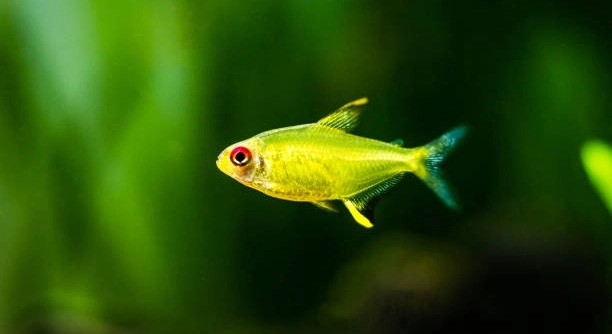
Do you ever notice your lemon tetras looking a bit dull despite careful care? Many aquarium enthusiasts struggle with keeping their fish bright and colorful, even with regular feeding and clean water routines.
Achieving the best color in lemon tetras requires a combination of proper nutrition, stable water conditions, adequate lighting, and suitable tank mates. Each factor contributes to enhancing pigmentation, promoting health, and maintaining consistent, vibrant coloration in these small freshwater fish.
Following these simple steps can significantly improve your tetras’ appearance. Understanding the underlying factors will help you maintain a lively and visually striking aquarium.
Proper Nutrition for Vibrant Color
Feeding your lemon tetras a balanced and high-quality diet is essential for maintaining their bright yellow color. Providing a mix of flake foods, micro pellets, and occasional live or frozen foods ensures they receive the right nutrients. Foods rich in carotenoids and natural pigments help intensify their coloration. Avoid overfeeding, as this can lead to poor water quality and stress, which dulls their color. Supplementing their diet with spirulina or krill can enhance their natural yellow hue and overall health. Observing how your fish respond to different foods will help you adjust portions and types to suit their needs. Consistency in feeding schedules also supports a steady metabolism, which contributes to stronger colors and better energy levels. Avoid sudden changes in diet, as lemon tetras are sensitive to abrupt transitions, which can reduce their brightness temporarily.
A well-rounded diet directly impacts your tetras’ color and vitality, giving them a consistent, healthy glow.
Providing variety and nutrient-rich foods ensures long-lasting color enhancement while supporting immune function, stress resistance, and overall activity levels, keeping your tank lively and visually appealing.
Maintaining Stable Water Conditions
Keeping water conditions stable is vital for the health and color of lemon tetras. Sudden changes in temperature, pH, or hardness can stress the fish, causing colors to fade.
Monitoring water parameters regularly helps prevent fluctuations. Ideal conditions include a temperature between 72–78°F, pH around 6.5–7.5, and soft to moderately hard water. Consistent water changes of 20–25% weekly reduce toxins and maintain clarity, which improves light penetration and enhances color. Using a reliable filtration system ensures debris and waste are removed efficiently without creating strong currents that can stress the fish. Avoid overcrowding, as high population density leads to increased waste, competition for food, and stress-induced dullness. Incorporating live plants not only stabilizes water chemistry but also provides hiding spaces, reducing stress. Observation is key; tetras showing signs of fading color may be experiencing subtle water changes or stress. Adjusting conditions gradually allows them to recover and regain vibrancy over time. Proper care creates a balanced environment that naturally supports brighter coloration and overall fish well-being.
Adequate Lighting
Proper lighting is important for lemon tetra coloration. Natural or full-spectrum aquarium lights enhance their yellow hues and highlight the subtle shades in their fins.
Consistent lighting schedules of 8–10 hours per day help regulate their natural rhythms and display colors more vividly. Too little light makes their yellow fade, while excessive lighting can encourage algae growth and stress. Positioning lights to evenly cover the tank ensures all fish benefit equally. Using a timer maintains a stable day-night cycle, which supports healthy behavior and coloration. Observing how your tetras react to changes in light intensity allows you to find the optimal balance for your aquarium setup.
Including floating plants can diffuse harsh light while still allowing enough brightness to enhance color. A combination of well-placed LED or fluorescent lighting and natural shading produces the most visually appealing results. Avoid sudden light changes, as tetras may hide or lose vibrancy temporarily. Adjusting the lighting gradually ensures they remain healthy and colorful over time.
Choosing Compatible Tank Mates
Lemon tetras thrive with peaceful tank mates that do not compete aggressively for food or territory.
Aggressive or overly active fish can stress tetras, causing them to lose color and hide frequently. Ideal companions include small tetras, rasboras, and gentle bottom-dwellers. Keeping a moderate group size reduces stress and maintains social interaction among the tetras. Monitor interactions closely to ensure all fish are feeding and behaving normally.
Overcrowding should be avoided, as it increases competition and can lead to disease outbreaks that diminish color. Providing enough hiding spaces and plants allows each fish to establish personal zones, reducing conflict. Choosing compatible species with similar water requirements ensures stability and long-term health. Maintaining peaceful conditions supports brighter coloration and promotes active, confident swimming behavior. Observing your fish daily allows adjustments to tank dynamics, ensuring optimal color expression and overall well-being.
Regular Tank Cleaning
Maintaining a clean tank is essential for lemon tetras’ health and color. Removing debris and uneaten food prevents water contamination and stress, which can dull their yellow hue.
Partial water changes of 20–25% weekly keep toxins low and maintain clarity. Using a siphon helps clean the substrate without disturbing plants or fish. Avoid over-cleaning filters, as beneficial bacteria are crucial for water balance. Consistent maintenance reduces fluctuations in water chemistry, supporting vibrant coloration and active swimming. Observing the tank during cleaning can also help spot early signs of illness or stress.
Stress Reduction
Minimizing stress in lemon tetras directly impacts their brightness and overall health.
Stress can arise from sudden environmental changes, overcrowding, or incompatible tank mates. Ensuring stable water conditions, proper nutrition, and peaceful companions helps prevent color loss and lethargy. Adding plants and hiding spots allows fish to feel secure, supporting natural behavior and strong coloration.
Monitoring Health
Regular health checks are vital to maintain vibrant color. Watch for unusual behavior, faded colors, or signs of illness. Promptly addressing issues preserves both appearance and long-term well-being.
FAQ
How often should I feed my lemon tetras?
Feeding small portions two to three times a day is best. Overfeeding can pollute the water, stress the fish, and dull their color. Stick to amounts they can finish in two to three minutes. Including occasional live or frozen foods like daphnia or brine shrimp provides extra nutrients for brighter coloration.
Can tank size affect their color?
Yes. Lemon tetras need enough space to swim freely. A minimum of 20 gallons for a small group is ideal. Crowded conditions lead to stress, reduced activity, and faded colors. Proper spacing also reduces competition for food and establishes a stable social hierarchy.
Do live plants help with color?
Live plants improve water quality, offer hiding spots, and reduce stress, all of which enhance coloration. Plants like Java fern or Anubias diffuse light and create natural environments that make yellow tones stand out. A well-planted tank encourages natural behavior and vibrant appearance.
What is the best water temperature?
Lemon tetras thrive between 72–78°F. Sudden temperature changes stress the fish and can cause colors to fade. Use a reliable heater and thermometer to maintain stable temperatures. Avoid placing the tank near drafts or direct sunlight to reduce fluctuations.
How can I tell if a fish is stressed?
Signs include hiding frequently, loss of appetite, faded colors, or erratic swimming. Stress can come from poor water quality, aggressive tank mates, or improper lighting. Observing their daily behavior helps identify subtle changes early, allowing you to correct the conditions before it affects color long-term.
Do certain foods improve yellow coloration?
Yes. Foods rich in carotenoids, like krill, spirulina, or specialized color-enhancing flakes, intensify yellow hues. Supplementing their diet with these occasionally, while keeping a balanced feeding routine, helps maintain vibrant color without overloading their system. Variety also promotes overall health.
How long does it take for color to improve?
Improvement depends on diet, water quality, and stress levels. Some fish may show brighter colors within a few weeks, while others may take a few months. Consistency in feeding, lighting, and stable tank conditions is key for lasting results. Patience is important.
Are tank mates important for color maintenance?
Absolutely. Peaceful companions reduce stress, which directly affects coloration. Avoid aggressive or fin-nipping fish. Suitable tank mates encourage natural schooling behavior, promoting confidence, activity, and stronger yellow tones. A calm environment allows fish to display their best colors consistently.
Can water hardness impact coloration?
Yes. Lemon tetras prefer soft to moderately hard water. Hard or fluctuating water can stress them and dull their yellow. Regular testing and gradual adjustments ensure water chemistry stays within ideal ranges, supporting healthy pigmentation and overall vitality.
What role does lighting play in color?
Proper lighting highlights natural pigments. Full-spectrum or LED lights with consistent schedules allow yellow tones to appear vibrant. Too little light dulls color, while too much can stress the fish and encourage algae. Timed lighting mimics natural day-night cycles, supporting bright and healthy fish.
Is it normal for colors to fade during stress or illness?
Yes. Dull color often signals stress, illness, or poor water conditions. Identifying the cause quickly—whether dietary, environmental, or social—allows intervention. Correcting these factors restores their natural yellow tones and improves overall health.
Do seasonal changes affect color?
Seasonal changes in room temperature or light exposure can influence behavior and pigmentation. Maintaining stable tank conditions throughout the year helps prevent fading. Timers, heaters, and proper tank placement reduce seasonal fluctuations and preserve color vibrancy.
How many lemon tetras should be kept together?
A minimum of six is recommended. They are schooling fish, and small groups help them feel secure, reducing stress and enhancing color. Larger groups improve natural behavior, creating a dynamic display of yellow tones throughout the tank.
Can stress from new additions affect color?
Yes. Introducing new fish can temporarily stress lemon tetras. Quarantining new additions and acclimating them slowly minimizes aggression and environmental shock, allowing the original tetras to maintain their coloration.
Do frequent water changes really make a difference?
Absolutely. Regular partial water changes remove toxins, stabilize water chemistry, and improve clarity. Clean water supports both health and vibrant coloration. Skipping changes can lead to dull colors and stress, even in well-maintained tanks.
How can I enhance color naturally without chemicals?
Focus on high-quality food, stable water, proper lighting, and peaceful tank conditions. Natural diet supplements, live plants, and maintaining low-stress environments encourage healthy pigmentation. Avoid relying on artificial color boosters, as they do not address underlying health or environmental factors.
Is monitoring behavior important for color maintenance?
Yes. Active, confident swimming and regular feeding habits indicate good health. Sudden changes in behavior or hiding can be early signs of stress, which affects color. Consistent observation ensures timely adjustments to maintain vibrant yellow hues.
Can overcrowding permanently dull colors?
Yes. Chronic stress from overcrowding can reduce coloration over time. Providing adequate space, hiding spots, and suitable companions supports natural schooling behavior and maintains brightness. Regular tank assessment prevents long-term color loss.
Do lemon tetras need supplements beyond food?
Occasional natural supplements like spirulina or krill help maintain color. However, the foundation remains a balanced diet and stable tank conditions. Supplements should be part of a routine, not a replacement for proper care.
How does aging affect color?
Older tetras may gradually lose some vibrancy, but proper care can slow this process. Maintaining ideal conditions, nutrition, and low stress allows mature fish to retain strong yellow hues for longer periods.
What signs indicate optimal coloration?
Bright, even yellow tones, clear fins, and active behavior indicate healthy color. Fish that school confidently and feed consistently are expressing their best natural pigmentation. Monitoring these signs helps maintain the tank’s visual appeal.
How can I encourage shy tetras to show their colors?
Providing hiding spaces, stable conditions, and calm tank mates encourages confidence. Gradually introducing light and feeding routines helps shy fish feel secure and display full coloration without stress.
Does water pH adjustment affect color?
Maintaining a pH around 6.5–7.5 keeps tetras comfortable. Sudden shifts can stress them and fade yellow tones. Gradual adjustments and testing prevent stress-related color loss while supporting overall health.
Can tank decorations influence color?
Yes. Dark backgrounds and natural plants make yellow tones stand out. Avoid overly bright or reflective surfaces, which can stress fish and reduce visibility of vibrant coloration. Choosing subdued decorations enhances their natural appearance.
What is the role of social interaction in color maintenance?
Schooling behavior promotes confidence and activity, which enhances pigmentation. Fish that feel secure with companions show brighter and more consistent color. Isolated or stressed individuals may hide, dulling their appearance.
Are there seasonal diet adjustments that help color?
Providing more carotenoid-rich foods during slower metabolism periods, such as winter, supports consistent yellow tones. Maintaining balance with regular diet prevents nutritional stress and supports vibrant coloration year-round.
How does tank lighting duration affect color?
Consistent 8–10 hour light cycles mimic natural day-night patterns. Proper duration highlights pigments and supports activity, while irregular schedules can stress fish and dull yellow tones. Using timers ensures stability.
Can stress from handling affect color?
Yes. Frequent netting or moving the fish can cause temporary fading. Minimizing direct handling and disturbances reduces stress, helping maintain strong, vibrant coloration.
How quickly can color fade if conditions worsen?
Fading can occur within days if water quality drops, tank mates are aggressive, or stress is high. Prompt correction of conditions allows recovery, but chronic issues may lead to long-term dulling.
Does adding live food improve both color and activity?
Yes. Live food stimulates natural hunting behavior, encourages activity, and provides nutrients that enhance yellow tones. Rotating with high-quality flakes or pellets ensures balanced nutrition and sustainable color maintenance.
Can seasonal temperature fluctuations affect yellow intensity?
Yes. Lemon tetras prefer stable temperatures. Fluctuations increase stress and reduce color. Heaters and careful tank placement help maintain optimal warmth, preserving bright pigmentation.
Is monitoring nitrate and ammonia levels important?
Absolutely. High nitrate or ammonia stresses fish, dulling color. Regular testing and water changes prevent accumulation and support a healthy, vibrant environment.
Can lighting color temperature affect yellow tones?
Yes. Full-spectrum or slightly warm lighting enhances yellow pigmentation. Cool or overly bright light can wash out colors or cause stress. Matching light to natural tones improves appearance.
How often should I check fish behavior for color maintenance?
Daily observation is ideal. Monitoring feeding, swimming, and social interactions allows early detection of stress or illness, which directly affects coloration. Prompt adjustments preserve vibrancy.
Do small water fluctuations matter?
Yes. Even minor changes in temperature, pH, or hardness can stress tetras. Maintaining consistent conditions prevents fading and promotes steady, healthy coloration.
Can stress from moving the tank affect color?
Yes. Transporting the tank or moving it to a new location can cause temporary fading. Gradual acclimation and minimizing disturbances help fish retain bright yellow tones.
Are tank covers or lids necessary for color stability?
Yes. Covers reduce evaporation, maintain temperature, and limit stress from external disturbances. Stable conditions support overall health and help fish maintain vibrant coloration.
Can overfeeding enhance color?
No. Overfeeding leads to poor water quality and stress, which dulls yellow tones. Portion control and balanced diet are more effective for color enhancement.
Do shy fish show less color naturally?
Yes. Shy or stressed fish may hide or reduce activity, which affects pigmentation. Creating secure environments and reducing disturbances encourages them to display full coloration.
How does water clarity impact appearance?
Clear water allows light to reach fish evenly, highlighting yellow tones. Cloudy or dirty water obscures color and may stress tetras, reducing vibrancy. Regular maintenance is essential.
Can fasting help color recovery?
Short fasting periods are sometimes used to prevent overfeeding, but the key is balanced nutrition and stable conditions. Fasting alone does not improve yellow tones.
Is it normal for new fish to fade initially?
Yes. Acclimation stress can temporarily dull color. Stable water, proper lighting, and peaceful companions help them regain natural yellow hues within days to weeks.
Can seasonal lighting changes enhance color naturally?
Yes. Mimicking natural light cycles helps maintain natural rhythms and coloration. Consistency is more important than intensity for long-term color retention.
Are supplements like carotenoids necessary for all tanks?
Not always. A balanced diet and stable conditions are sufficient for healthy coloration. Supplements can enhance tones but are not a substitute for proper care.
Can high-stress tank environments permanently dull colors?
Chronic stress from overcrowding, aggression, or poor water quality can lead to long-term color loss. Correcting these factors restores vibrancy gradually.
How do I know if water parameters are ideal for color?
Testing regularly for temperature, pH, hardness, ammonia, nitrite, and nitrate ensures stable conditions. Parameters within recommended ranges support bright yellow tones and overall health.
Can introducing hiding spots improve color?
Yes. Plants, rocks, and decorations reduce stress, allowing fish to feel secure and display their brightest yellow pigmentation naturally.
Do lemon tetras regain color quickly after stress?
Recovery speed depends on the severity of stress and water quality. Minor stress may improve in days, while prolonged issues take weeks. Consistency in care speeds recovery.
How can I encourage schooling for better color display?
Keeping at least six tetras together encourages natural schooling behavior. This increases confidence, reduces stress, and enhances collective yellow tones throughout the tank.
Is tank location important for maintaining color?
Yes. Avoid direct sunlight, drafts, or high-traffic areas. Stable, quiet locations prevent stress, which keeps yellow hues bright and consistent.
Can artificial decorations affect color perception?
Bright or reflective decorations may stress fish or make colors appear washed out. Using subdued backgrounds enhances natural yellow tones.
Do water conditioners impact pigmentation?
Safe conditioners that remove chlorine or heavy metals protect health but do not directly enhance color. Healthy, unstressed fish naturally display stronger yellow hues.
Can stress from sudden noise reduce coloration?
Yes. Vibrations or loud disturbances can startle tetras, causing temporary color loss. Minimizing noise supports stable behavior and vibrant appearance.
How do I know if my diet is effective for color?
Bright, consistent yellow tones and active behavior indicate proper nutrition. Dull color or lethargy suggests dietary adjustments are needed.
Are quarantine procedures necessary for maintaining color?
Yes. Quarantining new fish prevents disease introduction, reducing stress and preserving the coloration of existing tetras.
Can adding driftwood affect color?
Yes. Driftwood lowers pH slightly and creates natural environments. The subtle shade contrasts with yellow, enhancing its visual appeal.
Does tank depth influence lighting and color?
Deeper tanks may require stronger or more evenly distributed lighting to ensure all fish show vibrant yellow tones. Shallow tanks highlight colors naturally.
Can sudden changes in feeding time affect color?
Yes. Irregular feeding schedules increase stress, which can dull pigmentation. Consistent timing supports healthy behavior and bright yellow hues.
Do all lemon tetras show the same intensity of yellow?
No. Individual genetics, age, and health affect color. Maintaining ideal conditions allows each fish to display its maximum natural pigmentation.
How does stress from handling water during changes affect color?
Gentle, gradual water changes minimize disturbance and prevent temporary fading. Sudden or aggressive handling increases stress, impacting yellow vibrancy.
Can floating plants help with color and stress?
Yes. They diffuse light, provide shade, and reduce stress, encouraging fish to display bright yellow tones confidently.
Is it necessary to avoid strong currents for color?
Yes. Strong water flow stresses lemon tetras, leading to duller coloration. Gentle circulation keeps water clean without disturbing their natural swimming patterns.
How long should new tetras acclimate before showing full color?
Several days to a few weeks. Stable water, proper diet, and calm tank mates allow them to regain full yellow pigmentation gradually.
Can over-filtering affect color?
Excessive filtration can create strong currents, causing stress and temporary color fading. Balanced filtration maintains water quality without disturbing fish.
Does using dark substrate enhance yellow color?
Yes. Dark substrates provide contrast, making the yellow tones appear brighter and more vibrant. It also mimics natural environments, reducing stress.
Can tankmates nipping fins reduce coloration?
Yes. Aggressive nipping causes stress and injuries, leading to faded colors. Peaceful companions are essential for maintaining vibrant yellow hues.
Are seasonal water parameter changes a concern?
Yes. Temperature or hardness fluctuations with seasons can stress tetras. Monitoring and adjusting gradually keeps coloration consistent year-round.
How often should I test water for optimal color?
Weekly testing for key parameters ensures stable conditions. Consistent monitoring prevents stress-induced fading and supports strong yellow pigmentation.
Can stress from bright room lighting affect color?
Yes. Harsh or constant bright light may stress fish. Balanced aquarium lighting and shaded areas promote natural, vibrant coloration.
Does the number of hiding spots affect color expression?
Yes. Adequate hiding spots reduce stress, encourage activity, and allow tetras to display their best yellow tones.
Can temporary color fading indicate health issues?
Yes. Sudden dullness may signal illness, poor water quality, or stress. Prompt identification and correction help restore vibrant coloration.
Is it normal for color to fluctuate during schooling?
Slight changes in intensity may occur as fish move and interact. Consistent diet, water, and lighting maintain overall brightness.
Do all tank decorations equally impact color?
No. Natural, subdued decorations enhance yellow tones, while overly bright or reflective objects may stress fish and wash out their color.
Can seasonal diet changes affect coloration?
Providing carotenoid-rich foods during low activity seasons supports consistent yellow tones. Balanced diet year-round is essential for stable coloration.
How long does it take to see improvements from diet and care changes?
Noticeable color improvements may appear within weeks, but full vibrancy can take several months depending on initial health, water quality, and diet consistency.
Do older tetras require special care for color?
Maintaining stable conditions and high-quality nutrition helps older tetras retain their yellow pigmentation longer. Some natural fading is normal with age.
Can sudden stress permanently affect coloration?
Short-term stress usually causes temporary fading. Chronic or repeated stress can lead to longer-term color loss, which may be harder to reverse.
Does water clarity influence color perception?
Yes. Clear water allows light to enhance yellow tones. Cloudy water or algae growth diminishes visibility and reduces vibrancy.
Are feeding routines important for maintaining color?
Yes. Consistent schedules and appropriate portions support metabolism, reduce stress, and enhance bright yellow pigmentation.
Can tank placement near windows affect color?
Direct sunlight can increase algae growth and temperature fluctuations, stressing fish. Stable placement prevents color loss and maintains health.
Does adding leaf litter affect coloration?
Yes. Leaf litter slightly softens water and mimics natural habitats, reducing stress and enhancing yellow tones naturally.
Can overstocking permanently reduce color?
Yes. Persistent overcrowding causes stress and competition, dulling pigmentation over time. Adequate space maintains brightness and well-being.
Is monitoring behavior more important than appearance for color maintenance?
Yes. Active, confident, and social behavior indicates good health and supports natural yellow pigmentation more reliably than visual assessment alone.
How does water flow affect coloration?
Gentle circulation keeps water clean without stressing fish. Strong currents can reduce activity and cause temporary fading. Proper flow supports stable, vibrant color.
Can short-term stress from handling fade color?
Yes. Temporary fading is common but usually reverses once the fish returns to calm conditions. Minimizing handling preserves brightness.
Do lemon tetras show less color when sick?
Yes. Illness often causes dull yellow tones. Treating health issues promptly restores vibrancy and prevents long-term fading.
Does tank lighting spectrum matter for yellow tones?
Yes. Full-spectrum or slightly warm lighting enhances natural yellow pigmentation. Inadequate spectrum may dull appearance.
Can changing tank backgrounds affect color perception?
Yes. Dark, natural backgrounds make yellow tones stand out, while bright or reflective backgrounds may reduce visible vibrancy.
Are certain tankmates better for enhancing color display?
Peaceful, similarly sized species allow tetras to display natural behavior and pigmentation. Aggressive or overly active fish stress them, dulling color.
Can seasonal changes in room temperature affect coloration?
Yes. Sudden drops or spikes can stress tetras, causing temporary fading. Maintaining consistent aquarium conditions prevents this issue.
**Do weekly water
Maintaining the bright color of lemon tetras requires attention to several simple but essential factors. Consistency in water conditions, a balanced diet, and proper lighting all work together to keep their yellow hues vibrant. When water quality is stable and free from harmful chemicals, tetras are less stressed and more likely to display their natural coloration. Small, regular water changes and careful monitoring of temperature, pH, and hardness provide the foundation for healthy fish. Overcrowding and aggressive tank mates should be avoided, as they increase stress and can quickly cause color fading. Observing the fish daily allows you to spot early signs of stress or illness, making it easier to adjust conditions before problems become severe.
Diet is another crucial factor in enhancing and maintaining color. Feeding a variety of high-quality flakes, micro pellets, and occasional live or frozen foods ensures they receive the nutrients necessary for strong pigmentation. Foods rich in carotenoids, such as spirulina or krill, are particularly effective in intensifying yellow tones. Portion control is important, as overfeeding can reduce water quality and negatively impact coloration. A consistent feeding schedule also supports natural metabolism and activity levels, which contribute to a healthy, vibrant appearance. While diet alone cannot guarantee bright color, it works best when paired with stable tank conditions and minimal stress.
Creating a calm and natural environment supports both the health and appearance of lemon tetras. Incorporating live plants, hiding spots, and a dark or natural substrate can reduce stress and make their yellow tones stand out more. Proper lighting, timed to mimic natural day-night cycles, also plays a key role in color expression. Peaceful tank mates that do not compete aggressively for food or territory allow tetras to school naturally, increasing confidence and overall activity. By addressing these factors together—water stability, nutrition, lighting, and social environment—you can ensure that lemon tetras retain their brightest coloration for years. Attention to these details not only improves their appearance but also supports long-term health and a more enjoyable aquarium experience.

Hello,
If you enjoy the content that we create, please consider saying a "Thank You!" by leaving a tip.
Every little bit helps us continue crafting quality advice that supports the health, happiness, and well-being of pets around the world, for pets of all shapes, sizes, and species.
We really appreciate the kindness and support that you show us!