
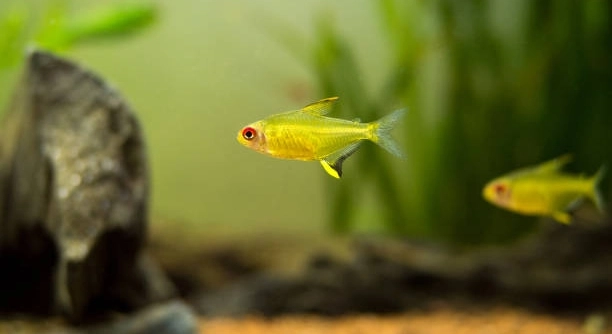
Do you ever notice your lemon tetra swimming quietly, lacking the spark it once had? Observing these small, bright fish can sometimes leave owners concerned when their lively behavior seems to fade over time.
Several factors can contribute to lemon tetras appearing dull, including water quality, tank conditions, diet deficiencies, stress from overcrowding, inadequate lighting, illness, and natural aging. Each element impacts the fish’s coloration, activity levels, and overall vibrancy in a measurable way.
Understanding these factors can help restore your tetra’s brightness and energy. Small changes often make a noticeable difference in their health and behavior.
Water Quality Matters
Maintaining clean water is essential for lemon tetras. Dirty or poorly maintained tanks can cause stress, leading to faded colors and lethargic behavior. Regular water changes help remove toxins such as ammonia and nitrites, which can accumulate quickly in smaller tanks. Using a reliable water test kit allows you to monitor pH, hardness, and other parameters that directly affect the health of your fish. Temperature stability is also important. Sudden changes can shock tetras and make them appear dull. Filtration plays a critical role, ensuring debris and waste are efficiently removed. Even minor imbalances in water chemistry can alter their activity and coloration. Avoid overcrowding, as too many fish in one tank can cause stress and increase waste. Observing your tetras daily can help you catch problems early, ensuring they remain active, healthy, and vibrant. Consistency in maintenance is key to keeping lemon tetras lively.
Water quality directly influences the vibrancy and activity of lemon tetras, making regular monitoring and cleaning essential.
Keeping water conditions stable improves their coloration and overall behavior. Healthy water encourages natural activity and reduces stress levels, giving lemon tetras their full brightness.
Diet and Nutrition
Poor diet can make lemon tetras look dull and less active.
Lemon tetras require a balanced diet rich in protein, vitamins, and carotenoids to maintain bright coloration. Feeding only flakes or a single food type can lead to deficiencies. Including live or frozen foods such as daphnia, brine shrimp, and bloodworms ensures essential nutrients and encourages natural foraging behavior. Overfeeding should be avoided, as uneaten food can pollute the tank and create stress. Supplementing with high-quality flake food fortified with color-enhancing ingredients supports vivid pigmentation. Feeding small portions multiple times a day mirrors their natural eating patterns and keeps them active. Occasionally rotating foods introduces variety, helping prevent dietary gaps that may dull their appearance. Fresh vegetables, such as blanched spinach or zucchini, provide additional nutrients and fiber. Consistent attention to diet not only enhances their color but also boosts immunity and overall health, making them more energetic and visually striking in the aquarium environment.
Proper nutrition is crucial for maintaining the bright color and energetic behavior of lemon tetras.
Balanced feeding routines and varied diets improve pigmentation, vitality, and resistance to illness, directly affecting how lively and appealing your tetras appear.
Stress and Tank Environment
Stress can quickly make lemon tetras appear dull. Overcrowding, aggressive tankmates, or sudden changes in lighting or temperature all contribute to stress, affecting their color and activity levels.
Providing a calm environment with adequate hiding spots reduces stress. Plants, rocks, and gentle filtration help create secure areas where tetras feel safe. Avoid mixing incompatible species, as constant chasing or competition can exhaust them. Keeping water parameters stable, performing regular maintenance, and minimizing loud vibrations around the tank also reduces stress. Observing behavior allows early detection of problems before they impact health.
Consistent routines improve tetra wellbeing. Maintaining a stable environment and avoiding sudden changes encourages natural behavior and bright coloration. Stress management is essential for active, healthy fish.
Lighting and Tank Placement
Lighting affects how lemon tetras display their color and activity levels. Proper lighting enhances natural hues, while dim or inconsistent lighting can make them appear pale or lethargic.
Positioning the tank away from direct sunlight prevents overheating and algae growth. LED or fluorescent aquarium lights provide consistent illumination and can simulate day-night cycles, encouraging normal activity patterns. Duration is important; 8-10 hours per day is sufficient. Excessive lighting may cause stress, while insufficient lighting can dull colors. Adjusting brightness gradually helps tetras adapt without shock. Reflective tank backgrounds and subtle decorations can further highlight their natural tones.
A well-lit tank promotes energy and color. Balanced lighting encourages regular swimming, social interaction, and natural behaviors, making lemon tetras appear more vibrant and lively in the aquarium.
Illness and Disease
Illness can cause lemon tetras to lose color and appear inactive. Common issues include bacterial infections, parasites, and fungal growth.
Early detection is key. Watch for unusual swimming patterns, clamped fins, or spots on their body. Quarantining affected fish prevents spread and supports recovery with proper treatment.
Age and Natural Changes
As lemon tetras age, their colors may naturally fade, and activity levels decline. Aging is a normal process and does not always indicate poor health.
Providing a stable environment, consistent nutrition, and low-stress conditions helps older tetras maintain their vibrancy longer.
Overcrowding Effects
Overcrowding increases stress and competition for resources. Too many fish in a small tank can dull color, reduce energy, and increase susceptibility to disease.
Managing population density allows lemon tetras to swim freely, display natural behaviors, and maintain healthy coloration.
FAQ
Why is my lemon tetra suddenly dull?
A sudden loss of color can be caused by stress, poor water quality, improper diet, illness, or overcrowding. Checking water parameters, observing tankmates, and reviewing feeding routines can help identify the problem. Addressing the source quickly usually restores their vibrancy.
How often should I change the water?
Regular water changes are essential. For small or medium tanks, changing 20-30% of the water weekly keeps ammonia and nitrate levels low. Larger tanks may require less frequent changes, but monitoring water quality remains important to maintain healthy, colorful tetras.
Can diet really affect color?
Yes, lemon tetras require a balanced diet rich in protein and carotenoids to display bright colors. Flake food alone is often insufficient. Including live or frozen foods like brine shrimp or daphnia helps maintain strong pigmentation and supports overall health.
What tank size is best for lemon tetras?
A minimum of 10 gallons is recommended for a small school of lemon tetras, but larger tanks are better. More space reduces stress, prevents overcrowding, and allows natural schooling behavior, which keeps them active and colorful.
How do I reduce stress in my aquarium?
Stress can be minimized by maintaining stable water parameters, avoiding aggressive tankmates, providing hiding spots, and ensuring consistent lighting. Sudden temperature changes and excessive noise should also be avoided. A calm, structured environment allows tetras to swim and display natural behaviors.
Can lighting affect my tetras’ colors?
Yes. Inadequate lighting can make their colors look dull, while proper LED or fluorescent lighting enhances natural hues. Maintaining a consistent day-night cycle of 8-10 hours encourages normal activity and reduces stress. Gradual changes in brightness help them adjust comfortably.
How do I know if my tetra is sick?
Signs of illness include faded color, clamped fins, unusual swimming patterns, loss of appetite, or spots on the body. Observing behavior daily allows early detection. Quarantining sick fish and providing proper treatment prevents spread and increases recovery chances.
Does overcrowding really make a difference?
Overcrowding stresses fish and increases competition for food and space, leading to dull coloration and lethargy. Maintaining proper stocking levels ensures each tetra can swim freely, reduces aggression, and supports healthy growth and natural behavior.
Will older lemon tetras always fade?
Yes, aging naturally reduces color vibrancy and activity. However, a stable environment, nutritious diet, and low-stress conditions help them retain color longer and stay healthier, even in later years. Proper care can slow the fading process.
Is it necessary to test water regularly?
Testing water frequently is crucial. Parameters like pH, hardness, ammonia, nitrites, and nitrates directly affect health and coloration. Regular monitoring allows adjustments before problems escalate, ensuring a safe environment for lemon tetras to thrive and remain active.
Can I mix lemon tetras with other fish?
Yes, but choose peaceful species of similar size. Aggressive or fin-nipping fish cause stress, leading to dull coloration and reduced activity. Providing enough space, hiding spots, and observing interactions ensures a harmonious tank environment that promotes health and vibrancy.
How long does it take for tetras to regain color?
Recovery time depends on the cause. Improving water quality, diet, and reducing stress can show noticeable color improvement within a few days to a few weeks. Persistent issues like illness or overcrowding may take longer or require targeted intervention.
Are there supplements that help color?
Color-enhancing supplements can improve pigmentation but should complement a balanced diet, not replace it. Vitamins and carotenoid-rich foods support natural coloration and overall health, making tetras appear more vibrant when combined with proper care.
How can I make my tetras more active?
Encouraging activity involves proper tank size, stable water conditions, and a varied diet. Plants, decorations, and gentle currents stimulate natural behavior. Social interaction within a school also promotes movement and helps maintain bright coloration over time.
What is the most common reason for dull lemon tetras?
The most frequent cause is stress from environmental factors, such as poor water quality, overcrowding, or incompatible tankmates. Addressing these issues often restores color and activity. Monitoring diet, lighting, and overall tank conditions also plays a significant role in preventing dullness.
How do I prevent future dullness?
Regular water maintenance, balanced nutrition, proper tank setup, consistent lighting, and attention to stressors prevent dull appearance. Observing behavior, avoiding overcrowding, and responding quickly to health concerns ensures lemon tetras remain lively and colorful over time.
Can water temperature affect color?
Yes, sudden or extreme temperature changes can stress tetras, causing faded color and lethargy. Maintaining a stable temperature within the recommended range for lemon tetras keeps them active and supports vibrant pigmentation consistently.
Should I separate a sick tetra from the group?
Quarantining a sick fish prevents disease spread and allows targeted treatment. Separation reduces stress for both the sick fish and the healthy group, helping recovery while keeping the overall tank environment stable and safe.
Does tank decoration impact appearance?
Yes, hiding spots and plants make tetras feel secure. A well-decorated tank reduces stress and allows fish to display natural behaviors. This, in turn, helps maintain bright coloration and lively activity, enhancing the visual appeal of your aquarium.
How often should I feed my lemon tetras?
Small, frequent feedings, two to three times per day, are ideal. Overfeeding can pollute the tank and cause stress. Balanced portions of varied foods keep tetras healthy, active, and vividly colored, supporting both physical and behavioral wellbeing.
Can poor filtration affect color?
Yes, inadequate filtration leads to toxin buildup, stress, and reduced coloration. A reliable filter maintains water quality, ensuring clear, oxygen-rich water that supports natural activity and keeps lemon tetras visually vibrant.
What are the warning signs of stress?
Signs include hiding excessively, loss of appetite, faded color, erratic swimming, or fin clamping. Observing daily allows early intervention. Addressing environmental issues or tankmate aggression reduces stress and restores health, energy, and color.
How important is a stable routine?
A consistent feeding schedule, regular water changes, and predictable lighting reduce stress and support overall health. Tetras thrive under stable conditions, maintaining energy, natural behavior, and bright coloration without sudden disruptions.
Are live plants beneficial for lemon tetras?
Yes, live plants provide hiding spots, reduce stress, and improve water quality. They create a natural environment that encourages swimming and schooling, which keeps tetras active and maintains their bright coloration over time.
Can improper tank cycling affect my tetras?
Yes, uncycled tanks accumulate ammonia and nitrites, which stress fish and dull colors. Properly cycling the tank before adding tetras ensures a stable, safe environment that supports vibrant, active fish.
How do I know if my water is balanced?
Testing for pH, hardness, ammonia, nitrites, and nitrates confirms water stability. Balanced water prevents stress, illness, and color loss, allowing lemon tetras to display natural behavior and maintain healthy, bright pigmentation.
Is it normal for tetras to be less active sometimes?
Yes, occasional rest or reduced activity is normal. However, prolonged inactivity, faded color, or hiding can indicate stress, poor water quality, or illness. Monitoring patterns helps distinguish normal rest from potential problems.
Can seasonal changes affect lemon tetras?
Yes, changes in room temperature, daylight hours, or humidity can influence behavior and coloration. Maintaining consistent tank conditions helps tetras remain active and colorful despite external seasonal variations.
Do all tetras respond the same to care changes?
No, individual fish may react differently. Some regain color quickly, while others take longer. Observing each fish’s response ensures tailored adjustments, improving overall health, activity, and vibrancy across the group.
Is it okay to use artificial color enhancers?
Artificial enhancers should be used sparingly. Natural dietary sources of carotenoids are safer and more effective long-term. Supplements can help but should not replace proper nutrition, water care, and stress management.
How long should I quarantine new fish?
Two to four weeks is recommended. Quarantine prevents the introduction of disease and allows observation of health and behavior before adding new tetras to the main tank. Proper quarantine protects the established group.
Can water flow affect activity?
Yes, gentle currents promote swimming without causing stress. Too strong a flow can exhaust tetras, while stagnant water reduces activity. Adjusting flow ensures a comfortable environment, supporting energy levels and vibrant coloration.
What is the ideal school size for lemon tetras?
A minimum of six tetras is recommended. Larger groups encourage natural schooling behavior, reduce stress, and help maintain active, bright, and visually appealing fish. Small groups may appear timid and dull.
Can regular observation prevent problems?
Yes, watching fish daily helps detect early signs of stress, illness, or water issues. Prompt action ensures health, maintains bright color, and keeps behavior active and natural. Early intervention is key to long-term vitality.
How do I revive a dull tetra quickly?
Improving water quality, adjusting diet, reducing stress, and ensuring proper lighting can quickly restore color and energy. Addressing the root causes efficiently brings noticeable improvements within days to weeks.
Does tank location matter?
Yes, placing the tank away from direct sunlight, drafts, or high-traffic areas reduces stress and maintains stable conditions. A calm, consistent environment encourages natural swimming, social behavior, and bright coloration.
Are there signs of dietary deficiency?
Pale color, slow growth, and low energy indicate missing nutrients. Introducing varied foods, including protein and carotenoids, restores health and improves vibrancy. Balanced nutrition supports both physical and behavioral wellbeing.
Can seasonal lighting changes impact color?
Yes, inconsistent light cycles or sudden changes affect activity and pigmentation. Maintaining regular light duration supports natural rhythms, reduces stress, and enhances the vibrancy of lemon tetras in the tank.
Is tank maintenance important for color?
Yes, routine cleaning, gravel vacuuming, filter checks, and water testing prevent toxin buildup, reducing stress and maintaining natural color. Consistent maintenance ensures tetras remain active, healthy, and visually appealing over time.
How do I encourage natural behavior?
Providing plants, hiding spots, moderate flow, and a proper school size allows natural swimming and social interaction. Engaging in these practices keeps tetras active, reduces stress, and enhances their coloration naturally.
What should I do if one tetra is consistently dull?
Observe its behavior, check water parameters, review diet, and monitor interactions with tankmates. Isolate if illness is suspected. Targeted care often restores color and activity, while preventing potential spread to others.
Can color fade indicate permanent damage?
If caused by illness or chronic stress, prolonged dullness may signal lasting effects. Early intervention, proper diet, and stable conditions improve chances of restoring brightness, but delayed care can limit full recovery.
Are there seasonal supplements for color?
Not necessary if diet is balanced year-round. Seasonal changes can affect light and temperature, but maintaining consistent nutrition ensures natural pigmentation without relying on temporary supplements.
Does water hardness affect coloration?
Yes, extreme softness or hardness can stress tetras, dulling color. Maintaining moderate hardness within recommended ranges supports healthy pigmentation and normal behavior.
Can tankmates influence appearance?
Aggressive or overly active tankmates cause stress, hiding, and reduced feeding, all of which affect color. Peaceful, similar-sized species promote safety, natural schooling, and vibrant appearance.
Is color fade reversible?
Often, yes. Addressing environmental stressors, illness, poor diet, or inadequate lighting allows lemon tetras to regain energy and pigmentation over time. Recovery depends on the cause and prompt corrective measures.
How long does it take to fully restore vibrancy?
Depending on the issue, recovery can range from a few days for minor stress to several weeks for illness or chronic deficiencies. Consistent care and monitoring speed the process.
Can I prevent future dullness entirely?
While aging naturally reduces color, maintaining stable water, proper nutrition, low stress, and a suitable environment minimizes fading. Consistent care ensures tetras remain active and bright throughout most of their life.
Does tank size affect schooling behavior?
Yes, insufficient space limits natural schooling, causing stress and dull coloration. Adequate tank size allows coordinated swimming, reduces competition, and supports activity and visual appeal.
Are hiding spots essential for color maintenance?
Yes, plants and decorations provide security, reducing stress and encouraging natural behaviors. Comfortable fish show stronger colors, swim actively, and remain healthier overall.
How do I avoid overfeeding?
Feed small portions two to three times daily. Remove uneaten food promptly. Overfeeding pollutes water, stresses fish, and contributes to dull coloration. Controlled feeding maintains health, energy, and vibrant appearance.
Is monitoring ammonia levels necessary?
Yes, even small amounts of ammonia stress tetras and reduce coloration. Testing regularly and performing partial water changes prevents buildup and supports bright, active fish.
Do lemon tetras need a cover on the tank?
Yes, a lid prevents jumping, reduces disturbances, and maintains stable conditions. A calm, secure environment keeps tetras active, stress-free, and vividly colored.
Can poor substrate affect health?
Yes, sharp or dirty substrate can stress fish or injure fins. Smooth gravel or sand supports natural behavior, reduces stress, and helps maintain bright coloration.
Is schooling essential for color display?
Yes, social interaction stimulates activity and reduces stress. A proper school enhances natural color, swimming behavior, and overall health, making tetras appear lively and vibrant.
How do I maintain long-term vibrancy?
Consistent water quality, varied nutrition, stable lighting, proper tankmates, and low-stress conditions ensure ongoing brightness. Daily observation and timely intervention prevent issues that can lead to dull coloration.
Are live foods necessary?
Not mandatory but highly beneficial. Live foods enhance nutrition, encourage natural foraging, and improve pigmentation. They complement flakes or pellets to maintain energy, color, and healthy behavior.
Does tank cleaning frequency matter?
Yes, regular cleaning prevents toxin accumulation, stress, and color loss. Maintaining a clean tank supports natural activity, coloration, and overall health of lemon tetras.
Can I improve color with water additives?
Only if they are safe, supportive supplements. They cannot replace balanced diet, proper water quality, and low stress. Using additives occasionally may enhance pigment but is secondary to overall care.
Are lemon tetras sensitive to noise?
Yes, loud or sudden noises can stress fish, reduce activity, and dull color. Placing the tank in a quiet, stable environment improves behavior, color, and overall wellbeing.
Do seasonal temperature fluctuations matter?
Yes, extremes or sudden changes stress tetras, leading to dull color and inactivity. Consistent temperature within recommended ranges promotes vibrant pigmentation and healthy, natural behavior.
How do I identify a balanced diet?
A mix of high-quality flakes, frozen or live protein foods, and occasional vegetables ensures all nutritional needs are met. Balanced diets improve color, energy, and long-term health.
Can water movement influence stress?
Yes, moderate flow encourages swimming without exhausting fish. Strong currents or stagnant water increase stress, affect behavior, and dull color. Optimal flow supports healthy, active tetras.
Are tank decorations more than aesthetic?
Yes, decorations provide hiding places, reduce stress, and encourage natural behavior. This directly impacts coloration, energy, and overall health. Properly arranged decor enhances both safety and appearance.
Do tetras need varied food textures?
Yes, mixing flakes, frozen, and live foods encourages foraging and ensures complete nutrition. Variety supports bright colors, energy, and healthy digestive systems.
Can water changes alone restore color?
Not always. While essential, color restoration often requires improved diet, stress reduction, and proper lighting alongside water maintenance. Combined care yields the best results.
Does tank cleanliness affect disease risk?
Yes, dirty tanks increase bacterial, fungal, and parasitic infections, leading to dull color and lethargy. Routine cleaning reduces illness and maintains vibrant, active tetras.
Are certain tankmates better for color maintenance?
Peaceful, similar-sized species reduce stress and competition, allowing tetras to display natural coloration and behavior. Aggressive tankmates negatively impact both color and activity.
How can I make color improvements last?
Consistent care, proper feeding, clean water, stress-free environment, and suitable tankmates ensure sustained brightness. Short-term fixes fade without long-term maintenance practices.
Do lemon tetras need hiding spots during the day?
Yes, even during daylight, plants and decorations provide security. Feeling safe encourages activity, schooling, and brighter color, reducing stress-related dullness.
Can I correct faded fins?
Yes, with proper diet, clean water, and stress-free conditions. Recovery depends on severity, but minor fading can often be restored naturally over time.
Are temperature fluctuations reversible for color?
Yes, returning to stable temperature reduces stress, allowing tetras to regain energy and pigmentation. Extreme or prolonged changes may slow recovery.
Can small dietary changes impact color quickly?
Yes, introducing carotenoid-rich foods or live protein sources often improves vibrancy within days, especially when paired with clean water and stable conditions.
Does tank lighting type matter?
Yes, full-spectrum LEDs or fluorescent lights enhance natural color. Incorrect lighting can make tetras appear dull and affect activity levels.
Is daily observation necessary?
Yes, consistent monitoring detects early signs of stress, illness, or color loss. Timely interventions maintain health, vibrancy, and energy.
How can I tell if stress is affecting multiple fish?
Pale color, hiding, reduced appetite, and erratic swimming across the group indicate environmental stressors. Addressing water, tankmates, and lighting usually resolves the issue.
Does pH influence color?
Yes, imbalanced pH stresses fish, affecting pigmentation and behavior. Maintaining recommended ranges supports vibrancy, health, and activity.
Can lighting duration be too long?
Yes, excessive lighting causes stress and dull coloration, while too little reduces vibrancy. An 8-10 hour cycle maintains natural rhythms and color.
Is color fading always reversible?
Often, yes, if caused by stress, diet, or water issues. Chronic illness or aging may limit full recovery. Early action improves success.
How do I prevent stress-related fading?
Stable water parameters, proper diet, suitable tankmates, hiding spots, and predictable lighting minimize stress, maintaining bright color and natural behavior over time.
Are there quick fixes for dull fish?
Quick improvements involve water changes, dietary adjustment, and reducing stressors. Long-term results require consistent maintenance, proper nutrition, and a low-stress environment.
Can color changes indicate mood or social status?
Yes, submissive or stressed tetras may appear paler temporarily. Dominant, confident fish
Lemon tetras are small, vibrant fish that bring energy and color to any aquarium. Their appearance and behavior are closely tied to their environment, diet, and overall care. Observing dullness in these fish can be worrying, but it often reflects manageable issues rather than serious problems. Factors such as water quality, tank size, lighting, diet, stress, and age all play a role in how bright and active your tetras appear. Understanding the influence of these elements helps identify solutions that support their health and natural vibrancy. Proper attention to these areas ensures that your tetras continue to display their characteristic yellow hues and lively swimming behavior.
Maintaining clean, stable water conditions is one of the most important steps in keeping lemon tetras healthy. Regular water testing and partial water changes help prevent the buildup of toxins that can cause stress or illness. Temperature, pH, and hardness must be monitored, and any sudden changes should be avoided. A suitable tank size and proper filtration allow fish to swim freely and reduce overcrowding, which lowers stress and encourages natural behaviors. Tank decorations such as plants and rocks provide hiding spots, giving fish a sense of security. Alongside water maintenance, a balanced diet that includes a variety of flakes, frozen, and live foods ensures proper nutrition. Protein-rich foods and carotenoid sources directly influence coloration, while avoiding overfeeding prevents water pollution and excess stress.
Even with proper care, lemon tetras naturally change as they age. Older fish may show some fading in color or reduced activity, but maintaining stable water, providing consistent nutrition, and minimizing stress can help them retain their vibrancy for longer. Paying attention to subtle behavioral changes and acting early when issues arise is important for long-term health. While illness or environmental problems may temporarily reduce their brightness, most cases can be corrected with adjustments to diet, water conditions, and tank management. Consistency, observation, and gentle care make the difference between a dull, stressed fish and a lively, healthy tetra displaying its full range of colors. By focusing on these basic principles, lemon tetra owners can ensure their fish remain vibrant, active, and enjoyable to watch over time.

Hello,
If you enjoy the content that we create, please consider saying a "Thank You!" by leaving a tip.
Every little bit helps us continue crafting quality advice that supports the health, happiness, and well-being of pets around the world, for pets of all shapes, sizes, and species.
We really appreciate the kindness and support that you show us!