
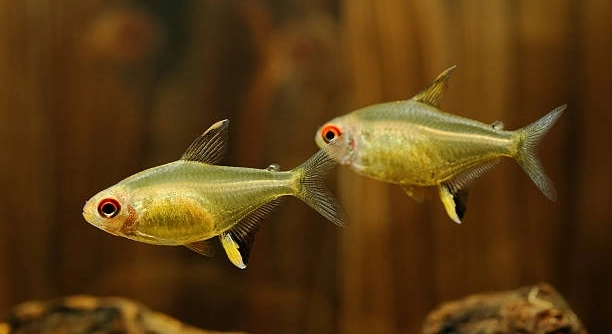
Do your lemon tetras swim in circles or hide more than usual? Keeping these small, lively fish engaged is important for their well-being and overall health. A few adjustments in their environment can make a big difference.
Providing stimulation for lemon tetras involves creating a dynamic habitat with varied decorations, live plants, and open swimming areas. Regularly rotating tank elements, offering high-quality food, and encouraging social interaction reduces stress and prevents boredom effectively.
Maintaining an interesting environment ensures your fish remain active, healthy, and happy in their aquatic home. Simple changes can make a noticeable difference.
Rearrange Decorations Regularly
Changing the layout of your tank helps lemon tetras stay engaged. They enjoy exploring new spaces and navigating around plants, rocks, and other decorations. Moving items around every few weeks encourages activity and reduces the chance of boredom. Small caves or hiding spots give them security, while open swimming areas let them exercise and display natural schooling behavior. You don’t need to make drastic changes; even shifting a few items can refresh their environment. Observing their reactions after rearranging helps you understand which elements they enjoy most. Live plants are especially beneficial because they provide shelter, stimulate natural behavior, and can sway with water movement, making the tank feel dynamic. Additionally, placing decorations at different levels allows tetras to swim at various heights, which mimics their natural habitat. A balance of hiding spots and open space keeps the fish confident, active, and curious. Regular rearrangement supports both their physical health and mental stimulation, creating a livelier aquarium overall.
Rearranging decorations stimulates exploration and keeps lemon tetras active. Small adjustments can make a significant difference in their behavior and happiness.
Consistently changing the tank layout ensures tetras do not grow accustomed to a static environment. Even minor adjustments can spark curiosity, encouraging swimming, interaction, and natural behaviors. Live plants and varied decorations create depth, promoting a richer environment. Over time, tetras will explore more confidently, reducing stress and increasing engagement. The tank becomes more visually appealing while supporting the fish’s overall well-being.
Introduce Floating Toys
Floating toys can provide both exercise and mental stimulation for lemon tetras. Items like ping pong balls, small plastic rings, or lightweight floating decorations encourage chasing and investigation, which prevents inactivity. Tetras are naturally curious, so they enjoy interacting with objects that move slightly with water currents. Toys should be safe, non-toxic, and appropriately sized to avoid swallowing or injury. Watching the fish investigate floating objects can be rewarding and helps you notice behavioral changes. Varying the toys regularly ensures they remain interesting, preventing the tetras from losing interest. Floating elements can also create shaded areas or subtle water movement, enhancing the tank’s complexity. Some floating plants work similarly, providing cover and texture while gently moving with the water. Incorporating these interactive items keeps the fish mentally sharp, encourages social behavior, and maintains their active nature. A simple floating object can transform their swimming routine, turning everyday activity into a stimulating experience.
Floating toys give lemon tetras new challenges and encourage natural behaviors, keeping their tank engaging and lively.
Tetras thrive when they have opportunities for both physical and mental stimulation. Floating items that drift or sway create a dynamic environment, prompting investigation and movement. Over time, these interactions strengthen their schooling patterns and reduce stress, as fish are less likely to stay idle. Safety is crucial, so only use objects made for aquariums, avoiding anything with sharp edges or chemicals. Changing toys occasionally maintains interest and prevents the fish from becoming bored. Floating plants or gentle decorations offer similar benefits, blending play with environmental enrichment. Monitoring the tetras’ responses helps ensure they are stimulated without feeling overwhelmed. A lively tank encourages activity, reduces aggression, and supports healthier growth. These small interventions make a noticeable difference in both behavior and overall happiness.
Vary Their Diet
Feeding lemon tetras a variety of foods keeps them engaged and healthy. Mixing flakes, frozen, and live foods ensures proper nutrition while adding interest during mealtime. Small portions multiple times a day work best.
Rotating foods like brine shrimp, daphnia, and high-quality flakes provides essential nutrients and encourages natural foraging behavior. Offering different textures and flavors stimulates curiosity and prevents boredom, making meals an engaging activity rather than a routine task. Live foods, in particular, trigger hunting instincts, while frozen foods add variety and ease of feeding. Over time, tetras become more active, confident, and responsive during feeding times. Careful observation ensures no single food is overfed, maintaining water quality and overall health. Variety is key to keeping their diet interesting while supporting their physical and mental well-being.
A diverse diet not only boosts nutrition but also keeps lemon tetras mentally stimulated. Meal times become a form of exercise and interaction within the tank.
Use a Schooling Group
Lemon tetras thrive in groups of six or more, which promotes natural behavior and reduces stress. They swim in coordinated patterns, encouraging activity and engagement.
Keeping a proper group size ensures social interaction and mimics their natural environment. Small groups can lead to aggression or hiding, while larger schools foster confident swimming and playful chasing. Observing their movement helps identify if the group size is optimal. Social dynamics, such as following and schooling, strengthen bonds and reduce anxiety. The presence of multiple tetras creates a dynamic visual effect and encourages continuous exploration. A well-sized school also prevents lethargy and promotes overall tank harmony, contributing to a lively and balanced aquatic setting.
A proper schooling group supports active behavior, natural interactions, and a visually engaging tank. Watching them swim together is satisfying and reinforces social balance.
Add Live Plants
Live plants create hiding spots and gentle water movement, keeping lemon tetras active. They enjoy weaving through leaves and exploring different areas of the tank.
Plants improve water quality and mimic a natural environment. Fast-growing varieties like Java fern or hornwort are easy to maintain and provide constant stimulation for the fish.
Introduce Gentle Currents
Gentle water currents encourage swimming and exploration, simulating natural habitats. Using a filter or small pump can create movement without stressing the fish.
Provide Hiding Spots
Caves, driftwood, and small ornaments allow lemon tetras to feel secure while exploring. Multiple hiding spots reduce stress and promote confident behavior.
How many lemon tetras should I keep together?
Lemon tetras are social fish and do best in groups of six or more. Smaller groups can lead to stress, hiding, or aggressive behavior. Keeping a proper school encourages natural swimming patterns and creates a lively, dynamic tank environment. Observing their interactions helps ensure the group size is balanced.
What types of food are best for lemon tetras?
A varied diet keeps lemon tetras healthy and engaged. High-quality flake food can be combined with frozen or live options like brine shrimp, daphnia, or bloodworms. Rotating these foods stimulates natural foraging behavior and prevents boredom. Feeding small portions multiple times a day supports digestion and activity levels.
Can I use floating toys in a tetra tank?
Yes, but they must be safe and appropriately sized. Lightweight floating items like plastic rings or ping pong balls encourage chasing and exploration. Floating plants can serve a similar purpose, adding shade and movement. Rotating toys keeps the tank environment stimulating and encourages activity.
Do lemon tetras need live plants?
Live plants are highly recommended. They provide shelter, promote exploration, and improve water quality. Fast-growing plants like Java fern, hornwort, or anubias are easy to care for. Tetras enjoy swimming through leaves, which adds stimulation and reduces stress. The presence of plants helps maintain a natural and engaging environment.
How often should I rearrange tank decorations?
Rearranging decorations every few weeks prevents tetras from becoming bored. Move plants, rocks, and ornaments to create new pathways and hiding spots. Even small changes spark curiosity and encourage exploration. Observing how fish respond to rearrangements helps determine what elements they enjoy most.
Can lemon tetras live with other fish?
Yes, they do well with peaceful species of similar size. Avoid aggressive or overly large fish that may stress or harm them. Compatible tank mates include rasboras, guppies, or small catfish. Maintaining a balanced social environment supports natural schooling and reduces anxiety.
How do I provide hiding spots for my tetras?
Caves, driftwood, and small ornaments create secure spaces. Multiple hiding spots give tetras confidence while exploring the tank. Varied heights and textures enhance activity and reduce stress. Rotating or changing hiding spots occasionally adds novelty and keeps the tank engaging.
Is tank size important for preventing boredom?
Yes, a larger tank provides space for swimming and exploration. A minimum of 20 gallons is recommended for a small school of lemon tetras. Ample open areas, combined with plants and decorations, promote natural movement, social behavior, and mental stimulation.
How can I monitor if my tetras are bored?
Signs of boredom include lethargy, reduced schooling, excessive hiding, or repetitive swimming patterns. Active swimming, exploring decorations, and interacting with other tetras indicate a healthy, stimulated environment. Adjusting tank elements, adding toys, or varying food can help maintain engagement.
Do gentle currents help lemon tetras?
Yes, gentle water flow mimics natural habitats and encourages active swimming. A small filter or pump can create mild movement without stressing the fish. Currents combined with plants and open swimming space enhance exploration and prevent inactivity.
How do I balance enrichment with safety?
All toys, decorations, and plants must be aquarium-safe. Avoid sharp edges or toxic materials. Monitor fish behavior after introducing new elements to ensure they are comfortable. Balancing stimulation with a secure environment promotes activity without causing stress.
Can I change their environment too often?
Frequent drastic changes can stress lemon tetras. Small, gradual adjustments work best. Rotating toys, rearranging decorations, or slightly moving plants maintains interest while allowing fish to acclimate comfortably. Consistent monitoring ensures changes are positive and safe.
How important is group interaction for their mental health?
Very important. Lemon tetras rely on schooling for security and stimulation. Interaction with other tetras reduces stress, encourages active swimming, and supports natural behaviors. Ensuring a balanced group size and compatible social dynamics maintains mental and physical well-being.
What are common mistakes that cause boredom?
Common issues include keeping too few fish, lack of variety in decorations or plants, repetitive feeding routines, and a small tank without open swimming space. Addressing these factors prevents inactivity and promotes a healthier, more engaged aquarium.
Can I use artificial plants instead of live ones?
Yes, artificial plants can provide structure and hiding spots. However, they do not improve water quality or offer the same natural stimulation. Combining artificial plants with other enrichment methods, like floating toys or rearranging decorations, helps maintain engagement.
How do I maintain a long-term stimulating environment?
Rotate decorations, vary food, monitor schooling behavior, and adjust tank layout periodically. Providing live plants, floating toys, and gentle currents ensures the fish stay active. Observing their behavior regularly allows timely adjustments to prevent boredom and support overall health.
This FAQ provides practical strategies to keep lemon tetras engaged, active, and healthy in a stimulating aquarium environment.
Keeping lemon tetras happy and active requires attention to both their physical and mental needs. These small, lively fish thrive in environments that offer variety and stimulation. Simple steps, like rearranging decorations, adding plants, or introducing floating objects, can make a significant difference in their behavior. A tank that allows for exploration, hiding, and social interaction helps reduce stress and encourages natural behaviors. When the environment is engaging, tetras are more likely to swim actively, interact with their group, and display their characteristic schooling patterns. Over time, this results in healthier fish and a visually dynamic aquarium that is enjoyable to observe. The key is to maintain balance—too little stimulation can lead to boredom and inactivity, while too many changes at once can cause stress. Small, gradual adjustments to the tank layout, coupled with consistent care, create a comfortable and enriching environment for these fish.
Nutrition is another important factor in keeping lemon tetras engaged. Providing a varied diet that includes high-quality flakes, frozen foods, and occasional live options ensures they receive proper nutrients while staying interested in mealtime. Rotating foods and offering different textures mimics natural foraging behavior, which encourages activity and curiosity. Feeding small portions multiple times a day prevents overeating and keeps water quality stable. Observing their eating habits can provide insight into their overall well-being and highlight any potential issues. Combining dietary variety with environmental enrichment, such as hiding spots, plants, and gentle currents, creates a holistic approach to care that addresses both physical health and mental stimulation. By focusing on these fundamentals, aquarists can support long-term vitality and happiness in their lemon tetras, helping the fish thrive in a controlled yet lively setting.
Social interaction also plays a major role in the well-being of lemon tetras. These fish naturally form schools, and maintaining an appropriate group size encourages confidence, coordination, and active behavior. Small schools can cause stress or excessive hiding, while larger groups allow for playful chasing and synchronized swimming. Observing the group regularly helps ensure that all fish are interacting well and that no individual is isolated or overly timid. Combining social dynamics with environmental variety, such as plants, decorations, and gentle currents, maximizes engagement. Over time, this careful balance of diet, environment, and social interaction promotes a healthier, more dynamic aquarium. Lemon tetras are responsive to their surroundings, and a thoughtfully maintained habitat ensures they remain active, curious, and visually vibrant, making them rewarding fish to care for and observe over the long term.

Hello,
If you enjoy the content that we create, please consider saying a "Thank You!" by leaving a tip.
Every little bit helps us continue crafting quality advice that supports the health, happiness, and well-being of pets around the world, for pets of all shapes, sizes, and species.
We really appreciate the kindness and support that you show us!